The Shoebill Stork: Africa’s Most Wanted Bird
You see some birds, and you think they are nice. Then some birds make you stop and wonder. The Shoebill Stork is one of those birds. It is very tall. Has a huge bill. It looks like a bird from a time ago. The Shoebill Stork is a special bird that lives in the wetlands of Africa. Many people want to see it in person. They will travel all the way across Africa just to see the Shoebill Stork.
The Shoebill Stork is very interesting because it looks like it belongs to a different time. It is still alive today in some of Africa’s most beautiful wetlands. You can find it in papyrus swamps, marshes, and quiet waterways. You have to be patient and quiet to see it. You might not see it all, which makes it even more special when you do.
Why the Shoebill Stork Captures Africa’s Imagination
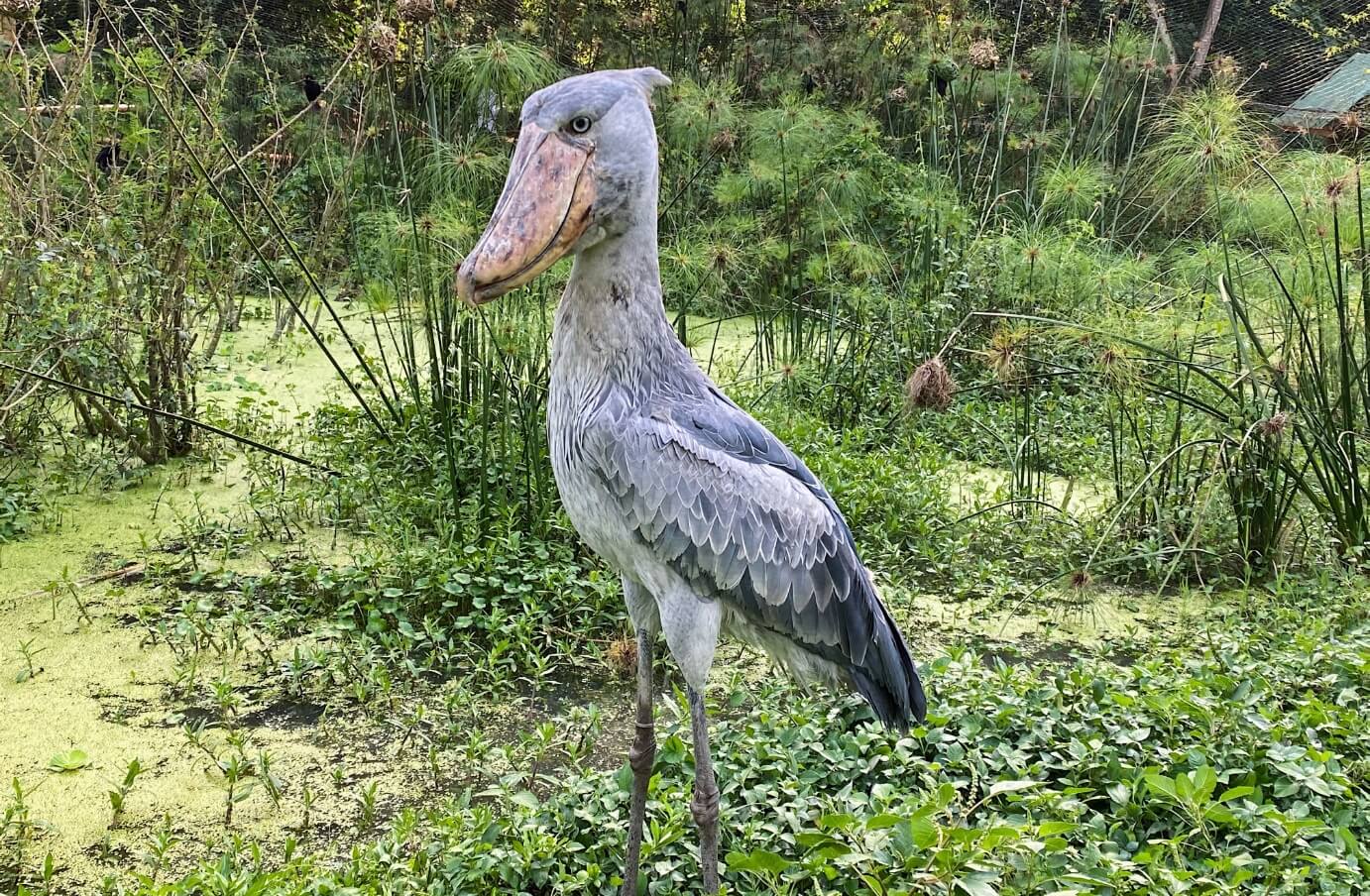
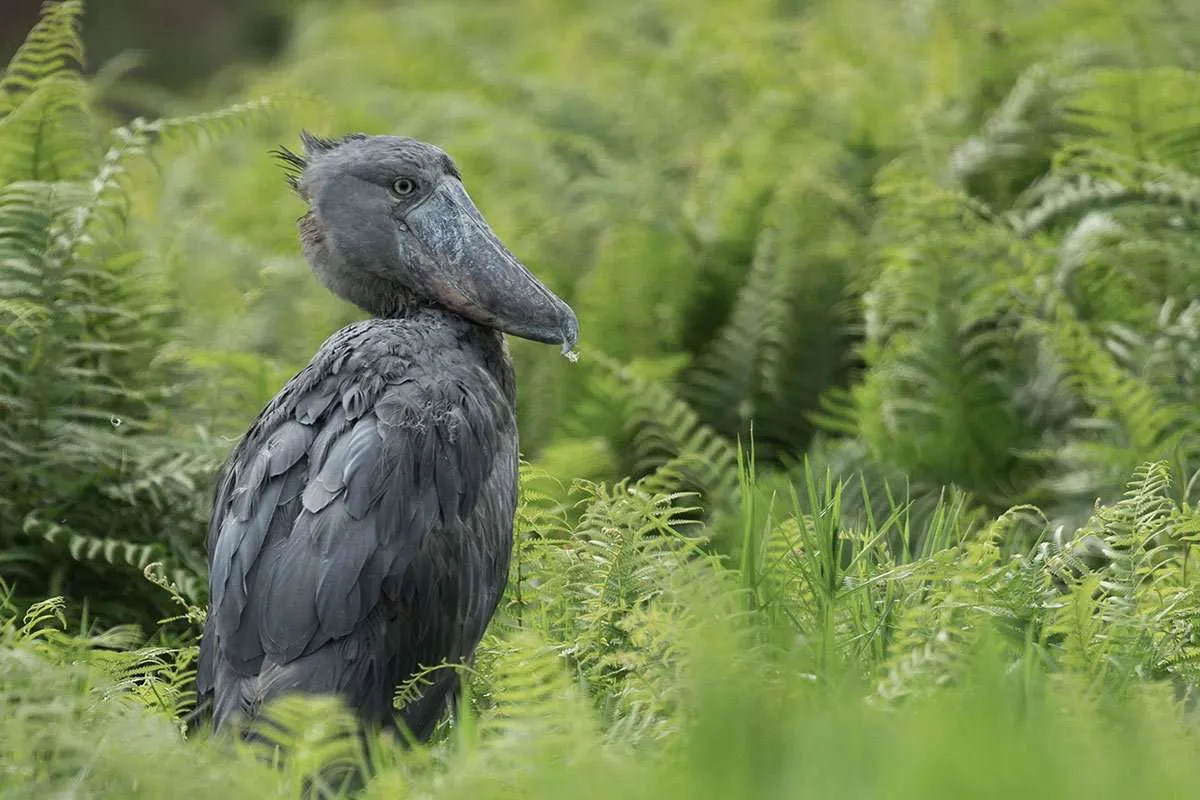
The Shoebill Stork looks very unique. It can be more than a metre tall. It has long legs and big wings. Its bill is very powerful. The Shoebill Stork has blue feathers that blend in with the wetlands. It moves slowly, which makes it hard to see. When it stands still, it looks like part of the landscape.
It is not just the way the Shoebill Stork looks that makes people want to see it. The Shoebill Stork has a personality. It can stand still for a time, waiting for the right moment to catch its prey. Then it moves quickly and catches its food.
A Master of Patience
The Shoebill Stork is very patient. It stands still in the water waiting for something to move. It eats fish, frogs and other animals that live in the wetlands. The Shoebill Stork has to wait for a time to catch its prey. It can stand still for minutes.
Watching the Shoebill Stork can change the way you see the wetlands. You start to notice things, like the light, on the water and the sounds of the birds. You learn to slow down and be quiet. The Shoebill Stork teaches you to appreciate the things in nature.
Where You Can Find This Amazing Shoebill Bird
The shoebill bird is found in freshwater wetlands in eastern Africa. Uganda is a place to look for this bird especially in big wetland areas with papyrus, open water and channels. These areas are perfect for the shoebill bird. The Victoria Nile and other big wetland systems are places to search for the bird.
The Mabamba wetlands near Lake Victoria are very popular for people who want to see the shoebill bird. The wetlands have channels, papyrus and shallow water which makes it easy to find the bird. Local guides can help you search for the bird. The journey to find the bird is exciting you will be on a boat moving quietly through the wetlands.
You can also find the shoebill bird in parts of Uganda like wetland areas near lakes, rivers and floodplains.. You need to know where to look because the bird can move to different places depending on the water level, food and the time of year. Local guides can help you find the bird.
Beyond Uganda
The shoebill bird can also be found in countries like Zambia, South Sudan, Tanzania, Rwanda, the Democratic Republic of Congo and other nearby places. Each place is different. It is always exciting to see the bird. When you go to these places you are helping to protect the wetlands where the bird lives.
The Shoebill Bird is very special it is not a popular bird to see. It shows us why we need to protect the wetlands and the animals that live there. When the wetlands are healthy they provide food, shelter and water for animals not just the shoebill bird.
The Magic of Seeing a Shoebill Bird
When you see the shoebill bird it is a special moment. You might be moving through the wetlands and not see anything then your guide will point to the bird. At first you might not see it. Then you will see its big bill and its eyes watching the water. It is a quiet moment the bird is not making any noise it is just standing there.
This moment can be very emotional it is like you have discovered something. The shoebill bird does not need to do anything it is just being itself. The way it stands its big bill and its strange beauty make it a memorable experience.
Go With Patience and Respect
If you want to see the shoebill bird you need to be patient. The bird does not follow a schedule you might see it quickly. You might have to wait for hours. It is best to go in the morning when the light is beautiful and it is not too hot.
You need to be quiet and respectful when you’re in the wetlands. Do not make any noise or sudden movements because you might scare the bird away. Keep a distance and let the bird behave naturally. This way you can enjoy the experience. Not disturb the bird.
Protecting the Wetlands That Protect the Shoebill Bird
The future of the shoebill bird depends on the future of the wetlands. The wetlands are in danger because of farming, drainage, fires, pollution and other human activities. When the wetlands are destroyed the animals that live there are in danger.
To protect the shoebill bird we need to protect the wetlands. We need to make sure the wetlands are healthy, with fish, plants and water. Local communities can help protect the wetlands because they depend on them for food, water and other things.
Tourism can help protect the wetlands if it is done responsibly. When people visit the wetlands to see the shoebill bird they are helping guides, boat operators and conservation projects. This can help preserve the wetlands and give people an understanding of why they are important.
Make the Search Part of Your African Adventure
The Shoebill Stork: Africas Most Wanted Bird can become the centerpiece of an African wildlife adventure. Uganda for example offers opportunities to combine wetland exploration with forest birding, savannah wildlife, primate experiences and scenic journeys through landscapes.
You do not need to be an expert birder to appreciate a shoebill. Curiosity is enough. Bring binoculars if you have them wear clothing protect your equipment from water and prepare yourself for changing weather. Importantly give yourself enough time to enjoy the search rather than treating the bird as something that must simply be checked off a list.
The greatest reward may come when you realise that the journey itself has become part of the experience. The quiet boat ride, distant calls, papyrus swaying in the breeze reflections on the water and sudden appearance of a bird all become connected to one unforgettable memory.
A Bird Worth Searching For
For travellers the Shoebill Stork: Africas Most Wanted Bird becomes a symbol of the wild places they hope to experience in Africa. Its unusual appearance attracts attention. Its deeper appeal comes from its rarity, behaviour, habitat and connection to threatened wetlands.
Seeing one can remind you that some of the worlds wildlife experiences require patience. You cannot demand that nature appear on schedule. You can only arrive prepared observe carefully and appreciate the moment when the opportunity comes.
The shoebill stands quietly among Africas wetlands carrying a story that reaches beyond one species. It tells a story about patience, survival, wilderness and the importance of protecting places that still allow extraordinary creatures to live naturally. When you finally see that unmistakable bill rising above the reeds you understand why many people dream of meeting this remarkable bird.
For anyone drawn to Africas landscapes the search for this extraordinary species can become more than a wildlife excursion. It can be a reminder to slow down look and value the rare moments that cannot be guaranteed. The Shoebill Stork: Africas Most Wanted Bird deserves its place among Africas unforgettable wildlife experiences and seeing it in the wetlands where it belongs can leave you with a lasting appreciation, for the continents remarkable natural heritage.