
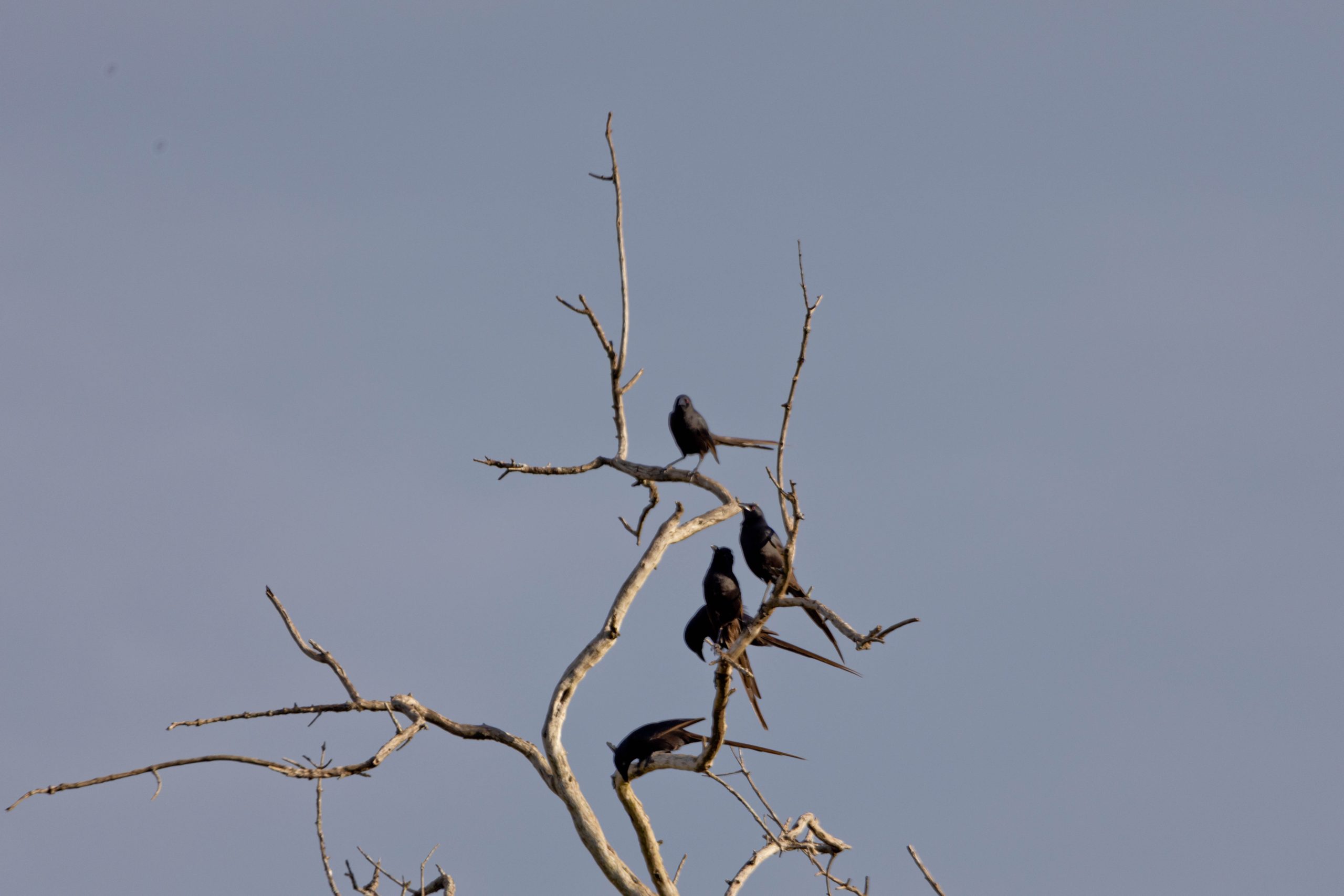
Safari for birders: planning a dedicated birding trip in east africa
a dedicated birding safari in east africa offers a different experience from a conventional wildlife tour. rather than building each day around lions, elephants, or the great migration, the itinerary is designed around bird habitats, target species, seasonal movements, and the best times of day for observation. the aim is to spend enough time in the right places to find, identify, observe, and sometimes photograph as many birds as possible without turning the journey into a race between destinations.
uganda, kenya, tanzania, and rwanda are particularly rewarding for birders because they bring together a remarkable variety of environments within one region. tropical rainforests, highland forests, papyrus swamps, freshwater lakes, open savannah, acacia woodland, riverbanks, and coastal habitats all support different bird communities. a carefully planned route can move between several of these environments, giving birders opportunities to find both familiar african species and birds that are difficult to see elsewhere.
the most successful trip begins with a clear understanding of what the traveller wants from the experience. a first-time birder may be interested in colourful kingfishers, rollers, bee-eaters, eagles, and storks. an experienced lister may be travelling specifically for shoebills, forest endemics, rare regional species, or birds restricted to particular mountain ranges. photographers may need longer at each sighting, while birders hoping to record a large number of species may prefer a route that covers several habitats efficiently.
planning around these priorities makes a significant difference. the best birding safari is not necessarily the one that visits the most national parks. it is the one that gives the right amount of time to the right habitats, with knowledgeable guides and realistic travel arrangements.
why east africa is an excellent region for birding
east africa’s bird diversity comes from its varied geography. the great rift valley, the equatorial forests, the highlands, and the indian ocean coastline create environments that support different species and migration patterns. travelling between these habitats can produce a much broader list than remaining in one savannah reserve throughout the holiday.
uganda is especially attractive for birders who want to combine wetlands, tropical forests, and savannah within one trip. its birding destinations include mabamba bay near Entebbe, the forests around Kibale and Bwindi, the wetlands of the queen elizabeth national park area, and the varied habitats of murchison falls national park. the country is also a major destination for travellers hoping to see the shoebill, a distinctive bird that is high on many african birding lists.
kenya offers a different combination of habitats. the rift valley lakes attract waterbirds and waders, while the savannahs and dry-country landscapes support raptors, bustards, sandgrouse, and many other species. highland forests and coastal woodlands add further variety. a birding itinerary in kenya can therefore combine waterbird observation with open-country birding and forest walks.
tanzania is well suited to birders who want to explore the birds of the northern savannah, highland forests, rift valley landscapes, and selected coastal or mountain habitats. the northern safari circuit offers opportunities to observe birds alongside large mammals, while other regions can be selected for more specialised interests. the best route depends on whether the priority is general diversity, endemic species, forest birding, or a combination of birds and classic wildlife viewing.
rwanda is a valuable choice for birders interested in montane forest species and the distinctive birds of the albertine rift. nyungwe forest is an important destination for forest birding, while akagera national park provides a contrasting environment of lakes, wetlands, woodland, and savannah. these two areas can be combined to experience very different bird communities within one country.
the advantage of travelling in this region is not simply the number of species that may be recorded. it is the opportunity to experience different birding environments within the same holiday. a morning in a misty montane forest can feel completely different from a canoe excursion through papyrus channels or a game drive across open grassland.
decide what kind of birder you are
before choosing destinations, consider what you want to achieve during the trip. this helps determine the length of the safari, the type of guide required, the number of nights at each location, and the balance between walking, driving, and boat excursions.
if you are a general bird enthusiast, you may enjoy a mixture of forest walks, lake visits, savannah game drives, and opportunities to watch birds around lodges. you do not need to identify every species to appreciate the experience. colourful plumage, unusual feeding behaviour, courtship displays, and the variety of calls can make each outing rewarding.
if you are an experienced birder, you may prefer a more specialised itinerary built around a target list. the route could focus on albertine rift endemics, papyrus specialists, forest understorey birds, highland species, or birds found in dry-country habitats. such trips require more detailed planning because a particular species may occur only in a limited area or require several attempts to locate.
bird photographers need a slightly different approach. they may prefer fewer destinations and longer stays, allowing time to wait for suitable light, unobstructed views, and natural behaviour. a large species list can be satisfying, but a photographer may consider a trip successful after securing a small number of exceptional images.
families and mixed-interest groups can also enjoy a birding safari. the itinerary can include birdwatching alongside wildlife drives, cultural visits, boat trips, and other activities. however, everyone should understand the pace of a dedicated birding trip. the group may stop frequently, walk slowly, remain quiet for long periods, or spend an extended time looking for one difficult species.
the key is to be honest about your interests before booking. a trip designed for a serious lister may feel too demanding for someone who simply enjoys seeing attractive birds during a relaxed holiday. equally, a conventional safari with occasional bird stops may not satisfy a traveller who wants to spend every morning searching for specialised forest species.
choose destinations by habitat, not just by country
one of the most common planning mistakes is selecting destinations based only on famous national park names. birding depends heavily on habitat. a forest specialist may not be found in an open savannah reserve, and a papyrus wetland species will not necessarily appear beside a mountain lodge.
instead of asking which country has the most birds, begin by identifying the habitats and species you want to experience. then select sites that give you the best chance of finding them.
wetlands and papyrus swamps
wetlands are among the most important environments for birding in east africa. marshes, lake margins, river deltas, and papyrus swamps support herons, egrets, kingfishers, weavers, jacanas, rails, waterfowl, and many other water-associated species.
mabamba bay, near Entebbe in Uganda, is particularly well known for shoebill excursions. the area is explored by boat, allowing visitors to move through channels bordered by papyrus and other wetland vegetation. an experienced local guide can help locate suitable areas and explain how to observe the birds without causing unnecessary disturbance.
wetland birding is often best in the early morning, when conditions are cooler and many birds are active. the boat moves slowly, and sightings may depend on water levels, vegetation, weather, and the movements of the birds. even at a well-known site, no wild bird sighting is guaranteed.
other wetlands across the region can be productive for waterbirds and marsh specialists. the best choice depends on the species list and the route being planned. if wetlands are a major priority, allow sufficient time for them rather than treating every visit as a short stop between road transfers.
tropical and montane forests
forest birding is one of the most rewarding parts of a dedicated east african trip, but it requires patience and a different approach from savannah birding. many forest species remain hidden in dense vegetation, move quickly through the canopy, or reveal themselves through calls before they can be seen.
uganda’s bwindi impenetrable national park is important for birders interested in the albertine rift. its forest habitat supports a wide variety of species, including birds that are difficult to find outside the region. kibale forest and other western ugandan forest sites offer further opportunities to search for forest specialists.
in rwanda, nyungwe forest is a major destination for montane forest birding. its varied elevations and forest environments provide opportunities to search for species associated with the albertine rift. forest walks can be physically demanding, so travellers should choose routes that match their fitness and discuss walking conditions with their guide.
kenya also offers forest birding in locations such as kakamega forest and selected highland and coastal forests. tanzania’s mountain forests and eastern arc ranges can be valuable for birders interested in restricted-range species, although specialised routes may require additional travel time and careful logistical planning.
forest birding is not always about covering long distances. a short stretch of trail can produce excellent sightings if the guide knows the calls, feeding areas, fruiting trees, and likely locations of target species. spending longer in one productive area may be more effective than walking quickly through several different sections of forest.
savannah and woodland
savannah habitats offer a different birding experience. open views often make it easier to observe large birds, raptors, ground-dwelling species, and birds perched on exposed branches. game drives also provide opportunities to watch birds alongside elephants, giraffes, antelopes, and other mammals.
queen elizabeth and murchison falls national parks in Uganda provide a mix of savannah, woodland, riverine, and wetland habitats. this variety makes them useful for birders who want a broad species list without concentrating entirely on forests.
kenya’s savannah reserves offer excellent opportunities to observe birds of open grassland and acacia woodland. tanzania’s northern circuit, including the serengeti ecosystem and ngorongoro highlands, can also provide rewarding birding alongside large mammals. the exact species encountered will depend on the route, altitude, season, and habitats visited.
savannah birding works well from a vehicle, but walking opportunities can add another dimension where permitted and safe. some birds are easier to locate by listening from a stationary position or examining exposed branches and grassland edges rather than driving continuously.
lakes, rivers, and coastal habitats
lakes and rivers support a range of waterbirds, including cormorants, fish eagles, herons, kingfishers, and waders. boat excursions can bring visitors closer to feeding areas and riverbanks that are difficult to observe from land. they also create opportunities to watch birds at different angles and, in suitable conditions, photograph them at eye level.
the great rift valley lakes of kenya are well known for their waterbird diversity. flamingo numbers, however, can change considerably with water conditions and food availability, so it is better not to plan an entire trip around a guaranteed concentration of these birds.
coastal habitats in kenya and tanzania add another layer of diversity. coastal forests, mangroves, shorelines, and nearby wetlands support species that may not appear on an inland safari. including the coast can be worthwhile for a longer trip, especially when coastal specialists are a priority, but it may add considerable travel time to an itinerary focused on western uganda or the albertine rift.
select the best time of year for your target species
birding is possible throughout the year in east africa, but seasonal conditions influence which species are present, how easy it is to reach certain habitats, and how much time can be spent in the field.
for many itineraries, the period from november to april is attractive because migratory birds from europe and asia join resident species. this can increase the diversity available to observers, while some resident birds may also be displaying or breeding. the exact timing varies by species and location, so a target list should be checked against local seasonal information.
the drier months can make travel and walking easier in many areas. roads may be more accessible, forest trails can be less muddy, and transfers between destinations may be more straightforward. this can be especially helpful on a route that combines several parks or includes remote birding sites.
the wetter months should not automatically be ruled out. rain can bring breeding activity and lush habitats, and some periods may offer excellent opportunities for observing birds. however, heavy rain can affect visibility, road conditions, walking comfort, and access to particular sites. a trip during the rainy season needs more flexibility and appropriate clothing.
there is no single best month for every birding destination in east africa. the ideal time depends on whether you prioritise migratory species, breeding behaviour, dry-season accessibility, or a particular bird that occurs in a restricted area. before confirming dates, ask a specialist guide to review the target list and explain the seasonal trade-offs.
if your dates are fixed, the itinerary should be built around the opportunities available during that period. if you have flexibility, compare the main seasonal options before booking flights and accommodation.





No comment