
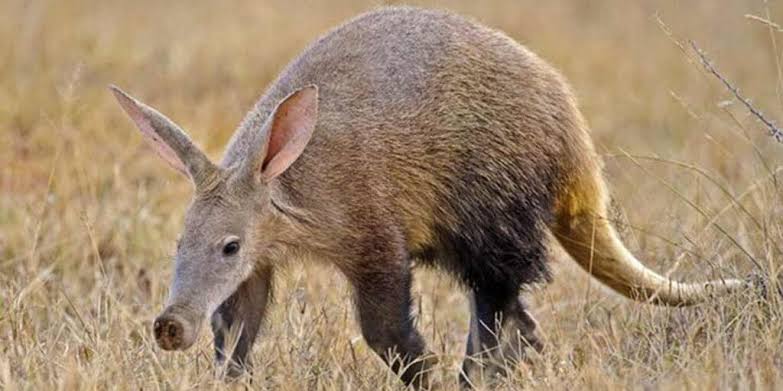
The Shy Five: Aardvark, Bat-Eared Fox and Other Hard-to-Spot Animals
Most travellers visiting Africa dream of seeing lions, elephants, leopards and giraffes. These famous animals attract attention during game drives, but some of Africa’s most fascinating creatures remain hidden beneath the ground, inside thick vegetation or in the darkness of night.
Meet the Shy Five African animals the aardvark, bat-eared fox, aardwolf, porcupine and meerkat. These animals are known for their secretive behaviour, unusual appearances and remarkable survival skills. Some are active mainly at night, making them difficult to encounter during ordinary daytime safaris.
Learning about the Shy Five can help you appreciate wildlife that many visitors overlook. While several members occur in East Africa, the traditional Shy Five group is particularly associated with Southern Africa, where destinations such as the Kalahari and Karoo provide opportunities to search for them.
What Are Africa’s Shy Five Animals?
The Shy Five is an informal wildlife grouping used by safari enthusiasts to describe five elusive African mammals.
Unlike the famous Big Five, these animals generally attract less attention during traditional game drives.
| Shy Five Animal | Main Characteristic | Typical Activity |
|---|---|---|
| Aardvark | Long snout and powerful digging claws | Nocturnal |
| Bat-eared fox | Large ears and insect-based diet | Nocturnal or crepuscular |
| Aardwolf | Striped coat and termite feeding | Mostly nocturnal |
| African porcupine | Sharp defensive quills | Nocturnal |
| Meerkat | Social behaviour and upright lookout posture | Diurnal |
These animals have different diets, habitats and survival strategies, making each one interesting to observe.
1. Aardvark: Africa’s Secretive Night-Time Digger
The aardvark is one of Africa’s most unusual mammals.
It has a long snout, large ears, strong claws and a powerful body adapted for digging.
Although its name means earth pig in Afrikaans, the aardvark is not closely related to domestic pigs.
Why Are Aardvarks Difficult to Spot?
Aardvarks spend much of the daytime resting inside underground burrows.
They generally emerge after dark to search for ants and termites, using their sensitive noses to locate food.
Their powerful claws allow them to break into termite nests and dig through soil.
An aardvark can consume thousands of insects during a feeding session.
Why Safari Guides Appreciate Aardvarks
Aardvarks are important because their digging creates shelter for other animals.
Abandoned aardvark burrows may later be used by porcupines, warthogs and smaller mammals.
Aardvarks occur across suitable habitats in sub-Saharan Africa, including parts of East Africa.
However, observing one requires patience, appropriate habitat and considerable luck.
2. Bat-Eared Fox: The Small Hunter With Extraordinary Ears
The bat-eared fox is a small African canid recognised by its enormous ears, pointed face and bushy tail.
Its ears are useful for detecting insects moving through grass and soil.
Unlike larger predators that depend heavily on hunting mammals, bat-eared foxes feed mainly on insects, especially termites.
How Do Bat-Eared Foxes Find Food?
Bat-eared foxes use their excellent hearing to locate insects.
They may pause, listen carefully and then dig into the ground to catch their prey.
Their teeth are adapted to processing insects, making them different from many other fox species.
They often live in pairs or family groups and can be observed searching for food together.
Where Can You See Bat-Eared Foxes?
Bat-eared foxes inhabit dry grasslands and open savannahs in parts of Eastern and Southern Africa.
They occur in suitable areas of Kenya, Tanzania and Uganda, although sightings vary considerably.
Their activity patterns can change according to temperature, season and food availability.
Guides sometimes search for them during early morning, evening or authorised night drives.
3. Aardwolf: The Termite-Eating Relative of Hyenas
At first glance, an aardwolf may resemble a small striped hyena.
It has dark vertical stripes, a pointed muzzle, relatively large ears and a mane along its back.
Despite its appearance, the aardwolf has a very different feeding strategy from spotted hyenas.
What Makes the Aardwolf Special?
Aardwolves feed mainly on termites.
Instead of hunting large animals, they use their tongues to collect termites from the ground.
Their teeth are relatively small compared with those of other hyenas because they do not need powerful jaws for crushing large bones.
Aardwolves are generally solitary foragers and often become active after sunset.
When threatened, they can raise the hair along their backs to appear larger.
Why Do Guides Enjoy Finding Aardwolves?
Aardwolf sightings are uncommon during typical daytime game drives.
Finding one offers an opportunity to explain the diversity of Africa’s carnivorous mammals.
Aardwolves occur in suitable grassland habitats in Eastern and Southern Africa, including parts of Kenya and Tanzania.
They are particularly interesting to travellers who enjoy observing lesser-known wildlife.
4. African Porcupine: The Night-Time Rodent With Sharp Quills
The African crested porcupine is among Africa’s largest rodents.
Its body is covered with coarse hair and long, sharp quills that provide protection against predators.
Porcupines may appear intimidating, but they generally prefer avoiding confrontation.
How Do Porcupines Defend Themselves?
When threatened, a porcupine may raise its quills, stamp its feet or produce warning sounds.
If danger continues, it can move backwards towards a predator, using its quills as a defensive weapon.
Contrary to a common myth, porcupines cannot shoot their quills.
The quills may detach when they make contact with another animal.
Where Do Porcupines Live?
African crested porcupines use burrows, rocky shelters and other protected resting places.
They feed on roots, bulbs, bark and other plant material.
Porcupines occur in several African countries, including parts of East Africa.
Because they are mainly nocturnal, finding one during a standard morning game drive is relatively unusual.
5. Meerkat: The Social Lookout of Southern Africa
Meerkats are probably the most familiar members of the Shy Five.
They are small mongooses recognised for standing upright on their hind legs while watching their surroundings.
Unlike the other members of the traditional Shy Five, meerkats are active during daylight.
Why Do Meerkats Stand Upright?
Meerkats live in social groups and cooperate in several daily activities.
While some group members search for insects and other food, others may watch for approaching predators.
These lookout animals can produce alarm calls when they detect danger.
Meerkats also use underground burrows for shelter and protection.
Their social behaviour makes them fascinating subjects for wildlife observation and photography.
Where Can You See Meerkats?
Meerkats naturally inhabit arid and semi-arid regions of Southern Africa, particularly Botswana, Namibia and South Africa.
They are not native wildlife attractions in Uganda, Kenya, Tanzania or Rwanda.
Travellers specifically interested in observing wild meerkats should therefore consider suitable Southern African destinations.
Why Are the Shy Five So Difficult to Find?
Several factors make these animals harder to observe than many larger safari mammals.
Nocturnal behaviour: Four members of the group are mainly active after dark, when most traditional game drives have already ended.
Small body size: Compared with elephants and buffaloes, these mammals are relatively small and easily concealed.
Underground shelters: Aardvarks, porcupines and meerkats use burrows for protection.
Natural camouflage: Their colouring often blends into grasslands, soil and surrounding vegetation.
Sensitivity to disturbance: Some individuals retreat quickly when they detect unfamiliar movement or sounds.
Understanding these characteristics helps explain why experienced guides sometimes spend considerable time searching for a single animal.
How Safari Guides Track the Shy Five
Professional guides use different signs to locate elusive wildlife.
They may examine footprints, burrow entrances, feeding areas and recent animal activity.
For aardvarks, freshly disturbed soil around termite mounds can suggest feeding activity.
Bat-eared foxes may be found searching for insects in suitable open habitats.
Porcupine tracks, quills and feeding marks can indicate their presence.
However, identifying signs does not guarantee that an animal remains nearby.
Guides must consider weather conditions, habitat and the species’ normal behaviour.
Night drives should only take place where park authorities permit them, using authorised guides and appropriate viewing practices.
The Shy Five vs the Big Five
The Big Five and Shy Five represent very different wildlife experiences.
| Big Five | Shy Five |
|---|---|
| Lion | Aardvark |
| Leopard | Bat-eared fox |
| Elephant | Aardwolf |
| African buffalo | Porcupine |
| Rhinoceros | Meerkat |
The Big Five are associated with Africa’s large and historically challenging game animals.
The Shy Five draw attention to smaller, often overlooked species.
Both groups help travellers recognise the remarkable variety of African wildlife.
Best Places to Look for Shy Five Animals
Your chances depend on the particular species you want to observe.
| Destination or Region | Country | Wildlife Opportunities |
|---|---|---|
| Kalahari region | Botswana | Meerkats, bat-eared foxes, aardwolves |
| Karoo region | South Africa | Aardvarks, meerkats, porcupines |
| Serengeti ecosystem | Tanzania | Aardwolves, bat-eared foxes in suitable habitats |
| Suitable savannah habitats | Kenya | Bat-eared foxes, aardwolves, aardvarks |
| Selected woodland and grassland habitats | Uganda | Aardvarks and porcupines, rarely observed |
Before booking, ask your safari operator whether the destination offers realistic opportunities to see your preferred species.
Practical Tips for Spotting the Shy Five
If you want to search for these elusive mammals, choose a guide experienced in tracking smaller wildlife.
Consider these practical suggestions:
- Choose destinations with documented populations.
- Ask about permitted night-driving activities.
- Carry binoculars for observing distant animals.
- Avoid loud conversations around wildlife.
- Never approach or block occupied burrows.
- Allow enough time for patient observation.
Remember that these are wild animals, and no responsible guide can promise a sighting.
Appreciate Africa’s Hidden Wildlife
The Shy Five demonstrate that African wildlife experiences extend far beyond lions, elephants and giraffes.
Aardvarks create underground shelters, bat-eared foxes control insect populations, aardwolves feed on termites, porcupines defend themselves with impressive quills, and meerkats demonstrate remarkable social behaviour.
Learning about the Shy Five African animals encourages you to pay attention to smaller wildlife and the natural habitats supporting it.
Whether you are exploring East African savannahs or the dry landscapes of Southern Africa, observing these animals requires patience and respect.
Sometimes the animals that are hardest to find become the most memorable part of your safari.






No comment