
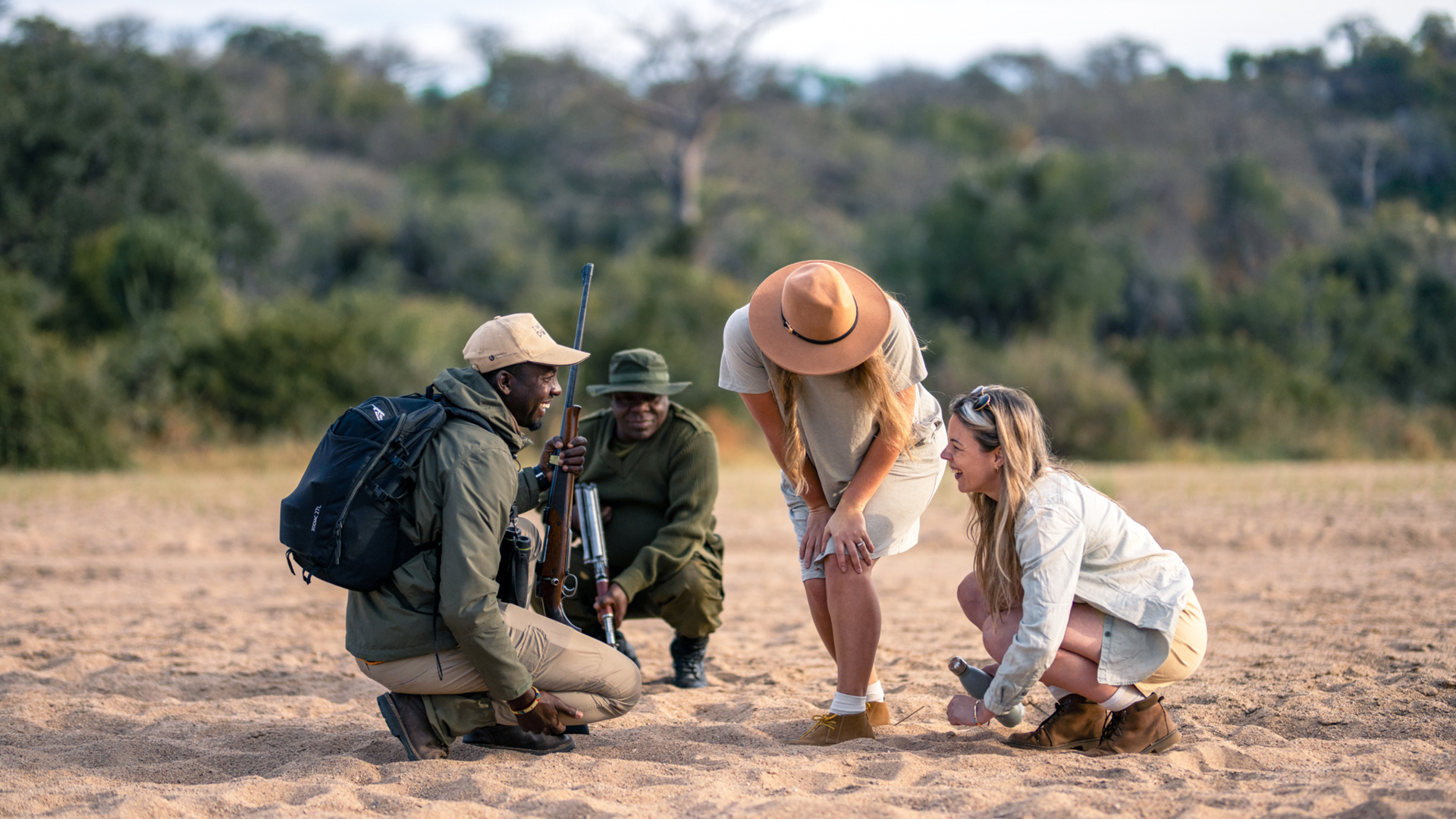
Retirement Safari: Planning a Once-in-a-Lifetime Trip at 70
Turning 70 can be an excellent reason to plan a safari you have dreamed about for years. Retirement often creates the freedom to travel without rushing back to work, fit a holiday around limited annual leave, or squeeze every attraction into a short break. Instead, you can take your time, choose destinations that genuinely interest you, and enjoy the experience at a comfortable pace. For many travellers, a safari in East Africa offers a memorable way to celebrate this stage of life, whether that means watching elephants cross the savannah, seeing mountain gorillas in a forest, following the Great Migration, or spending quiet evenings overlooking an African landscape.
A retirement safari does not need to be physically demanding, and it should not be planned around the assumption that every traveller over 70 has the same abilities. Some people in their seventies enjoy long walks and full days of wildlife viewing. Others prefer shorter drives, comfortable lodges, easy access to facilities, and more time to relax between activities. The best itinerary reflects your interests, fitness, mobility, health requirements, budget, and preferred style of travel.
Uganda, Rwanda, Kenya, and Tanzania each offer experiences suited to different retirement travel goals. You could combine wildlife viewing with cultural visits, spend several days in a private conservancy, take a scenic road journey through the countryside, or arrange a specialist trip focused on photography and birdwatching. With careful planning, you can experience the highlights without turning your holiday into an exhausting schedule.
Why a Safari at 70 Can Be a Special Experience
A retirement safari gives you the opportunity to travel with fewer time pressures. You can spend longer in a destination instead of moving between hotels every night, stay in a lodge because you love its setting rather than because it is the cheapest available option, and arrange activities around your energy levels. You can also allow time for unexpected moments, such as watching a herd of elephants gather at a waterhole or listening to wildlife sounds from your accommodation after sunset.
Wildlife viewing often rewards patience. A lion may rest in the shade for an hour before becoming active. Giraffes may approach a vehicle slowly, while a leopard can remain hidden until a guide notices movement in the trees. Travellers who do not need to rush to the next activity can enjoy these moments without feeling that they are missing something elsewhere.
There is also a personal side to retirement travel. A safari might be a celebration of a long career, a birthday present to yourself, an anniversary trip, or an opportunity to share a memorable journey with a partner, children, grandchildren, or close friends. Some travellers plan their first visit to Africa after decades of postponing it. Others return to discover places they visited when they were younger.
The important thing is to plan a trip that suits the person you are today. You do not need to prove that you can complete the longest itinerary or participate in every available activity. A well-designed safari should give you the freedom to enjoy Africa in a way that feels rewarding and manageable.
Choosing the Right East African Destination
The destination you select will shape the physical demands, travel costs, wildlife experiences, and accommodation options available during your trip. East Africa offers several excellent choices, but each has a different character. Start by identifying the experiences you most want to have, then build the itinerary around them.
Uganda for Diverse Wildlife and Mountain Gorilla Encounters
Uganda is a strong option for travellers who want to combine classic African wildlife with forests, lakes, birdlife, and cultural experiences. Queen Elizabeth National Park offers game drives and boat trips along the Kazinga Channel, where visitors can often see hippos, elephants, buffaloes, crocodiles, and a wide range of birds. Murchison Falls National Park combines savannah wildlife viewing with a Nile boat cruise and the dramatic scenery of the river squeezing through a narrow gorge.
For a more varied journey, you could combine one or two national parks with a stay near Lake Bunyonyi or another scenic destination. This creates opportunities to enjoy the countryside without spending every day on a game drive. Uganda’s landscapes and range of activities make it possible to design a trip that includes both wildlife and periods of rest.
Mountain gorilla trekking in Bwindi Impenetrable National Park is another major attraction. However, it requires careful consideration for anyone with mobility limitations or concerns about stamina. Treks can involve steep slopes, muddy ground, uneven forest trails, and several hours of walking. The duration and difficulty vary because gorillas move freely through the forest. A traveller aged 70 who is reasonably fit may be able to participate, but age alone does not determine suitability. The trek must be assessed realistically, and the applicable minimum age for gorilla trekking is generally 15.
If seeing gorillas is a major retirement dream, discuss the trek honestly with your doctor and the tour operator before paying for permits or making non-refundable arrangements. Ask about the terrain, expected walking conditions, available porter assistance, and what happens if the trek proves too difficult. A porter can help carry a daypack and provide physical assistance where appropriate, but should not be treated as a guarantee that every trail will be manageable.
Travellers who prefer less strenuous activities can still enjoy Uganda’s forests through suitable guided nature walks where available, birdwatching, scenic lodge stays, cultural experiences, and wildlife viewing in more accessible areas. Gorilla trekking is memorable, but it is not the only way to experience the country.
Rwanda for a Shorter, Well-Organised Journey
Rwanda can suit travellers who want a carefully planned safari with a relatively compact itinerary. Kigali provides an international arrival point, while Volcanoes National Park is known for mountain gorilla trekking. Akagera National Park offers savannah wildlife viewing, including opportunities to see elephants, buffaloes, giraffes, zebras, antelope, and other wildlife. Lake Kivu can add a quieter lakeside stay to the journey.
One advantage of Rwanda is that selected itineraries can limit the number of long road transfers. This is particularly useful for travellers who prefer not to spend many consecutive hours in a vehicle. However, distances, road conditions, and the exact locations of accommodation still need to be considered. A journey that appears short on a map may take longer than expected.
Rwanda’s gorilla treks also involve forest walking, steep terrain, and changing weather. Do not assume that a trek will be easy simply because the country is compact or the lodge is close to the park. If gorilla trekking is essential to your trip, plan the rest of the itinerary around the physical demands of that day.
A comfortable Rwanda retirement safari might include several nights in Kigali, time in Akagera for wildlife viewing, and a stay near Volcanoes National Park if trekking is appropriate. Travellers who do not want to trek can focus on wildlife, landscapes, cultural visits, and relaxing accommodation instead.
Kenya for Classic Safari Wildlife
Kenya is an excellent choice for travellers who picture open plains, large herds, lions, elephants, and the familiar landscapes of a traditional African safari. The Maasai Mara is particularly well known for predators and seasonal wildebeest movements. Other destinations, including Amboseli and selected private conservancies, provide different landscapes and wildlife experiences.
For a retirement trip, consider spending several nights in one camp or lodge rather than changing accommodation every day. A longer stay allows you to explore at a relaxed pace and reduces the repeated work of packing, checking out, travelling, and unpacking. You can also ask your guide to organise game drives around your preferred schedule, subject to park rules and operating arrangements.
Private conservancies may offer additional flexibility in how wildlife activities are organised, although the available experiences depend on the property and local regulations. Some camps have vehicles with easier access, while others have steps, uneven paths, or remote locations that can be difficult for travellers with limited mobility. Confirm these details before booking.
Kenya is also a good choice for couples or families who want to combine wildlife viewing with a few days at the coast. A beach extension can provide a slower finish after several days on safari, provided the flight connections and transfers are suitable.
Tanzania for the Serengeti and Ngorongoro
Tanzania is a compelling option for travellers who want expansive landscapes, large wildlife populations, and the possibility of witnessing the Great Migration. The Serengeti offers excellent opportunities to observe predators and plains animals, while the Ngorongoro Conservation Area is known for its dramatic crater scenery and rich wildlife.
The best place to stay in the Serengeti depends partly on the season and the wildlife experience you want. The migration moves throughout the year, so choosing accommodation in a suitable area can reduce unnecessary driving and increase your chances of seeing the herds. The exact timing of animal movements varies, and no responsible operator can guarantee a particular sighting.
A retirement itinerary can include several nights in the Serengeti, a carefully planned visit to Ngorongoro, and time in Arusha before or after the safari. If you prefer fewer long transfers, ask whether domestic flights between selected destinations would make the journey more comfortable. Flights can save road time, but they involve baggage limits, airport transfers, and sometimes small aircraft with boarding arrangements that need to be checked.
Tanzania can also be combined with Zanzibar for travellers who want a beach stay after their wildlife experience. Allow enough time for the transition and avoid scheduling a demanding safari activity immediately before a tight international flight.
Deciding How Long Your Retirement Safari Should Last
The ideal length of a safari depends on your priorities, physical comfort, and travel budget. More days do not automatically mean a better trip, but a schedule that is too short can make the experience tiring. You need enough time to enjoy each destination without spending most of the holiday travelling between them.
A five-day safari can work well if you choose one main wildlife region and limit transfers. It might include a few nights in a national park, several game drives, and a boat trip or cultural visit where available. This is a reasonable option for someone who wants a focused wildlife experience without committing to a long journey.
A seven- to ten-day itinerary provides greater flexibility. You can include two destinations, add a rest day, and allow time to recover after a long international flight. For example, you could explore one of Uganda’s major wildlife parks before moving to a quieter lakeside area, or spend several nights in Kenya’s Maasai Mara followed by a short stay in Nairobi.
A two-week safari can combine multiple landscapes and experiences, but the itinerary should remain selective. Travellers sometimes try to include too many parks because they want to make the most of a once-in-a-lifetime trip. The result can be a tiring sequence of transfers, early departures, and short stays. At 70, or at any age, it is worth considering whether an extra destination adds enough value to justify the travel time.
For many retirees, eight to twelve days offers a useful balance between variety and comfort. This is not a rule. If you enjoy slow travel, have a larger budget, or want to combine a safari with a beach holiday, a longer trip may be preferable. If you have limited stamina or prefer a single wildlife destination, a shorter itinerary can be equally rewarding.
Build the schedule around your priorities rather than filling every available day. A morning game drive followed by lunch and an afternoon rest may be more enjoyable than a full day of activities. You can always add an optional excursion if you feel energetic, but it is harder to recover from a schedule that leaves no room for rest.
Choosing Accommodation That Supports Comfort
Accommodation deserves particular attention when planning a safari at 70. The cheapest room may not be the most suitable, and the most luxurious lodge is not necessarily the most accessible. Focus on practical features as well as atmosphere, location, service, and price.
Ask whether your room is on the ground floor, whether stairs are unavoidable, and how far it is from the dining area. Some safari lodges are built on hillsides or have rooms connected by steep paths. A property may advertise beautiful views while requiring a substantial walk from the room to the restaurant. That arrangement may be fine for some travellers but inconvenient for others.
Bathroom design is another important consideration. If you need a walk-in shower, grab rails, a shower seat, or additional space to move safely, request confirmation of the exact room features. Do not rely on a general statement that a lodge is suitable for older guests. Ask for recent photographs or a clear description of the bathroom and access arrangements.
Bed comfort, reliable hot water, mosquito protection, lighting, and quiet surroundings also matter. A good night’s sleep can make the next day’s wildlife activities far more enjoyable. If you are a light sleeper, ask whether rooms are near communal areas, generators, kitchens, or paths used by staff and other guests.
Lodge location affects the whole experience. Staying close to a park entrance or in a well-positioned camp can reduce travel time before game drives. In large parks, accommodation inside the reserve or in a suitable nearby area may allow you to spend more time viewing wildlife and less time commuting. Compare the property’s location with the activities you plan to undertake.
Remote lodges can be wonderful, but they may have limited medical facilities, unreliable mobile reception, or restricted access to specialist assistance. If you have particular medical or mobility needs, consider how far the property is from a clinic or hospital and what emergency evacuation arrangements are available.
A mid-range lodge with easy access, attentive staff, good food, and a convenient location can be a better choice than a high-end property with difficult paths and many stairs. Comfort should be assessed by how well a property suits your needs, not by its price category alone.
Planning Game Drives Around Your Energy Levels
Game drives are a central part of most safaris, but you do not need to participate in every scheduled outing to have a successful trip. Wildlife activity varies by location and time of day. Early mornings often offer cooler temperatures and good opportunities to see active animals, while afternoon drives can provide different light and viewing conditions.
Early starts can be tiring, particularly after a long flight or a poor night’s sleep. If you enjoy mornings, ask your operator to include several early drives. If you prefer a slower start, choose accommodation and destinations where afternoon viewing is worthwhile and the itinerary does not depend on leaving before sunrise every day.
A private safari vehicle can be especially useful because it allows greater control over departure times, rest stops, and how long you spend at a sighting, subject to park rules. You can ask to return to the lodge when you feel tired instead of remaining out for a full day. The cost is usually higher than joining a shared vehicle, but the added flexibility may be worth it.
Before booking, ask about the vehicle itself. Some safari vehicles have high steps, narrow entry points, or seats that require considerable effort to reach. Confirm whether staff can assist with boarding, whether a stable handhold is available, and whether a step or other suitable aid can be provided. Do not assume that every vehicle has a lift or specialised accessibility equipment.
Bring a light jacket, sun protection, a hat, water, and any personal items you need during a drive. The temperature can change considerably between early morning and midday. If you use medication on a schedule, carry it in your day bag rather than leaving it in luggage stored at the lodge.
Discuss the length of each drive with your operator. A two- or three-hour outing may be ideal for one person, while another may happily spend longer in the park. The key is to arrange a programme that allows you to enjoy wildlife without treating endurance as the main objective.
Should You Include Mountain Gorilla Trekking at 70?
For some travellers, seeing mountain gorillas in Uganda or Rwanda is the main reason for visiting East Africa. Observing a gorilla family in its natural habitat can be an extraordinary experience. However, gorilla trekking is one of the activities that requires the most careful physical planning.
The trek takes place in forest terrain, where paths may be steep, muddy, slippery, or obstructed by vegetation. The gorillas move freely, so the time required to reach them can vary. A trek that is manageable in dry conditions may become much harder after rain. Even travellers who walk regularly should understand that forest trekking is different from walking on a paved trail.
Age itself does not automatically make trekking unsuitable. Fitness, balance, joint mobility, cardiovascular health, the ability to manage uneven ground, and the length of the trek are all relevant. A doctor who understands your health and activity level can help you decide whether the planned exertion is reasonable. This is particularly important if you have a condition that may be affected by strenuous walking, altitude, heat, or limited access to immediate medical assistance.
If you decide to trek, prepare gradually before travelling. Regular walks on varied terrain can help you assess your stamina. If practical, include gentle slopes and uneven paths in your training. Appropriate hiking boots with good grip, a walking pole if you normally use one, and comfortable waterproof clothing can improve your experience.
Consider hiring a porter through the authorised arrangements at the destination. Porters can carry your bag and may offer support on difficult sections, depending on the terrain and what assistance they can safely provide. Tipping porters and guides is also a way to recognise their work, although tipping practices and amounts should be checked locally.
Discuss the trek’s possible duration, the likely terrain, and the available support with your tour operator before confirming your plans. Ask what alternatives exist if you arrive and discover that the conditions are beyond your comfort level. Permit fees, cancellation conditions, and any refund rules should be understood in advance because arrangements may be restrictive.
If trekking is not suitable, you do not need to abandon the safari. You can enjoy game drives, birdwatching, boat trips, scenic accommodation, cultural activities, and other experiences that require less physical exertion. A trip should be memorable because it fits you, not because it includes the most demanding activity available.
Preparing Your Health and Travel Arrangements
Health preparation is an important part of any international safari, especially if you take regular medication or have a condition that needs monitoring. Arrange a medical appointment well before departure and explain the full itinerary, including remote parks, planned walking, domestic flights, and any high-altitude activities. A travel health professional can advise on vaccinations, malaria prevention, and other destination-specific precautions.
Carry enough prescription medication for the entire trip, plus a reasonable reserve in case of delays. Keep medication in its original packaging when possible, and carry it in your hand luggage. Bring a list of generic and brand names, dosage instructions, allergies, and relevant medical information. If a medicine requires refrigeration or special handling, confirm that suitable arrangements are available throughout the journey.
Travel insurance should be reviewed carefully. A standard policy may not cover every safari activity, pre-existing medical condition, emergency evacuation, or the full cost of medical treatment abroad. Ask the insurer to confirm the cover in writing and disclose relevant health information accurately. If gorilla trekking or another strenuous activity is planned, verify that it is covered under the policy.
Medical evacuation cover can be particularly important when travelling to remote parks. Access to a local clinic does not necessarily mean that specialist treatment is available nearby. Find out how emergency assistance operates, which providers are involved, and whether the policy covers transport to an appropriate medical facility.
Plan for the climate as well. East Africa is not uniformly hot, and temperatures vary by altitude, season, and time of day. Highland destinations can be cool, especially in the morning and evening. Carry light layers, a waterproof jacket, comfortable walking shoes, sun protection, and clothing suitable for the activities you intend to undertake.
Hydration, regular meals, and rest are simple but important parts of safari comfort. Long drives, warm weather, and disrupted routines can leave travellers feeling tired. Tell your guide if you need a break, and do not wait until you feel unwell before asking for assistance.
Choosing the Best Time for Your Retirement Safari
The best travel period depends on your destination, wildlife priorities, tolerance for rain, and the type of experience you want. There is no single month that works equally well for every East African safari.
In Kenya and Tanzania, drier periods often make wildlife easier to spot because vegetation is less dense and animals may gather near water sources. The timing of the Great Migration depends on rainfall and grazing conditions, so travellers hoping to see a particular stage of the migration should choose their destination and dates carefully. Wildlife movement remains natural and unpredictable, even during popular viewing periods.
Uganda and Rwanda can be visited throughout the year, although rainfall affects road conditions, forest trekking, and the general experience. Drier periods are often preferred for gorilla trekking because trails may be less muddy, but rain can occur at any time in tropical forests. The wetter months can offer lush scenery and rewarding birdwatching, while some lodges may have different seasonal rates.
For a retirement safari, the weather is only one consideration. Think about how comfortable you are with heat, cold mornings, rain, and long travel days. If you dislike very early starts or want to avoid busy periods, a shoulder-season trip may be attractive. However, lower prices should be weighed against road conditions, seasonal access, and the wildlife experiences you want.
Book well ahead if your dates are fixed, especially for gorilla permits, sought-after camps, or travel during major holiday periods. Advance planning also gives you time to request an appropriate room, arrange assistance, and confirm transport details without making hurried decisions.
Deciding Between a Private Safari and a Group Tour
A private safari is often worth considering for a retirement trip because it offers more control over the pace. You can discuss your preferred wake-up time, decide how long to remain at a wildlife sighting, and return to the lodge if you need to rest. A private guide can also tailor explanations and activities to your interests, whether you enjoy photography, birds, mammals, conservation, or local history.
The main disadvantage is cost. A private vehicle and guide are usually more expensive when the costs are not shared with other travellers. However, a private itinerary may allow you to spend fewer nights moving between destinations or avoid activities that do not interest you. Compare the complete trip cost rather than looking only at the daily rate.
Small-group safaris can offer better value and the pleasure of meeting other travellers. They may be a good choice if you enjoy social experiences and are comfortable following a shared schedule. The trade-off is reduced flexibility. The group may need to leave early, remain out longer, or spend time at activities you would not have selected yourself.
Before joining a group, ask about the maximum group size, vehicle arrangements, departure times, walking requirements, and the policy for guests who want to skip an activity. Confirm whether the itinerary includes long transfers and whether luggage must be handled independently.
For travellers with mobility limitations or specific dietary and medical requirements, a private safari may make planning easier. It is not essential for everyone over 70, but it can be a practical investment when flexibility and assistance are priorities.
Budgeting for a Once-in-a-Lifetime Trip
The cost of a retirement safari depends on the destination, travel season, accommodation level, transport, number of travellers, and activities included. International flights can make up a substantial part of the total budget, particularly for travellers arriving from Europe, North America, or other distant regions.
Accommodation ranges from simple guesthouses and comfortable mid-range lodges to high-end camps with extensive services. Premium properties may include meals, selected drinks, guided activities, and transfers, while other packages charge separately for some of these items. Read the inclusions carefully before comparing quotations.
Transport is another major expense. A road safari may be more economical than flying between destinations, but long journeys can be tiring. Domestic flights can reduce time on the road, although they may increase the cost and impose baggage restrictions. The best choice depends on your budget and the value you place on comfort.
Some activities have separate fees. Gorilla permits, for example, can represent a significant part of the cost of a Uganda or Rwanda itinerary. Park fees, boat trips, private guides, cultural visits, and optional excursions may also affect the final price. Confirm which costs are included and which must be paid locally.
Budget for gratuities, travel insurance, visas where applicable, airport transfers, personal purchases, laundry, drinks, and unexpected expenses. It is sensible to retain a contingency fund rather than spending the entire travel budget on accommodation and activities.
When comparing operators, ask for a written quotation with the itinerary, accommodation names, room category, transport arrangements, included meals, park fees, activity fees, and payment terms. Check the cancellation policy and the consequences of changing dates. A low initial quote may exclude essential costs that appear later.
Retirement does not mean you must choose the most expensive safari. A carefully planned mid-range trip can provide excellent wildlife viewing and attentive service. Spend more where the benefit is meaningful to you, such as a convenient lodge location, private transport, an extra rest night, or a room that meets your accessibility needs.
Travelling With a Partner, Family, or Friends
A retirement safari can be a shared celebration. Travelling with a partner, adult children, grandchildren, or friends may make the experience even more meaningful, but different ages and interests can complicate the itinerary.
Talk about expectations before booking. One person may want to spend hours photographing wildlife, while another may prefer a short drive followed by a quiet afternoon at the lodge. Someone may dream of gorilla trekking, while another may not want to undertake a strenuous walk. These differences are easier to manage when everyone discusses them early.
Choose accommodation with suitable room arrangements and enough space for everyone to rest comfortably. If family members have different energy levels, consider destinations where some activities can be optional. A private vehicle may allow one traveller to return to the lodge while others continue, depending on the location and transport arrangements.
Do not assume that everyone must participate in every activity simply because the trip is a group celebration. Some of the best shared moments happen during meals, scenic stops, and relaxed evenings rather than during the most demanding excursion.
If grandchildren are joining, check age restrictions for trekking, walking activities, and other experiences. Confirm whether the accommodation is appropriate for children and whether the safari schedule gives younger travellers enough rest. A family safari should be planned around the needs of all generations, not only the oldest or youngest member.
Packing for Comfort Rather Than Appearance
Safari packing is easier when you focus on comfort, practical needs, and the climate. You generally do not need a large wardrobe. Neutral-coloured, breathable clothing is useful for game drives, while layers help with cool mornings and evenings. A lightweight waterproof jacket is worth carrying in destinations where rain is possible.
Footwear should match the planned activities. Comfortable trainers may be sufficient for lodge grounds and easy walks, while proper hiking boots may be needed for gorilla trekking or other uneven forest trails. Break in new shoes before departure to reduce the risk of blisters.
Bring a sun hat, sunglasses, sunscreen, insect repellent, and a small day bag. A reusable water bottle can help you maintain regular hydration where safe drinking water is available. Binoculars are useful for observing distant animals without requiring the vehicle to move closer.
If you use a walking stick, hearing aid, glasses, or other personal equipment, pack it where you can reach it easily. Carry spare batteries or charging accessories for essential devices. If you need a particular pillow, support cushion, or mobility aid to sleep comfortably, ask your operator whether it can be accommodated and consider bringing it if practical.
Luggage limits require attention when domestic flights are part of the itinerary. Small aircraft may have strict weight and bag-size restrictions, and some operators require soft-sided luggage. Confirm the rules before packing, especially if you need to carry medical equipment or mobility aids.
Avoid packing so much that handling your luggage becomes difficult. Ask in advance whether staff assistance is available at airports, lodges, and camps, and whether any fees apply. Having a clear plan for luggage transfers can make the journey considerably more comfortable.
Making the International Journey Easier
For travellers flying long distances, the safari begins before landing in Africa. A tiring international journey can affect the first few days, so avoid scheduling a demanding activity immediately after arrival.
Where possible, choose flight connections that allow adequate time between flights and reduce unnecessary overnight transfers. Airport assistance can be requested through the airline when needed. If you have difficulty walking long distances, using airport assistance may preserve your energy for the holiday itself.
Consider spending the first night near the arrival airport or in a convenient city hotel. This gives you time to recover, collect any missing items, and begin the safari after a proper night’s rest. The same approach can be useful before an international departure at the end of the trip.
Jet lag, dehydration, and prolonged sitting can affect how you feel during the first few days. Follow appropriate medical advice for your personal circumstances, move around during the flight when safe, and drink water regularly. If you have a health condition that could be affected by flying, discuss the journey with your clinician beforehand.
When booking flights, consider the timing of the return journey as carefully as the arrival. A long drive from a remote park followed by an international flight on the same day can create unnecessary pressure. An overnight stay near the departure airport may cost more, but it provides a useful buffer against road delays and allows time to rest.
What to Ask Your Safari Operator Before Paying
A reliable safari operator should be willing to discuss practical details rather than simply selling attractive destinations. Explain that you are planning a retirement trip and describe any requirements relating to walking, stairs, room access, food, medication, or rest periods. You do not need to share more personal medical information than necessary, but the operator must understand the arrangements required to deliver a suitable experience.
Ask how long each transfer is expected to take, whether the journey includes rough roads, and how frequently you can stop. Request the names of proposed lodges and confirm their accessibility features directly. If a private vehicle is included, ask about its seating, entry steps, and the assistance available when boarding.
Clarify which activities involve walking, how long they may last, and whether participation is optional. If trekking is planned, discuss the conditions that may affect it and what alternatives are available if you decide not to continue. Confirm the applicable rules and cancellation terms before paying any activity fees.
The quotation should state the accommodation, room type, transport, meals, park fees, permits, guide services, and any other inclusions. Ask for the payment schedule, deposit requirements, final balance deadline, cancellation charges, and arrangements if a flight is delayed or a road becomes impassable.
A professional operator should not guarantee wildlife sightings or promise that a strenuous activity will be easy. Good planning involves explaining likely conditions, acknowledging uncertainty, and preparing alternatives. If an answer seems vague, ask for clarification before committing your money.
Building Rest Days Into the Itinerary
Rest days are not wasted days. They provide time to enjoy the accommodation, read, watch birds, take photographs, or appreciate the landscape without travelling. They also give you flexibility if you are tired after an international flight or a long transfer.
A rest day does not have to mean remaining indoors. You might have breakfast with a view, take a short guided walk if suitable, enjoy a cultural visit with limited walking, or spend the afternoon beside a lake. The key is that the activity should be optional and easy to shorten if needed.
After a particularly demanding experience, avoid scheduling another strenuous activity early the following morning. This is especially relevant after gorilla trekking, a long road transfer, or a full day of wildlife viewing. A slower day allows you to recover and enjoy the next destination with greater energy.
It can be helpful to plan one or two flexible days during a longer trip. These can absorb minor delays, accommodate changing weather, or simply provide time to enjoy a place you love. A good itinerary should have enough structure to make the arrangements reliable without making every hour compulsory.
Creating a Safari That Reflects Your Own Dreams
A once-in-a-lifetime safari should reflect what you want from the experience. Some travellers dream of seeing the Big Five, while others care more about elephants, birds, landscapes, photography, conservation, or local culture. You may want to watch the Great Migration from a comfortable camp, see mountain gorillas in the forest, cruise along the Nile, or spend several quiet days in a beautiful lodge.
Write down the experiences that matter most to you before selecting destinations. Decide which activities are essential and which would be pleasant additions. Then ask a knowledgeable operator to build a realistic itinerary around those priorities, allowing enough time for rest, transfers, and unexpected changes.
Be honest about your comfort level. If you dislike rough roads, choose destinations and transport arrangements that reduce long journeys. If stairs are difficult, prioritise suitable accommodation. If you love wildlife but do not enjoy early mornings, choose a safari where the schedule can be adjusted. These are not limitations to hide; they are planning details that help make the holiday better.
At 70, you may have more freedom to choose the trip you genuinely want rather than the one that fits a limited holiday allowance. You can stay longer in a favourite place, invest in a good guide, travel outside the busiest periods, or include time with family. You can also decide that one unforgettable wildlife experience is more valuable than visiting five destinations in a hurry.
East Africa offers extraordinary variety, but the best safari is not necessarily the longest, most expensive, or most physically demanding. It is the one that balances wildlife, comfort, personal interests, and sensible preparation. With realistic expectations and thoughtful arrangements, retirement can be an excellent time to experience Africa at your own pace.
Total word count: approximately 3,900 words.


No comment