
Vagrants of East Africa: Birds That Shouldn’t Be There
East Africa is already one of the richest places for birdwatching in the world. Uganda, Kenya, Tanzania, Rwanda and nearby countries provide a variety of habitats.
From highland forests and papyrus wetlands to savannas, coastal mudflats, lakes and mountain valleys the region shelters thousands of resident and migratory birds.
Yet every now and then something unexpected shows up. A bird appears outside the area where it is usually found leaving observers puzzled about how it got there and whether it will be seen again.
These unexpected visitors are called vagrants. They can turn a morning in the field into a memorable event because their arrival is unpredictable.
You may spend hours searching for species around a wetland and suddenly meet a bird linked to another continent or a far migration route. That feeling of surprise is one reason Rare Vagrants of East Africa: Birds That Shouldn’t Be There is a topic for anyone who loves the regions birdlife.
What Makes a Bird a Vagrant?
A vagrant is a bird recorded outside its geographical range often far from places where its species normally occurs.
Vagrancy can happen for reasons. Strong winds may push a bird away from its migration route. Storms can carry birds hundreds or even thousands of kilometres off course. Young birds may make mistakes while changes in weather, food availability or habitat conditions can also affect movements.
It is important to separate vagrants from migrants. East Africa receives numbers of migratory birds every year especially during the northern hemisphere winter. European and Asian species can be normal visitors to wetlands, grasslands, woodlands and coastal areas. A bird becomes especially interesting when it appears outside the species expected range.
This makes identification especially important. A rare bird should be studied carefully before it is accepted as a record. Plumage, structure, behaviour, habitat, calls, photographs and comparison with species can all help confirm the identification.
Why Vagrants Create Excitement
The appeal of a vagrant lies in its uncertainty. You cannot plan a trip around a bird that may appear for only a few hours or days. Unlike well-known East African species a vagrant does not follow a dependable seasonal pattern.
That unpredictability creates a kind of excitement. A quiet lake shore can suddenly become the centre of attention because an unusual wader appears among hundreds of birds. A coastal marsh may hold a species normally linked to another migration system. A field near a city can produce a record that draws attention from observers, across the region.
For someone learning about birds these moments also show a lesson: knowing what is common makes it easier to recognise what is unusual.
East Africa sits in a geographical position. Millions of birds move between Europe, Asia, the Middle East and Africa while others follow routes along the Red Sea, Indian Ocean and African coastline. Kenya, Uganda, Tanzania and neighbouring countries therefore receive a mixture of species, long-distance migrants, passage migrants and occasional wanderers.
Coastal Kenya and Tanzania are particularly interesting because birds moving along the Indian Ocean can potentially appear far from their expected destinations. Inland wetlands provide another opportunity for records especially when weather systems alter normal migration patterns.
Uganda is equally fascinating because its location connects ecological zones. The countrys wetlands, lakes, forests and savannas attract a variety of species. A bird that has travelled beyond its route can find suitable feeding or resting habitat in places such as the Lake Victoria basin, the Nile system or extensive papyrus wetlands.
This geographical variety helps explain why Rare Vagrants of East Africa: Birds That Shouldn’t Be There continues to capture the imagination of people who spend time watching birds across the region.
The Types of Birds That Turn Up Unexpectedly
Vagrants are not limited to one group. Waders are especially interesting because many species undertake long-distance migrations and can become displaced by weather. Occasionally birds associated with Europe, Asia or the Americas have been recorded outside their usual ranges in African wetlands.
Species such as the American Golden Plover and Lesser Yellowlegs have attracted attention when recorded in Africa because their normal distribution lies outside the continent. Records of birds require careful examination particularly because some closely related species can look remarkably similar.
Small passerines can also become visitors. A northern wheatear for example may be a migrant in parts of Africa while an individual appearing in an unusual season, location or habitat can raise questions about its origin. Other northern species may occasionally wander beyond their normal routes.
Seabirds provide another category. Storms and strong winds can move species toward unfamiliar coastlines. Finding an ocean-going bird from the conditions where it normally feeds can be one of the most surprising experiences in coastal East African birding.
How Weather Can Change a Birds Journey
Weather is one of the important factors, behind vagrancy. Birds preparing for migration depend heavily on wind direction, visibility, temperature and atmospheric conditions. A powerful storm can disrupt a journey that would otherwise follow a route.
Once displaced a bird may continue flying until it reaches land or suitable habitat. Bird may then stop to feed and recover. If observers happen to be present the unusual visitor can be documented.
This is why unusual weather sometimes leads to increased reports of birds. After storms bird watchers may pay closer attention to coastlines, wetlands, open fields and sheltered areas because exhausted or displaced birds can appear in unexpected places.
The story becomes more interesting when a vagrant survives long enough to settle temporarily. Vagrant may feed alongside species remain for several days and give observers a rare opportunity to study its behaviour.
Finding a Vagrant in the Field
Looking for a bird requires patience and careful watching. You should start by learning the birds of the place you are visiting. If you know what normally happens there an odd bird is much easier to spot.
Watch groups of birds, shorebirds, edges of lakes, muddy areas and places where birds come to eat. Vagrants often join birds for a short time because they are looking for food and safe places to stay.
Good notes in the field are important. Write down the date, place, type of area what the bird was doing how big it was, what it looked like the colors and other things that help to tell it. If you have a camera or binoculars take pictures. Look closely without disturbing the bird. Clear notes can help others who know more to check a find.
Most important of all do not rush to say something is rare. A common bird seen from an angle can sometimes look very different. Taking time to compare is very important.
Why Local Knowledge Matters
Local knowledge can help a lot when looking for birds. People who go to a wetland, forest, lake or grassland often know the birds that live there all year round.
They also see changes. A person who knows a place well might realize that a certain bird does not belong with the ones while someone who is there for the first time might miss it completely.
This is one reason birding groups and local guides are so important in keeping track of the birds in East Africa. Their repeated observations make it easier to know what is normal and what is different.
For people who are visiting going with someone who knows the local birds can make an ordinary trip more interesting. You learn where to look what sounds to listen for and how to tell rarities from birds that are just different in some way.
What Vagrants Can Teach Us About Birds
Every unusual sighting has a story. It can show how far a bird can fly, how weather changes migration or how flexible a bird can be when it is in a place.
Vagrant sightings can also help science. When people take notes the information becomes part of the bigger picture of where birds live. Over years these sightings can help scientists understand how migration changes and what causes birds to be where they are.
Changes in the weather and the environment might also change how birds move. As weather places to live and food change unusual sightings could become more important for understanding how birds deal with conditions.
In this way Rare Vagrants of East Africa: Birds That Shouldn’t Be There is more than about strange birds. It is about moving, living finding the way and the amazing skill of birds to travel long distances.
The Thrill of the Unexpected
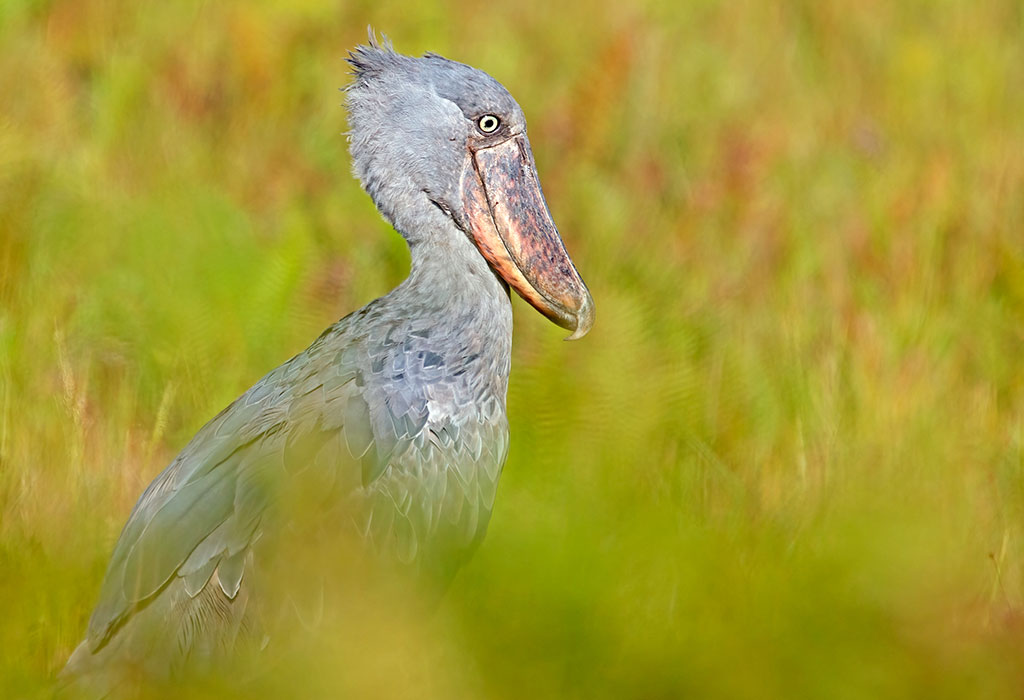
East Africa has chances to see beautiful birds without looking for anything rare. You can watch a fish eagle catching fish over a lake find sunbirds in the mountains listen to hornbills calling through the trees or see a shoebill standing still in a wet area with reeds.
The chance of something surprising adds something new to every trip. You never know when an odd bird in a group might be worth a look.
The time you go to a wetland, forest, grassland or beach in East Africa take your time. Look at the birds around you. Listen carefully. Check any colors or actions. A rare bird might be, with the birds you already know.
For anyone who loves birds Rare Vagrants of East Africa: Birds That Shouldn’t Be There reminds us that nature does not always go the way we expect. Sometimes the best discovery is the bird that comes where no one thought it would stays for a while and leaves behind a story that is worth remembering.





No comment