
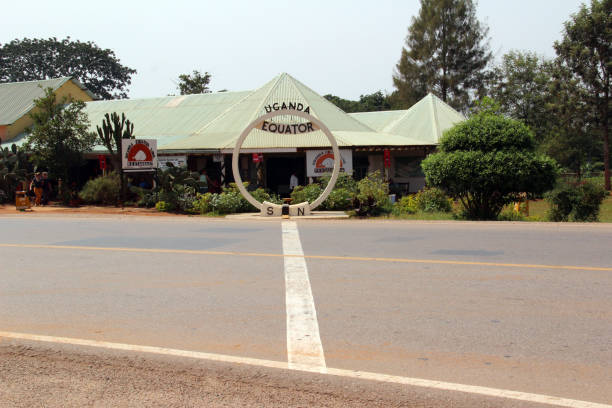
Standing on the Equator in Uganda
Standing on the Equator in Uganda: Where to Stop on the Way West
Standing on the Equator in Uganda is one of the most memorable roadside experiences for travellers heading towards the country’s western safari destinations. Uganda is among the African countries crossed by the Equator, an imaginary line dividing Earth into the Northern and Southern Hemispheres. Along popular safari routes, visitors can stop at designated monuments, take photographs and learn about the geography of our planet.
The best-known Equator monument is located at Kayabwe along the Kampala–Masaka highway. Another important crossing point is Kikorongo, near Queen Elizabeth National Park in western Uganda. Both locations offer interesting opportunities to experience this geographical landmark during a journey.
Whether travelling towards Lake Mburo, Bwindi Impenetrable National Park, Lake Bunyonyi or Queen Elizabeth National Park, an Equator stop adds an educational and cultural experience to a Uganda safari.
Where Is the Equator in Uganda?
The Equator passes through central and western Uganda at zero degrees latitude.
It divides Earth into two hemispheres and forms an important reference line for global navigation and geographical measurements.
Visitors can stand at marked crossing points and photograph themselves with one foot on either side of the line.
However, the Equator itself is not physically visible. The monuments and painted markings identify its surveyed position.
Quick Facts About Uganda’s Equator
| Feature | Description |
|---|---|
| Country | Uganda |
| Latitude | 0° |
| Main roadside monument | Kayabwe |
| Another important monument | Kikorongo |
| Kayabwe location | Kampala–Masaka highway |
| Kikorongo location | Near Queen Elizabeth National Park |
| Main activities | Photography, crafts and geographical learning |
| Suggested stopping time | 20–45 minutes |
| Best visiting period | Throughout the year |
1. Kayabwe: Uganda’s Famous Equator Crossing
Kayabwe is the most popular Equator stop for travellers driving southwest from Kampala.
The monument is approximately 70–80 kilometres from Kampala, depending on the starting point and distance measurement.
It stands beside the main highway connecting Kampala with Masaka and destinations farther west.
The site features prominent circular monuments marking the Equator.
Visitors can stand between the markers and take photographs showing their position across the two hemispheres.
Why Kayabwe Is Popular
Kayabwe provides a convenient break during long journeys.
The surrounding area contains craft shops, refreshment facilities and local businesses serving passing travellers.
Safari guides commonly include the stop when transferring guests towards Lake Mburo National Park, Mbarara or Bwindi.
The experience is particularly enjoyable for first-time visitors interested in Uganda’s geography.
2. What Can You Do at Kayabwe?
Although the Equator stop is relatively small, several activities make it worthwhile.
Take Photographs Across Two Hemispheres
The most popular activity is standing at the marked Equator line.
Visitors often pose with one foot in the Northern Hemisphere and the other in the Southern Hemisphere.
The circular monument provides an instantly recognisable background.
Groups can also arrange creative photographs showing different people standing on opposite sides.
Explore Local Craft Shops
Kayabwe has several shops selling souvenirs and handmade products.
Visitors may find baskets, wooden carvings, jewellery, fabrics and decorative items.
Purchasing suitable locally made products can support Ugandan artisans and businesses.
Enjoy Refreshments
The stop also provides opportunities for coffee, drinks or a short meal.
Facilities and opening hours vary, so travellers should confirm arrangements with their driver.
3. The Famous Equator Water Experiment
One of the most frequently demonstrated activities at Kayabwe involves water draining from a small container.
A demonstrator may show water rotating in different directions on opposite sides of the Equator.
The activity is often explained using the Coriolis effect.
Is the Demonstration Scientifically Accurate?
The Coriolis effect is real and influences large-scale movements such as atmospheric circulation.
However, the difference in Coriolis force over a few metres is far too small to reliably determine how water drains from a small bowl.
Water movement in these demonstrations is mainly affected by the container, pouring technique and existing rotation.
Visitors can enjoy the demonstration as an entertaining activity, but it should not be considered scientific proof that water drains in opposite directions immediately north and south of the Equator.
4. Kikorongo Equator Monument Near Queen Elizabeth
Kikorongo is another important Equator crossing point in Uganda.
Located in Kasese District, the monument stands along the Mbarara–Kasese road near Queen Elizabeth National Park.
It offers a convenient stop for travellers heading towards Kasese, the Rwenzori Mountains or northern sections of Queen Elizabeth National Park.
Why Stop at Kikorongo?
The site combines geographical interest with attractive western Uganda scenery.
Visitors can photograph the Equator monument and appreciate the surrounding Rift Valley landscape.
The location is also suitable for a short break during a transfer between safari destinations.
In July 2026, Uganda’s Ministry of Tourism announced the start of a tourism infrastructure development project at Kikorongo, including plans for improved visitor facilities and educational attractions.
Travellers should check which facilities are operational when visiting, as development is being implemented in phases.
5. Kayabwe and Kikorongo Compared
Both Equator stops provide enjoyable experiences, but their locations suit different journeys.
| Feature | Kayabwe | Kikorongo |
|---|---|---|
| Region | Central Uganda | Western Uganda |
| Main road | Kampala–Masaka | Mbarara–Kasese |
| Popular with | Travellers heading southwest | Queen Elizabeth and Kasese visitors |
| Main attraction | Equator monuments and craft shops | Equator monument and scenery |
| Typical stop | 20–45 minutes | 15–30 minutes |
| Nearby destinations | Lake Mburo and Masaka | Queen Elizabeth and Rwenzori |
| Best reason to visit | Convenient safari road break | Geographic landmark near the park |
The most suitable stop depends on your actual travel route.
6. Stopping at the Equator on the Way to Lake Mburo
Lake Mburo National Park is one of the closest savannah national parks to Kampala.
Travellers heading there commonly use the Kampala–Masaka road before continuing towards the Mbarara region.
Kayabwe is therefore a convenient stop along the way.
Suggested Journey
Leave Kampala in the morning.
Travel southwest towards Kayabwe and stop for photographs.
Continue through Masaka towards Lake Mburo.
Arrive at your accommodation or proceed with scheduled park activities.
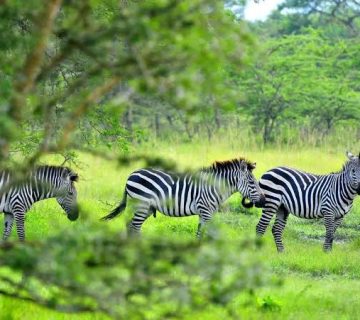
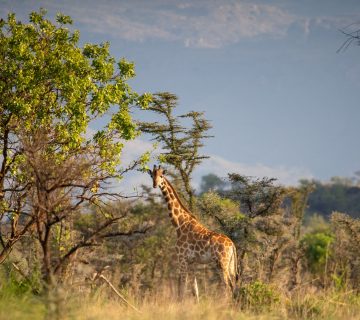
Lake Mburo is known for zebras, impalas, buffaloes, giraffes and numerous bird species.
An Equator visit adds variety to the journey without requiring a major diversion.
7. Visiting the Equator on the Way to Bwindi
Bwindi Impenetrable National Park is among Uganda’s most important wildlife destinations.
It is internationally recognised for mountain gorilla trekking.
Travellers driving from Kampala or Entebbe towards Bwindi often follow the southwestern road network through Masaka and Mbarara.
Kayabwe provides a natural stopping point.
Why the Stop Is Useful
The drive towards Bwindi can take much of the day.
A short break at Kayabwe allows passengers to stretch their legs and enjoy refreshments.
It also provides a pleasant photography opportunity before continuing towards Uganda’s southwestern highlands.
However, travellers should keep the stop reasonably short when following a long transfer itinerary.
8. The Equator on Queen Elizabeth Safari Routes
Travellers visiting Queen Elizabeth National Park may encounter either Equator monument, depending on their route.
Those travelling from Kampala through Masaka can visit Kayabwe.
Visitors heading towards Kasese through the park’s northern road network may pass Kikorongo.
Combining the Stop With Wildlife Activities
A Queen Elizabeth safari may include game drives, a Kazinga Channel boat trip and visits to nearby crater lake landscapes.
Kikorongo can be included during a suitable road transfer.
Visitors should remember that national park activities require separate arrangements and applicable entry fees.
9. Why the Equator Matters Geographically
The Equator is the longest line of latitude around Earth.
It is located halfway between the North and South Poles.
Its approximate circumference is 40,075 kilometres.
The Equator provides an important reference point for measuring locations north and south of zero degrees latitude.
Daylight at the Equator
Places close to the Equator experience relatively consistent day and night lengths throughout the year.
Daylight remains close to twelve hours during different seasons.
However, this does not mean that sunrise and sunset occur at exactly the same times every day.
Local weather, Earth’s axial tilt and atmospheric conditions influence the appearance of daylight.
10. Does the Equator Make Uganda Hot All Year?
Uganda lies within the tropics, but temperatures vary considerably across the country.
Altitude is especially important.
Highland areas around Kabale, Kisoro and the Rwenzori Mountains can be relatively cool.
Lower-lying areas may experience warmer conditions.
Rainfall patterns also influence seasonal temperatures.
Therefore, being located on the Equator does not mean that every part of Uganda experiences identical weather.
11. Best Time to Visit Uganda’s Equator
Both Kayabwe and Kikorongo can be visited throughout the year.
The experience is mainly a roadside attraction, so it does not require a particular wildlife season.
However, relatively dry weather is convenient for outdoor photographs and exploring nearby shops.
June to August and December to February are often practical periods for travelling through western Uganda.
Rain can occur throughout the year.
Morning visits may provide more comfortable temperatures and help travellers maintain their safari schedule.
12. What Should You Bring?
An Equator stop requires little preparation.
A camera or smartphone is useful for photographs.
Visitors should also carry drinking water, sunscreen and a hat.
Comfortable footwear is recommended, particularly when travelling on long safari routes.
Ugandan shillings may be helpful for purchasing refreshments, souvenirs or optional demonstrations.
Always keep valuables secure when stopping at busy roadside attractions.
13. How Much Does an Equator Visit Cost?
Standing beside the public Equator monument and taking ordinary photographs generally does not require an entrance ticket.
However, visitors may pay for optional experiences, souvenirs, refreshments or demonstrations.
Prices depend on the service and individual business.
Travellers should confirm charges before participating in optional activities.
Safari packages may include an Equator stop as part of an existing transfer without charging a separate guiding fee.
14. Photography Tips for the Equator
The circular monuments create an attractive background for memorable travel photographs.
Try standing directly across the painted line to show both hemispheres.
For group photographs, position people on opposite sides of the marker.
Morning or late-afternoon light can produce softer shadows.
However, road safety must always come first.
Avoid stepping into active traffic lanes to obtain a photograph.
Follow the instructions of your guide and use safe pedestrian areas.
15. Supporting Local Communities Through Your Visit
Equator stopovers provide business opportunities for nearby communities.
Craft sellers, restaurant operators, guides and other service providers benefit from tourism activity.
Purchasing locally produced souvenirs can support small businesses.
Visitors should treat vendors respectfully and negotiate prices courteously where appropriate.
Responsible tourism also involves proper waste disposal and consideration for other travellers.
Why Uganda’s Equator Is Worth Visiting
Standing on the Equator in Uganda is a simple but memorable travel experience.
Kayabwe offers the country’s best-known roadside monument, making it particularly convenient for journeys towards Lake Mburo, Masaka and Bwindi.
Kikorongo provides another interesting stop near Queen Elizabeth National Park and the Rwenzori region.
Both locations allow travellers to experience a geographical landmark while learning about Earth’s hemispheres.
Although the visit may last less than an hour, it adds educational interest to a longer safari journey.
For anyone travelling west or southwest through Uganda, the Equator is a worthwhile stop that combines photography, geography, local culture and a pleasant break from the road.

No comment