
Ndali-Kasenda Crater Lakes: Hiking, Swimming and Where to Stay
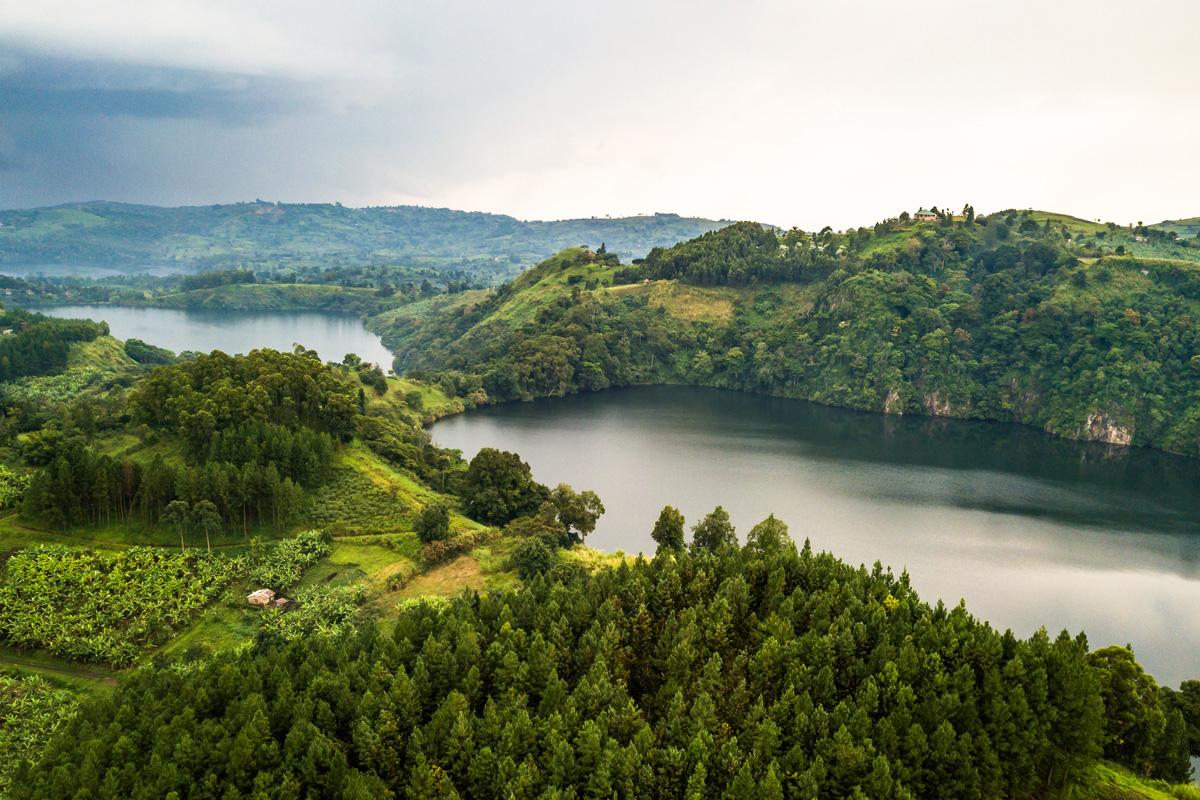
The Ndali-Kasenda Crater Lakes are among the most beautiful natural attractions in western Uganda. Located south of Fort Portal in the Kabarole District, this remarkable landscape contains dozens of volcanic craters filled with water and surrounded by green hills, farmland, forest patches and tea plantations. The lakes create a striking setting that attracts nature lovers, hikers, photographers and travellers looking for a quieter experience away from busy towns and traditional wildlife destinations.
The crater lakes are part of the wider volcanic landscape of the Albertine Rift. Their steep sides, different water colours and elevated viewpoints give the region a distinctive appearance. Some lakes are surrounded by thick vegetation, while others sit between cultivated hills and small rural settlements. On clear days, visitors can also enjoy views towards the Rwenzori Mountains, often called the Mountains of the Moon.
Exploring Ndali-Kasenda is not limited to viewing the lakes from a vehicle. Visitors can hike between neighbouring craters, cycle along rural roads, visit local farms, watch birds, enjoy community experiences and relax at lodges overlooking the water. Swimming is possible at selected locations, but it requires care because not every crater lake is suitable for bathing.
The area is also conveniently located near Kibale National Park, making it an excellent addition to a chimpanzee trekking itinerary. Travellers can spend the morning exploring the forest and dedicate the afternoon to crater lake walks, or stay for several nights to experience the landscape at a slower pace.
Where are the Ndali-Kasenda Crater Lakes?
The Ndali-Kasenda Crater Lakes are located in western Uganda, approximately 25 to 30 kilometres south of Fort Portal, depending on the particular lake or accommodation being visited. The area lies between Fort Portal and Kibale National Park, making it accessible to travellers exploring the region.
The crater lake landscape extends across a rural area of rolling hills, small farms, villages and forested sections. Several lakes are found close to one another, allowing visitors to explore multiple viewpoints during a single excursion.
The journey from Fort Portal generally takes around 30 to 45 minutes to reach parts of the crater lake area, although the time varies according to the destination and road conditions. Travellers coming from Kibale can also access several lakes through the local road network.
There is no single national park entrance for the entire crater lake region. The lakes are located on different sections of community, private and agricultural land. Access arrangements, local guiding services and small visitor charges may therefore differ from one location to another.
How were the crater lakes formed?
The Ndali-Kasenda Crater Lakes were formed through ancient volcanic activity. Explosive eruptions created depressions in the ground, some of which later filled with rainwater and groundwater to become lakes.
These formations are known as explosion craters. Unlike the large volcanic mountains that develop through repeated lava flows, explosion craters can form when rising magma interacts with groundwater and produces powerful eruptions.
Over thousands of years, vegetation developed around many of the depressions, while the surrounding fertile soils supported farming and settlement. Today, the crater lakes form an important part of the region’s natural scenery and local economy.
The lakes vary in size, depth, colour and surrounding vegetation. Some have steep, forested sides, while others are bordered by cultivated slopes and open grassland. Their appearance also changes with the weather, water conditions and sunlight.
The most interesting crater lakes to visit
Although the region contains many craters, certain lakes are particularly popular because of their scenery, accessibility and accommodation options.
Lake Nyinambuga
Lake Nyinambuga is one of the most recognised lakes in the Ndali-Kasenda region. It is famous for appearing on Uganda’s twenty-thousand-shilling banknote, making it an interesting destination for both local and international visitors.
The lake is surrounded by green hills and offers attractive views from the elevated ridges nearby. One of the best-known viewpoints is associated with Ndali Lodge, which overlooks the crater from a scenic position.
The lake is especially appealing to photographers because of its shape, surrounding vegetation and changing water colours. Early morning can provide beautiful views when the surrounding hills are covered in mist and the air is clear.
Visitors can combine a stop at Lake Nyinambuga with a walk through the surrounding countryside or a longer crater lake excursion.
Lake Nkuruba
Lake Nkuruba is known for its forested surroundings and community-based tourism activities. The crater has a natural setting with vegetation covering much of its slopes, creating habitat for different bird species and primates.
Black-and-white colobus monkeys and vervet monkeys are among the animals visitors may encounter around the forest. The area is also suitable for guided nature walks, birdwatching and photography.
Lake Nkuruba Nature Reserve provides a community-oriented experience, with accommodation and guiding opportunities that allow visitors to explore the surrounding environment.
The crater is particularly interesting for travellers who want to combine nature walks with cultural interaction and a quieter accommodation experience.
Lake Nyabikere
Lake Nyabikere is another attractive crater lake in the region. Its name is commonly associated with frogs, and the sounds of amphibians can be heard around the lake, particularly during suitable weather conditions.
The lake is surrounded by green vegetation and rural settlements, making it a pleasant location for nature observation and relaxation. Its surroundings also provide opportunities for birdwatching and photography.
Accommodation options near the lake allow visitors to enjoy views of the water without travelling far from their rooms. The area can also be included in a wider crater lake circuit.
Lake Kifuruka
Lake Kifuruka is known for its distinctive appearance and unusual water conditions. Its colour and surrounding landscape make it an interesting stop for visitors exploring the crater lake region.
However, it is important to distinguish between lakes that are suitable for swimming and those that should only be admired from the surrounding viewpoints. Lake Kifuruka has been associated with unusual mineral and acidic water conditions, so visitors should not enter it without reliable confirmation from knowledgeable local authorities.
The surrounding area offers attractive scenery and opportunities for photography. Visitors can enjoy the landscape without entering the water.
Lake Lyantonde
Lake Lyantonde is another crater lake worth including in an exploration of the region. Its surroundings are characterised by green hills and rural landscapes, providing a peaceful setting for visitors.
The lake can be viewed as part of a wider excursion through the crater lake countryside. Nearby accommodation, including Papaya Lake Lodge, provides a comfortable base for travellers interested in exploring the surrounding attractions.
Hiking around the Ndali-Kasenda Crater Lakes
Hiking is one of the best ways to explore the Ndali-Kasenda Crater Lakes. Rather than driving between every viewpoint, visitors can follow local paths that connect neighbouring lakes, farms, villages and elevated ridges.
The walking experience is different from hiking in a national park because many routes pass through working agricultural land and community areas. Visitors may walk beside banana gardens, coffee plantations, tea fields and small homesteads while enjoying views of the crater lakes.
Some trails follow the edges of the craters, while others descend towards the surrounding farmland before climbing towards another viewpoint. The terrain varies, with relatively gentle sections and steeper paths depending on the route.
A guided walk is recommended because many of the trails are informal rather than clearly marked tourist routes. Local guides can help visitors navigate between lakes, identify suitable viewpoints and explain the history of the landscape.
A shorter walk can cover a few neighbouring lakes in several hours. Travellers who want a more extensive experience can arrange a full-day excursion with additional stops at viewpoints, farms and natural attractions.
What to expect during a crater lake hike
A typical crater lake hike combines scenic views with everyday rural life. The experience begins with a walk through the countryside, where visitors can observe how local communities use the fertile land surrounding the craters.
Depending on the route, you may pass banana plantations, coffee gardens, small farms and tea-growing areas. These agricultural activities form an important part of the local economy.
As the walk continues, the landscape changes between open ridges, shaded paths and crater viewpoints. Some locations offer views of several lakes from one position, allowing visitors to appreciate how closely the volcanic formations are distributed.
The trails can become slippery after rainfall, particularly where paths descend towards the crater floors. Comfortable walking shoes with good grip are therefore important.
Visitors should also carry drinking water, sun protection and light rainwear. The weather in western Uganda can change quickly, even during the drier months.
The Top of the World viewpoint
The Top of the World viewpoint is one of the popular experiences associated with the Fort Portal crater lake landscape. It provides broad views across the surrounding countryside, including crater lakes, green hills and agricultural land.
The viewpoint is attractive to photographers and travellers who want to appreciate the scale of the volcanic landscape. On clear days, the distant Rwenzori Mountains may also be visible.
The experience can be included in a guided crater lake excursion, depending on the route and access arrangements. Visitors should confirm the current access conditions with their guide or accommodation provider before travelling.
The viewpoint is particularly rewarding during the morning when visibility is often better and the light is suitable for landscape photography.
Cycling between the crater lakes
Cycling is another way to explore the Ndali-Kasenda countryside. The rural roads and tracks connect several lakes, villages and agricultural areas, making the region suitable for guided cycling excursions.
A bicycle allows visitors to cover more distance than they would on foot while still enjoying close contact with the surrounding environment. The routes pass through rolling countryside, where cyclists can stop at viewpoints and interact with local communities.
The terrain is not entirely flat. Some sections involve steep climbs and descents, so a reasonable level of fitness is useful. Road surfaces also vary, and conditions can become difficult after heavy rainfall.
Travellers interested in cycling should arrange suitable bicycles and local guidance before starting. A guide can help select a route that matches the group’s fitness and available time.
Can you swim in the Ndali-Kasenda Crater Lakes?
Swimming is possible in selected crater lakes, but visitors should never assume that every lake is safe for bathing. The lakes differ in their mineral composition, water quality, depth and surrounding conditions.
Some locations have established swimming access through accommodation facilities or local campsites. Others may contain water with unusual chemical properties or conditions that make swimming unsuitable.
Bilharzia is another concern that travellers should consider when entering freshwater bodies in Uganda. The risk varies according to the lake and local environmental conditions. A lake that looks clear is not automatically free from infection risks.
Before swimming, ask the lodge management or a knowledgeable local guide about the specific lake and the current safety advice. Do not rely on general claims that all crater lakes are safe or that all are free from bilharzia.
It is also important to consider the steep crater sides. Some lakes become deep very close to the shore, and not every access point is suitable for inexperienced swimmers. Use only established entry points and avoid swimming alone.
Travellers who are uncertain about water safety can still enjoy the lakes through photography, guided walks and scenic viewpoints.
Other activities around the crater lakes
The Ndali-Kasenda region offers several activities beyond hiking and swimming. These experiences provide a broader understanding of the natural environment and the communities living around the lakes.
Birdwatching is particularly rewarding because the combination of water, farmland, forest patches and gardens supports different bird habitats. Visitors may encounter kingfishers, weavers, sunbirds, herons and other species depending on the location and season.
Nature walks around Lake Nkuruba can provide opportunities to observe monkeys and learn about the vegetation surrounding the crater. Local guides can also explain the relationship between the forest and the wildlife that depends on it.
Farm visits offer another interesting experience. Visitors can learn about coffee growing, banana cultivation and other agricultural activities that support households in the area.
Some accommodation providers and community groups can help arrange canoeing or other lake-based activities where conditions and facilities permit. Availability varies between lakes, so visitors should confirm what is currently offered before including these activities in their plans.
Where to stay around the Ndali-Kasenda Crater Lakes
Accommodation around the crater lakes ranges from community campsites and simple lodges to comfortable boutique properties with panoramic views. Staying in the area allows visitors to enjoy the scenery early in the morning and explore the lakes without repeatedly travelling from Fort Portal.
The best accommodation depends on your budget, preferred level of comfort and the activities you intend to undertake.
Luxury accommodation
Ndali Lodge is one of the best-known accommodation options in the crater lake region. It is positioned above Lake Nyinambuga and offers impressive views across the surrounding landscape. The setting makes it particularly attractive to couples, photographers and travellers seeking a quiet retreat.
Kyaninga Lodge is another high-end option near Fort Portal. It overlooks Lake Kyaninga and is known for its elevated cottages and views towards the Rwenzori Mountains. Although it is not located in the main Ndali-Kasenda cluster, it provides a scenic base for exploring the wider crater lake region.
Papaya Lake Lodge offers a boutique accommodation experience overlooking Lake Lyantonde and the surrounding countryside. Its location makes it suitable for travellers interested in crater lake excursions and visits to Kibale National Park.
Mid-range accommodation
Lake Nkuruba Nature Reserve and Community Campsite is a good option for travellers who want a nature-focused stay with a community connection. The property provides access to forest walks, crater lake scenery and local guiding experiences.
Mwamba Kelele Lodge is another option in the crater lake region. Its setting around the Mwamba Crater makes it suitable for visitors interested in scenic surroundings, walking and community experiences.
Tabebuia Spa and Safari Resort, located near Lake Nyabikere, offers a more comfortable retreat in the wider crater lake area. It can work well for visitors combining relaxation with chimpanzee trekking and nature excursions.
Budget accommodation
Travellers looking for a simpler stay can consider community campsites and basic eco-lodges around the crater lakes. Lake Nkuruba offers community-based accommodation and camping opportunities, while other small properties in the region provide access to the surrounding countryside.
Eco-Lodge Campsite near Lake Kifuruka is another option for visitors seeking a straightforward stay in a natural setting. Before booking, confirm the current facilities, room arrangements, meal availability and access road conditions.
Budget accommodation can be particularly suitable for hikers, backpackers and travellers who spend most of their time exploring the surrounding lakes.
Staying in Fort Portal or near the crater lakes?
Both options have advantages. Fort Portal provides access to restaurants, shops, transport services and a wider range of accommodation. It can be convenient for travellers who prefer staying in town and visiting the lakes during the day.
Staying near the crater lakes offers a more peaceful experience. Visitors can enjoy early morning views, spend more time exploring the countryside and avoid travelling back to town after an afternoon excursion.
For travellers combining the crater lakes with chimpanzee trekking in Kibale National Park, accommodation near the forest or within the wider crater lake area can also reduce unnecessary driving.
The best choice depends on your itinerary. A short visit may be organised from Fort Portal, while travellers with two or more days can benefit from staying closer to the lakes.
Best time to visit the Ndali-Kasenda Crater Lakes
The crater lakes can be visited throughout the year, but the drier months are generally more convenient for hiking and cycling.
June to August and December to February are commonly preferred because trails and rural roads are often easier to navigate. These months also provide good opportunities for photography and outdoor activities.
The rainy periods, particularly March to May and September to November, bring greener scenery but can make some walking routes slippery. Heavy rainfall may also affect access to smaller lakeside properties and rural tracks.
Early mornings are often the best time for photography because visibility can be clearer before clouds develop around the surrounding mountains. Late afternoons can also provide attractive light across the crater landscape.
Travellers should remember that weather conditions vary from year to year. Carrying rain protection is sensible even when visiting during the drier months.
How to get to the Ndali-Kasenda Crater Lakes
Most visitors reach the crater lakes through Fort Portal. The town is connected to other parts of western Uganda by road and serves as a convenient starting point for exploring Kibale National Park and the surrounding attractions.
Travellers coming from Kampala can drive towards Fort Portal through western Uganda. The journey takes several hours, depending on the route, traffic and road conditions.
From Fort Portal, visitors continue south towards the Kasenda area. The final journey involves rural roads that connect the different crater lakes and accommodation properties.
A private vehicle with a knowledgeable driver offers the greatest flexibility, particularly for visitors planning to stop at several lakes. Some roads are rough or steep, and conditions can become challenging after rain.
Public transport and motorcycle taxis may also be available along parts of the route, although they are less convenient for travellers planning a full-day excursion between several lakes.
Combining the crater lakes with Kibale National Park
The Ndali-Kasenda Crater Lakes are an excellent addition to a visit to Kibale National Park. The two destinations offer different experiences within the same part of western Uganda.
Kibale is famous for chimpanzee trekking and its rich primate population. Visitors can explore the tropical forest with trained guides and search for chimpanzees in their natural habitat.
After trekking, the crater lakes provide a quieter setting for relaxation and outdoor activities. Travellers can enjoy a guided walk, visit a viewpoint or spend time at a lodge overlooking one of the lakes.
The combination works particularly well for visitors with two or three nights in the Fort Portal and Kibale region. It creates a varied itinerary that includes wildlife, forest, volcanic scenery and local community experiences.
Combining the crater lakes with Queen Elizabeth National Park
Travellers continuing towards Queen Elizabeth National Park can also include the Ndali-Kasenda Crater Lakes in a wider western Uganda itinerary.
Queen Elizabeth National Park is known for its savannah wildlife, the Kazinga Channel, the Kasenyi Plains and the Ishasha sector. The crater lakes provide a contrasting experience before or after wildlife activities.
A journey linking Fort Portal, Kibale and Queen Elizabeth National Park can include chimpanzee trekking, crater lake hiking, boat cruises and game drives.
This combination is suitable for visitors who want to experience different landscapes and activities without limiting their trip to one national park.
Practical tips for visiting the crater lakes
Wear comfortable walking shoes with good grip, particularly if you intend to hike between several lakes. The paths can be steep and slippery after rainfall.
Carry drinking water, sunscreen, a hat and a light rain jacket. Temperatures are generally pleasant in the highlands, but the sun can still be strong during outdoor activities.
Arrange a local guide if you plan to walk between several craters. Many routes follow informal paths through farms and villages, so local knowledge helps with navigation and respectful access.
Ask for permission before entering private property or photographing people. The crater lakes are part of a lived-in agricultural landscape, not an enclosed tourist park.
Confirm swimming conditions before entering any lake. Water clarity does not establish that a lake is safe, and some craters have unsuitable chemical conditions or possible health risks.
If you are staying at a small lodge or campsite, confirm meals, transport arrangements and room facilities before arrival. Some properties are located away from town, where alternative services may be limited.
How many days should you spend at the Ndali-Kasenda Crater Lakes?
A half-day visit is enough to see a few viewpoints and explore one or two nearby lakes. This arrangement suits travellers with limited time who are already staying in Fort Portal or visiting Kibale.
One full day allows a more rewarding experience. Visitors can hike between several lakes, enjoy a guided nature walk, visit a farm and stop at different viewpoints without rushing.
Two days are ideal for travellers who want to explore the region at a slower pace. This allows time for hiking, birdwatching, cycling, community visits and relaxation at a lakeside lodge.
The area deserves more than a quick roadside stop. Its appeal comes from moving between the different lakes, observing the surrounding countryside and understanding how the communities live within this unusual volcanic landscape.
The Ndali-Kasenda Crater Lakes offer a refreshing experience in western Uganda, combining natural scenery, outdoor adventure and comfortable places to stay. From the famous Lake Nyinambuga to the forested surroundings of Lake Nkuruba, each location provides a different perspective on the region. Whether you visit for hiking, photography, swimming at an approved location or a peaceful stay overlooking the water, the crater lakes are a worthwhile addition to a Uganda travel itinerary.


No comment