
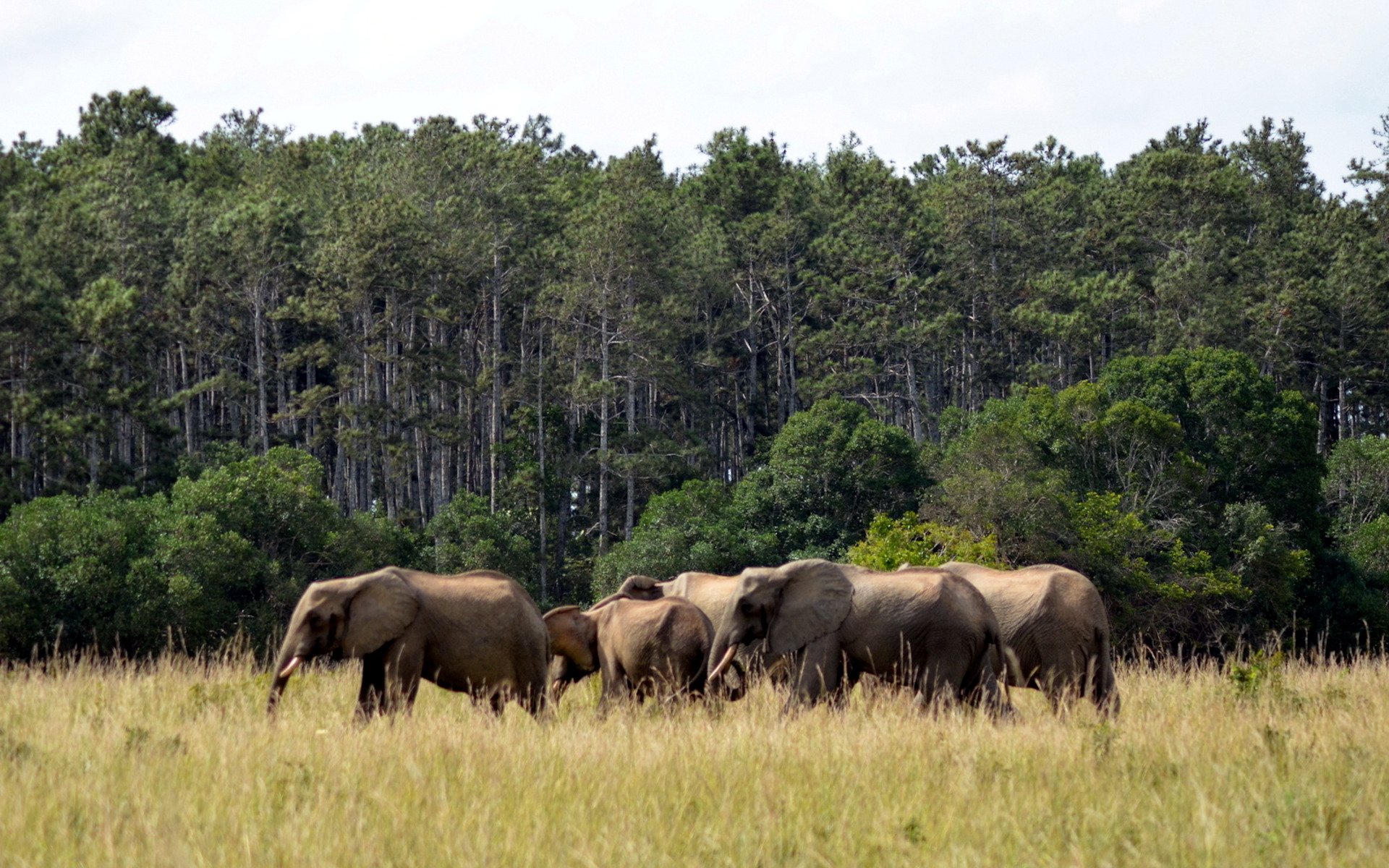
Shimba Hills National Park: Sable Antelope Near Mombasa
Shimba Hills National Park is one of Kenya’s most distinctive wildlife destinations, offering a refreshing contrast to the beaches and coastal resorts around Mombasa and Diani. Located in Kwale County, approximately 30 kilometres south of Mombasa, the park protects a landscape of rolling green hills, coastal forests, open grasslands and wooded valleys. It is particularly famous for the rare sable antelope, one of Africa’s most striking antelope species.
For visitors staying along Kenya’s southern coast, Shimba Hills provides an opportunity to experience a different side of the region without travelling far inland. The park is suitable for a day trip, although visitors with more time can combine it with other attractions in Kwale County. Its scenery, birdlife, elephants and forest wildlife make it an interesting destination for travellers who want more than a beach holiday.
Where is Shimba Hills National Park?
Shimba Hills National Park lies in southeastern Kenya, in Kwale County, close to the Indian Ocean coastline. It is situated inland from Diani Beach and south of Mombasa, making it one of the most accessible national parks for visitors based in the coastal region.
The park covers an area of approximately 192 square kilometres and forms part of a larger ecosystem that includes the Mwaluganje Elephant Sanctuary and surrounding forest areas. Its elevated position creates cooler conditions than the nearby coastline, while the combination of forest and grassland supports a variety of wildlife habitats.
The journey from Mombasa generally takes around one to two hours, depending on traffic, the starting point and road conditions. Visitors staying in Diani or Ukunda can usually reach the park in less time. The main entrance is accessed through the Kwale area, and a suitable vehicle is important because some internal roads can become difficult during wet weather.
The sable antelope: Shimba Hills’ most famous wildlife attraction
The sable antelope is the animal most closely associated with Shimba Hills National Park. This impressive antelope has a dark coat, a powerful build and long, backward-curving horns. Mature males are usually black, while females and younger animals tend to have reddish-brown coats.
Sable antelopes are not commonly encountered in many Kenyan parks, which makes Shimba Hills especially important for visitors hoping to see them. The park supports one of Kenya’s most significant populations of this species. Its woodland and grassland habitats provide the vegetation and cover that sable antelopes need.
These animals are generally alert and can move away when disturbed. They often feed on grasses and browse on leaves, depending on the available vegetation. Their impressive horns are used in defensive encounters and interactions between males.
Seeing a sable antelope in its natural habitat is one of the highlights of a visit. However, sightings are never guaranteed. The animals may be encountered in open grassland, woodland edges or areas where vegetation provides suitable feeding conditions. A knowledgeable guide can help visitors identify likely habitats and recognise the animals from a distance.
Other wildlife in Shimba Hills
Although sable antelopes are the park’s main attraction, Shimba Hills protects several other wildlife species. Elephants are among the most noticeable animals, and visitors may encounter them moving through forested areas or feeding near open clearings.
The park is also home to buffaloes, giraffes, warthogs, bushbucks, waterbucks and various smaller antelope species. The thick vegetation means that some animals are easier to hear or identify through tracks and signs than to photograph.
Predators include leopards and other smaller carnivores, although sightings can be difficult because of the dense forest cover and their naturally secretive behaviour. Visitors should not expect the same open savannah viewing conditions found in parks such as Tsavo East or Amboseli.
Shimba Hills is also recognised for its primate life. Visitors may see vervet monkeys and other forest-dwelling species in the trees and along the roads. These animals add to the experience, particularly for travellers interested in observing wildlife beyond large mammals.
The forests and grasslands of Shimba Hills
The scenery is a major part of the park’s appeal. Unlike the dry open plains associated with many Kenyan safari destinations, Shimba Hills has a greener and more varied landscape. Coastal rainforest, woodland, grassland and river valleys create a patchwork of habitats.
The forest areas are particularly important because they support rare plants, birds, primates and other wildlife. Walking through or driving alongside these habitats gives visitors a different experience from a traditional savannah game drive.
Open grasslands provide better opportunities for spotting sable antelopes and other grazing animals. The contrast between the grassy hills and thick forest makes the park attractive to photographers, especially during clear mornings when the landscape is well lit.
The park’s elevation also creates viewpoints from which visitors can appreciate the surrounding countryside. On clear days, parts of the coastal landscape can be seen from elevated areas, although visibility depends on weather conditions.
Sheldrick Falls: A scenic stop inside the park
One of the best-known natural attractions in Shimba Hills is Sheldrick Falls. The waterfall is reached by a walking trail through the forest, offering visitors an opportunity to experience the park on foot rather than entirely from a vehicle.
The walk passes through natural vegetation and can involve uneven or slippery ground, particularly after rain. A ranger or authorised guide should accompany visitors where required by park regulations. The route is rewarding for travellers who enjoy nature walks, forest scenery and photography.
The waterfall provides a peaceful setting and a welcome change from the vehicle-based wildlife viewing. Water flow can vary according to the season, so the appearance of the falls is not identical throughout the year.
Visitors should wear comfortable walking shoes, carry drinking water and follow the instructions of their guide. It is also important to remain aware of wildlife in the surrounding forest.
Birdwatching in Shimba Hills
Shimba Hills is an excellent destination for birdwatchers because its coastal forests and grasslands support a wide range of bird species. The different habitats attract forest specialists, woodland birds, raptors and species associated with open areas.
Birdwatchers may encounter hornbills, turacos, sunbirds, eagles, kingfishers and various forest-dwelling birds. The park’s vegetation makes patient observation especially rewarding. Some species remain hidden in the canopy, while others can be spotted feeding along forest edges or moving between trees.
Early morning is generally a productive time for birding because birds are more active and temperatures are cooler. Visitors with a particular interest in birds should bring binoculars and consider travelling with a guide who understands the local species and their habitats.
Best time to visit Shimba Hills National Park
Shimba Hills can be visited throughout the year, but weather conditions influence road access, walking conditions and wildlife viewing.
The drier months are generally convenient for game drives because roads are more likely to be passable and vegetation may be less dense. These conditions can also make it easier to spot animals moving through open areas.
The wetter seasons bring greener scenery, flowing streams and improved conditions for some birdwatching activities. However, heavy rainfall can make certain tracks muddy and difficult to navigate. The walk to Sheldrick Falls may also become slippery.
For visitors combining Shimba Hills with a coastal holiday, the best approach is to choose a day with a favourable weather forecast and confirm park and road conditions before travelling. Morning departures are recommended because they provide cooler conditions and more time for wildlife viewing.
How to get to Shimba Hills from Mombasa and Diani
Shimba Hills is accessible by road from Mombasa, Diani Beach and other coastal destinations. Travellers arriving at Moi International Airport can arrange a transfer directly to the park or stay along the coast before taking a day trip.
From Mombasa, the journey usually involves travelling south towards Likoni and continuing inland through Kwale. Ferry crossing conditions and traffic can influence travel time. Visitors should allow additional time when travelling during busy periods.
From Diani Beach, the journey is shorter and usually takes visitors inland through Ukunda and towards Kwale. Many coastal hotels and tour operators can arrange transport and guided excursions.
A four-wheel-drive vehicle is useful, especially during the rainy season, when some park roads may become muddy. Visitors should confirm the type of vehicle being used and whether the excursion includes a professional guide and park entry arrangements.
Public transport may be available for reaching nearby towns, but it is not the most convenient option for exploring the park. A private transfer or organised excursion gives visitors greater flexibility and makes it easier to manage the game drive and waterfall walk.
Planning a Shimba Hills day trip
A day trip from Mombasa or Diani can include several experiences within the park. Visitors can begin early with a game drive through the grassland and woodland areas, looking for sable antelopes, elephants, giraffes and other wildlife.
The guide can select suitable routes according to road conditions and recent wildlife activity. Since the park is not as open as some savannah destinations, patience is important. Spending time near promising clearings and forest edges can improve the chances of seeing animals.
Later in the morning, visitors can take a guided walk to Sheldrick Falls if conditions and available time permit. The walk adds variety to the day and allows travellers to appreciate the park’s forest environment.
A picnic or lunch break can be arranged at an authorised area. Afterward, visitors may continue with a shorter game drive before returning to their coastal accommodation.
Those who prefer a slower visit can spend more time birdwatching, photographing the scenery or exploring the surrounding Kwale region.
Where to stay when visiting Shimba Hills
Many travellers visit Shimba Hills from accommodation in Mombasa, Diani Beach or Ukunda. This is often the easiest arrangement because the park can be explored as a day trip without changing hotels.
Diani Beach offers a wide range of accommodation, including beachfront resorts, boutique hotels, villas and smaller guesthouses. It is a convenient base for travellers who want to combine wildlife viewing with swimming, water sports and coastal relaxation.
Mombasa provides additional accommodation choices, from city hotels to beach resorts in nearby coastal areas. Staying in Mombasa can be practical for visitors arriving through Moi International Airport or those combining Shimba Hills with historical attractions around the city.
Travellers who want to spend more time close to the park can look for accommodation in the wider Kwale area. Availability and standards vary, so it is advisable to confirm location, facilities and transport arrangements before booking.
Combining Shimba Hills with other coastal attractions
Shimba Hills can easily form part of a wider holiday along Kenya’s southern coast. Diani Beach is a natural addition for travellers who want to combine wildlife viewing with time by the Indian Ocean.
Visitors can also explore Kisite-Mpunguti Marine National Park, known for its marine life, coral reefs and boat excursions. Wasini Island offers opportunities to experience coastal scenery and local Swahili culture.
Mombasa provides a different experience through its historic Old Town, Fort Jesus and traditional coastal architecture. Travellers interested in nature can also consider other attractions in Kwale County and the surrounding coastal forests.
Combining these destinations creates a varied holiday with wildlife, beaches, marine activities and cultural experiences. Shimba Hills is particularly useful because it introduces a national park experience without requiring a long journey away from the coast.
What to bring for a visit to Shimba Hills
Visitors should prepare for both vehicle-based wildlife viewing and possible walking activities. Comfortable clothing in neutral colours is suitable for a game drive, while sturdy walking shoes are important for the Sheldrick Falls trail.
Binoculars are useful for spotting birds and animals in thick vegetation. A camera with a suitable zoom lens can help capture wildlife without approaching too closely. Drinking water, sunscreen, a hat and insect repellent are also practical items to carry.
A light rain jacket is useful during wetter months, and visitors should protect cameras and electronic equipment from rain and dust. It is best to carry only essential belongings during the excursion.
Visitors should follow park rules, remain inside the vehicle where required and never feed or approach wild animals. During guided walks, staying with the ranger or guide is essential.
Is Shimba Hills National Park worth visiting?
Shimba Hills is worth visiting for travellers staying in Mombasa, Diani Beach or elsewhere along Kenya’s southern coast who want to experience a national park without travelling far from the ocean. Its strongest attraction is the opportunity to see sable antelopes, a rare and impressive species that gives the park a special place among Kenya’s wildlife destinations.
The park also offers elephants, diverse birdlife, coastal forest, green hills and the scenic Sheldrick Falls. Its landscape is different from the open plains of many better-known Kenyan parks, making it particularly appealing to visitors interested in varied habitats.
Shimba Hills is not primarily a destination for large concentrations of wildlife or guaranteed sightings of predators. Instead, it offers a quieter nature experience where scenery, forest ecology and the search for distinctive species are central to the visit.
For a coastal holiday that includes more than beaches and ocean activities, a day in Shimba Hills adds an important wildlife dimension. It is one of the most rewarding short excursions available from Mombasa and Diani, especially for travellers hoping to see Kenya’s famous sable antelope in its natural environment.



No comment