
Nyakasura Falls and Fort Portal Town Walks
Nyakasura Falls and Fort Portal Town Walks offer an opportunity to explore two different sides of western Uganda. Nyakasura is known for its waterfalls, limestone caves, local legends and green countryside, while Fort Portal is a welcoming highland town with a rich cultural heritage, attractive hills, gardens, markets and views towards the Rwenzori Mountains. Together, they make an excellent experience for travellers who want to discover more than wildlife during a visit to western Uganda.
Nyakasura Falls is located near the famous Amabere ga Nyina Mwiru Caves, a natural and cultural attraction associated with the traditions of the Tooro Kingdom. Visitors can follow walking paths through the rocky landscape, listen to local stories and enjoy the cool atmosphere around the waterfall. The surrounding hills also provide opportunities for short hikes and views of nearby crater lakes.
Fort Portal offers a different kind of exploration. Walking through the town allows visitors to experience everyday life in one of Uganda’s most scenic urban centres. The streets, markets, religious landmarks, royal heritage sites and green surroundings reveal the town’s history and its importance as the cultural centre of the Tooro Kingdom.
These experiences are suitable for independent travellers, families, couples, cultural tourists and people visiting Kibale National Park for chimpanzee trekking. They can be arranged as separate excursions or combined into a full day of sightseeing around Fort Portal.
Where are Nyakasura Falls and Fort Portal?
Nyakasura Falls is found in the Nyakasura area, approximately 7 to 10 kilometres from Fort Portal. The attraction lies along the Fort Portal-Bundibugyo road and is commonly visited together with Amabere ga Nyina Mwiru Caves.
The journey from central Fort Portal is relatively short, making the falls suitable for a half-day excursion. Visitors can travel by private vehicle, local taxi or motorcycle taxi. The final approach involves a smaller road leading towards the attraction.
Fort Portal is located in western Uganda, in the foothills of the Rwenzori Mountains. It serves as the main urban centre of the Tooro region and is an important starting point for trips to Kibale National Park, the Ndali-Kasenda Crater Lakes, Semuliki National Park and Queen Elizabeth National Park.
The town is approximately 300 kilometres from Kampala by road, although the exact distance and journey time depend on the route and starting point. Its elevated position gives it a relatively cool climate compared with many other Ugandan towns.
Exploring Nyakasura Falls
Nyakasura Falls is one of the natural attractions that make the Fort Portal area interesting for visitors. The waterfall flows through a rocky landscape near the Amabere ga Nyina Mwiru Caves, creating a cool and peaceful environment surrounded by vegetation.
The falls are not particularly large, but their setting makes them worth visiting. Water moves over rock surfaces near the cave formations, creating a natural feature that visitors can appreciate during a guided walk.
The surrounding environment is often damp because of the flowing water and spray. Moss and other vegetation grow around the rocks, adding to the appearance of the site. During rainy periods, the water flow can become stronger, although the walking paths may also become slippery.
A visit usually involves walking down towards the waterfall and caves, exploring the surrounding rock formations and listening to explanations from a local guide. Visitors should wear shoes with good grip because some sections contain wet rocks and uneven steps.
The attraction is best experienced at a relaxed pace. Rather than rushing through the site, allow time to observe the waterfall, understand its connection to the caves and enjoy the surrounding scenery.
Amabere ga Nyina Mwiru Caves and their cultural story
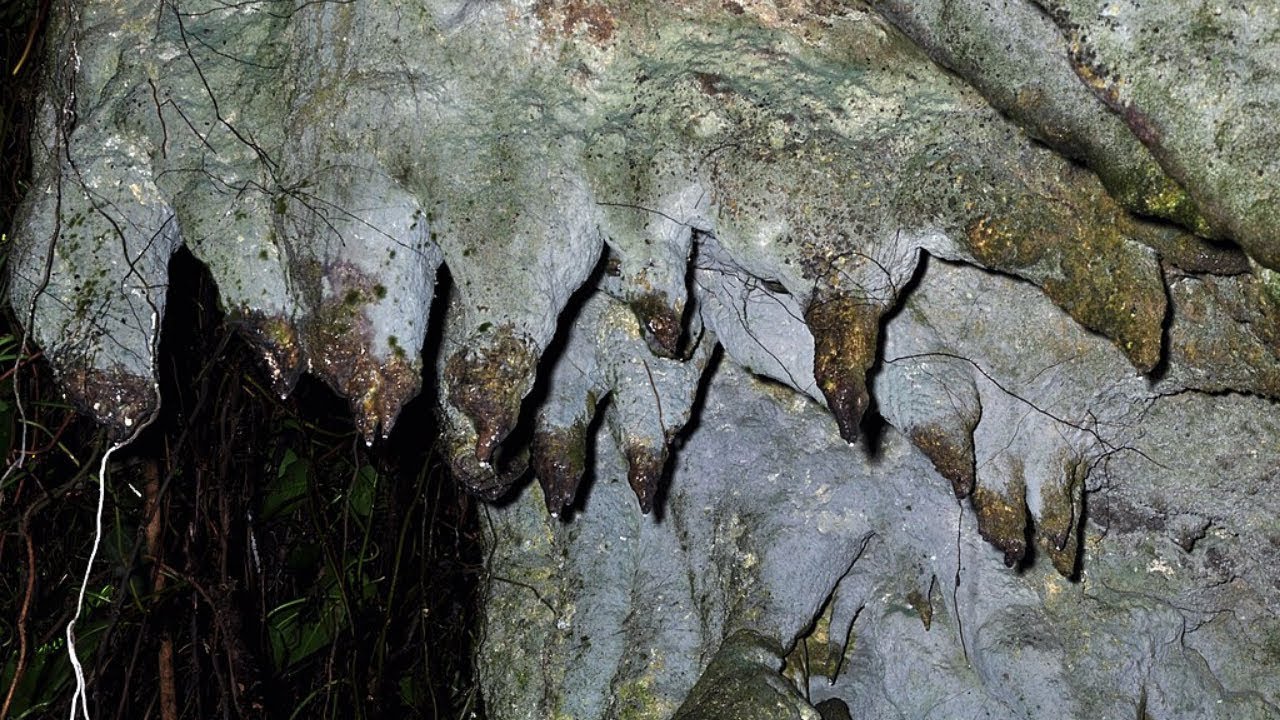
The Amabere ga Nyina Mwiru Caves are closely connected to Nyakasura Falls and are among the most recognised cultural attractions near Fort Portal. The name Amabere ga Nyina Mwiru is commonly translated as the breasts of Nyina Mwiru, referring to the pale limestone formations hanging from the cave roof.
The formations resemble breasts because of their rounded shapes and the water that slowly drips from them. Geologically, these structures are associated with mineral deposits left behind by flowing water over long periods. They are examples of limestone formations created through natural processes.
However, the caves are also important because of the legend surrounding Princess Nyinamwiru. According to Tooro oral tradition, Nyinamwiru was a princess whose father, King Bukuku, opposed a prophecy concerning her future child. The story explains how the princess became associated with the unusual rock formations at the site.
Local guides share different parts of the legend during visits, connecting the physical landscape with the cultural history of the region. The story is an important part of the experience because it helps visitors understand how natural places are interpreted and remembered within local traditions.
The caves are not an extensive underground cave system. They are better understood as a limestone overhang and rock formation beside the waterfall. Visitors walk into the sheltered area, observe the formations and listen to the guide’s explanation.
Respect the site during your visit. Avoid touching the limestone formations unnecessarily, and follow instructions from local guides, particularly where the ground is wet.
Hiking around Nyakasura
The Nyakasura area offers opportunities for short walks and longer hikes through the surrounding hills. The landscape includes rocky paths, vegetation, small streams and viewpoints overlooking parts of the crater lake region.
One of the popular experiences is climbing towards the elevated viewpoints above the caves. The walk provides a different perspective of the surrounding countryside and may reveal views of nearby explosion craters.
The hiking routes vary in difficulty. Some sections are relatively manageable, while others involve steep climbs and uneven ground. Visitors who are not accustomed to walking on hills should take their time and follow a local guide.
A guide can also explain the relationship between the caves, waterfall and volcanic landscape. This makes the walk more informative than simply following a trail without understanding the surrounding features.
The best approach is to allow enough time for the walk rather than treating it as a quick stop. Bring water, wear comfortable shoes and carry a light rain jacket because weather conditions can change.
Views of the surrounding crater lakes
The wider Nyakasura landscape forms part of the crater lake region around Fort Portal. Several explosion craters are found in the surrounding countryside, creating a landscape of green hills and water-filled depressions.
During a hike above the caves, visitors can enjoy views towards some of these formations. The elevated viewpoints provide an opportunity to appreciate the geography of the region and understand why Fort Portal is associated with so many crater lakes.
The nearby lakes include Lake Kigere and Lake Saaka, among other craters in the wider area. Their appearance varies according to vegetation, water levels and sunlight.
Photography is particularly rewarding when the weather is clear. Early morning can provide better visibility towards the distant hills, while afternoon light can create attractive contrasts across the green landscape.
Visitors should remain on established paths and avoid approaching unstable crater edges.
Fort Portal town walks
Fort Portal is an excellent town for walking because of its green surroundings, relatively relaxed atmosphere and collection of cultural landmarks. A guided town walk provides an opportunity to understand its history, local traditions and everyday activities.
The experience can begin in the central town area, where visitors observe the streets, shops, restaurants and local businesses. From there, the walk can continue towards selected landmarks, depending on the time available and the visitor’s interests.
Fort Portal has a strong connection with the Tooro Kingdom. Its royal heritage is visible in important cultural sites, traditional institutions and the stories shared by local residents.
Walking through the town also introduces visitors to local food, markets and community life. These experiences are particularly useful for travellers who want to understand western Uganda beyond its national parks and wildlife attractions.
Some locations are spread across different hills and neighbourhoods, so a town walk may combine walking with short vehicle or motorcycle transfers.
Karuzika Royal Palace
Karuzika Royal Palace is one of the most important cultural landmarks in Fort Portal. It is associated with the Tooro Kingdom and serves as the royal residence of the Omukama of Tooro.
The palace stands on a hill overlooking the town, giving it a prominent position within the landscape. Its location also provides an opportunity to appreciate the relationship between Fort Portal and the surrounding hills.
A visit introduces travellers to the history and traditions of the Tooro Kingdom. The kingdom has played an important role in the cultural and political history of the region, and the royal institution remains significant to the identity of the Batooro people.
Visitors should remember that the palace is an active royal site rather than an ordinary public attraction. Access to certain areas may be restricted, and visits should be arranged respectfully. Ask about current visitor arrangements before planning to enter the grounds.
Even when access is limited, the hill and its surroundings are useful for understanding the town’s royal heritage.
Tooro Botanical Gardens
Tooro Botanical Gardens is a valuable stop for visitors interested in plants, conservation and urban nature. Located within Fort Portal, the gardens provide a green environment where visitors can learn about different plant species and the importance of protecting natural habitats.
The gardens contain a variety of trees and vegetation, including indigenous species. They also provide habitat for birds, insects and other small wildlife.
A guided walk can explain the role of native trees in maintaining ecological balance, protecting soils and supporting biodiversity. Visitors may also learn about conservation initiatives and the importance of restoring indigenous vegetation.
Birdwatching is another activity worth considering. The combination of trees, vegetation and natural habitats attracts different bird species, making the gardens an interesting location for bird enthusiasts.
The gardens provide a peaceful alternative to busy streets and are suitable for visitors who want a relaxed activity within town.
Fort Portal Central Market
A visit to Fort Portal Central Market provides a closer look at local trade and daily life. The market brings together farmers, traders and shoppers from the surrounding communities.
Visitors can find fresh fruits, vegetables, bananas, spices and other agricultural products. The market also provides opportunities to observe how food moves from rural farms into the town’s commercial centre.
The experience is particularly interesting for travellers unfamiliar with western Ugandan food culture. Local produce reflects the agricultural activities of the region, where bananas, beans, vegetables and other crops are important to household livelihoods.
A guided visit can help explain the different products and their uses in local cooking. Travellers may also have an opportunity to buy seasonal fruits or sample familiar Ugandan snacks.
As in other busy markets, keep personal belongings secure and ask permission before photographing traders or customers.
St. John’s Cathedral
St. John’s Cathedral is one of the religious landmarks worth including in a Fort Portal town walk. The church is situated on elevated ground and is associated with the Anglican community in the region.
Its location provides a quiet environment away from the busiest commercial streets. Visitors can appreciate the architecture and learn about the history of Christianity in the Tooro region.
The cathedral also offers views across parts of Fort Portal because of its position on a hill. It can therefore be included in a walking route that combines religious heritage with town scenery.
Visitors should be respectful when entering the church grounds, especially during worship services. Dress appropriately and ask before taking photographs inside.
Our Lady of Snows Virika Cathedral
Our Lady of Snows Virika Cathedral, commonly known as Virika Cathedral, is another important religious landmark in Fort Portal. It is located on Virika Hill and serves as a significant centre for the Catholic community.
The cathedral is worth visiting for its religious importance, architecture and position within the town. Its surroundings provide a quiet place for reflection and an opportunity to learn about the development of Catholic institutions in western Uganda.
Visitors interested in religious history can combine the cathedral with St. John’s Cathedral and other cultural landmarks during a town excursion.
As with other places of worship, visitors should respect ongoing services and avoid disrupting people who are praying.
Fort Portal Golf Course
Fort Portal Golf Course offers another way to experience the town’s green environment. The course is located within the urban area and provides open views across the surrounding landscape.
Even visitors who do not play golf may appreciate the peaceful setting and the contrast between the open grounds and the busier town centre.
Those interested in playing should confirm access arrangements, equipment availability and any applicable charges before visiting.
The golf course can be included in a relaxed town itinerary, particularly for travellers interested in leisure activities rather than a full day of hiking.
Kigoyera and other viewpoints around Fort Portal
Fort Portal is surrounded by hills that provide excellent opportunities for short hikes and scenic viewpoints. Kigoyera is one of the places visitors can explore for views across the surrounding landscape.
The walk involves climbing towards an elevated viewpoint, where the countryside and crater lake scenery become more visible. The experience is suitable for travellers who enjoy outdoor activities and want to appreciate the region from above.
Other viewpoints around Fort Portal may be included depending on the route, weather and access conditions. A local guide can recommend suitable locations and help organise a walk that matches your fitness level.
The views are particularly rewarding on clear mornings, when visibility towards the Rwenzori Mountains may be better.
Local food to try in Fort Portal
Food is an important part of exploring Fort Portal. The town has restaurants, small eateries and market stalls where visitors can sample dishes from western Uganda.
Matooke is one of the region’s most familiar foods. It is usually steamed and served with groundnut sauce, beans, beef or other accompaniments.
Other foods worth trying include cassava, sweet potatoes, Irish potatoes, beans, rice and seasonal vegetables. These are often served with locally prepared sauces and stews.
Visitors interested in traditional Tooro cuisine can ask local guides or restaurant staff about regional dishes. Food experiences can also be arranged through selected community tourism initiatives.
For travellers who prefer international meals, Fort Portal has restaurants and accommodation properties offering a wider selection of dishes.
Best time to visit Nyakasura Falls and Fort Portal
Nyakasura Falls and Fort Portal can be visited throughout the year. However, the weather affects walking conditions, waterfall flow and visibility.
June to August and December to February are generally more convenient for hiking because these periods are often drier. Walking paths are usually easier to navigate, and visitors may enjoy clearer views across the surrounding hills.
The rainy seasons, particularly March to May and September to November, bring greener vegetation and can increase the flow of water around the falls. However, paths near the caves can become slippery, and some outdoor activities may take longer.
Morning visits are recommended for travellers who want to explore the caves and surrounding hills comfortably. Starting early also leaves enough time for a town walk or another attraction later in the day.
Fort Portal has a relatively cool climate because of its elevation. Light clothing is suitable during the day, but a sweater or light jacket can be useful in the morning and evening.
How to get to Nyakasura Falls and Fort Portal
Fort Portal is accessible by road from Kampala and other major towns in Uganda. The journey from Kampala generally takes around five to seven hours, depending on traffic, road conditions and the chosen route.
Travellers can use public buses, minibuses, private vehicles or organised tours. Public transport is available from Kampala, while private transport offers greater flexibility for visitors planning to explore several attractions around Fort Portal.
From the town centre, Nyakasura Falls is a short drive along the Fort Portal-Bundibugyo road. Local drivers and motorcycle taxi operators generally know the Amabere Caves attraction, which is commonly visited together with the falls.
Visitors combining Nyakasura with a town walk can arrange private transport between the attractions or use local motorcycle taxis for shorter transfers. Walking between every site is not always practical because some landmarks are separated by hills and longer road distances.
Where to stay in Fort Portal
Fort Portal has accommodation options ranging from budget guesthouses to comfortable hotels and luxury lodges. Travellers can choose to stay within town for easy access to restaurants and cultural attractions or outside the centre for a quieter experience.
Mountains of the Moon Hotel is one of the established accommodation options in Fort Portal. It provides a convenient base for visitors exploring the town and travelling to nearby attractions.
Kyaninga Lodge is a luxury property overlooking Lake Kyaninga. Its setting, accommodation and views towards the Rwenzori Mountains make it suitable for travellers seeking a scenic retreat.
Ndali Lodge is another well-known luxury option in the wider crater lake region, overlooking Lake Nyinambuga. It is particularly suitable for visitors combining Fort Portal with crater lake excursions.
Papaya Lake Lodge offers a boutique experience overlooking Lake Lyantonde, while Lake Nkuruba Nature Reserve provides a more nature-focused and community-oriented stay.
Travellers visiting Kibale National Park may also consider accommodation closer to the forest, particularly if chimpanzee trekking is an important part of their itinerary.
Combining Nyakasura Falls with Kibale National Park
Kibale National Park is one of the most popular destinations near Fort Portal. It is internationally recognised for chimpanzee trekking and its rich primate diversity.
The park offers guided forest experiences where visitors can search for chimpanzees and observe other primates in their natural habitat. The experience is different from visiting Nyakasura because it focuses on forest wildlife rather than cultural heritage and waterfalls.
The two destinations can be combined in a short western Uganda itinerary. Visitors can undertake chimpanzee trekking in Kibale and explore Nyakasura Falls on another day or during an afternoon when their schedule allows.
Fort Portal is a convenient base for both experiences, making it possible to enjoy nature, wildlife and cultural attractions without changing accommodation frequently.
Combining Fort Portal with the Ndali-Kasenda Crater Lakes
The Ndali-Kasenda Crater Lakes are another attraction worth including in a visit to Fort Portal. The region contains numerous water-filled volcanic depressions surrounded by green hills and agricultural landscapes.
Visitors can hike between selected lakes, enjoy viewpoints, visit local farms and spend time at lodges overlooking the water.
The crater lakes provide a peaceful experience that complements the waterfall and town walks. While Nyakasura introduces visitors to limestone formations and local legends, the Ndali-Kasenda region offers a wider landscape of volcanic scenery.
Travellers with two or three days in the area can comfortably combine the main attractions with visits to Kibale National Park.
How much time should you spend exploring Fort Portal?
A half-day is enough for a visit to Nyakasura Falls and the Amabere ga Nyina Mwiru Caves. This allows time for the guided walk, waterfall viewing and a short exploration of the surrounding area.
A full day provides more flexibility. Visitors can explore Nyakasura in the morning and spend the afternoon visiting selected landmarks in Fort Portal.
Travellers interested in a deeper cultural experience should allow at least two days. This provides time for town walks, visits to religious and royal heritage sites, botanical gardens and nearby viewpoints.
Three days or more are suitable for visitors combining Fort Portal with the crater lakes and Kibale National Park.
Practical tips for visitors
Wear comfortable walking shoes with good grip when visiting Nyakasura Falls. The paths and rocks near the waterfall can be wet and slippery, particularly after rainfall.
Carry drinking water, a light rain jacket and sun protection. A small backpack is useful for keeping personal items together during the walk.
Use a local guide at the caves and waterfall. The guide provides information about the limestone formations, the cultural legend and the surrounding landscape.
Respect local customs when visiting the royal palace, churches and community areas. Ask permission before photographing people, and follow instructions at cultural sites.
If you intend to visit several places in Fort Portal, plan your route in advance. Some attractions are located on different hills, so combining walking with short vehicle transfers can make the day more comfortable.
Confirm current opening arrangements and entrance charges before travelling to Nyakasura. Fees and visitor arrangements at community-managed attractions can change.
Nyakasura Falls and Fort Portal Town Walks provide a rewarding introduction to the natural scenery and cultural heritage of western Uganda. The waterfall, Amabere ga Nyina Mwiru Caves, crater lake viewpoints, royal landmarks, botanical gardens and local markets create a varied experience that goes beyond the traditional safari. For travellers visiting Kibale National Park or exploring the wider Tooro region, these activities offer an excellent way to spend additional time discovering the people, landscapes and history of Fort Portal.


No comment