
Nature Walk to Munyaga River Waterfall
A nature walk to Munyaga River Waterfall is one of the rewarding experiences available around Bwindi Impenetrable National Park in southwestern Uganda. While many visitors travel to this part of the country primarily for mountain gorilla trekking, the forest offers much more than encounters with gorillas. The Munyaga Waterfall Trail provides an opportunity to slow down, walk through a lush tropical environment, listen to flowing water, observe forest life, and appreciate the natural character of the Bwindi region from a different perspective.
The walk takes visitors through a forest landscape where vegetation changes constantly along the trail. Tall trees create a shaded canopy, while smaller plants, ferns, vines, shrubs, mosses, and flowering plants occupy the lower levels of the forest. The sound of birds and insects accompanies the walk, and the closer you get to the waterfall, the more noticeable the sound of rushing water becomes.
Munyaga River Waterfall is associated with the Buhoma area of Bwindi and is particularly convenient for travelers staying around the northern sector of the park. The trail is relatively short compared with some of the longer forest hikes in the region, making it an attractive option for travelers who want a gentle forest experience without committing to a full-day hike.
Walking Through the Bwindi Forest
The nature walk begins near the Buhoma area, where trained guides introduce visitors to the trail and explain what they can expect during the walk. The guide plays an important role because the forest contains far more than what is immediately visible to an untrained eye. A movement in the vegetation may indicate a small animal, a bird may be heard before it is seen, and certain plants may have cultural or medicinal significance to communities living around the forest.
As you move along the trail, the surroundings gradually become quieter and more enclosed by vegetation. The forest canopy filters much of the sunlight, creating a cool environment even when temperatures outside the forest are relatively warm. Depending on the season, sections of the trail can be damp and slippery, particularly after rainfall.
The walk is not simply about reaching the waterfall. Much of the experience comes from observing the forest along the way. Take time to look at tree trunks covered with moss, plants growing on fallen branches, vines climbing toward the canopy, and small streams crossing the trail. The environment changes subtly as you move deeper into the forest.
The Sound of the Waterfall
One of the most memorable parts of the Munyaga River walk is hearing the waterfall before reaching it. The sound of rushing water gradually becomes stronger as the trail approaches the falls. After walking through the quiet forest, the sudden presence of moving water creates a noticeable change in the atmosphere.
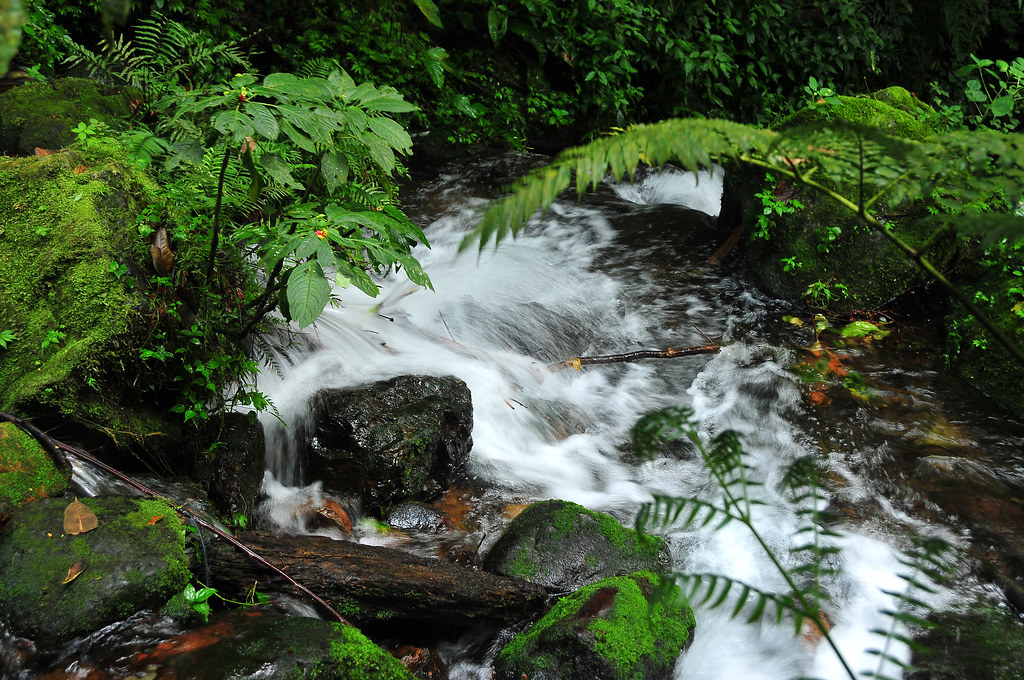
Munyaga River Waterfall drops over a rocky section of the forest landscape, creating a refreshing natural setting. The surrounding vegetation remains dense and green, giving the waterfall a secluded appearance. The area provides a peaceful place to stop, take photographs, listen to the water, and enjoy the forest environment.
The waterfall is especially attractive after rainfall when water levels are higher. During wetter periods, the surrounding vegetation also becomes particularly vibrant. However, wet conditions can make the trail and rocks slippery, so visitors should follow the guide’s instructions and avoid stepping onto unstable surfaces.
A Different Side of Bwindi
Gorilla trekking naturally receives most of the attention in Bwindi, but a nature walk to Munyaga River Waterfall reveals another side of the destination. Gorilla trekking involves searching for habituated gorilla families and spending a limited period observing them. A waterfall walk has a different rhythm. There is no single animal that you have to find. Instead, the experience is built around the forest itself.
This makes the activity suitable for travelers who want to understand the broader environment supporting Bwindi’s wildlife. The forest is an important habitat for numerous species of birds, mammals, amphibians, reptiles, insects, and plants. Even when larger animals remain hidden, there is always something happening around the trail.
The experience can also be particularly enjoyable after gorilla trekking. After spending hours walking through challenging terrain in search of gorillas, a shorter waterfall walk offers a more relaxed way to continue exploring the area.
Birdwatching Along the Trail
Birdwatchers can find the Munyaga area interesting because Bwindi is one of Uganda’s important destinations for forest birding. The dense vegetation means that many birds may be heard rather than immediately seen. A knowledgeable guide can help visitors identify calls and point out birds moving through branches or foliage.
The wider Bwindi forest is known for its rich birdlife, including species associated with the Albertine Rift. During a nature walk, patience can make a major difference. Instead of rushing from one point to another, visitors who stop occasionally and listen carefully have a better opportunity to notice movement in the canopy and undergrowth.
Birdwatching also adds another dimension to the walk for photographers. Forest photography can be challenging because the canopy creates uneven light, but the dense vegetation, birds, trees, water, and surrounding landscape can produce interesting images.
Plants and Forest Vegetation
The vegetation around Munyaga River Waterfall is part of what makes the walk visually appealing. Bwindi is an old, biologically rich forest with a complex mixture of trees, shrubs, vines, ferns, herbs, and other plant life. The forest floor can look completely different from the vegetation higher in the canopy.
Your guide can explain the importance of different plants and how local communities have traditionally used some species. These explanations help visitors understand that the forest is not simply a collection of trees. It is a living environment in which plants, animals, water, soil, and people have interacted for generations.
The dense vegetation also explains why trails in Bwindi can feel adventurous even when they are not extremely long. Roots, rocks, muddy sections, streams, and vegetation can all become part of the walk.
The Role of a Local Guide
Having a trained guide makes the Munyaga waterfall experience considerably more informative. Without a guide, visitors might simply see trees, hear birds, and follow the trail to the waterfall. With a guide, the forest becomes easier to understand.
Guides can explain the surrounding ecosystem, identify some plants and birds, discuss local history, and provide information about conservation. They also help visitors navigate sections of the trail where conditions may be difficult.
Local guiding creates an additional connection between tourism and communities around Bwindi. Visitors gain knowledge from people familiar with the area, while tourism provides employment and supports livelihoods connected to conservation and hospitality.
Difficulty of the Munyaga Waterfall Walk
The Munyaga River Waterfall walk is generally considered one of the easier forest activities around Buhoma when compared with demanding gorilla trekking routes. However, “easy” should not be interpreted as completely effortless. Bwindi is a mountainous environment, and trails can contain uneven ground, slopes, exposed roots, stones, and muddy sections.
The difficulty can change according to weather conditions. A trail that feels straightforward during a dry period can become considerably more slippery following heavy rain. Comfortable walking shoes or hiking boots with good grip are therefore useful.
Visitors should also walk at a comfortable pace. There is little benefit in rushing through the forest. A slower pace gives you more time to observe birds, insects, plants, butterflies, and other small details that are easy to miss.
What to Wear for the Walk
Light but practical clothing works well for the Munyaga waterfall trail. Long trousers are useful because vegetation can brush against the legs, while a lightweight long-sleeved shirt can provide additional protection from insects and vegetation.
Good walking shoes are important, especially during wet weather. Visitors should also carry a light rain jacket because weather in the Bwindi highlands can change quickly. A small backpack is enough for carrying drinking water, a camera, personal items, and rain protection.
Because the forest can be cool and damp, visitors should avoid relying entirely on clothing suitable for warm lowland conditions. The temperature can feel different beneath the forest canopy, particularly when the trail is wet.
Best Time for a Munyaga Waterfall Walk
The waterfall can be visited throughout the year, and each season provides a slightly different experience. Wetter periods can produce stronger water flow and lush vegetation, making the waterfall particularly attractive. The trade-off is that trails may become muddy and slippery.
Drier periods can make walking more comfortable, particularly for visitors who prefer easier trail conditions. However, rainfall remains possible in Bwindi even during traditionally drier months, so a rain jacket remains useful.
The best timing therefore depends on what you value most. Travelers interested in dramatic water flow may appreciate wetter conditions, while those prioritizing easier walking may prefer a period with generally drier trail conditions.
Combining the Waterfall Walk with Gorilla Trekking
A Munyaga River Waterfall walk works particularly well as part of a wider Bwindi safari. Travelers who have come to Uganda for gorilla trekking can add the walk before or after their trek depending on their schedule and energy levels.
After gorilla trekking, the waterfall trail provides an opportunity to continue experiencing Bwindi without repeating the same type of activity. The focus changes from searching for gorillas to appreciating the forest environment and its smaller details.
For visitors staying several nights in Buhoma, the activity can also help fill time between major safari experiences. Rather than spending the entire stay at the lodge, travelers can explore the surrounding forest and learn more about the natural environment.
Adding Cultural Experiences Around Buhoma
The Munyaga waterfall experience can also be combined with cultural activities around the Buhoma area. Communities near Bwindi have developed tourism experiences that introduce visitors to aspects of local life, traditional practices, crafts, food, and community history.
Combining a forest walk with a cultural experience creates a more complete visit to the region. The forest represents one part of the destination, while the communities surrounding it provide another important part of the story.
For travelers using All In Africa Safaris, activities can be arranged around the main gorilla trekking schedule so that the day remains comfortable rather than overcrowded. This is particularly useful for travelers who want a mixture of wildlife, nature, and cultural experiences.
Photography at Munyaga Waterfall
Photographers can find plenty of opportunities along the Munyaga trail. The waterfall itself is the obvious subject, but some of the most interesting photographs can come from smaller details along the route.
Moss-covered rocks, tree trunks, ferns, butterflies, forest streams, leaves, and shafts of light filtering through the canopy can all provide subjects. A camera with good low-light performance can be useful because the forest canopy often reduces available light.
Visitors should protect their cameras and phones from rain and moisture. A waterproof bag or protective cover can be valuable, particularly when walking during the rainy season.
Why Add Munyaga Waterfall to a Uganda Safari
The Munyaga River Waterfall walk is a simple way to experience Bwindi beyond gorilla trekking. It does not require the same level of physical commitment as a long forest expedition, yet it still provides an authentic encounter with the environment surrounding one of Uganda’s most important forests.
The combination of dense vegetation, flowing water, birdlife, forest sounds, and local guiding creates an experience that feels distinctly different from a conventional game drive. Instead of watching wildlife from a vehicle, visitors explore the environment on foot and become more aware of the smaller features of the forest.
For travelers visiting Bwindi with All In Africa Safaris, the walk can be incorporated into a broader itinerary that includes gorilla trekking, cultural experiences, wildlife viewing in Queen Elizabeth National Park, or relaxation around Lake Bunyonyi. It is particularly useful for travelers who want their Uganda safari to include more than one type of nature experience.
Planning Your Munyaga River Waterfall Experience
A successful waterfall walk depends largely on fitting the activity into the rest of the itinerary. Visitors arriving in Buhoma after a long drive may prefer to schedule the walk on a relaxed afternoon rather than immediately after arrival. Those staying several nights can choose a morning or afternoon depending on their other activities.
It is also worth allowing enough time to enjoy the trail rather than treating the waterfall as a quick stop. The forest is the main attraction, and the waterfall is the natural reward at the end of the walk. Moving slowly, listening to the guide, and paying attention to the surrounding vegetation can make the experience much more memorable.
The walk demonstrates why Bwindi deserves more than a single activity on a Uganda itinerary. Gorilla trekking may be the main reason many travelers arrive, but the forest contains numerous experiences that allow visitors to appreciate its landscape, wildlife, plants, water sources, and surrounding communities in a more personal way.



No comment