
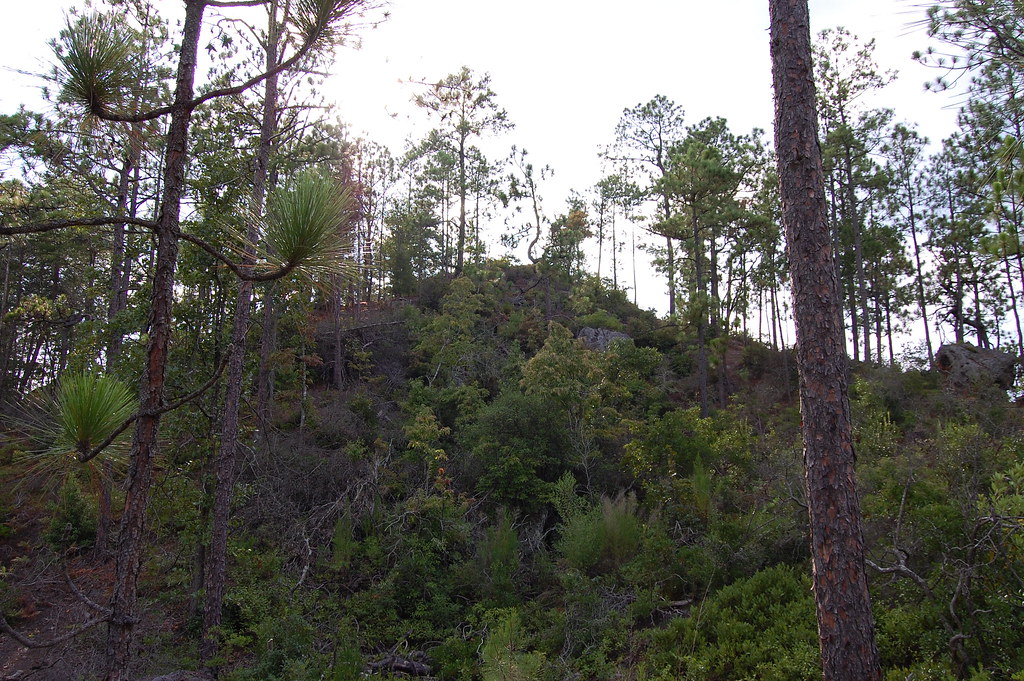
The Neck Nature Trail in Bwindi Impenetrable National Park
The Neck Nature Trail in Bwindi Impenetrable National Park is one of the fascinating forest experiences available to travelers exploring the Buhoma area of southwestern Uganda. Unlike gorilla trekking, which focuses on finding habituated mountain gorilla families, the Neck Nature Trail provides an opportunity to slow down and experience Bwindi as a forest ecosystem. The trail takes visitors through dense vegetation, beautiful forest landscapes and an environment rich in birds, butterflies, plants and other forms of wildlife.
For travelers who want to discover more of Bwindi beyond gorilla trekking, the Neck Nature Trail offers a rewarding walking experience. The trail is particularly interesting for nature lovers, birdwatchers, photographers and visitors who appreciate quiet forest walks. Instead of rushing through the forest, travelers can take time to observe the smaller details that are easily missed during a busy safari.
Bwindi Impenetrable National Park is internationally recognized for its extraordinary biodiversity and is one of Uganda’s most important protected forests. The forest forms part of the Albertine Rift, a region known for its high concentration of species and endemic wildlife. Walking through the Neck area provides an opportunity to experience this environment at ground level, surrounded by thick vegetation and the sounds of the forest.
What Is the Neck Nature Trail?
The Neck Nature Trail is a forest walking experience in the Buhoma sector of Bwindi Impenetrable National Park. The name “Neck” relates to the narrow forested connection between different sections of the Bwindi forest. This area is ecologically important because it provides continuity between forest habitats and allows wildlife to move through the landscape.
The trail is not primarily designed around a single major wildlife attraction. Instead, its appeal comes from the forest itself. Visitors walk beneath the canopy while looking and listening for birds, observing plants and insects, and appreciating the changing character of the vegetation.
This makes the trail particularly suitable for travelers who want a slower and more immersive experience after or before other Bwindi activities.
Where Is the Neck Nature Trail Located?
The Neck Nature Trail is associated with the Buhoma side of Bwindi Impenetrable National Park in southwestern Uganda. Buhoma is one of the best-known tourism areas of Bwindi and is particularly famous for mountain gorilla trekking.
The area also provides access to several forest-based activities, including nature walks and birdwatching. This makes Buhoma an excellent base for travelers who want to experience more than gorilla trekking during their stay.
The Neck area is particularly interesting because of its forest connectivity. Rather than experiencing Bwindi as isolated sections of vegetation, visitors can appreciate how different forest habitats connect to create a larger ecosystem.
Why the Neck Area Is Important
The forest around the Neck is important because connected habitats are essential for wildlife.
Animals and birds need suitable areas for feeding, nesting, shelter and movement. A continuous forest environment provides opportunities for species to move between different areas without having to cross heavily disturbed landscapes.
The Neck therefore has significance beyond tourism. It represents part of the wider forest ecosystem that supports Bwindi’s remarkable biodiversity.
For visitors, this ecological importance adds meaning to the walk. Every section of intact forest represents habitat for plants, birds, insects and mammals that depend on the survival of Bwindi.
Walking Through Bwindi’s Ancient Forest
One of the first things visitors notice on the Neck Nature Trail is the character of the forest.
Bwindi is dense, green and often misty. Large trees rise above the trail while vines, ferns, mosses and other vegetation fill the spaces between them.
The forest can feel completely different from Uganda’s savannah parks. There are no wide open plains stretching toward the horizon. Instead, the landscape is enclosed by vegetation, creating an intimate and immersive environment.
Walking through this type of forest encourages travelers to pay attention to details. A leaf moving in the canopy, a bird calling from somewhere nearby or a butterfly crossing the trail can become an important part of the experience.
Birdwatching Along the Neck Nature Trail
Birdwatching is one of the major reasons nature lovers may choose to explore Bwindi’s forest trails.
The dense forest provides habitat for numerous bird species, including species associated with the Albertine Rift.
The Neck Nature Trail can therefore be incorporated into a broader birdwatching itinerary for travelers interested in experiencing Bwindi’s avian diversity.
Birdwatching in a rainforest requires a different approach from birding in open savannah. Birds may be hidden behind leaves, high in the canopy or moving quickly through dense vegetation.
Listening is therefore extremely important.
An experienced guide can identify birds from their calls and help visitors locate them among the vegetation.
The Importance of a Nature Guide
A guided walk is particularly valuable in a forest like Bwindi.
Without an experienced guide, visitors can walk past birds, plants and signs of wildlife without realizing what they are seeing.
A knowledgeable guide can explain the names and characteristics of plants, identify bird calls, point out insects and describe the ecological relationships within the forest.
The guide can also help visitors understand how the forest has changed over time and why conservation is important.
This makes the Neck Nature Trail an educational experience as well as a recreational one.
Wildlife on the Neck Nature Trail
The Neck Nature Trail is primarily a forest experience rather than a conventional wildlife safari, so visitors should not approach it with the same expectations as a savannah game drive.
The forest is home to numerous forms of wildlife, but many species are secretive and difficult to see.
Small mammals, primates, birds, butterflies, reptiles and amphibians can potentially be encountered.
Signs of wildlife can sometimes be just as interesting as direct sightings. Tracks, feeding marks, calls and movement in the vegetation can reveal the presence of animals that remain hidden.
The possibility of encountering wildlife without knowing exactly when or where it will appear contributes to the sense of discovery.
Primates Around Bwindi
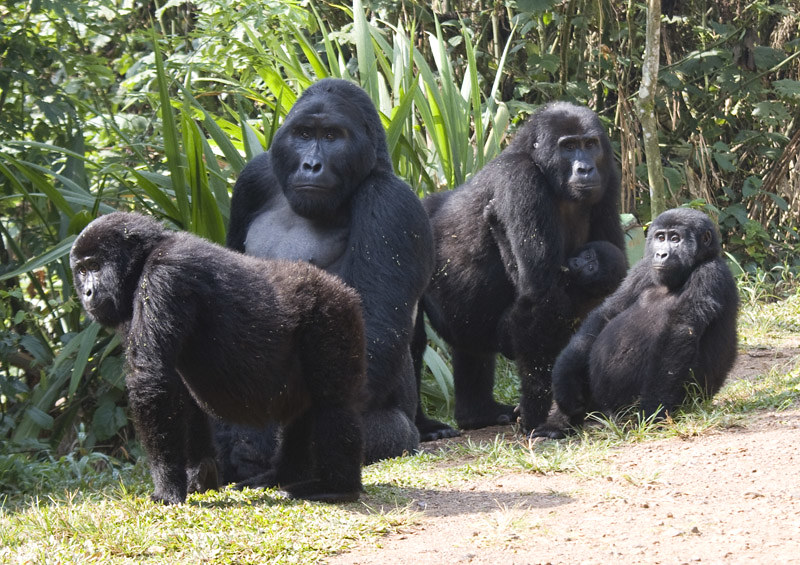
Bwindi is famous for its mountain gorillas, but the forest supports several other primate species.
During a nature walk, visitors may hear or observe monkeys moving through the canopy or vegetation.
The forest environment provides important habitat for primates because it offers food, shelter and opportunities for movement.
However, sightings are not guaranteed, and visitors should appreciate the forest experience regardless of whether a particular primate appears.
This is an important difference between a nature trail and a specialized primate-tracking activity.
Butterflies and Insects
The Neck Nature Trail is also interesting for travelers fascinated by butterflies and insects.
Bwindi’s humid forest environment supports an extraordinary variety of insects.
Butterflies can sometimes be seen moving through clearings and along forest paths, particularly where sunlight reaches the vegetation.
Other insects may be hidden among leaves, tree trunks and fallen vegetation.
For photographers, these smaller creatures provide excellent subjects because they reveal another layer of Bwindi’s biodiversity.
A guide can also explain how insects contribute to pollination, decomposition and the wider functioning of the forest.
Plants and Forest Ecology
The vegetation of Bwindi is one of the major attractions of any nature trail.
The forest contains large trees, vines, ferns, mosses, shrubs and many other plant species.
Some plants grow high above the trail while others occupy the forest floor.
The different layers of vegetation create a complex ecosystem in which species depend on one another.
Birds feed on fruits and insects, insects pollinate plants, fallen leaves contribute nutrients to the soil and larger animals help disperse seeds.
The Neck Nature Trail provides an opportunity to observe these relationships while walking through the forest.
The Forest Canopy
Looking upward is an important part of the Neck Nature Trail experience.
The canopy can appear like a green ceiling above the trail, but it is actually a highly active environment.
Birds move between branches, monkeys may travel through the trees and insects live among leaves and bark.
The canopy also influences the amount of light reaching the forest floor.
Some areas may be relatively dark and cool, while small openings can allow sunlight to penetrate the vegetation.
These changes create different microhabitats throughout the forest.
The Sounds of the Neck Forest
The sounds of the forest are among the most memorable aspects of the trail.
Bird calls may come from different directions, while insects create continuous background sounds.
Leaves rustle as animals move through vegetation, streams may flow nearby and wind can move through the canopy.
For many visitors, this natural soundtrack is more memorable than any individual sighting.
It is also an important reason why guides encourage visitors to remain quiet during sections of the walk.
Silence makes it easier to hear birds and detect movement in the vegetation.
The Neck Nature Trail for Photographers
The trail can be rewarding for nature photographers because it provides opportunities to photograph landscapes, plants, insects, birds and forest details.
The dense vegetation creates interesting compositions, particularly when light filters through the canopy.
Photographers can also focus on smaller subjects rather than trying to capture only large wildlife.
A butterfly resting on a leaf, moss growing across a tree trunk or sunlight illuminating a section of forest can all become memorable photographs.
The challenge is working with changing light conditions.
The forest canopy can create low-light situations, meaning photographers should be prepared for photography in shaded environments.
The Neck Nature Trail and Gorilla Trekking
One of the advantages of staying in Buhoma is the ability to combine several forest experiences.
Visitors who come to Bwindi for gorilla trekking can use a nature trail to discover another side of the ecosystem.
Gorilla trekking involves following trackers through the forest in search of a habituated gorilla family. It can involve steep terrain and several hours of walking.
The Neck Nature Trail has a different purpose.
It is about observing the forest as a whole rather than focusing on one particular animal.
Combining the two activities can therefore create a more complete understanding of Bwindi.
The Neck Nature Trail and Birdwatching
Birdwatchers can also combine the Neck Nature Trail with other birding experiences around Buhoma.
Different trails and habitats can produce different species, and exploring more than one area can increase the variety of birds encountered.
The forest’s dense vegetation means that birding requires patience.
A guide may identify a bird from its call and spend several minutes helping the group locate it.
For serious birdwatchers, this process can be part of the enjoyment rather than a frustration.
The satisfaction comes not only from seeing the bird but from understanding how to find it.
Best Time for the Neck Nature Trail
The Neck Nature Trail can be explored during different seasons, and each period can provide a unique forest experience.
During wetter periods, Bwindi becomes particularly lush and green. Rain can also create beautiful misty conditions within the forest.
The forest environment can be slippery after rainfall, however, so visitors should be prepared for wet and muddy sections.
Drier periods may provide somewhat easier walking conditions, although Bwindi remains a rainforest and rain can occur at different times of the year.
For birdwatchers, nature enthusiasts and photographers, the best time may depend more on their specific interests than on a single season.
What to Expect During the Walk
Visitors should approach the Neck Nature Trail prepared for a genuine forest walk.
The terrain can be uneven, and Bwindi’s landscape is characterized by hills, valleys and dense vegetation.
The walking experience is therefore different from a flat nature walk in a city park.
Comfortable hiking clothing and suitable footwear are important.
Visitors should also carry drinking water and protect themselves from changing weather conditions.
Because the trail takes place within a protected forest, visitors should always follow the instructions of their guide and park authorities.
Is the Neck Nature Trail Difficult?
The difficulty of a forest trail depends on the route, weather and physical condition of the visitor.
Bwindi is a mountainous forest environment, so travelers should expect some climbing and uneven terrain.
The presence of roots, mud, rocks and narrow sections can make walking more demanding than an ordinary nature walk.
However, the experience can be approached at a suitable pace.
Visitors should communicate with their guide if they need to stop for rest.
The goal is not to complete the trail as quickly as possible but to enjoy the forest and learn about its biodiversity.
Responsible Tourism on the Neck Nature Trail
Responsible tourism is particularly important in Bwindi because the forest contains sensitive ecosystems and endangered wildlife.
Visitors should avoid leaving rubbish behind and should not remove plants, flowers, rocks or other natural materials from the forest.
Wildlife should be observed without being chased or disturbed.
Birds should not be followed aggressively for photographs, and visitors should avoid unnecessary noise.
Staying on designated routes helps reduce damage to vegetation and minimizes disturbance to the forest floor.
Responsible behavior ensures that the Neck and surrounding forest remain healthy for wildlife and future visitors.
The Conservation Importance of Bwindi
The value of the Neck Nature Trail cannot be separated from the wider conservation importance of Bwindi Impenetrable National Park.
Bwindi is an important habitat for mountain gorillas and many other species.
Its location within the Albertine Rift gives the forest additional conservation significance because the region contains many species with restricted ranges.
Protecting Bwindi therefore protects far more than one famous animal.
It protects an entire ecosystem.
Nature tourism can help create greater awareness of this importance by allowing visitors to experience the forest directly.
Why Visit the Neck Nature Trail?
The Neck Nature Trail is ideal for travelers who want to experience Bwindi at a slower pace.
It offers an opportunity to walk through the forest without the sole objective of finding gorillas.
The trail allows visitors to appreciate birds, plants, butterflies, insects, primates and the natural sounds of the forest.
It also provides an educational opportunity to learn about the relationships between different parts of the ecosystem.
For travelers staying in Buhoma for several days, a nature walk can be an excellent way to fill the itinerary with an experience that complements gorilla trekking.
The Neck Nature Trail for Families and Nature Lovers
Families and nature lovers can appreciate the trail because it encourages observation and learning.
Children can discover how different plants grow, listen for birds and look for butterflies and other insects.
The experience can also help younger travelers understand why forests need to be protected.
However, the physical demands of the terrain should be considered when planning a walk with young children.
Travelers should choose activities according to their fitness and comfort levels.
The Neck Nature Trail for Birdwatchers
For birdwatchers, the trail provides another opportunity to explore Bwindi’s forest habitats.
The possibility of hearing an Albertine Rift species calling from the canopy can make the walk particularly exciting.
Birdwatchers should be prepared to spend time standing quietly and scanning the vegetation.
The forest is not an environment where every bird will simply appear in an open view.
Patience, a good guide and careful listening are often more important than speed.
A Deeper Bwindi Experience
The Neck Nature Trail demonstrates why Bwindi should not be viewed only as a destination for gorilla trekking.
The forest contains countless ecological stories that can only be appreciated by slowing down and walking through it.
A tree can provide food and shelter for insects and birds. A stream can support amphibians and provide drinking water. Fallen vegetation can return nutrients to the soil. A small clearing can provide sunlight for plants and attract butterflies.
These details form the foundation of the ecosystem.
Walking through the Neck allows visitors to experience this interconnected environment rather than simply observing isolated wildlife.
Conclusion
The Neck Nature Trail in Bwindi Impenetrable National Park offers a quiet and immersive way to explore the forest around Buhoma.
Rather than focusing on one particular animal, the trail invites visitors to discover the wider ecosystem through birds, plants, butterflies, insects, primates and the natural sounds of the rainforest.
Its location within the forest’s interconnected habitat also provides an opportunity to understand why conservation is so important in Bwindi.
For travelers who have already planned gorilla trekking, adding a guided nature walk can provide a completely different perspective of the destination. Gorilla trekking introduces visitors to one of Africa’s most remarkable primates, while the Neck Nature Trail reveals the forest that makes their survival possible.
The experience is ultimately about slowing down and paying attention. In Bwindi, some of the most memorable discoveries may not be the largest animals. They may be a rare bird calling from the canopy, a butterfly resting beside the trail, sunlight filtering through ancient trees or the sound of a hidden stream moving through the forest.
The Neck Nature Trail provides exactly this kind of experience. It allows travelers to step away from the busy pace of conventional sightseeing and enter the quiet world of Bwindi, where every tree, sound and movement contributes to one of Uganda’s most extraordinary forest ecosystems.



No comment