Meeting the Shoebill: Uganda’s Prehistoric-Looking Bird
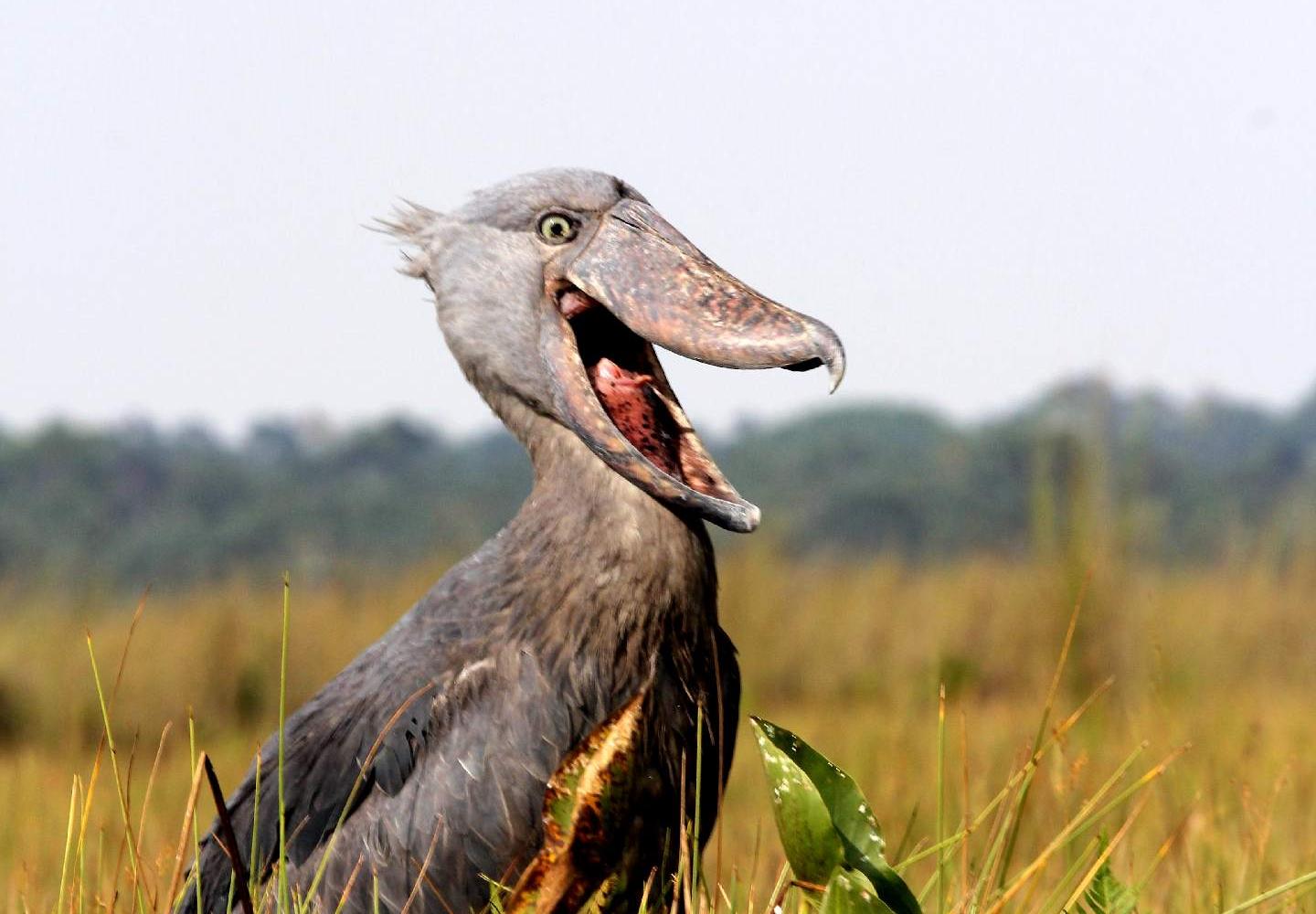
There are few wildlife encounters in Africa that leave visitors as speechless as their first sighting of a shoebill stork. Standing motionless among the papyrus reeds, with piercing eyes fixed on the water and an enormous shoe-shaped bill dominating its face, the shoebill looks less like a modern bird and more like a creature that has somehow survived from the age of dinosaurs.
For many travelers visiting Uganda, seeing a mountain gorilla is the ultimate wildlife experience. Yet those who have tracked a shoebill through the country’s wetlands often describe the encounter as equally unforgettable. The shoebill is one of the rarest and most sought-after birds in Africa, attracting birdwatchers, photographers, and nature enthusiasts from across the globe.
Uganda is widely considered one of the best places in the world to see this remarkable bird in its natural habitat. Thanks to its extensive wetlands and successful conservation efforts, the country offers visitors a realistic opportunity to observe a wild shoebill at close range.
Why the Shoebill Looks Prehistoric
The first thing people notice about the shoebill is its appearance. Everything about the bird seems unusual.
Adult shoebills can reach a height of nearly 1.5 meters, making them one of Africa’s tallest birds. Their wingspan can stretch more than two meters, giving them an impressive presence when in flight. However, it is the bill that immediately captures attention.
The bill is enormous, broad, and shaped somewhat like a wooden clog or shoe, which is how the bird received its common name. The edges are sharp and hooked, allowing the shoebill to grasp slippery prey with remarkable efficiency.
Its large eyes are positioned toward the front of its head, giving it excellent depth perception while hunting. Combined with its grey feathers, slow movements, and dinosaur-like posture, the bird appears as though it belongs to another era.
Scientists often describe the shoebill as one of the most ancient-looking bird species alive today. Although it is not actually a dinosaur, its appearance certainly fuels the imagination.
Where Shoebills Live
Shoebills are highly specialized birds that depend on freshwater wetlands.
They prefer areas with extensive papyrus swamps, marshes, floodplains, and shallow water where fish are abundant. These habitats provide both food and shelter.
The global population of shoebills is relatively small and scattered across a few countries in East and Central Africa. Uganda remains one of the strongestholds for the species.
The country’s wetlands provide ideal conditions for shoebills, making it one of the most reliable destinations for sightings.
Why Uganda Is One of the Best Places to See Shoebills
Uganda has earned an international reputation as a premier birdwatching destination. With more than 1,000 bird species recorded, it offers exceptional opportunities for bird enthusiasts.
The shoebill stands at the top of many birdwatchers’ wish lists.
Several wetland areas across Uganda support healthy shoebill populations. The most famous location is Mabamba Swamp, situated along the northern shores of Lake Victoria.
Mabamba has become internationally recognized for shoebill tracking because sightings are frequent and accessible. Visitors travel through narrow channels in small boats while experienced local guides search for birds feeding among the papyrus.
The combination of beautiful scenery and high sighting success makes Mabamba one of the best birding locations in Africa.
The Experience of Tracking a Shoebill
Shoebill tracking is very different from a traditional safari.
The adventure often begins early in the morning when wetlands are calm and bird activity is at its peak. Guides navigate quietly through channels lined with papyrus reeds while scanning the vegetation ahead.
Part of the excitement comes from not knowing when the bird will appear.
Sometimes the shoebill is visible from a distance, standing perfectly still as it watches the water. At other times, it remains hidden until the boat rounds a bend and suddenly reveals the giant bird only a few meters away.
The silence of the wetlands adds to the experience. Apart from the sounds of other birds and occasional splashes in the water, the environment feels peaceful and untouched.
When the shoebill finally comes into view, most visitors are surprised by its size and presence.
A Master Hunter
The shoebill is one of Africa’s most skilled wetland predators.
Unlike many birds that actively search for food, shoebills rely on patience. They often stand motionless for long periods while waiting for prey to approach.
This hunting strategy requires incredible concentration.
When the moment arrives, the bird strikes with astonishing speed. Its powerful bill plunges into the water, capturing fish, frogs, snakes, and other aquatic animals.
Lungfish are among its favorite prey. These fish often inhabit shallow swamp waters, making them ideal targets.
Watching a shoebill hunt successfully is one of the highlights of any tracking excursion.
The Famous Shoebill Stare
One characteristic that has made the shoebill famous among photographers is its intense stare.
The bird often appears completely focused on whoever is observing it. Its large eyes seem fixed on a single point, creating an almost intimidating presence.
Many visitors describe feeling as though the bird is studying them rather than the other way around.
This behavior contributes significantly to the shoebill’s reputation as one of the most unusual birds in Africa.
Shoebill Communication
Despite their quiet nature, shoebills communicate in fascinating ways.
Their most famous behavior is bill clattering. During this display, the bird rapidly opens and closes its bill to create a loud rattling sound that resembles machine gun fire.
This behavior is commonly used during greetings, courtship, and interactions between parents and chicks.
Young shoebills also produce soft calls when communicating with adults, especially during feeding periods.
These communication methods reveal a social side that many people do not expect from such a solitary-looking bird.
The Importance of Wetland Conservation
The future of the shoebill depends heavily on wetland conservation.
Wetlands provide food, nesting sites, and protection for the species. However, these habitats face increasing pressure from agriculture, drainage, settlement expansion, and pollution.
Conservation organizations and local communities have worked together to protect key shoebill habitats throughout Uganda.
Ecotourism has become an important part of these efforts. By attracting visitors interested in seeing shoebills, local communities gain economic benefits from protecting wetlands rather than converting them to other uses.
This creates incentives that support both conservation and sustainable livelihoods.
Photography Opportunities
Few birds offer photographic opportunities quite like the shoebill.
Its size, unusual appearance, and calm behavior make it a favorite subject for wildlife photographers. Because shoebills often remain stationary for extended periods, photographers have time to capture detailed images from different angles.
Early morning light in Uganda’s wetlands creates particularly beautiful conditions for photography.
Images of shoebills standing among the papyrus often become some of the most memorable photographs from an African safari.
Combining Shoebill Tracking with Other Safari Activities
One reason shoebill tracking is so popular in Uganda is that it can easily be combined with other wildlife experiences.
Many travelers include a shoebill excursion before embarking on gorilla trekking in Bwindi Impenetrable National Park or game drives in Queen Elizabeth National Park and Murchison Falls National Park.
This combination allows visitors to experience both Uganda’s famous mammals and its extraordinary birdlife during a single trip.
For dedicated birdwatchers, the shoebill often becomes the highlight of an already impressive itinerary.
Why the Shoebill Captivates Visitors
The shoebill is more than just a rare bird. It represents a connection to a world that feels ancient and untouched.
Its prehistoric appearance, remarkable hunting skills, and mysterious behavior create an experience unlike any other wildlife encounter in Africa.
Standing a few meters away from a wild shoebill in the wetlands of Uganda is a moment that stays with travelers long after their safari ends. Whether you are an experienced birder, a photographer, or simply someone who appreciates nature, meeting this extraordinary bird is one of the most rewarding wildlife experiences Uganda has to offer.