
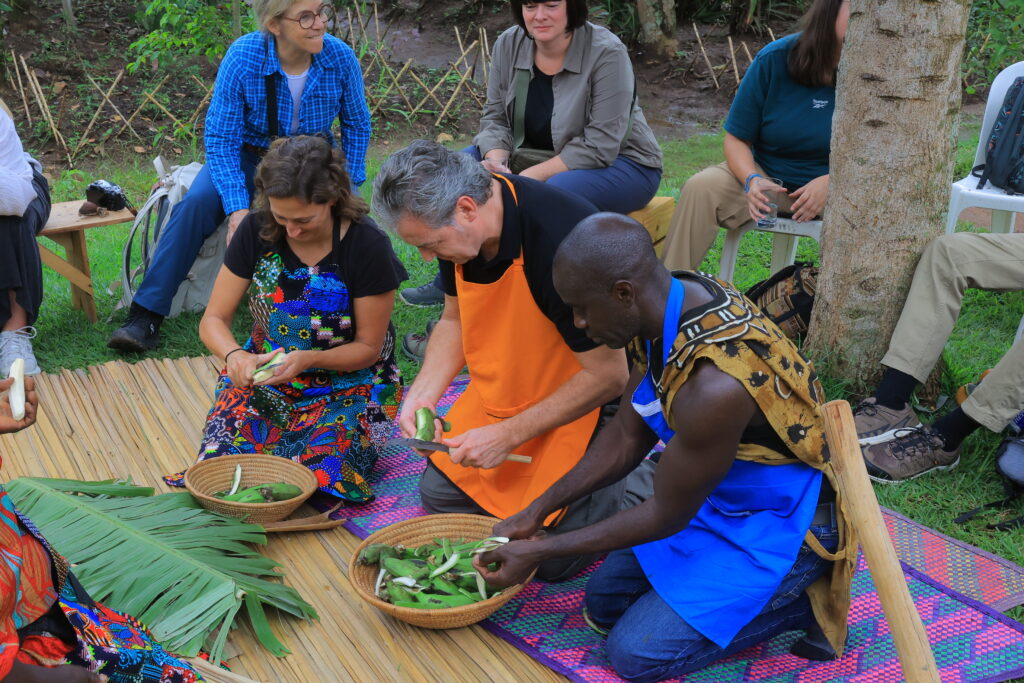
Luganda Phrases That Will Make Ugandans Smile
Nothing breaks the ice between a visitor and a Ugandan host quite as reliably as attempting even a single word of Luganda, the widely spoken Bantu language native to the Buganda region and genuinely useful across much of central Uganda including Kampala itself. Learning a handful of Luganda phrases rewards visitors with genuine warmth and delighted reactions, transforming routine interactions into considerably more memorable, personally connected exchanges.
Key Highlights
- Luganda is the most widely spoken indigenous language in Uganda, concentrated around Kampala and central Uganda
- “Oli otya” serves as the standard greeting, genuinely appreciated even with imperfect pronunciation
- Expressing thanks through “Webale” works across countless everyday situations and interactions
- Attempting Luganda, even imperfectly, signals genuine respect and effort that Ugandans consistently appreciate
- Certain phrases carry particular cultural warmth, including greetings specifically for elders
- Mispronunciation rarely causes offence, Ugandans generally responding with encouragement rather than correction
Why Luganda Matters for Visitors
Luganda stands as Uganda’s most widely spoken indigenous language, concentrated particularly around Kampala and the broader central Buganda region where the vast majority of international visitors spend at least some portion of their Uganda itinerary, making basic Luganda phrases genuinely useful across considerable practical travel contexts. While English serves as Uganda’s official language and remains widely understood, attempting Luganda specifically signals genuine cultural interest and respect that considerably exceeds what purely English-language interaction typically conveys to Ugandan hosts and acquaintances.
Why Effort Matters More Than Perfection
Ugandans consistently respond with genuine warmth to visitors attempting Luganda phrases, even when pronunciation proves considerably imperfect, the effort itself communicating respect and interest that matters considerably more than achieving flawless pronunciation on a first attempt.
Essential Greetings: Oli Otya
The standard Luganda greeting “Oli otya,” roughly translating to “how are you,” serves as the essential starting point for nearly any interaction, the expected response “Gyendi” meaning “I am fine” completing this basic but genuinely important conversational exchange. Mastering this simple greeting exchange alone provides visitors with a genuinely useful conversational tool applicable across countless daily interactions, from greeting hotel staff to beginning conversations with safari guides and local vendors throughout a Uganda visit.
Building on the Basic Greeting
Once comfortable with the basic “Oli otya” exchange, visitors can expand their greeting repertoire with “Wasuze otya” for morning greetings specifically, demonstrating slightly more sophisticated language engagement that often earns particularly warm, appreciative responses from Ugandan hosts.
Expressing Thanks: Webale
“Webale,” meaning thank you, ranks among the most genuinely useful Luganda phrases for visitors, applicable across virtually any situation involving assistance, service or kindness received throughout a Uganda visit, from restaurant service to safari guide assistance to simple everyday courtesies. This single word’s broad applicability makes it genuinely valuable to memorise early, “Webale” working appropriately across considerably more situations than visitors might initially expect from such a simple, single-word expression.
Expressing Greater Gratitude
For situations warranting more emphatic thanks, “Webale nyo” adds genuine emphasis, roughly translating to “thank you very much,” a useful addition for moments when simple “Webale” alone feels insufficient to express genuine appreciation for particularly helpful or kind assistance received.
Greeting Elders With Appropriate Respect
Luganda includes specific greeting conventions showing particular respect toward elders, “Ssebo” for addressing older or respected men and “Nnyabo” for women serving as genuinely important honorific terms that demonstrate cultural awareness around Uganda’s broader social respect for age and seniority. Using these honorific terms appropriately when greeting older Ugandans or those in positions of authority signals genuine cultural sensitivity that considerably impresses hosts beyond what generic greetings alone could convey.
Why Respect for Elders Matters Culturally
Ugandan culture generally places considerable value on respecting elders and those in positions of seniority, making appropriate use of honorific terms like Ssebo and Nnyabo a genuinely meaningful way for visitors to demonstrate awareness of and respect for this important cultural value.
Other Genuinely Useful Phrases
Beyond basic greetings and thanks, several other Luganda phrases prove genuinely useful for visitors, including “Nkwagala” expressing fondness or appreciation, “Kale” meaning okay or alright, and “Weebale kunzikiriza” for thanking someone for their hospitality specifically, each adding useful conversational tools for different common travel situations. Learning even a small selection of these additional phrases considerably expands a visitor’s practical conversational capability, moving beyond simple greetings into slightly more nuanced everyday interaction.
Food and Dining Phrases
For dining situations specifically, “Emmere nnungi” expressing that food is delicious represents a genuinely appreciated phrase, Ugandan hosts and restaurant staff typically responding with evident delight when visitors specifically compliment food using this Luganda expression rather than English alone.
Why Mispronunciation Rarely Causes Offence
Visitors should feel genuinely comfortable attempting Luganda phrases despite anticipated pronunciation difficulties, Ugandans consistently responding with patient encouragement and genuine appreciation rather than correction or amusement at visitors’ imperfect attempts to engage with their language. This welcoming reception reflects broader Ugandan hospitality values, genuine effort toward cultural engagement receiving warm encouragement regardless of technical linguistic precision, making language attempts a genuinely low-risk, high-reward way to build connection during a visit.
Learning Through Direct Practice
The best way to improve Luganda pronunciation involves direct practice with patient Ugandan hosts and guides, most genuinely happy to help visitors refine pronunciation through friendly correction and repetition offered considerably more as encouragement than formal language instruction.
Beyond Luganda: Uganda’s Broader Linguistic Diversity
While Luganda proves genuinely useful particularly around Kampala and central Uganda, visitors travelling to other regions will encounter different indigenous languages reflecting Uganda’s considerable ethnic and linguistic diversity, making Luganda phrases specifically most relevant for the central region rather than universally applicable nationwide. Visitors travelling extensively across different Ugandan regions might consider learning basic greetings in locally relevant languages for each specific area visited, though Luganda’s wide recognition even in other regions makes it a genuinely solid starting point for most standard itineraries.
Phrases for Shopping and Bargaining
Visitors navigating local markets will find a few additional Luganda phrases genuinely useful, “Lipapi?” roughly asking “how much” offering a practical tool for market interactions, while “Kinene nnyo” expressing that a price seems too high can open friendly bargaining conversation with vendors who often respond warmly to buyers attempting Luganda during price negotiations. These market-specific phrases, combined with a smile and patient, good-natured negotiation style, often produce both better prices and more genuinely pleasant market interactions than attempting negotiation purely in English alone.
Why Vendors Respond Warmly to Language Attempts
Market vendors particularly appreciate visitors attempting Luganda during price negotiations, the language effort often creating a more relaxed, friendly negotiating atmosphere than purely transactional English-language bargaining typically produces between unfamiliar parties.
Learning Resources Before Your Trip
Visitors wanting to learn additional Luganda phrases before travelling can find genuinely useful resources through language learning apps, YouTube tutorials and basic phrasebooks specifically covering Luganda, though even modest pre-trip preparation covering just the essential greetings and thank-you phrases covered here provides considerable practical value during an actual visit. Combining any pre-trip learning with active practice alongside patient Ugandan hosts during the actual visit itself generally produces the best overall language learning outcome, formal preparation complemented by genuine real-world application and correction.
Why Combining Preparation With Practice Works Best
Pre-trip learning resources provide a useful foundation, but actual conversational practice with patient native speakers during the visit itself typically accelerates genuine pronunciation improvement and practical conversational confidence considerably faster than app-based learning alone could achieve.
Farewell Phrases Worth Knowing
Just as a warm Luganda greeting opens an interaction well, a thoughtful farewell phrase leaves an equally positive lasting impression, “Weraba” serving as a general goodbye applicable across most departing situations, while “Tunabalabagana” expressing hope to see someone again adds genuine warmth to farewells with hosts or guides visitors have particularly connected with during their stay. Using these farewell phrases alongside a genuine smile and perhaps a handshake creates a memorable, warm conclusion to interactions that purely English farewells alone often fail to convey quite as effectively.
Why Farewells Matter as Much as Greetings
A warm, culturally appropriate farewell leaves a lasting positive impression that can matter just as much as an initial greeting, particularly with guides, hosts or new acquaintances visitors hope to maintain genuine connection with beyond the immediate interaction itself.
A Small Effort With Outsized Rewards
The modest time investment required to learn a handful of basic Luganda phrases consistently rewards visitors with genuinely warmer, more memorable interactions throughout their Uganda journey, a small effort producing outsized returns in connection and goodwill.
Frequently Asked Questions
What’s the most useful Luganda phrase to learn first?
“Oli otya” (how are you) with the response “Gyendi” (I am fine) provides an essential starting greeting exchange.
How do I say thank you in Luganda?
“Webale” works across most situations, with “Webale nyo” adding emphasis for more emphatic thanks.
Will Ugandans be offended by my pronunciation mistakes?
No, genuine effort is consistently appreciated and met with patient encouragement rather than correction or amusement.
What are Ssebo and Nnyabo?
Respectful honorific terms for addressing older or respected men (Ssebo) and women (Nnyabo) within Luganda culture.
Is Luganda useful outside of Kampala and central Uganda?
It’s most relevant for central Uganda specifically, though its wide recognition makes it a solid starting point nationally.
Recommended Safaris
Learning a few Luganda phrases adds genuine warmth and connection to any Uganda safari experience. Ready to explore this welcoming culture for yourself? Reach our team through our Book Now page and we’ll plan it around your dates.




No comment