
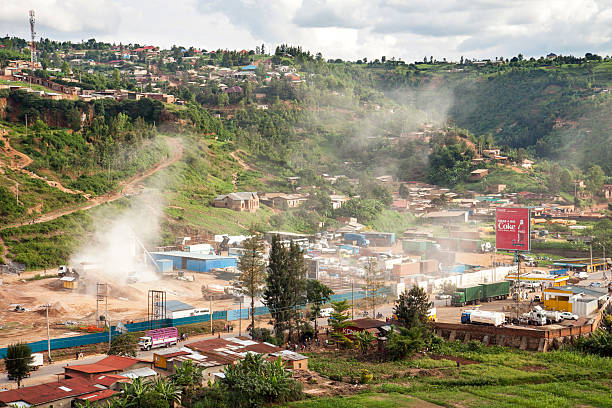
Kabale Town as a Base: Markets, Hills and Day Trips
Kabale Town in southwestern Uganda is one of the most convenient places to stay while exploring the country’s beautiful highlands, traditional markets, scenic lakes and mountain gorilla destinations. Surrounded by cultivated hills and winding valleys, Kabale offers travellers a combination of local culture, comfortable accommodation and access to some of Uganda’s most memorable natural attractions.
Often called the gateway to Lake Bunyonyi, Kabale is an excellent base for travellers who prefer exploring different destinations without changing accommodation every night. Visitors can discover colourful produce markets, enjoy walks through hillside communities, visit nearby lakes and plan excursions towards Bwindi Impenetrable National Park.
Unlike Uganda’s busy capital, Kampala, Kabale has a relatively relaxed atmosphere. Its cool highland climate, friendly communities and attractive countryside make it particularly rewarding for travellers interested in photography, culture and outdoor activities.
Where Is Kabale Town Located?
Kabale lies in southwestern Uganda, within the Kigezi Highlands, approximately 420 kilometres from Kampala by road.
The town sits at an elevation of roughly 1,900 metres above sea level, contributing to its cooler temperatures.
Kabale is an important commercial and transport centre connecting southwestern Uganda with Rwanda and neighbouring districts.
Quick Facts About Kabale
| Feature | Description |
|---|---|
| Country | Uganda |
| Region | Southwestern Uganda |
| District | Kabale |
| Landscape | Hills, valleys and terraced farmland |
| Elevation | Approximately 1,900 metres |
| Main attraction | Highland scenery and local culture |
| Nearby lake | Lake Bunyonyi |
| Popular activities | Markets, hiking and cultural walks |
| Accommodation | Hotels, guesthouses and lodges |
| Recommended stay | Two to four nights |
Why Choose Kabale as Your Travel Base?
Kabale provides convenient access to several attractions without requiring visitors to stay in remote accommodation every night.
The town has restaurants, shops, banks, medical facilities and different accommodation options.
Travellers can arrange guided activities during the day before returning to town in the evening.
It is particularly useful for exploring Lake Bunyonyi and the surrounding Kigezi countryside.
However, travellers planning early gorilla trekking should consider accommodation closer to their assigned trekking sector, since some Bwindi locations require substantial driving.
Exploring Kabale’s Local Markets
Kabale’s markets offer an interesting introduction to everyday life in southwestern Uganda.
Local farmers bring vegetables, fruits, grains and other produce from surrounding villages.
Market stalls may display Irish potatoes, bananas, beans, cabbages, tomatoes and seasonal fruits.
What Makes the Markets Interesting?
Kabale serves an important agricultural region.
The surrounding hills support intensive farming, and agricultural trade plays a major role in local livelihoods.
Visitors can observe produce being sorted, transported and sold.
Markets also provide opportunities to purchase locally made items.
Always ask permission before photographing traders or their stalls.
Walking Through Kabale Town
A guided town walk introduces travellers to Kabale’s commercial streets, neighbourhoods and local institutions.
The town’s elevated position creates views of surrounding hills from different locations.
Visitors may encounter busy shopping streets, small restaurants, churches and roadside businesses.
What to Expect During a Town Walk
Local guides can explain the region’s history, farming traditions and cultural identity.
Walks can also introduce visitors to ordinary community life.
The experience is particularly suitable for travellers who enjoy learning about destinations beyond conventional tourist attractions.
Comfortable shoes are recommended because some streets and surrounding paths are steep.
The Beautiful Hills of Kigezi
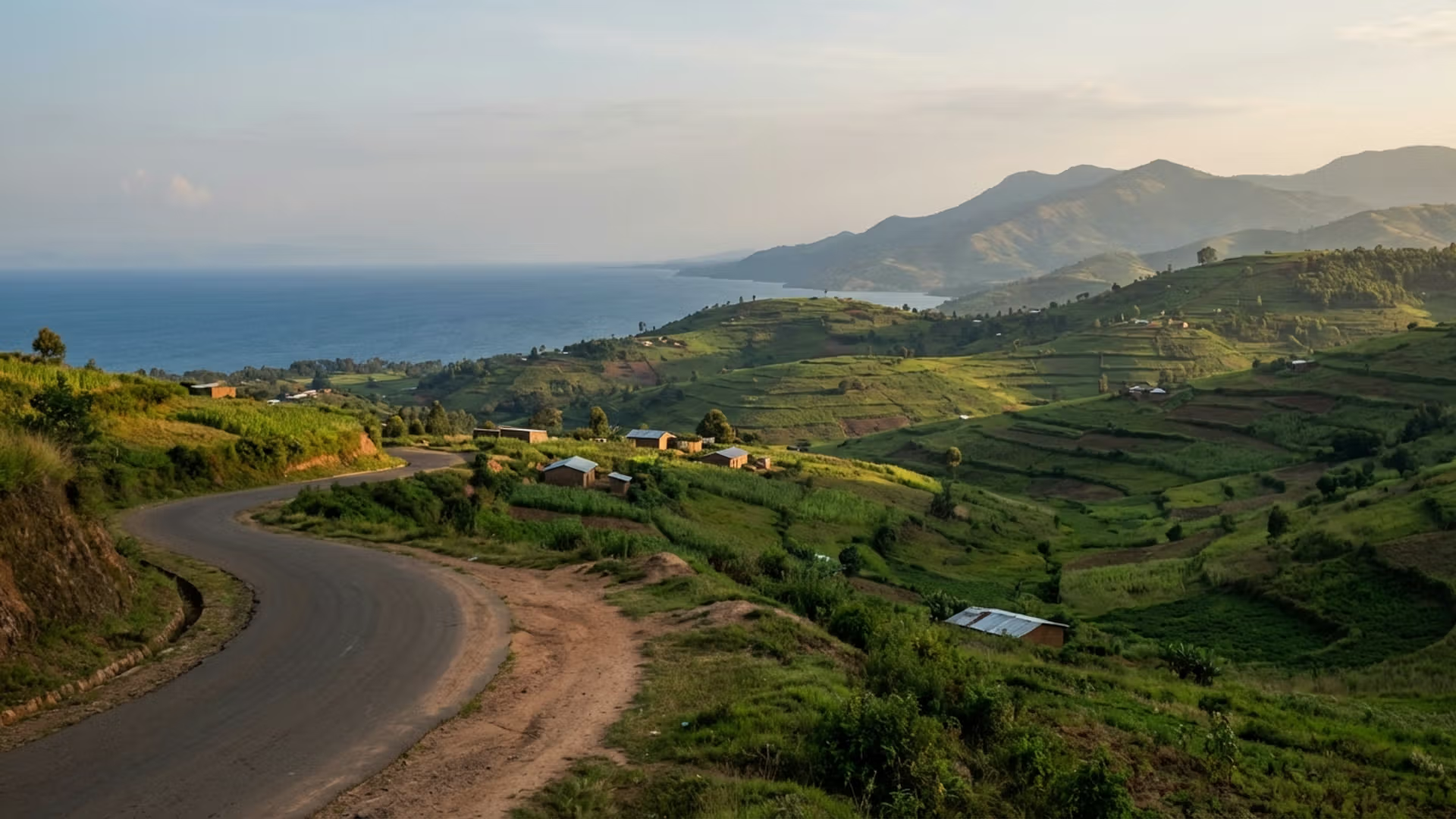
The Kigezi Highlands are among Uganda’s most picturesque landscapes.
Steep green hills rise above narrow valleys, with cultivated terraces creating distinctive patterns across the slopes.
Many households grow crops on carefully managed hillside gardens.
The landscape changes throughout the year according to rainfall and agricultural seasons.
Why the Hills Are Terraced
Terracing allows farmers to cultivate steep land while helping manage water movement and soil loss.
The terraces also create beautiful scenery for landscape photography.
Visitors should remember that these are working farms rather than public walking areas.
Guided routes should respect private property and local agricultural activities.
Lake Bunyonyi: Kabale’s Most Popular Day Trip
Lake Bunyonyi lies approximately 7–10 kilometres from Kabale, depending on the selected lakeshore destination.
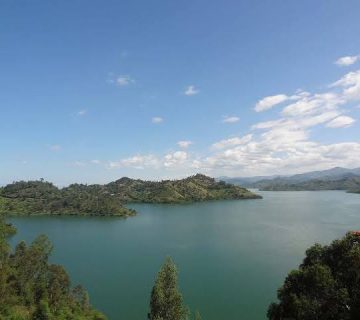
It is famous for its numerous islands, calm scenery and surrounding terraced hills.
The lake provides opportunities for canoeing, boat excursions, birdwatching and relaxation.
What Can You Do at Lake Bunyonyi?
Visitors can arrange guided boat trips to selected islands.
Traditional canoe excursions offer a slower way to explore the water.
Lakeside walks provide attractive views of the surrounding countryside.
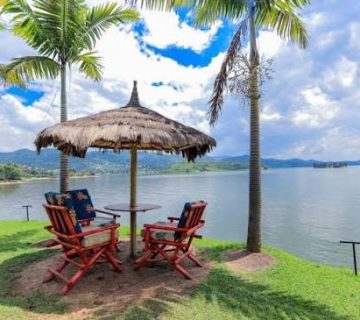
Several accommodation properties also offer restaurants and relaxation areas.
Because the lake is deep and conditions vary, visitors should use life jackets during water activities.
Visiting Lake Bunyonyi’s Islands
Lake Bunyonyi contains numerous islands associated with local history and cultural traditions.
Some islands support homes, gardens and accommodation facilities.
Others are associated with stories passed down through generations.
Punishment Island
Akampene, commonly called Punishment Island, is associated with historical accounts concerning unmarried pregnant girls.
Guides may explain these traditions during boat excursions.
Visitors should approach the stories sensitively because they concern painful experiences and changing social attitudes.
Not every island is freely accessible, so landings should be arranged with permission.
Hiking Around Lake Bunyonyi
The hills around Lake Bunyonyi provide excellent opportunities for guided walking.
Routes pass through villages, cultivated terraces and elevated viewpoints.
Some walks are relatively easy, while others involve steep climbs.
Best Hiking Experience
Morning hikes are generally comfortable because temperatures are cooler.
Visitors should carry drinking water, wear suitable shoes and use local guides.
The most rewarding viewpoints reveal the lake’s islands surrounded by green hills.
Avoid entering cultivated fields without permission.
Day Trips to Bwindi Impenetrable National Park
Bwindi Impenetrable National Park is among Uganda’s most important wildlife destinations.
The park protects endangered mountain gorillas and extensive tropical forest habitats.
Kabale can serve as a starting point for certain Bwindi journeys.
However, the park contains several trekking sectors, including Buhoma, Ruhija, Rushaga and Nkuringo.
Can You Trek Gorillas From Kabale?
It may be possible to reach some trekking locations from Kabale, but travel times vary considerably.
Gorilla tracking briefings usually begin early in the morning.
Visitors should therefore confirm their permit sector and driving time before choosing accommodation.
For many travellers, staying near the assigned trekking headquarters is more convenient.
Exploring Nearby Cultural Communities
The Kigezi region is associated with Bakiga cultural traditions.
Visitors can learn about local food, farming, music and community history through arranged cultural experiences.
What You May Experience
A community walk may introduce travellers to traditional food preparation, crafts and agricultural practices.
Local guides can explain how families adapt farming activities to the highland environment.
Cultural visits should involve willing participants who benefit fairly from tourism.
Always respect privacy and ask permission before taking photographs.
Echuya Forest Reserve as a Day Trip
Echuya Central Forest Reserve lies along the Kabale–Kisoro road and protects an important high-altitude forest ecosystem.
The reserve contains bamboo vegetation, montane forest and habitats supporting numerous birds.
Guided nature walks can introduce visitors to the forest’s distinctive plants and surrounding communities.
Birdwatching in Echuya
Echuya is particularly attractive to birdwatchers interested in Albertine Rift species.
Birds may be difficult to locate within dense vegetation, making experienced local guides valuable.
Visitors should arrange forest access and guiding before travelling.
Where to Stay in Kabale
Kabale offers accommodation ranging from budget guesthouses to comfortable hotels.
Staying in town provides convenient access to restaurants, shops and transport services.
Lake Bunyonyi offers additional lodges for travellers who prefer quieter surroundings.
| Accommodation type | Suitable travellers |
|---|---|
| Budget guesthouses | Backpackers and independent visitors |
| Town hotels | Families and business travellers |
| Lakeside cottages | Couples and relaxation holidays |
| Countryside lodges | Travellers seeking scenic surroundings |
Choose accommodation according to planned activities and travelling distances.
Best Time to Visit Kabale
Kabale can be visited throughout the year.
June to August and December to February generally offer relatively drier conditions for hiking and sightseeing.
However, rain can fall during any month.
The town’s high elevation means mornings and evenings can become cool.
A sweater and lightweight rain jacket are useful even during relatively dry periods.
How to Reach Kabale
Kabale is accessible from Kampala through the Masaka–Mbarara highway.
The road journey generally takes seven to nine hours, depending on traffic, roadworks and rest stops.
Travellers arriving from Rwanda can reach Kabale through the Katuna border crossing, subject to immigration requirements.
Private safari vehicles, scheduled buses and arranged transfers serve the region.
Suggested Three-Day Kabale Itinerary
Day One: Town and Markets
Arrive in Kabale and explore the town with a local guide. Visit produce markets, enjoy a traditional meal and photograph the surrounding hills.
Day Two: Lake Bunyonyi
Travel to Lake Bunyonyi for a guided canoe or boat excursion. Explore selected islands and enjoy lakeside scenery before returning to Kabale.
Day Three: Highland Nature Walk
Arrange a guided hike through nearby hills or an excursion to Echuya Forest. Enjoy birdwatching, agricultural scenery and views across the Kigezi Highlands.
Responsible Travel Around Kabale
Kabale’s beautiful landscapes are also important farming and residential areas.
Visitors should respect private gardens and community property.
Use experienced local guides, avoid littering and ask permission before photographing residents.
For boat excursions, choose responsible operators and wear life jackets.
Supporting locally owned accommodation and restaurants helps tourism benefit the wider community.
Why Kabale Is Worth Visiting
Kabale is more than a convenient stop on the way to gorilla trekking.
Its lively markets, terraced hills, cultural traditions and proximity to Lake Bunyonyi create rewarding opportunities for exploration.
The town is particularly suitable for travellers who want to experience everyday life in Uganda’s southwestern highlands.
With comfortable accommodation, guided excursions and beautiful countryside nearby, Kabale provides an excellent base for discovering the Kigezi region.


No comment