
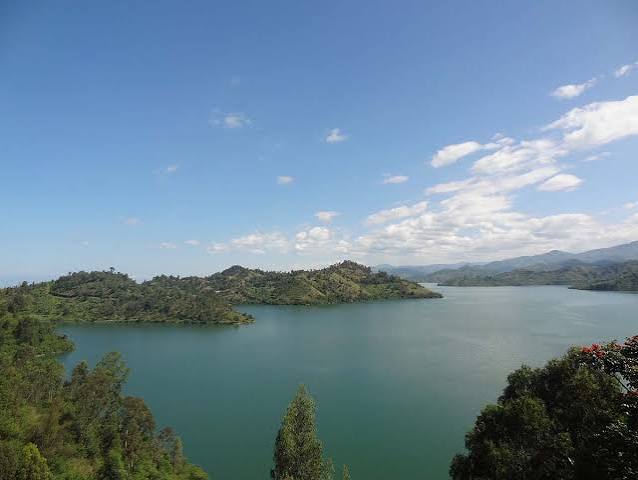
Karongi and Kibuye: Island Hopping on Lake Kivu
Karongi and Kibuye on Lake Kivu offer one of Rwanda’s most beautiful lakeside experiences, combining peaceful boat trips, green islands, fishing villages and spectacular views of the surrounding hills. Located in Rwanda’s Western Province, Karongi is particularly attractive to travellers seeking relaxation, nature photography and outdoor adventures away from the busy streets of Kigali.
Formerly known as Kibuye, the town sits beside a series of sheltered bays overlooking Lake Kivu. Its waterfront offers access to small islands, including Napoleon Island, famous for its fruit bats, and Amahoro Island, known for its peaceful atmosphere.
For visitors exploring Rwanda beyond mountain gorilla trekking, island hopping around Karongi provides a memorable opportunity to experience the country’s beautiful western landscapes.
Where Are Karongi and Kibuye Located?
Karongi is situated on the eastern shore of Lake Kivu in western Rwanda.
Kibuye is the former name of the town and remains widely used in tourism.
The destination lies approximately 130 kilometres from Kigali by road, although the exact distance depends on the route.
Quick Facts About Karongi
| Feature | Description |
|---|---|
| Country | Rwanda |
| Province | Western Province |
| District | Karongi |
| Former town name | Kibuye |
| Main attraction | Lake Kivu islands |
| Popular activities | Boat trips, kayaking and hiking |
| Famous island | Napoleon Island |
| Other attraction | Amahoro Island |
| Recommended stay | Two nights |
| Main gateway | Kigali |
Why Visit Karongi?
Karongi is known for its relaxed atmosphere and attractive waterfront.
Unlike larger commercial towns, much of the destination’s appeal comes from quiet bays, forested hills and islands scattered across the lake.
Visitors can enjoy boat excursions, lakeside restaurants and peaceful accommodation.
The surrounding landscape also provides opportunities for photography, cycling and community walks.
Karongi is particularly suitable for couples, families and travellers seeking a slower pace after demanding safari activities.
Understanding Lake Kivu
Lake Kivu is one of Africa’s Great Lakes, shared by Rwanda and the Democratic Republic of Congo.
It lies within the Albertine Rift, surrounded by steep hills and volcanic landscapes.
The lake supports fishing, transport, tourism and other economic activities.
What Makes Lake Kivu Different?
Lake Kivu contains dissolved gases, including methane and carbon dioxide, within its deep waters.
These gases are monitored because of their geological importance.
Ordinary sightseeing and authorised boat excursions take place on the lake’s surface.
Visitors should nevertheless follow local safety advice and avoid assuming every shoreline is suitable for swimming.
Island Hopping From Karongi
Island hopping is among the most enjoyable activities in Karongi.
Local operators arrange guided boat excursions visiting selected islands and scenic bays.
Some trips last approximately one or two hours, while longer excursions include several stops.
Popular Island Experiences
| Island | Main attraction |
|---|---|
| Napoleon Island | Fruit bats and scenic viewpoints |
| Amahoro Island | Relaxation and peaceful surroundings |
| Nyenyeri Island | Wildlife and lakeside vegetation |
| Mbabara Island | Birdwatching and photography |
| Other small islands | Natural scenery and local stories |
Actual routes depend on weather, access permission and operator arrangements.
Napoleon Island: The Island of Fruit Bats
Napoleon Island, also known as Nyamunini, is among Lake Kivu’s most distinctive attractions.
Its name comes from its shape, which resembles Napoleon Bonaparte’s famous hat when viewed from certain directions.
The island supports a large colony of fruit bats.
What Happens During a Visit?
Boats approach the island, allowing visitors to observe its forested landscape.
Some guided excursions include a walk towards an elevated viewpoint.
From suitable locations, travellers can enjoy expansive views across Lake Kivu.
The terrain can be steep and uneven, so comfortable walking shoes are recommended.
Watching Fruit Bats
Fruit bats are particularly interesting because of their important ecological roles.
Many feed on fruit and help disperse seeds across different habitats.
During daylight, bats may rest in trees.
They become more active towards evening.
Wildlife Viewing Etiquette
Avoid shouting or disturbing roosting bats.
Do not touch animals or enter restricted habitats.
Follow instructions from local guides.
Use suitable camera lenses rather than approaching wildlife unnecessarily.
Responsible observation helps protect the colony.
Amahoro Island: A Peaceful Escape
Amahoro means peace in Kinyarwanda.
The island offers a quieter experience than the wildlife-focused visit to Napoleon Island.
Visitors can enjoy beautiful views and, where permitted, relax along the shoreline.
What Can You Do?
Some organised excursions include picnics and short walks.
Visitors may enjoy watching boats cross the water.
The island’s peaceful surroundings make it attractive for photography.
Facilities and access arrangements vary, so confirm whether your boat excursion includes a landing.
Nyenyeri Island and Other Small Islands
Nyenyeri is sometimes called Monkey Island because monkeys may be encountered there.
However, wildlife sightings are not guaranteed.
The surrounding vegetation and shoreline scenery make it an interesting stop.
Other islands, including Mbabara, may be included in longer boat excursions.
Why Explore Several Islands?
Each island offers slightly different scenery.
Some contain dense vegetation, while others have rocky shorelines or attractive viewpoints.
A combined excursion provides greater variety than visiting only one island.
Traditional Fishing on Lake Kivu
Fishing is an important livelihood for communities around Karongi.
Local fishermen use different methods to catch fish from the lake.
Fishing boats can sometimes be seen preparing to leave shore during the evening.
What Visitors May Experience
Guides may explain traditional fishing techniques and the importance of the lake to local households.
Fishing vessels can create beautiful photographic scenes.
However, visitors should respect working fishermen and avoid interrupting their activities.
Boat Safety on Lake Kivu
Lake Kivu can appear calm, but weather conditions may change quickly.
Wind and waves can make boat travel uncomfortable or dangerous.
Essential Safety Rules
Choose experienced local operators.
Wear a properly fitted life jacket.
Avoid overcrowded boats.
Check weather conditions.
Keep children supervised.
Avoid unnecessary night journeys.
Follow the captain’s instructions.
Never insist on travelling when the operator considers conditions unsafe.
How Much Do Boat Trips Cost?
Prices depend on the route, duration, passenger numbers and whether the boat is privately hired.
Short shared excursions are generally cheaper per person than private charters.
What Affects the Price?
Longer trips require more fuel and guide time.
Island entrance charges may apply.
Some packages include refreshments or lunch.
Ask whether the quoted amount covers the entire boat or each passenger.
Confirm all arrangements before making payment.
Best Time for Island Hopping
Karongi can be visited throughout the year.
Relatively dry periods, commonly June to September and December to February, are convenient for outdoor activities.
However, Lake Kivu’s weather can change during any season.
Morning or Afternoon?
Morning boat trips often provide calmer water and clearer landscape views.
Late afternoon can offer attractive light for photography.
Visitors interested in observing fruit bats becoming active may prefer a suitably timed excursion.
However, returning before darkness is generally safer.
Kayaking Around Karongi
Kayaking provides another way to explore Lake Kivu.
Guided trips allow visitors to paddle along selected shoreline routes.
The slower pace makes it easier to appreciate the surrounding hills and quiet bays.
Is Kayaking Suitable for Beginners?
Some operators provide introductory experiences for beginners.
Participants should receive instructions and suitable safety equipment.
Longer routes may require greater physical fitness.
Always follow the guide’s advice about weather and water conditions.
Hiking Around Karongi
Karongi’s hills provide attractive walking opportunities.
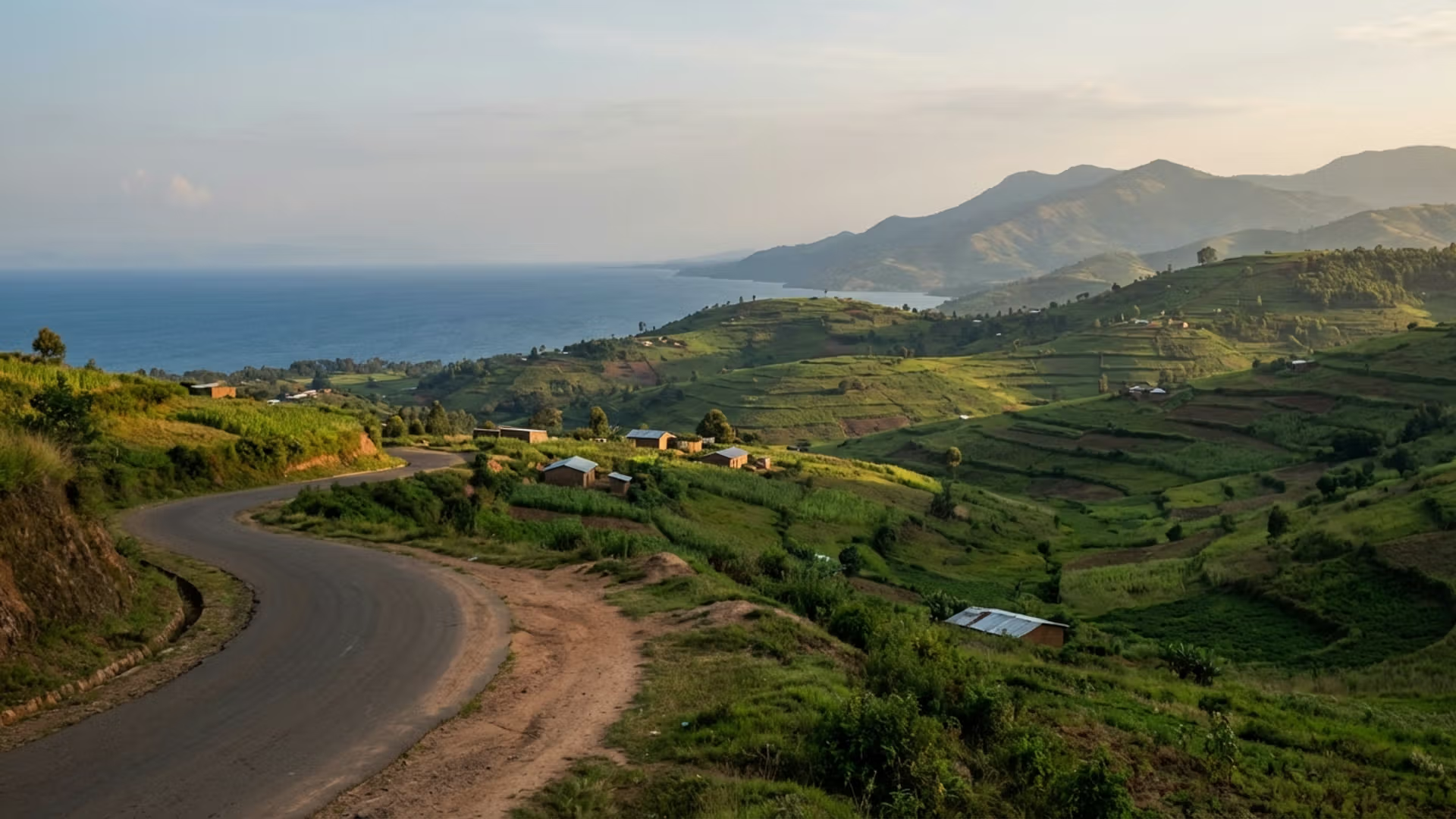
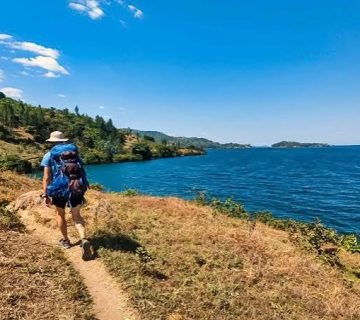
Guided trails pass through cultivated landscapes, small communities and viewpoints overlooking the lake.
Some routes form part of the wider Congo Nile Trail.
What Is the Congo Nile Trail?
The Congo Nile Trail follows Rwanda’s Lake Kivu region, connecting communities and scenic landscapes.
Visitors can explore selected sections on foot or by bicycle.
Short walks are suitable for travellers with limited time.
Longer routes require accommodation and transport planning.
Can You Swim in Lake Kivu?
Swimming is popular around some established lakeside properties.
However, freshwater swimming carries potential health risks, including schistosomiasis exposure.
Water depth, weather and boat traffic also require consideration.
Visitors should not assume that every beach is safe.
Avoid swimming in unfamiliar areas and seek current local health advice before entering the water.
Where to Stay in Karongi
Karongi offers accommodation ranging from modest guesthouses to established lakeside hotels.
Some properties occupy elevated positions overlooking the lake.
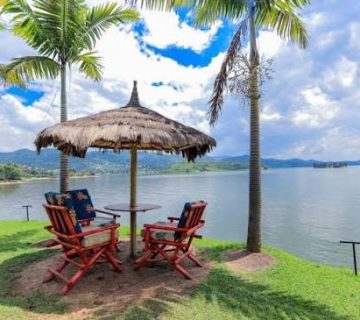
Others provide direct access to waterfront activities.
Accommodation Options
| Accommodation type | Suitable travellers |
|---|---|
| Budget guesthouses | Backpackers |
| Lakeside hotels | Couples and families |
| Boutique lodges | Relaxation holidays |
| Countryside retreats | Nature lovers |
Choose accommodation according to your preferred activities and transport arrangements.
How to Reach Karongi
Karongi is accessible from Kigali by road.
The journey usually takes approximately three to four hours, depending on traffic and stops.
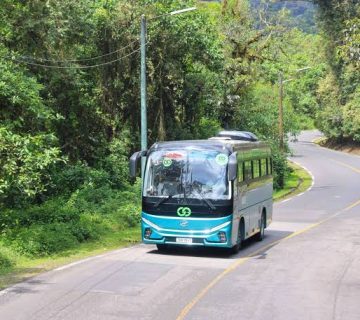
Travellers can use private vehicles or available public transport services.
A private transfer provides flexibility for photography and sightseeing.
Suggested Two-Day Karongi Itinerary
Day One: Arrival and Lakeside Relaxation
Travel from Kigali towards Karongi.
Check into your accommodation and enjoy lunch overlooking Lake Kivu.
Spend the afternoon exploring the waterfront.
Enjoy sunset views from a suitable lakeside viewpoint.
Day Two: Island Hopping
Begin with a guided boat excursion.
Visit Napoleon Island to observe the fruit bat colony.
Continue towards Amahoro Island and other accessible islands.
Return to Karongi for lunch before enjoying a short guided walk or relaxing at your accommodation.
Other Attractions Around Karongi
Karongi can be combined with visits to local coffee-growing communities and selected sections of the Congo Nile Trail.
The Bisesero Genocide Memorial is another important historical destination in the wider district.
Visitors should approach memorial experiences respectfully.
Longer itineraries can continue towards Rusizi and Nyungwe National Park.
Responsible Island Tourism
Lake Kivu’s islands provide habitats for birds, bats and other wildlife.
Visitors should avoid littering or damaging vegetation.
Do not feed wild animals.
Respect private property and local fishing equipment.
Support licensed boat operators and community businesses.
Why Karongi and Kibuye Are Worth Visiting
Karongi offers one of Rwanda’s most beautiful combinations of water, islands and green highland scenery.
Boat trips to Napoleon Island, Amahoro Island and other small islands provide memorable opportunities for wildlife observation, photography and relaxation.
The destination also introduces visitors to fishing traditions, local communities and outdoor activities.
For travellers seeking a peaceful Lake Kivu experience, Karongi is a rewarding addition to a Rwanda holiday.


No comment