
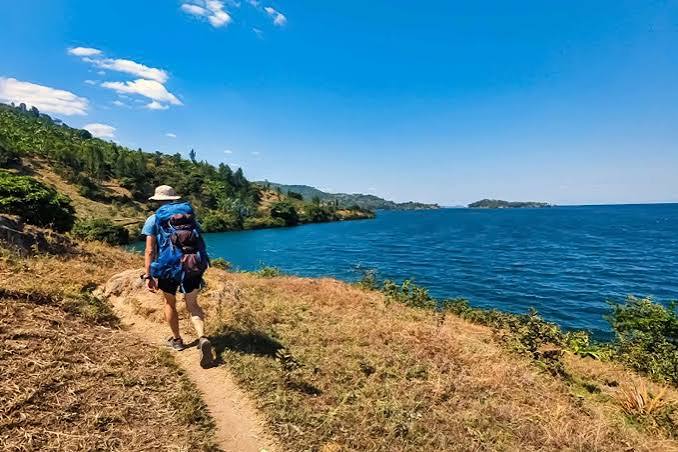
Congo Nile Trail: Hiking or Cycling Lake Kivu’s Shoreline
The Congo Nile Trail in Rwanda is one of East Africa’s most rewarding outdoor adventures, offering travellers an opportunity to explore Lake Kivu’s beautiful shoreline by hiking or mountain biking. Stretching approximately 227 kilometres through western Rwanda, the route connects Rubavu in the north with Rusizi in the south.
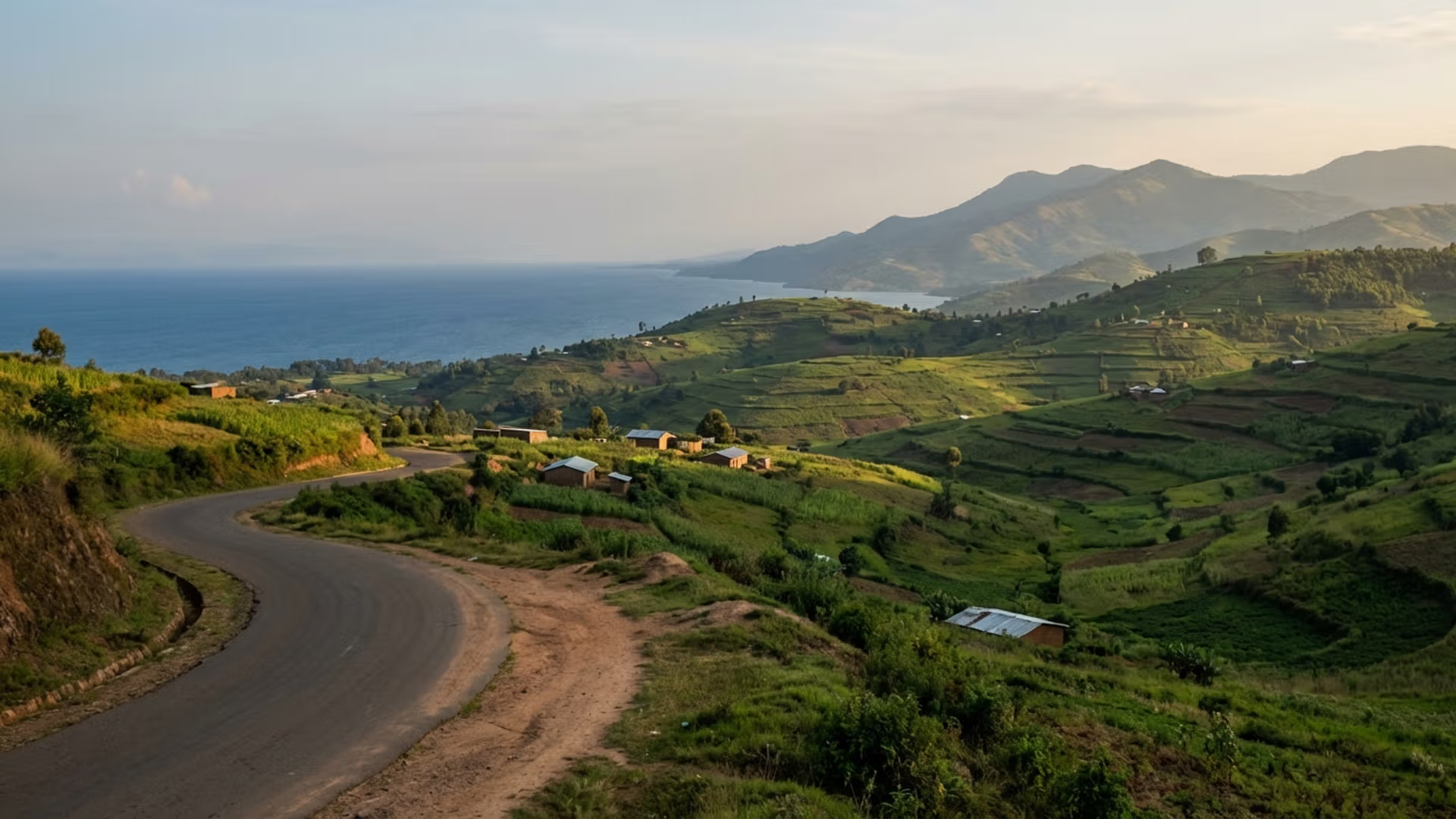
The trail passes through terraced hills, coffee plantations, fishing villages and peaceful rural communities. Along the journey, visitors enjoy spectacular lake views, meet local residents and discover landscapes rarely experienced during conventional Rwanda safaris.
Unlike mountain gorilla trekking, which focuses on wildlife encounters inside Volcanoes National Park, the Congo Nile Trail combines physical adventure with cultural experiences. Travellers can complete the entire route or explore shorter sections according to their fitness, interests and available time.
Where Is the Congo Nile Trail Located?
The Congo Nile Trail follows Rwanda’s eastern Lake Kivu region, travelling through hills and communities overlooking the water.
It connects important destinations including Rubavu, Rutsiro, Karongi, Nyamasheke and Rusizi.
The route takes its name from the watershed separating drainage towards the Congo and Nile river systems.
Despite its name, the established trail is entirely within Rwanda.
Quick Facts About the Congo Nile Trail
| Feature | Description |
|---|---|
| Country | Rwanda |
| Region | Western Province |
| Total distance | Approximately 227 kilometres |
| Starting point | Rubavu, formerly Gisenyi |
| Finishing point | Rusizi |
| Hiking duration | Approximately 10 days |
| Cycling duration | Approximately 5 days |
| Difficulty | Moderate to challenging |
| Main attractions | Lake Kivu, villages and plantations |
| Best activities | Hiking, cycling and photography |
What Makes the Trail Special?
The Congo Nile Trail offers an opportunity to experience rural Rwanda at a slower pace.
Unlike ordinary road journeys, walking or cycling allows visitors to appreciate small details of the landscape.
Travellers pass banana plantations, cultivated hillsides, local markets and fishing communities.
The route repeatedly climbs above Lake Kivu before descending towards villages and sheltered bays.
These changes in elevation create beautiful viewpoints but also make the adventure physically demanding.
Hiking the Congo Nile Trail
Hiking is ideal for travellers interested in cultural encounters, photography and exploring the countryside without rushing.
The full journey generally takes around ten days, although some travellers require longer.
Routes follow village paths, farm tracks, unpaved roads and sections of established walking trails.
What to Expect When Hiking
Daily walks involve changing terrain, including steep climbs and descents.
Some sections pass through populated villages where travellers can purchase refreshments.
Other stretches are quieter and require careful navigation.
A local guide helps with route planning, accommodation and communication.
Hikers should prepare for uneven surfaces and occasional muddy paths.
Cycling the Congo Nile Trail
Mountain biking provides a faster way to explore the route.
Experienced cyclists can complete the main itinerary in approximately five days.
However, the trail is not a flat lakeside cycling path.
Many sections climb steep hills before descending towards the shoreline.
What Makes Cycling Challenging?
Cyclists encounter gravel roads, loose stones and occasional muddy sections.
Daily distances vary according to the selected route.
Some climbs require considerable effort, even for regular cyclists.
A well-maintained mountain bike with suitable gears and brakes is essential.
Electric mountain bikes may be available through selected operators.
Hiking or Cycling: Which Is Better?
Both activities provide memorable experiences, but they suit different travellers.
| Consideration | Hiking | Cycling |
|---|---|---|
| Typical duration | 10 days | 5 days |
| Physical challenge | Long walking distances | Steep climbs and technical descents |
| Equipment | Hiking boots | Mountain bike and helmet |
| Cultural encounters | Frequent opportunities | Available during planned stops |
| Daily distance | Generally shorter | Generally longer |
| Best for | Walkers and photographers | Active adventure travellers |
Choose according to your fitness and preferred travelling pace.
Starting the Trail in Rubavu
Rubavu, formerly Gisenyi, is the traditional northern starting point.
The town overlooks Lake Kivu and offers hotels, restaurants and transport services.
Many travellers spend a night here before beginning their expedition.
Important Travel Considerations
Rubavu lies close to Goma in eastern DR Congo.
Security conditions in the border region can affect travel.
As of October 2026, some international travel advisories warn against visiting Rubavu.
Travellers should check current official security guidance before choosing this starting point.
Where necessary, shorter trail sections farther south may provide alternatives.
Rubavu to Kinunu
The northern route towards Kinunu introduces travellers to rural Lake Kivu scenery.
The landscape contains cultivated hills, small settlements and attractive viewpoints.
Cycling itineraries commonly cover approximately 36–42 kilometres on this section, depending on the route.
Coffee Experiences in Kinunu
Kinunu is associated with coffee farming and processing.
Visitors may arrange a visit to a coffee washing station.
These experiences explain how harvested coffee cherries become prepared beans.
The region also provides attractive accommodation options overlooking Lake Kivu.
Kinunu to Karongi
The journey south towards Karongi passes through some of the route’s most beautiful highland landscapes.
Travellers encounter coffee-growing communities, valleys and steep hillside roads.
Longer cycling itineraries may divide the journey into additional overnight sections.
What Makes Karongi Attractive?
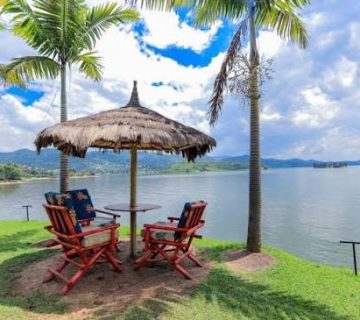
Karongi, formerly Kibuye, is a peaceful lakeside destination.
Visitors can relax after hiking or cycling and enjoy organised boat trips.
Nearby islands include Napoleon Island, known for its fruit bats.
Karongi is also a convenient starting point for shorter sections of the Congo Nile Trail.
Karongi to Nyamasheke
South of Karongi, the landscape continues through cultivated hills, villages and lake viewpoints.
This section offers opportunities to observe everyday agricultural activities.
Exploring Rural Communities
Local residents cultivate bananas, beans, cassava and other crops.
Guides can explain farming methods and the importance of small-scale agriculture.
Travellers should respect private gardens and avoid entering farmland without permission.
Community-based accommodation may be available through advance arrangements.
Nyamasheke to Rusizi
The southern section continues towards Rusizi, near the southern end of Lake Kivu.
The landscape includes tea-growing areas, rural settlements and sections of forested highland scenery.
Reaching the Southern Endpoint
Rusizi provides accommodation, restaurants and onward transport.
The town is also a gateway towards Nyungwe National Park.
Travellers can combine the trail with forest hiking or chimpanzee tracking, depending on their itinerary.
How Difficult Is the Congo Nile Trail?
The trail is generally considered moderate to challenging.
Although it does not require technical mountaineering, repeated climbs can be tiring.
Main Challenges
Steep hills and long ascents.
Uneven roads and walking paths.
Strong sunshine.
Muddy conditions after rainfall.
Limited services in some areas.
Long distances between overnight stops.
Reasonable physical fitness and appropriate preparation are important.
Best Time to Hike or Cycle
The Congo Nile Trail can be explored throughout the year.
However, June to September and December to February generally provide favourable conditions.
Rainfall is more frequent during March–May and October–November.
Seasonal Planning
| Season | General conditions |
|---|---|
| December–February | Often suitable for outdoor adventures |
| March–May | Wetter trails and muddy sections |
| June–September | Generally favourable for cycling |
| October–November | Green scenery with possible heavy rain |
Mountain weather remains changeable, even during drier periods.
Accommodation Along the Trail
Accommodation varies from lakeside hotels to guesthouses and community-based facilities.
Some stages provide comfortable lodging, while others require simpler arrangements.
Travellers should organise overnight stops before departure.
Accommodation Options
Budget guesthouses are suitable for independent hikers.
Lakeside lodges provide greater comfort.
Community accommodation offers opportunities for cultural interaction.
Camping may be possible at designated sites.
Confirm meals, electricity and luggage arrangements when booking.
What to Pack for Hiking
Hikers should travel with lightweight, practical equipment.
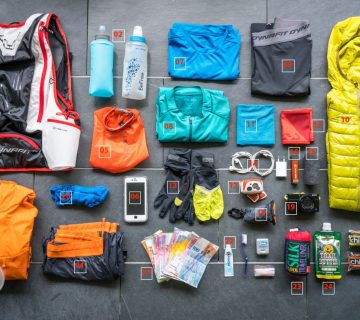
Recommended items include comfortable walking boots, breathable clothing, a rain jacket and sun protection.
Carry drinking water, snacks and personal medication.
A waterproof backpack cover helps protect belongings during rainfall.
Walking poles may be useful on steep sections.
What to Pack for Cycling
Cyclists require suitable protective equipment and basic repair supplies.
Essential Cycling Equipment
Mountain bike with reliable brakes.
Protective helmet.
Cycling gloves.
Spare inner tube.
Tyre repair kit.
Portable pump.
Drinking water.
Lightweight rain jacket.
Small first-aid kit.
Professional operators may provide bicycles and mechanical support.
Do You Need a Local Guide?
A local guide is strongly recommended, particularly for multi-day journeys.
The route contains numerous junctions and village tracks.
Guides understand the terrain, accommodation options and local conditions.
They can also introduce travellers to community businesses and cultural activities.
Independent travellers should carry reliable navigation information and confirm each stage before departure.
Food and Water Along the Route
Small shops and local restaurants operate in some settlements.
Travellers may find bananas, beans, rice, potatoes and other everyday foods.
However, food availability varies between locations.
Carry sufficient drinking water and avoid relying entirely on roadside supplies.
Ask your guide to identify reliable places for meals and refills.
Responsible Travel Along Lake Kivu
The Congo Nile Trail passes through working communities and important natural habitats.
Visitors should respect farms, homes and cultural traditions.
Avoid littering or disturbing wildlife.
Support locally owned accommodation and restaurants.
Request permission before photographing residents.
Responsible tourism helps ensure that local communities benefit from visitors using the trail.
Suggested Five-Day Cycling Plan
First day: Begin from an accessible northern trail section and cycle towards Kinunu.
Second day: Continue through coffee-growing hills and rural communities.
Third day: Reach Karongi and enjoy Lake Kivu scenery.
Fourth day: Travel south through quieter villages towards Nyamasheke.
Fifth day: Complete the remaining route towards Rusizi.
Exact overnight stops and daily distances should be adapted to the chosen trail variant and riding ability.
Combining the Trail With Other Rwanda Attractions
The Congo Nile Trail fits naturally into a longer Rwanda itinerary.
Travellers can combine suitable sections with Lake Kivu boat excursions, cultural experiences and visits to Nyungwe National Park.
Those exploring northern Rwanda may also consider Volcanoes National Park, subject to regional travel conditions.
Why the Congo Nile Trail Is Worth Experiencing
The Congo Nile Trail provides one of Rwanda’s most rewarding combinations of adventure, scenery and community tourism.
Its winding paths reveal beautiful Lake Kivu viewpoints, agricultural landscapes and traditional villages.
Hiking allows visitors to explore slowly, while cycling offers a demanding and exciting journey through the hills.
Whether completing the full route or choosing a shorter section, travellers can experience rural Rwanda beyond conventional safari destinations.

No comment