
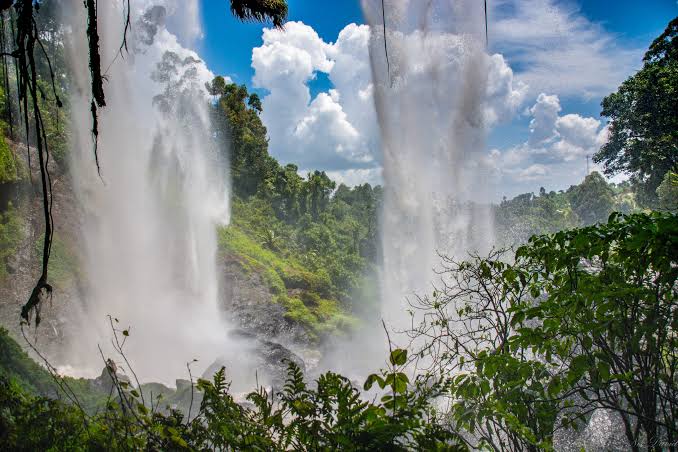
Bujagali and Itanda Falls: What Changed After the Dam
Bujagali and Itanda Falls near Jinja are two important landmarks along Uganda’s Victoria Nile, a river famous for its powerful rapids, beautiful scenery and adventure tourism. For many years, Bujagali Falls attracted travellers interested in white-water rafting, kayaking and riverside relaxation. However, construction of the Bujagali Hydropower Dam permanently changed this section of the river.
When the dam’s reservoir filled in 2011, the original Bujagali Falls disappeared beneath the rising water. The hydroelectric station began operating in 2012, providing electricity while transforming the surrounding landscape. Farther downstream, Itanda Falls remained an important white-water attraction, although later development of the Isimba Hydropower Dam changed additional sections of the Nile.
Today, visitors can still enjoy rafting, riverside accommodation, photography and guided excursions around Jinja. Understanding these changes helps travellers appreciate the relationship between energy development, river conservation and Uganda’s tourism industry.
Where Are Bujagali and Itanda Falls Located?
Bujagali and Itanda are situated along the Victoria Nile, downstream from Jinja in eastern Uganda.
The former Bujagali Falls site lies approximately ten kilometres downstream from the Source of the Nile.
Itanda Falls is farther downstream, within the wider Jinja adventure tourism region.
Both locations are accessible from Kampala through the Kampala–Jinja highway.
Quick Facts About Bujagali and Itanda
| Feature | Bujagali | Itanda |
|---|---|---|
| Country | Uganda | Uganda |
| River | Victoria Nile | Victoria Nile |
| Region | Jinja area | Jinja area |
| Main attraction | Historic waterfall site | Powerful surviving rapids |
| Current landscape | Reservoir and riverside scenery | White-water channels and rocky islands |
| Main activities | Relaxation and boat experiences | Rafting, kayaking and sightseeing |
| Major change | Falls submerged in 2011 | Downstream rafting routes shortened |
| Visitor experience | Calm-water recreation | Dramatic river scenery |
What Was Bujagali Falls Like Before the Dam?
Before construction of the hydroelectric project, Bujagali Falls consisted of powerful rapids flowing over rocky sections of the Nile.
Water rushed through different channels, creating waves, turbulence and impressive white-water scenery.
The area became an important destination for rafting and kayaking.
Why Tourists Visited Bujagali
Travellers came to watch the rushing water, enjoy riverside restaurants and participate in adventure activities.
Local guides introduced visitors to the surrounding communities and the cultural importance of the river.
Rafting operators used the rapids as part of longer journeys downstream.
The area also supported accommodation businesses, restaurants and recreational activities.
How the Bujagali Dam Changed the River
Construction of the Bujagali Hydropower Project began in 2007.
The project created a reservoir upstream of the dam, raising water levels across the former waterfall area.
By November 2011, the original Bujagali Falls had been submerged.
The hydroelectric station began commercial operation in 2012.
What Happened to the Rapids?
The rising reservoir covered several previously powerful rapids.
Instead of rushing across exposed rocks, water accumulated in a broader, calmer section of the river.
The original waterfall could no longer be viewed.
This permanently changed the landscape and affected businesses that depended on the old rapids.
Why Was the Bujagali Dam Built?
Uganda constructed the Bujagali Hydropower Station to increase electricity generation.
The project has an installed capacity of 250 megawatts.
Hydroelectric stations use flowing water to turn turbines connected to generators.
Electricity is then supplied through the national power network.
Benefits of Hydroelectric Development
Additional electricity generation can support homes, businesses and industrial activities.
Reliable energy supplies are important for economic development.
However, large hydropower projects can also affect river habitats, tourism activities and communities.
Bujagali demonstrates how infrastructure development can create economic benefits while changing natural landscapes.
What Happened to White-Water Rafting?
Before the dam, rafting operators used sections of the Nile that included the Bujagali rapids.
The reservoir removed some of these features.
Operators therefore relocated their rafting starting points farther downstream.
Rafting After Bujagali
Commercial rafting continued on surviving rapids.
Guides developed revised routes suitable for different experience levels.
The remaining white-water sections still attracted adventure travellers.
However, the original Bujagali rafting experience could not be restored because the submerged rapids remained beneath the reservoir.
Itanda Falls: The Surviving White-Water Attraction
Itanda Falls became especially important after Bujagali disappeared.
The site features powerful rapids moving around rocky formations and islands.
Its turbulent water creates dramatic scenery for visitors and photographers.
Why Itanda Is Popular
Itanda provides opportunities to observe the Nile’s natural power.
Professional rafting and kayaking operators use suitable sections of the surrounding river.
However, certain channels are extremely dangerous and unsuitable for recreational swimming.
Visitors should remain in authorised viewing areas and follow professional instructions.
The Isimba Dam and Further Changes
The Isimba Hydropower Station, downstream from Itanda, was commissioned in 2019.
Its installed generating capacity is approximately 183 megawatts.
Like Bujagali, Isimba created a reservoir that submerged additional rapids and altered sections of the river.
What Did Isimba Affect?
Several famous rafting features disappeared beneath the new reservoir.
These included the Nile Special wave and other downstream rapids.
Some islands previously used during rafting excursions were also affected.
However, important rapids around Itanda and Kalagala remained.
This distinction matters because Itanda Falls should not be described as completely submerged.
Bujagali and Itanda Today
The two destinations now offer different experiences.
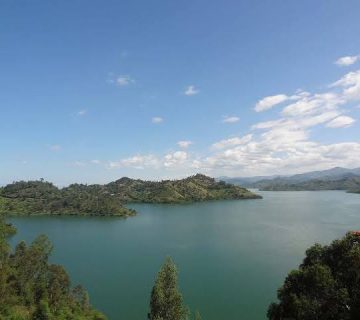
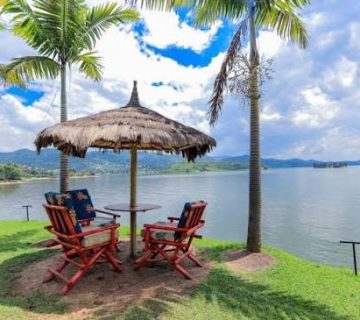
Bujagali is mainly associated with calmer reservoir scenery, riverside accommodation and recreational activities.
Itanda remains attractive for viewing powerful rapids and participating in professionally organised adventure experiences.
Which Destination Should You Visit?
Choose Bujagali if you prefer peaceful riverside scenery, accommodation and relaxation.
Choose Itanda if you want to observe dramatic white water or explore organised rafting opportunities.
Travellers interested in the Nile’s changing history may enjoy visiting both locations.
White-Water Rafting Near Itanda
Jinja remains one of Africa’s recognised white-water rafting destinations.
Commercial operators offer different rafting experiences according to river conditions and visitor abilities.
Some excursions include challenging Grade IV and V rapids.
Is Rafting Suitable for Beginners?
Certain operators accommodate beginners who meet their safety requirements.
Participants receive instructions before entering the water.
Professional guides, safety kayakers and protective equipment form important parts of organised rafting activities.
Travellers should confirm minimum ages, swimming requirements and medical restrictions before booking.
Can You Swim at Itanda Falls?
Swimming in the powerful rapids is extremely dangerous.
The river contains strong currents, submerged rocks and unpredictable hydraulic features.
Visitors should never enter the waterfall channels independently.
Even experienced swimmers can become trapped in dangerous currents.
Safety Advice
Remain on designated paths.
Avoid standing on slippery rocks near the water.
Do not attempt to cross the river.
Keep children away from steep banks.
Follow guidance from local authorities and qualified adventure operators.
Photography at Bujagali and Itanda
The two locations provide contrasting photography opportunities.
At Bujagali, visitors can photograph calm water, forested islands and riverside scenery.
At Itanda, fast-moving water creates opportunities for dramatic action photography.
Photography Tips
Use a fast shutter speed to freeze splashing water.
A wider lens helps capture river channels and surrounding landscapes.
Morning and late-afternoon light can produce attractive results.
Avoid climbing dangerous rocks or entering restricted areas for photographs.
Photography of hydroelectric infrastructure may require permission.
Cultural Importance of the Nile
The river holds spiritual significance for some communities around Jinja.
Before construction of Bujagali Dam, the waterfall area was associated with traditional beliefs and spiritual practices.
The development affected places connected with these traditions.
Respecting Local Heritage
Visitors can learn about local history through knowledgeable community guides.
Traditional beliefs should be approached respectfully.
Tourism experiences should acknowledge that the river is important not only for recreation and electricity but also for cultural identity.
Best Time to Visit
Bujagali and Itanda can be visited throughout the year.
Relatively dry periods often provide convenient conditions for walking and photography.
However, rafting depends on river conditions and operator schedules.
Seasonal Visiting Guide
| Period | What to expect |
|---|---|
| December–February | Often convenient for outdoor excursions |
| March–May | Rainfall may affect access paths |
| June–August | Popular period for Jinja activities |
| September–November | Green scenery and possible wet conditions |
River flow is influenced by upstream water management as well as rainfall.
How to Reach the Falls
Travellers usually begin their journeys in Jinja.
Bujagali is relatively close to the town.
Itanda requires a longer drive along local roads.
Some access roads may become difficult during wet weather.
A private vehicle or arranged transfer is convenient.
Visitors should confirm the correct entrance and any applicable charges before departure.
Suggested Jinja Day Trip
Morning: Bujagali Riverside
Begin with a visit to the former Bujagali Falls area.
Enjoy the reservoir scenery and learn about the dam’s impact on tourism.
Afternoon: Itanda Falls
Continue towards Itanda for a guided sightseeing excursion.
Observe the powerful rapids from a safe viewpoint.
Travellers seeking adventure can arrange a separate professional rafting experience.
Evening: Return to Jinja
Finish with a meal overlooking the Nile before returning to your accommodation.
Why These Changes Matter for Conservation
Hydropower projects alter water movement and river habitats.
Reservoirs can affect fish populations, aquatic vegetation and natural river processes.
They may also change tourism activities and local livelihoods.
Protecting remaining rapids and river habitats is therefore important.
Responsible planning must balance electricity generation with environmental conservation and community needs.
Why Bujagali and Itanda Are Worth Visiting
Bujagali and Itanda tell an important story about Uganda’s changing Nile landscape.
Bujagali represents a historic waterfall transformed by hydroelectric development.
Itanda remains a dramatic natural attraction where visitors can appreciate powerful rapids and organised river adventures.
Together, they show how tourism adapts when infrastructure changes natural environments.
For travellers visiting Jinja, exploring these locations provides an opportunity to enjoy river scenery while understanding the Nile’s importance to conservation, culture, tourism and Uganda’s development.


No comment