
Rugezi Marsh: Wetland Birdlife in Northern Rwanda
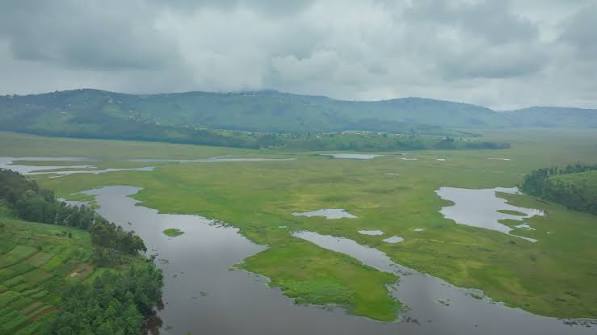
Rugezi Marsh in northern Rwanda is one of the country’s most important wetland ecosystems, offering exceptional opportunities for birdwatching, nature photography and environmental education. Located in the Buberuka Highlands, near Lakes Burera and Ruhondo, this extensive marsh supports rare birds, aquatic vegetation and wildlife adapted to high-altitude wetlands.
Unlike Rwanda’s famous mountain gorilla forests, Rugezi attracts visitors interested in discovering smaller, less visible species. Its dense grasses, papyrus patches and shallow waters provide habitats for the threatened Grauer’s Swamp Warbler, Grey Crowned Crane and several specialist wetland birds.
For travellers exploring Musanze or Volcanoes National Park, Rugezi offers a rewarding additional nature experience. Guided birdwatching excursions introduce visitors to Rwanda’s wetland biodiversity while explaining the importance of protecting fragile freshwater habitats.
Where Is Rugezi Marsh Located?
Rugezi Marsh lies in Rwanda’s Northern Province, within the highlands of Burera and Gicumbi districts.
The wetland occupies a broad valley east of Lake Burera, close to Rwanda’s border with Uganda.
Its elevation is approximately 2,050 metres above sea level, creating relatively cool highland conditions.
Quick Facts About Rugezi Marsh
| Feature | Description |
|---|---|
| Country | Rwanda |
| Region | Northern Province |
| Districts | Burera and Gicumbi |
| Elevation | Approximately 2,050 metres |
| Main attraction | Rare wetland birds |
| Conservation status | Ramsar wetland |
| Ramsar designation | January 2005 |
| Famous bird | Grauer’s Swamp Warbler |
| Nearby attractions | Lakes Burera and Ruhondo |
| Recommended activity | Guided birdwatching |
Why Is Rugezi Marsh Important?
Rugezi is more than a birdwatching destination.
It plays an important role in maintaining water supplies, supporting wildlife and protecting the surrounding environment.
The marsh stores rainwater and releases it gradually into connected waterways.
Water from Rugezi contributes to Lakes Burera and Ruhondo and ultimately to the wider Nile drainage system.
Wetlands as Natural Water Reservoirs
Wetlands act like natural sponges.
They absorb water during periods of heavy rainfall and release it more slowly.
This helps regulate downstream water supplies.
Healthy wetlands also trap sediment and support natural processes that maintain water quality.
These environmental services benefit both wildlife and surrounding communities.
Rugezi’s Ramsar Conservation Status
Rugezi forms part of the Rugezi-Burera-Ruhondo Ramsar Site, designated as a Wetland of International Importance in January 2005.
The designated site covers approximately 6,736 hectares.
Ramsar recognition highlights the wetland’s ecological value and the importance of responsible management.
Why International Recognition Matters
Protected wetland management can help conserve threatened bird species.
It also encourages sustainable land use and cooperation with nearby communities.
Rugezi is recognised as an Important Bird Area because of its specialised bird populations.
Conservation efforts are particularly important where agriculture and human activities place pressure on wetland habitats.
Birdwatching at Rugezi Marsh
Birdwatching is the main attraction at Rugezi.
The wetland contains dense vegetation that supports birds rarely encountered in open savannah or ordinary woodland.
Many species remain hidden among tall grasses and reeds.
What Makes Birdwatching Different?
Visitors often hear birds before seeing them.
Small warblers move through thick vegetation, while larger waterbirds occupy open sections.
Successful birdwatching requires patience, binoculars and an experienced guide.
Early morning is generally the most rewarding period.
Grauer’s Swamp Warbler
Grauer’s Swamp Warbler is one of Rugezi’s most important bird species.
This small, secretive bird inhabits high-altitude marshes within the Albertine Rift region.
Its limited distribution makes wetland conservation essential.
How to Identify It
Grauer’s Swamp Warbler has brownish plumage and a relatively discreet appearance.
It spends much of its time moving through dense vegetation.
Birdwatchers often identify its presence through distinctive vocalisations.
Sightings can be difficult because the bird rarely remains exposed for long.
Rugezi is particularly important for maintaining its surviving population.
Grey Crowned Crane
The Grey Crowned Crane is among Africa’s most recognisable birds.
It has a beautiful golden crown, long legs and a striking combination of grey, white and black feathers.
The species is also Uganda’s national bird.
Where Can Visitors See Cranes?
Grey Crowned Cranes use suitable wetlands and surrounding grasslands for feeding and breeding.
At Rugezi, visitors may encounter them in open areas near the marsh.
However, sightings depend on their movements and habitat conditions.
The species is globally endangered, making protection of suitable wetlands particularly important.
Other Birds Found at Rugezi
Rugezi supports several species associated with papyrus, sedges and highland marshes.
Some are difficult to locate outside specialised wetland habitats.
Notable Bird Species
| Bird species | Identification or habitat |
|---|---|
| Grauer’s Swamp Warbler | Secretive highland marsh bird |
| Grey Crowned Crane | Large bird with golden crown |
| Papyrus Gonolek | Red-and-black wetland bird |
| Papyrus Canary | Small bird associated with papyrus |
| Carruthers’s Cisticola | Brownish bird of marsh vegetation |
| White-winged Swamp Warbler | Specialist wetland warbler |
| White-collared Oliveback | Small, colourful seed-eating bird |
| Papyrus Yellow Warbler | Rare and elusive wetland species |
Not every species will be encountered during a single excursion.
Exploring Lake Nyagafunzo
The southern part of Rugezi includes an area of open water known as Lake Nyagafunzo.
This habitat differs from the surrounding dense marsh vegetation.
It can attract waterbirds that prefer open water and shallow feeding areas.
Birdwatching Opportunities
Visitors may encounter ducks, herons, jacanas and other aquatic birds.
White-backed Ducks and Lesser Jacanas are among the species birdwatchers may search for.
Boat-based observations may be possible through appropriate local arrangements.
However, water access should never be attempted without authorisation and suitable safety equipment.
Vegetation and Wetland Habitats
Rugezi contains extensive stands of tall grasses and sedges.
Important plants include Miscanthidium violaceum, Cyperus latifolius and papyrus.
These plants create shelter, nesting opportunities and feeding habitats.
Why Vegetation Matters
Dense marsh vegetation protects smaller birds from predators.
Plant roots help stabilise wetland soils.
The vegetation also influences water movement and nutrient cycling.
Clearing large areas can damage bird habitats and disturb the wetland’s ecological balance.
Wildlife Beyond Birds
Although Rugezi is best known for birdlife, its wetlands support other animals.
Amphibians, reptiles, insects and small mammals form part of the ecosystem.
Otters have also been recorded in the wider wetland environment.
Why Wetland Wildlife Is Important
Frogs and other amphibians depend on suitable moisture conditions.
Insects provide food for numerous birds.
Aquatic organisms contribute to the wetland’s food chains.
Protecting Rugezi therefore benefits much more than its famous bird species.
Conservation Challenges at Rugezi
Rugezi has experienced environmental pressure from agricultural expansion, drainage and vegetation disturbance.
These activities previously affected water levels and wetland habitats.
Restoring the Marsh
Conservation initiatives have worked to reduce damaging activities and improve wetland management.
Restoration efforts received international recognition, including a Green Globe Award in 2010.
Community participation remains important because nearby households depend on agricultural land and natural resources.
Long-term protection requires balancing conservation with local livelihoods.
Visiting Rugezi With Local Guides
Hiring a knowledgeable local birding guide is strongly recommended.
Guides understand suitable observation points and the behaviour of specialist birds.
They also help visitors avoid entering environmentally sensitive areas.
What a Guided Walk Involves
A typical birdwatching experience includes walking along authorised wetland-edge routes.
Visitors stop periodically to listen for bird calls and examine vegetation.
Guides may use binoculars or spotting scopes to identify distant species.
The route and duration depend on weather, accessibility and visitor interests.
Best Time to Visit Rugezi Marsh
Rugezi can be visited throughout the year.
However, relatively dry periods generally make walking and access easier.
June to September and December to February are often convenient.
Birdwatching Conditions
Early morning usually offers good opportunities for bird activity.
Rain can make paths muddy and visibility difficult.
Mist may also occur because of the marsh’s high elevation.
Travellers should remain flexible and follow local advice.
What to Pack for Birdwatching
Visitors should bring lightweight outdoor equipment suitable for cool, occasionally wet conditions.
Recommended Items
Binoculars.
Waterproof walking shoes.
Long trousers.
Lightweight rain jacket.
Drinking water.
Bird identification guide.
Camera with zoom lens.
Small backpack.
Neutral-coloured clothing can help birdwatchers remain less noticeable.
Avoid loud conversations around sensitive habitats.
How to Reach Rugezi Marsh
Rugezi is accessible from Kigali through northern Rwanda’s highland road network.
Travellers may approach through Burera or Gicumbi, depending on their chosen observation area.
The journey can take several hours.
Some access roads are unpaved and may become difficult after rainfall.
Arrange transport and a suitable meeting point before departure.
Combining Rugezi With the Twin Lakes
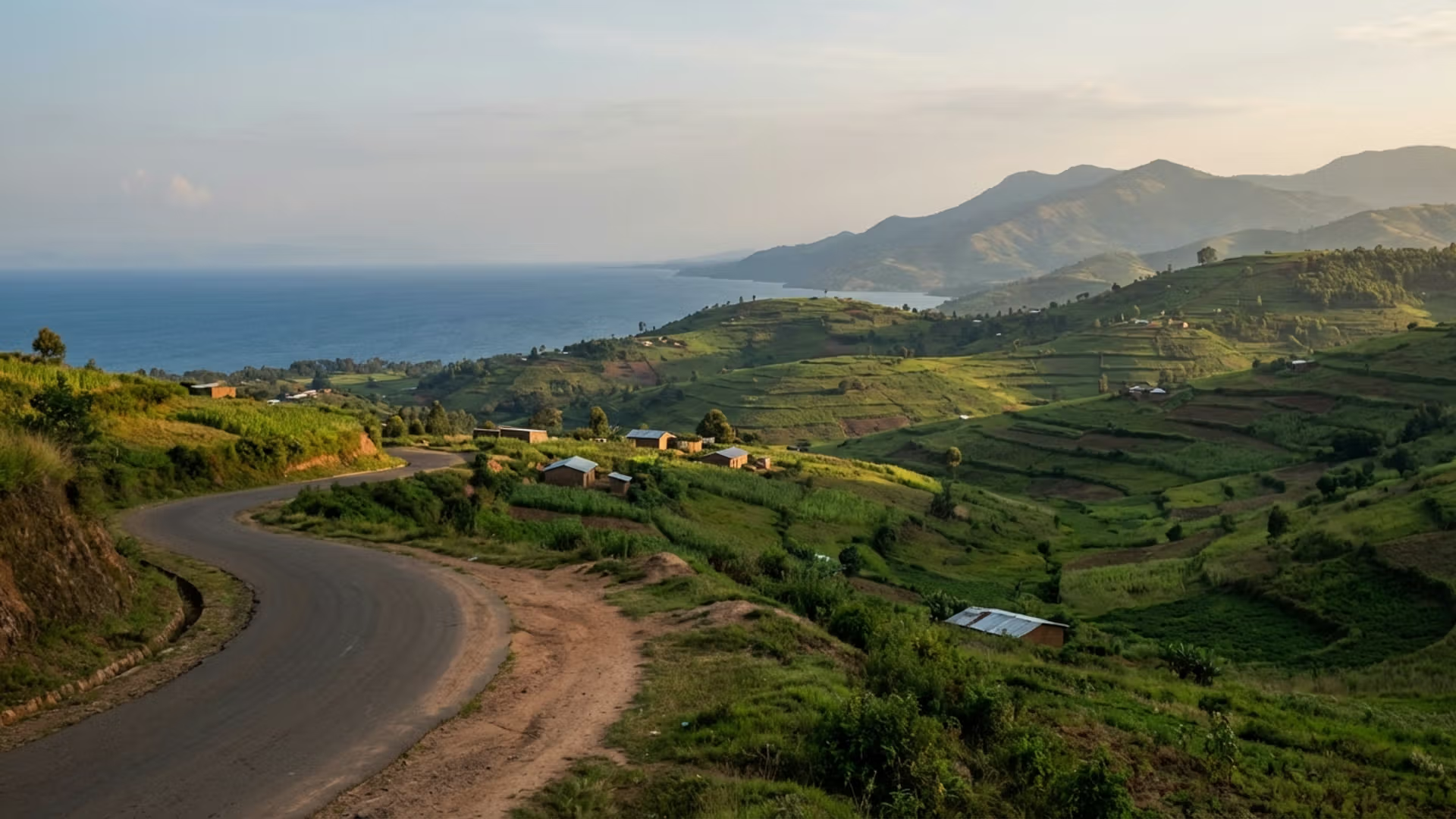
Lakes Burera and Ruhondo are among northern Rwanda’s most attractive scenic destinations.
Their location makes them suitable additions to a Rugezi birdwatching itinerary.
Suggested Day Trip
Morning: Begin with guided birdwatching at Rugezi Marsh.
Late Morning: Continue exploring suitable wetland viewpoints.
Afternoon: Visit Lake Burera or Lake Ruhondo for scenic photography or an organised boat excursion.
Evening: Return to Musanze or your arranged accommodation.
Responsible Birdwatching at Rugezi
Rugezi is an environmentally sensitive habitat.
Visitors should remain on approved routes and avoid entering nesting areas.
Do not disturb cranes or other breeding birds.
Avoid playing recorded bird calls excessively.
Never remove plants or collect eggs.
Use recognised local guides and support community conservation initiatives.
Why Rugezi Marsh Is Worth Visiting
Rugezi Marsh offers a remarkable opportunity to discover Rwanda’s lesser-known wetland biodiversity.
Its rare warblers, crowned cranes, dense vegetation and highland scenery create rewarding experiences for dedicated birdwatchers.
The wetland also demonstrates how healthy ecosystems support water resources, agriculture and local communities.
For travellers exploring northern Rwanda, a guided visit to Rugezi provides an educational and memorable alternative to more familiar wildlife attractions.


No comment