
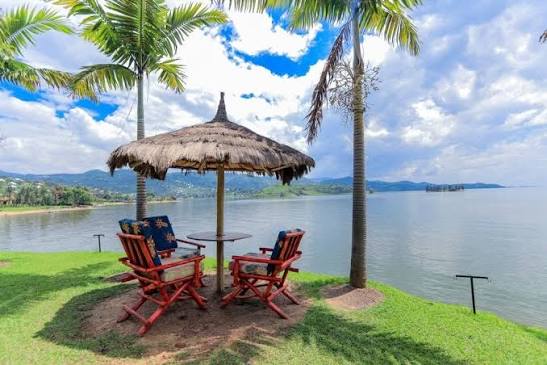
Rubavu and Gisenyi: Lake Kivu Beaches and Border Practicalities
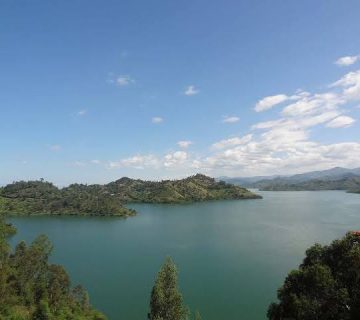
Rubavu and Gisenyi on Lake Kivu are among Rwanda’s most attractive lakeside destinations, known for sandy beaches, beautiful sunsets, fishing communities and scenic views towards the mountains of the Democratic Republic of Congo. Located in western Rwanda, Rubavu combines the atmosphere of a holiday town with the commercial activity of an important international border.
Previously known as Gisenyi, the town has long attracted travellers looking for relaxation after mountain gorilla trekking in Volcanoes National Park. Its waterfront features hotels, restaurants, palm-lined streets and opportunities for boat excursions.
However, Rubavu’s proximity to Goma in eastern DR Congo makes security planning particularly important. As of October 2026, some international government advisories recommend against travelling to Rubavu because of instability across the border. Travellers should check current security information before planning a visit.
Where Are Rubavu and Gisenyi Located?
Rubavu lies on the northern shore of Lake Kivu in Rwanda’s Western Province.
The town borders Goma, a major city in the Democratic Republic of Congo.
Gisenyi is the older name commonly used for the urban centre, while Rubavu is the official name used for the town and district.
Quick Facts About Rubavu
| Feature | Description |
|---|---|
| Country | Rwanda |
| Province | Western Province |
| Lake | Kivu |
| Former town name | Gisenyi |
| Nearest international city | Goma, DR Congo |
| Main attractions | Beaches, boat trips and lakeside walks |
| Main gateway | Kigali or Musanze |
| Nearby national park | Volcanoes National Park |
| Suggested stay | Two nights when conditions permit |
| Important consideration | Border security and travel advisories |
Why Is Rubavu Popular With Travellers?
Rubavu offers a different experience from Rwanda’s mountain forests and wildlife parks.
Its waterfront provides opportunities to relax, enjoy local food and observe everyday lakeside activities.
The surrounding hills create attractive scenery, while the town’s accommodation options make it a convenient stop on longer journeys.
Rubavu is also associated with coffee production, fishing and cross-border commerce.
When travel conditions are suitable, visitors can combine beach relaxation with cultural and outdoor activities.
Exploring Lake Kivu Beaches
Lake Kivu is one of Africa’s Great Lakes and forms part of the border between Rwanda and DR Congo.
Rubavu has several accessible shoreline areas, including a popular public beach and hotel-managed waterfronts.
Gisenyi Public Beach
The public beach is among the town’s best-known gathering places.
Local residents and visitors enjoy walking along the shore, relaxing and watching boats.
Weekends can be lively, with families and groups spending time beside the lake.
Hotel Beaches
Several lakeside hotels maintain attractive waterfront areas.
Some provide beach seating, restaurants and organised recreational activities.
Access conditions vary, and non-residents may need to pay a day-use charge.
Confirm arrangements before visiting.
Is Swimming Safe in Lake Kivu?
Lake Kivu is popular for swimming, particularly around established beach areas.
However, visitors should not assume every section is safe.
Water depth, weather, boat traffic and shoreline conditions vary.
Swimming Precautions
Choose recognised swimming areas.
Avoid entering the water during storms.
Never swim alone in unfamiliar locations.
Keep children supervised.
Although Lake Kivu is often described as having a low schistosomiasis risk, freshwater exposure should not be considered completely risk-free.
Visitors with health concerns should seek appropriate medical advice.
Boat Trips on Lake Kivu
Boat excursions provide an enjoyable way to appreciate Rubavu’s scenery.
Local operators arrange trips along selected sections of the shoreline.
Travellers may observe fishing boats, lakeside settlements and surrounding hills.
What to Expect
A typical excursion includes a short safety briefing and a guided journey across sheltered waters.
Longer trips may explore suitable nearby coastal areas.
Every passenger should wear a properly fitted life jacket.
Avoid overcrowded boats and operators without adequate safety equipment.
Weather conditions should determine whether a trip proceeds.
Watching Traditional Fishing Boats
Fishing remains an important livelihood for communities around Lake Kivu.
Small fishing boats operate from landing sites along the shoreline.
Some fishermen work in groups using traditional techniques.
A Lakeside Cultural Experience
Visitors may observe boats preparing for departure or returning with catches.
Guides can explain fishing practices and the importance of the lake to local households.
Photography should be respectful.
Never interfere with working equipment or enter private landing areas without permission.
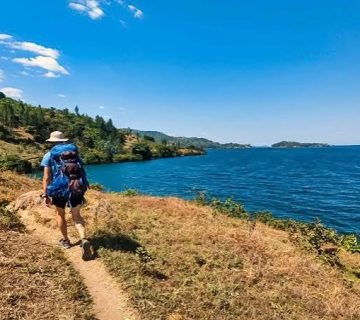
The Congo Nile Trail
Rubavu is the northern starting point of the Congo Nile Trail.
This long-distance route follows the Lake Kivu region towards southern Rwanda.
It offers opportunities for hiking, cycling and cultural encounters.
What Makes the Trail Interesting?
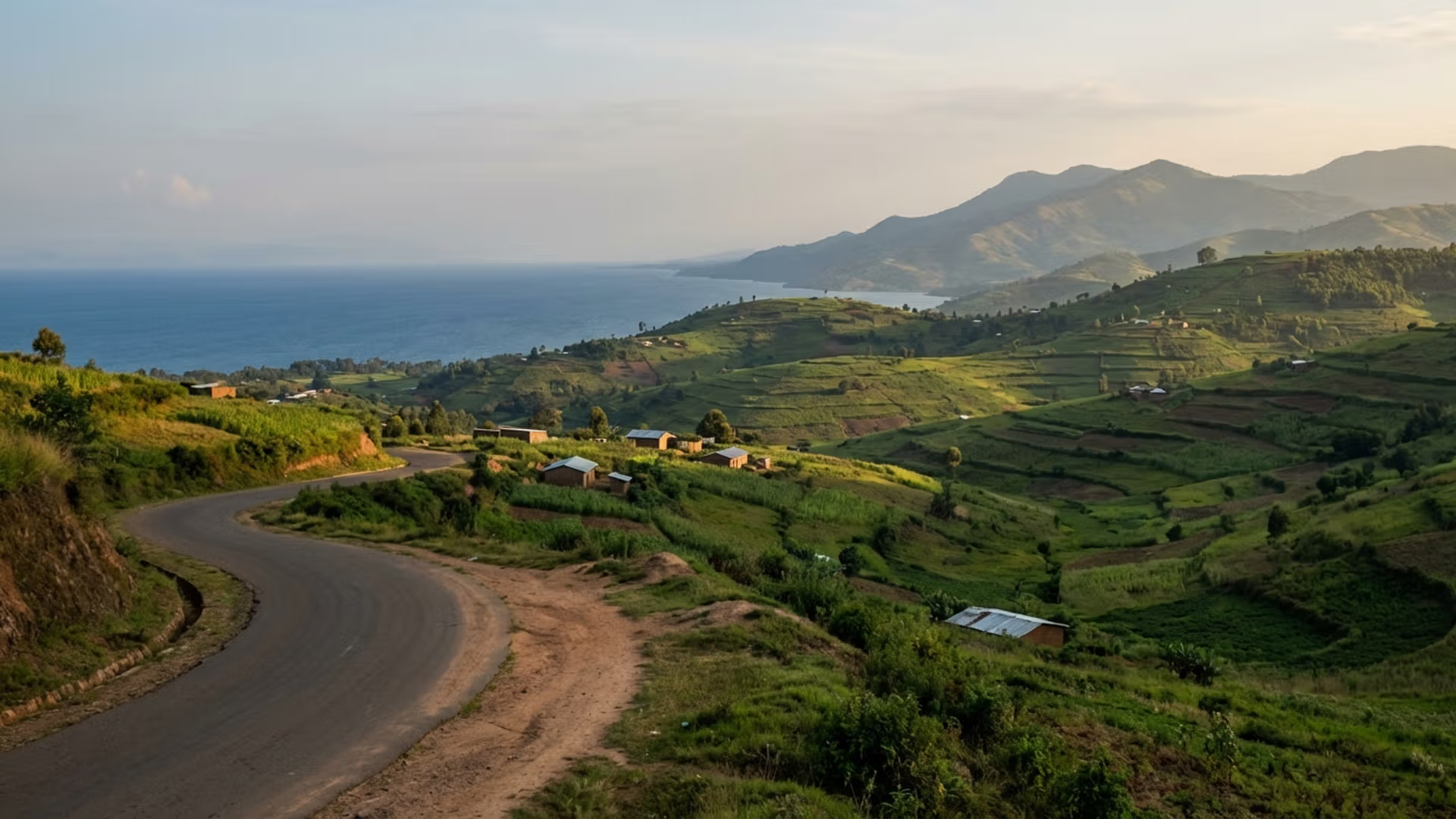
The route passes terraced hills, agricultural communities and attractive viewpoints.
Short sections can be explored without completing the entire trail.
Longer journeys require accommodation and transport planning.
Some sections are physically demanding.
Visitors should check current route accessibility and security conditions before arranging activities.
Visiting Rubavu’s Hot Springs
The Rubavu area contains geothermal hot springs, including those around Nyamyumba.
These natural attractions reflect geothermal activity associated with the wider volcanic region.
Visitors may observe warm water emerging near the lakeshore.
Hot Spring Safety
Water temperatures can be extremely high.
Do not enter unfamiliar pools.
Follow instructions from local guides and site attendants.
Some areas may be suitable for sightseeing rather than bathing.
Coffee Experiences Around Rubavu
The Lake Kivu region supports coffee farming.
Its hills provide suitable conditions for Arabica cultivation.
Some tourism operators arrange visits to coffee farms and washing stations.
From Coffee Cherry to Cup
Visitors can learn about harvesting, processing and drying coffee.
Tasting sessions may introduce different flavour characteristics.
Coffee visits should be arranged with established operators and participating farmers.
These experiences provide an alternative to beach activities.
Understanding the Rubavu–Goma Border
Rubavu lies immediately beside Goma, a major commercial city in eastern DR Congo.
The border has historically supported trade, employment and everyday movement.
Two important crossing areas are commonly known as Grande Barrière and Petite Barrière.
Border Crossing Information
| Border consideration | Practical advice |
|---|---|
| Main neighbouring city | Goma |
| Country across border | DR Congo |
| Common crossing points | Grande Barrière and Petite Barrière |
| Passport | Required for international travel |
| Visa | Depends on nationality and current regulations |
| Yellow fever documents | Check applicable entry requirements |
| Border opening | Subject to current restrictions |
| Security | Check official advisories before travelling |
Being close to the border does not mean visitors can cross freely.
Current Border Security Considerations
Eastern DR Congo has experienced prolonged armed conflict and political instability.
Fighting near Goma has affected regional travel and security.
As of October 2026, Australia’s official travel advice recommends against travel to Rubavu, including Gisenyi, because of the volatile situation.
It also reports restrictions on crossings between Rwanda and DR Congo.
What Travellers Should Do
Do not plan an independent border excursion without verified official clearance and current security advice.
Avoid photographing military facilities or security personnel.
Follow instructions from local authorities.
Do not assume that a crossing previously used by tourists remains open.
Consider alternative Rwanda destinations when official guidance advises against visiting Rubavu.
How to Reach Rubavu
Rubavu is traditionally reached by road from Kigali or Musanze.
The drive from Kigali takes approximately three to four hours under ordinary conditions.
From Musanze, the journey generally takes around one to one and a half hours.
Transport Options
Private safari vehicles provide flexibility.
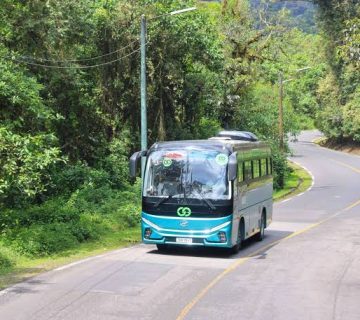
Intercity buses serve the region when operations permit.
Hotel transfers may also be arranged.
Travellers should confirm road security and operating services before departure.
Accommodation Around Rubavu
Rubavu has historically offered accommodation ranging from guesthouses to comfortable lakefront hotels.
Lake Kivu Serena Hotel is one of the best-known properties.
Other establishments provide smaller-scale accommodation and restaurants.
Accommodation Choices
| Type | Suitable travellers |
|---|---|
| Lakeside hotels | Couples and families |
| Town guesthouses | Budget-conscious visitors |
| Small waterfront properties | Relaxation holidays |
| Private holiday accommodation | Groups and longer stays |
Accommodation availability does not establish that travel is currently safe.
Check security guidance before making non-refundable reservations.
Best Time to Visit Rubavu
Rubavu experiences rainfall throughout the year.
June to September and December to February are generally convenient periods for outdoor activities.
However, weather is not the only consideration.
Security conditions, transport restrictions and border developments should determine whether a journey is advisable.
Suggested Two-Day Visit
The following itinerary is suitable only when official security guidance and local conditions permit travel.
Day One: Lakeside Relaxation
Travel from Musanze or Kigali.
Check into lakeside accommodation.
Enjoy a guided waterfront walk and a meal overlooking Lake Kivu.
Spend the evening watching the sunset from a safe, established location.
Day Two: Lake and Community Experiences
Begin with an organised boat excursion if conditions permit.
Learn about local fishing activities.
Visit an authorised coffee experience or suitable section of the Congo Nile Trail.
Return to your accommodation before departure.
Alternatives When Rubavu Is Not Advisable
Travellers seeking lakeside scenery can consider other destinations after checking their own security conditions.
Karongi offers attractive Lake Kivu views, boat experiences and island scenery.
Musanze provides access to Volcanoes National Park and the Twin Lakes of Burera and Ruhondo.
These alternatives may suit visitors who need to adjust their itinerary.
Responsible Tourism in Rubavu
Responsible travel involves respecting communities, protecting the lake and recognising local security concerns.
Avoid littering along the shoreline.
Choose qualified boat operators.
Respect fishermen and private property.
Support locally owned businesses when visiting conditions are appropriate.
Never put residents, guides or drivers under pressure to enter restricted areas.
Why Rubavu and Gisenyi Are Worth Understanding
Rubavu combines beautiful Lake Kivu scenery with a distinctive history shaped by tourism, fishing and cross-border trade.
Its beaches, waterfront hotels and cultural experiences have made it an important destination in western Rwanda.
However, the town’s location beside eastern DR Congo requires careful consideration.
For travellers, understanding both its attractions and current border practicalities is essential.
When conditions permit safe travel, Rubavu offers a memorable opportunity to enjoy Rwanda’s lakeside landscapes and community life.

No comment