
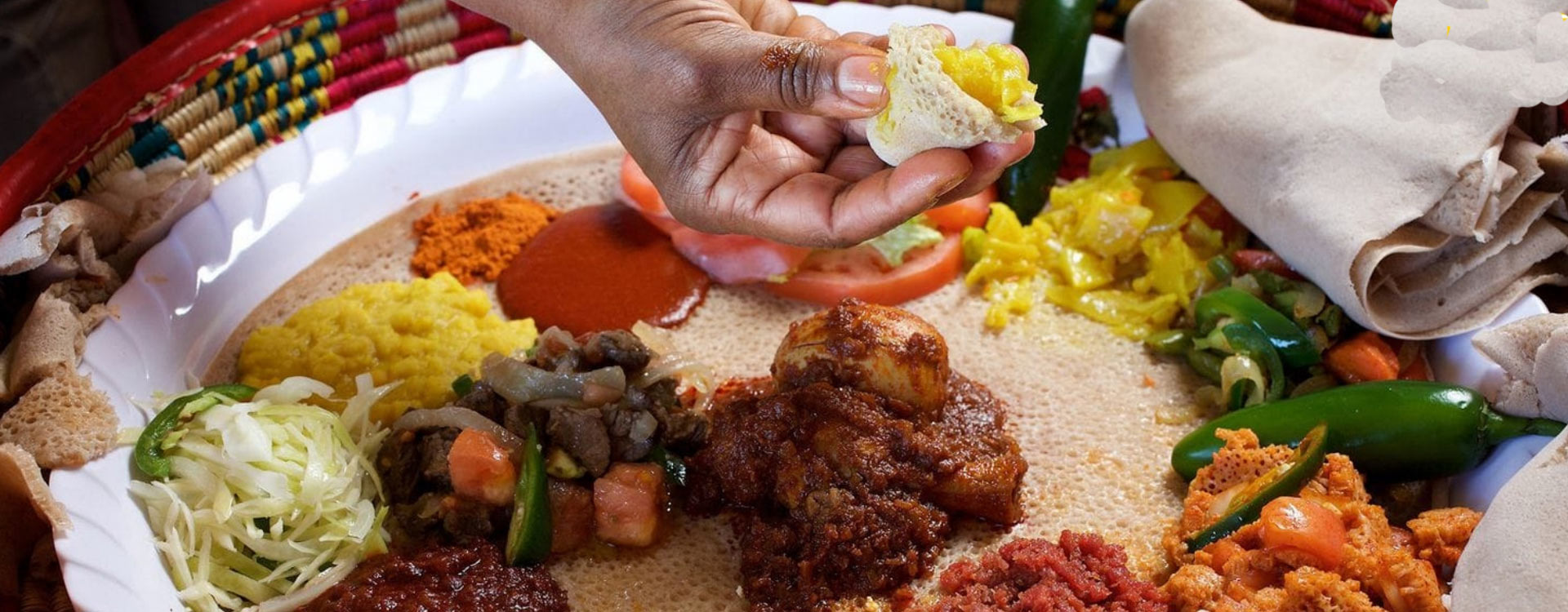
Is it ok to eat meat on safari lodges that serve wild game?
eating meat at a safari lodge can be acceptable, but it is worth understanding where the meat comes from, how it was obtained, and whether it was prepared safely. some lodges in africa serve game meat as part of their dining experience, allowing guests to sample traditional dishes or learn about local food cultures. however, not every type of wild meat is legally sourced, and the fact that a dish appears on a lodge menu does not automatically mean it is sustainable or appropriate to eat.
wild game refers to animals that are hunted or managed for food, rather than raised in conventional livestock systems. depending on the country and the establishment, game meat may come from legally managed wildlife populations, licensed game ranches, or approved suppliers. some lodges also serve farmed game species alongside more familiar options such as beef, chicken, fish, and lamb.
for travellers visiting Uganda, Kenya, Tanzania, Rwanda, or other african destinations, the most important considerations are legality, conservation, food safety, and personal preference. eating legally sourced game meat is different from consuming meat obtained through poaching or the illegal trade in protected wildlife. responsible lodges should be able to explain their sourcing practices and provide alternatives for guests who prefer not to eat wild game.
you do not need to eat game meat to enjoy a safari. most lodges can accommodate guests who prefer conventional meat, vegetarian meals, vegan food, or other dietary options when informed in advance. understanding the choices available helps you enjoy local cuisine while respecting wildlife conservation and your own dietary preferences.
What does wild game meat mean on a safari menu?
wild game meat comes from non-domesticated animal species that are used for food. the term can cover different animals depending on the country, local laws, and the way the meat is produced or supplied.
in some safari destinations, menus may feature antelope species, including certain types of gazelle, impala, or kudu where legally sourced and permitted. other establishments may offer farmed game such as ostrich. availability varies widely, and many lodges do not serve game meat at all.
it is important to distinguish between wild game and farmed game. farmed animals are raised under managed conditions, while genuinely wild game may come from authorised harvesting programmes or other legal wildlife-management arrangements. the two can have different implications for animal welfare, traceability, conservation, and food safety.
the word “game” on a menu is not enough to establish the origin of the meat. if you are curious, ask the lodge whether the dish uses farmed or wild-sourced meat and whether the supplier is authorised. a responsible establishment should take questions about its ingredients seriously.
game meat is not the same as bushmeat obtained through unregulated hunting. bushmeat can include wildlife killed and sold outside legal controls, including species that may be protected or threatened. illegal hunting can damage wildlife populations, undermine conservation efforts, and expose consumers to foodborne and animal-borne diseases.
Is eating wild game meat legal in africa?
the legality of eating game meat depends on the species, the country, the source of the meat, and the relevant wildlife and food regulations. there is no single rule that applies throughout Africa.
some countries permit the sale and consumption of particular game species when they come from approved farms, licensed operations, or authorised wildlife-management programmes. other species may be fully protected, subject to strict restrictions, or prohibited from commercial trade.
a restaurant or safari lodge should obtain meat through lawful supply channels and comply with the applicable food-safety requirements. guests should not assume that every wild animal can legally be hunted, sold, transported, or served simply because it is found in the region.
the distinction is particularly important for protected wildlife. eating meat from a legally sourced farmed species is very different from eating meat obtained from an illegally killed elephant, rhino, gorilla, chimpanzee, or another protected animal. such consumption can contribute to harmful demand and may be associated with serious wildlife crime.
if a lodge offers an unfamiliar game dish, you can ask about the species and its origin. you do not need to conduct a formal investigation before ordering dinner, but a clear answer from the establishment is reassuring. if the staff cannot explain the source, or if the dish appears to involve a protected species, it is reasonable to choose something else.
Does eating game meat harm wildlife conservation?
eating game meat does not automatically harm wildlife conservation. the effect depends largely on the species, how it was obtained, and whether the supply system is lawful and responsibly managed.
in some settings, regulated wildlife use is part of a wider land-management approach. legal game farming or authorised harvesting may support livelihoods, provide income for landowners, and create incentives to maintain suitable habitat. these benefits depend on effective oversight, sound population management, and reliable enforcement.
however, these potential benefits should not be assumed for every product labelled as game meat. poor management can harm animal populations, while illegal hunting can reduce wildlife numbers and disrupt ecosystems. demand for meat from protected species may also encourage poaching and illegal trade.
a responsible lodge should be able to distinguish its legal suppliers from unregulated sources. if the establishment supports conservation, it should also be able to explain how its food purchasing practices align with that commitment.
for travellers, a practical approach is to choose food from reputable establishments, ask reasonable questions about unfamiliar wildlife products, and avoid meat that appears to come from protected or illegally hunted animals. you can still experience local cuisine without supporting harmful wildlife trade.
What kinds of game meat might you encounter?
the options available depend on the country, local food traditions, and the type of lodge. many safari lodges serve conventional livestock and poultry rather than wild game, while others occasionally include legally sourced game dishes.
Antelope meat
certain antelope species are eaten in some parts of southern and eastern Africa when legally sourced. the taste and texture vary according to the species, the animal’s diet, and the cooking method. some game meats are relatively lean and may be prepared as grilled steaks, stews, or roasted dishes.
availability is not consistent across safari destinations. an animal commonly eaten in one country may be uncommon, protected, or unavailable through legal commercial supply in another. never assume that a particular species can be served lawfully simply because it is found in the area.
Ostrich
ostrich meat is sometimes available through commercial farms and specialist suppliers. because ostriches can be farmed, their meat may be easier to trace than meat from an unidentified wild animal, provided the supplier is reputable and the relevant regulations are followed.
ostrich is often prepared as a steak, burger, or other cooked dish. it is relatively lean, so cooking methods matter if the meat is to remain tender. guests who are curious about trying an unfamiliar protein can ask whether the ostrich is farmed and how it is prepared.
Other local game dishes
depending on the destination, visitors may encounter other legally sourced game products, but there is no standard list shared by every safari lodge. availability can change with local regulations, supplier arrangements, and seasonal menus.
if a dish is described only as “wild meat” or “bush meat” without a clear species or source, ask for an explanation before ordering. vague descriptions do not provide enough information to establish whether the product is lawful or safe.
Is game meat safe to eat?
game meat can be safe when it comes from an approved source, has been handled hygienically, and is cooked and stored appropriately. however, meat from wild animals can carry parasites, bacteria, or other pathogens, just as livestock products can. the risks depend on the species, the animal’s health, how it was killed, and the conditions under which the meat was transported, processed, and prepared.
a reputable lodge should use suitable suppliers, maintain proper refrigeration, prevent cross-contamination, and follow safe cooking practices. game meat should not be treated as automatically safe because it is fresh, locally sourced, or served in an exclusive property.
one important concern is meat that has not been inspected or handled through a controlled supply chain. illegally hunted wildlife may be processed in conditions that make contamination more likely. consumers may have little reliable information about the animal’s health or the way the meat was transported.
to reduce ordinary foodborne risks, choose established lodges with good food-handling practices and eat meat that has been cooked appropriately. avoid raw or undercooked wild meat, especially if its source and handling are uncertain. if you have a weakened immune system, are pregnant, or have another health-related reason to avoid higher-risk foods, ask a qualified healthcare professional about your individual precautions before travelling.
if a dish smells unusual, appears improperly stored, or is served inadequately cooked, it is reasonable to ask the staff to address the concern or choose a different meal.
Should tourists try wild game meat on safari?
trying legally sourced game meat is a personal choice. some travellers enjoy discovering local ingredients and cooking traditions, while others prefer familiar foods or avoid eating wild animals for ethical, cultural, religious, or environmental reasons.
there is no requirement to sample game meat to experience an african safari fully. wildlife viewing, cultural visits, local produce, and regional dishes can provide plenty of variety without ordering unfamiliar meat.
if you want to try a game dish, ask the lodge what species it contains, where it comes from, and how it is prepared. this is particularly useful if you have food allergies, dietary restrictions, or concerns about conservation.
you may also want to start with a farmed product from a traceable supplier rather than an unfamiliar wild-sourced dish. farmed does not automatically mean risk-free or environmentally preferable, but it can make the supply chain easier to understand when the source is properly documented.
the best choice is one you feel comfortable making. you can be curious about local cuisine while remaining selective about what you eat.
What if you do not want to eat wild game?
you can politely decline. safari lodges generally cater to a range of dietary preferences, although the number of alternatives depends on the property, its kitchen facilities, and the meals included in your booking.
common alternatives include beef, chicken, fish, lamb, eggs, vegetables, grains, beans, and plant-based dishes. some lodges offer regional foods such as rice, matoke, potatoes, beans, fresh vegetables, and stews, depending on the destination and the menu.
if you prefer not to eat wild game, tell the tour operator before arrival and ask the lodge to confirm suitable alternatives. this is especially important at small camps with limited supplies or menus that change according to available ingredients.
if your concern is conservation, explain that you would prefer meat from conventional livestock or farmed sources with clear traceability. if you are vegetarian or vegan, specify this separately because avoiding game meat does not necessarily mean that a dish is free from animal products.
you should not feel pressured to eat something that conflicts with your values or dietary needs. a professional lodge should treat your preference respectfully and explain what it can provide.
How to ask a safari lodge about its meat sourcing
you can ask simple, practical questions without making the conversation uncomfortable. if you see an unfamiliar game dish on the menu, ask which animal it comes from and whether the meat is farmed or wild-sourced.
if the source is important to you, ask whether the supplier is authorised and whether the lodge follows applicable wildlife and food-safety regulations. you can also ask whether the dish can be replaced with a conventional meat or vegetarian option.
a useful question is whether the lodge can confirm that the meat comes from a lawful, traceable source. this focuses on the relevant issue rather than assuming that all game meat is harmful or that all locally sourced products are sustainable.
if the staff provide a clear explanation, you can decide whether you are comfortable ordering the dish. if the answers are vague, contradictory, or suggest that the meat came from protected wildlife or illegal hunting, choosing another meal is the sensible option.
these questions are especially relevant when a lodge promotes unusual game dishes as part of its identity. a responsible business should understand its suppliers and be willing to explain its food choices.
Does eating game meat support local communities?
it can, but the result depends on how the meat is produced, who receives the income, and whether the system operates lawfully and responsibly.
legal game farming and authorised wildlife-management activities can create jobs in farming, processing, transport, hospitality, and food supply. in some areas, income associated with wildlife may contribute to incentives for maintaining habitat and supporting conservation.
however, these benefits are not automatic. an illegal supply chain may enrich people involved in poaching or wildlife trafficking while harming local communities, conservation programmes, and animal populations. the presence of a game dish on a menu does not prove that its sale supports conservation.
if community benefit matters to you, ask the lodge about its sourcing standards and broader conservation or community partnerships. look for clear explanations rather than relying on broad claims that a product is sustainable simply because it is local.
you can also support local communities through other choices, including purchasing locally made crafts from legitimate vendors, visiting community-led cultural activities, and choosing tourism operators that explain how their programmes benefit residents.
Are game meat and bushmeat the same thing?
the terms are sometimes confused, but they should not be treated as interchangeable.
game meat usually refers to meat from wild animals that are legally hunted, harvested, or otherwise supplied through an authorised system, although usage can vary between countries and businesses. some products described as game are farmed rather than taken from wild populations.
bushmeat generally refers to meat from wild animals hunted for consumption, especially in contexts where hunting and trade may be informal or unregulated. bushmeat is not automatically illegal in every context, but its production and sale can raise significant concerns when protected species, prohibited hunting methods, or unlawful commercial trade are involved.
the important questions are which species is being served, whether obtaining and selling it is legal, and how the meat was handled. the name used on a menu is not enough to answer those questions.
if a lodge promotes bushmeat without identifying the species or explaining its legal source, ask for clarification. do not assume that a dish is acceptable simply because it is described as traditional or authentic.
What should you consider before ordering game meat in Uganda, Kenya, Tanzania, or Rwanda?
wildlife laws and food-supply arrangements differ across East Africa, so the same assumptions should not be applied to every country.
in Uganda, Kenya, Tanzania, and Rwanda, protected wildlife is subject to national conservation laws and relevant regulations. the rules governing hunting, possession, transport, sale, and consumption depend on the species and the circumstances. travellers should not assume that meat from a wild animal can legally be sold merely because the species occurs naturally in the country.
if you are staying at a lodge near a national park, remember that the animals you see during game drives are part of a protected wildlife environment governed by specific rules. meat supplied to the lodge should come through lawful channels and should not be obtained by poaching animals from protected areas.
before ordering an unfamiliar dish, ask the lodge to identify the species and explain its source. if you have concerns about legality or conservation, choose an alternative meal rather than relying on assumptions about local custom.
travellers should also avoid buying meat from informal roadside sellers when its origin and handling cannot be established. this is not a judgement on local cuisine; it is a practical way to reduce uncertainty about food safety and the legal status of wildlife products.
Frequently asked questions about eating wild game on safari
Is it wrong to eat wild game meat on safari?
not necessarily. eating legally sourced game meat is a personal choice, and some regulated systems may support local livelihoods or wildlife management. concerns arise when meat comes from poaching, protected species, or unregulated supply chains.
Do all safari lodges serve wild game?
no. many lodges serve conventional meat, fish, and plant-based meals. game dishes are optional and may be available only at certain properties or on particular menus.
Is wild game healthier than beef or chicken?
not automatically. nutritional value varies by species, cut, preparation, and portion size. some game meats are relatively lean, but safety and nutritional quality depend on more than whether the animal was wild or farmed.
Can children eat game meat at a safari lodge?
children can eat properly prepared meat that is suitable for their age and dietary needs, but parents should ask about the source and cooking method. avoid serving children raw or undercooked game meat, especially when the supply chain is uncertain.
Can I ask the lodge not to serve game meat?
yes. tell the operator or lodge before arrival if you prefer conventional meat or plant-based meals. giving advance notice helps the kitchen prepare suitable alternatives.
Does ordering game meat mean supporting poaching?
not necessarily. game meat from a legal, traceable supplier is different from meat obtained through illegal hunting. if the source is unclear or appears suspicious, choose another dish and ask the lodge for an explanation.
Making a responsible food choice on safari
eating wild game meat at a safari lodge can be acceptable when the product is legally sourced, traceable, and prepared safely. the important distinction is between authorised game products and meat obtained through poaching or other illegal wildlife trade.
before trying an unfamiliar dish, ask what species it contains and where it comes from. choose reputable establishments that can explain their sourcing practices, and avoid products whose origin raises concerns about protected wildlife or food safety.
if you prefer not to eat game meat, there is no reason to feel uncomfortable about declining it. safari lodges often have alternatives, and you can enjoy regional cuisine without compromising your personal values. a thoughtful approach allows you to appreciate local food while respecting wildlife, conservation, and the communities connected to tourism.



No comment