
How to Plan a Safari for Three Generations Travelling Together
Planning a safari for three generations of one family can create memories that last a lifetime. Grandparents, parents and children get the chance to experience Africa’s wildlife together, share meals in the bush, watch elephants cross open grasslands and discover landscapes that may be completely different from home. For many families, it is also an opportunity to celebrate a birthday, anniversary, retirement or family reunion in a meaningful way.
However, organising a safari for three generations requires more thought than planning a holiday for a couple or a group of friends. Grandparents may prefer comfortable accommodation, shorter drives and reliable access to medical facilities. Parents may want opportunities to photograph wildlife, explore different parks and enjoy a little time to themselves. Children may need swimming pools, familiar meals, entertainment and breaks between activities.
These preferences do not have to conflict. The secret is to build an itinerary that offers shared experiences without requiring every family member to follow exactly the same schedule. A well-planned safari gives everyone opportunities to participate at a comfortable pace, while allowing individuals to rest or choose different activities when necessary.
East Africa offers excellent options for multigenerational travel. Uganda combines savannah wildlife with scenic lakes, forests and cultural experiences. Kenya is known for its classic game drives and established safari lodges. Tanzania offers vast wildlife areas, while Rwanda provides opportunities to combine Kigali, scenic landscapes and selected wildlife experiences. The best destination depends on the family’s interests, mobility, budget, travel dates and preferred level of comfort.
This guide explains how to organise a safari for grandparents, parents and children, including destination selection, accommodation, transport, health considerations, budgeting, activity planning and practical ways to keep everyone comfortable throughout the trip.
Why a Multigenerational Safari Can Be a Great Family Holiday
A safari offers something that many conventional family holidays cannot easily reproduce. Everyone can share the same experience while appreciating it in different ways. A grandparent may enjoy the scenery and birdlife, a parent may focus on photography and animal behaviour, and a child may be excited simply to see a giraffe standing beside the road.
These differences can make the holiday more interesting rather than less enjoyable. Family members can explain what they notice, share knowledge and create conversations that continue long after the trip ends.
A safari can also reduce the pressure to organise separate entertainment for every age group. During a game drive, several generations can observe the same animals from the vehicle. At a lodge, they can relax together, enjoy meals and talk about the day’s sightings.
The experience works particularly well when the accommodation provides shared spaces alongside enough private space for individual needs. Grandparents may appreciate a quiet room and a comfortable place to rest, while parents and children may enjoy time outdoors between activities.
However, a multigenerational safari should not be treated as a competition to see the most animals or visit the greatest number of parks. An itinerary that works for a group of fit adults may be too demanding for a family with young children or older relatives who find long journeys uncomfortable.
The goal is to create a trip that allows everyone to participate meaningfully. That means choosing suitable activities, allowing enough time to rest and accepting that some family members may occasionally prefer different plans.
Start by Understanding Everyone’s Needs
Before choosing a destination or requesting quotations, have a practical conversation with every household travelling in the group. The purpose is not to plan every detail immediately. It is to understand what each generation hopes to experience and identify any requirements that could affect the itinerary.
Grandparents may want a comfortable room, good food, manageable walking distances and a schedule that does not involve repeated early starts. Some may be keen wildlife photographers or experienced travellers who are happy to spend hours in the bush. Others may prefer shorter game drives and more time at the lodge.
Parents often have to balance their own interests with childcare. They may want opportunities to enjoy wildlife viewing without constantly managing meals, naps or children’s activities. They may also appreciate family rooms, reliable transport and accommodation where children can move around safely.
Children’s needs depend heavily on their ages. Toddlers require frequent breaks, while school-age children may enjoy longer drives if guides make the experience engaging. Teenagers may be interested in photography, conservation, birdwatching or more adventurous activities, subject to the relevant age restrictions.
Ask everyone which experiences matter most. One person may dream of seeing lions, another may want to visit a local community, and someone else may simply want to relax in a beautiful setting. Understanding these priorities early helps you avoid paying for activities that only a small part of the group wants to undertake.
It is equally important to discuss physical limitations privately and respectfully. A family member may have difficulty climbing into a vehicle, walking on uneven ground or sitting for several hours. These considerations should shape the itinerary from the beginning rather than becoming problems after the trip has started.
Choose the Right East African Safari Destination
The best destination depends on the balance between wildlife viewing, travel time, comfort and activities suitable for different ages. Rather than selecting a country solely because it is famous for a particular animal, consider how easily the entire family can enjoy the experience.
Uganda: A varied safari for different generations
Uganda offers a combination of savannah wildlife, boat excursions, forests, lakes and cultural experiences. This variety can be useful for families who want more than traditional game drives.
Queen Elizabeth National Park provides opportunities to see elephants, buffaloes, antelopes and other wildlife. A boat excursion along the Kazinga Channel can offer another way to experience the park, with opportunities to observe hippos, birds and animals along the water’s edge. Boat suitability depends on the operator, vessel and individual mobility needs, so confirm access arrangements before booking.
Murchison Falls National Park combines game drives with river excursions and impressive scenery. Families may enjoy watching wildlife from a vehicle before taking a boat trip, although the transfer from Entebbe or Kampala can be long. Allow enough time for the journey and consider an overnight stop if this makes travel more comfortable.
Lake Mburo National Park can be a useful option for a shorter wildlife experience, depending on the family’s route. Its location may suit travellers moving between central Uganda and the southwest, but road conditions and transfer times should still be considered.
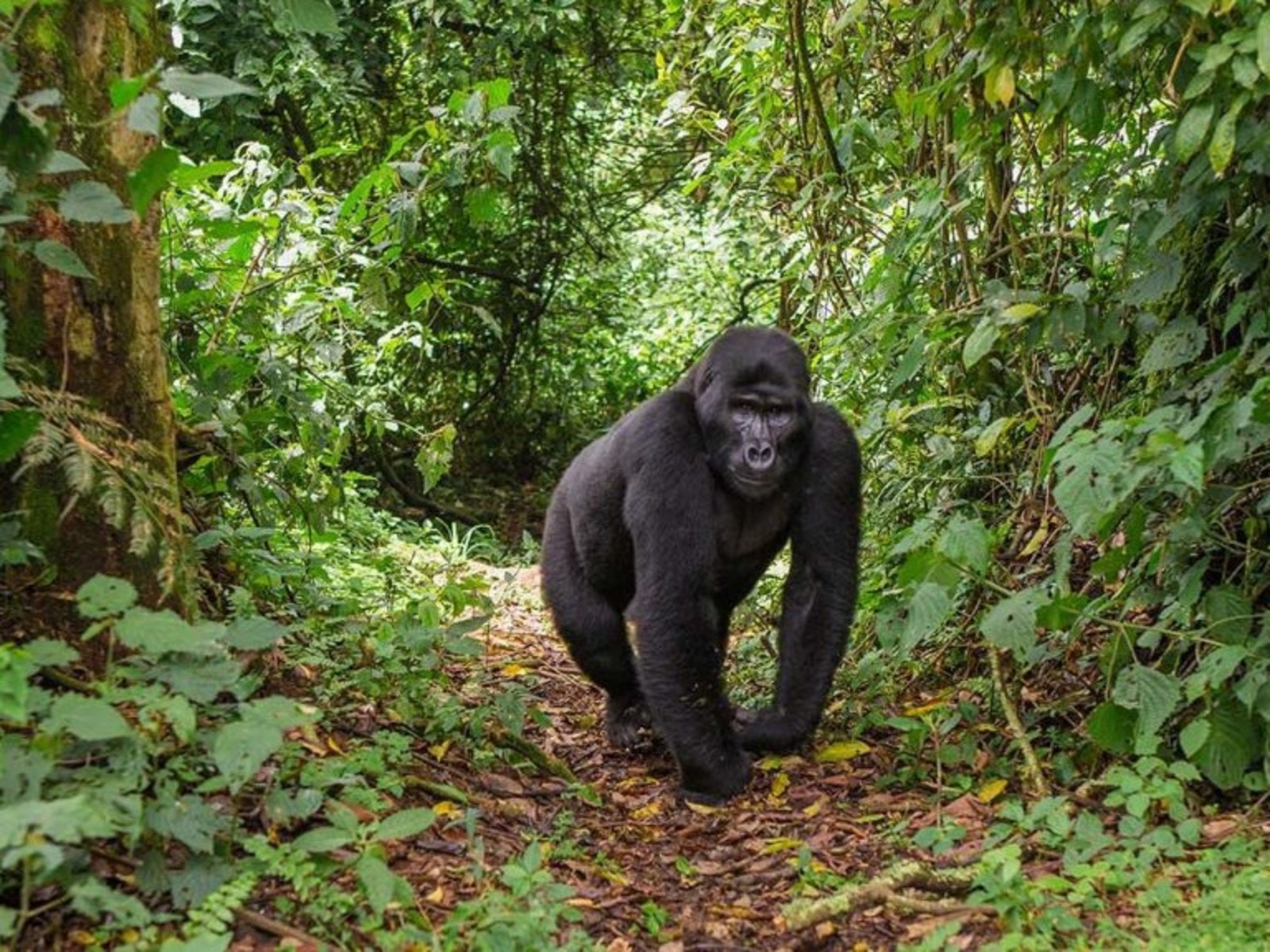
Uganda is also known for mountain gorilla trekking in Bwindi Impenetrable National Park. However, trekking is generally restricted to visitors aged 15 and older and requires a separate physical and logistical assessment. A family with young children or relatives who cannot manage challenging forest terrain should not assume everyone can participate.
A multigenerational Uganda itinerary can focus on savannah wildlife and boat trips, leaving primate trekking for another trip or arranging alternative activities for eligible family members. This can be more practical than building the entire holiday around an activity that some relatives cannot join.
Kenya: Classic wildlife viewing and established safari lodges
Kenya is an excellent choice for families interested in traditional game drives and accommodation with established safari facilities. The Maasai Mara, Amboseli and parts of Laikipia offer different landscapes and wildlife experiences.
The Maasai Mara is famous for lions, cheetahs, elephants and large herds of grazing animals. Families can stay at one lodge for several nights and organise game drives around the group’s energy levels. A private vehicle is particularly useful when grandparents or children need more flexibility.
Amboseli is known for elephants and views of Mount Kilimanjaro when weather conditions permit. Staying near the main wildlife-viewing areas can reduce unnecessary driving during the day, although the journey to the park still needs to be included in the overall plan.
When comparing Kenyan properties, ask whether they have ground-floor rooms, accessible paths, family suites, private dining options and suitable arrangements for guests with limited mobility. Some lodges are designed around raised platforms, stairs or uneven walkways, which may not suit every traveller.
Kenya can also work well for families with different interests because some properties offer birdwatching, cultural experiences and guided nature activities alongside game drives. Check the minimum ages, accessibility and costs for each activity.
Tanzania: Big wildlife experiences with fewer accommodation changes
Tanzania offers remarkable wildlife destinations, including the Serengeti and Ngorongoro Conservation Area. It can be an excellent choice for families who want classic African scenery and opportunities to observe a wide variety of animals.
The Serengeti is vast, and the distances between regions can be considerable. A multigenerational group may find it more comfortable to focus on one part of the ecosystem rather than trying to cover several distant areas within a short period.
The Ngorongoro Crater can offer concentrated wildlife viewing, but an excursion often involves an early departure and several hours in a vehicle. Discuss the likely schedule with the safari operator and consider whether it suits the youngest and oldest members of the family.
Tanzania also offers accommodation ranging from comfortable lodges to high-end safari camps. The most expensive option is not automatically the most suitable. A property with easy access, comfortable rooms and a good location may be more valuable than one with elaborate facilities but long internal walks.
For a family travelling together, fewer destinations and longer stays can make Tanzania more enjoyable. You will spend less time packing and transferring between lodges and more time sharing experiences.
Rwanda: Scenic travel and selected wildlife experiences
Rwanda can suit families who prefer a relatively compact itinerary combining Kigali, lakeside scenery and wildlife viewing in suitable locations.
Kigali offers an opportunity to explore the country’s capital, learn about its history and enjoy restaurants or cultural experiences. Lake Kivu can provide a quieter setting for families who want time beside the water, while Akagera National Park offers savannah wildlife viewing and selected excursions.
Mountain gorilla trekking in Rwanda is generally restricted to visitors aged 15 and older. Families with younger children should plan alternative activities and confirm arrangements before booking.
Although Rwanda’s geography can make some routes more manageable than journeys across larger countries, travel times should still be checked carefully. A family member who experiences motion sickness or discomfort on winding roads may need additional breaks or a different route.
How Long Should a Three-Generation Safari Last?
For many families, a six-to-eight-day safari offers a useful balance between wildlife viewing, travel and rest. A shorter trip can work if the destination is close to the arrival airport, while a longer holiday may be appropriate when international flights, multiple regions or special celebrations are involved.
A three-to-four-day safari can be enjoyable if the group concentrates on one destination. This approach reduces transfers and allows everyone to settle into a routine. However, the journey to and from the park may take up a substantial part of the holiday.
A six-day itinerary gives the family more flexibility. You could spend several nights in one wildlife area, include a second destination if the transfer is manageable, and leave time for a cultural experience or a quiet afternoon at the lodge.
An eight-to-ten-day holiday can work well for families visiting East Africa from overseas. The additional time allows for arrival-day rest, longer stays and a more relaxed pace. However, more days should not automatically mean more parks. A longer stay in a well-chosen destination may be more comfortable than moving every two nights.
Avoid changing accommodation daily. Each transfer requires packing, check-out, travel, check-in and adjustment to a new room. For older relatives and young children, these repeated changes can become tiring.
A useful principle is to spend at least two nights in each main location, and preferably three when the journey is long or the destination offers several activities. This gives the group time to rest after arriving and enjoy the park without rushing.
Plan a Pace That Works for All Three Generations
The daily schedule is one of the most important parts of a multigenerational safari. Grandparents may need more rest, children may become tired quickly and parents may want enough time for wildlife viewing. A flexible itinerary can accommodate these differences.
Keep game drives manageable
Game drives are central to many safaris, but their duration can vary. Some last a few hours, while others extend through much of the morning or afternoon.
Ask your operator how long each proposed drive is expected to last and whether the vehicle can return to the lodge early. A private vehicle gives the group more control over departure times and allows the guide to adapt the outing to the passengers.
Do not assume every family member must join every drive. Grandparents may prefer a later start on one morning, while parents and older children take an early outing. On another day, everyone can join a shorter drive together.
Protect time for rest
A relaxed afternoon can improve the entire holiday. After a morning drive, return to the lodge for lunch, rest and time to enjoy the surroundings. Some family members may want to sleep, while others can read, photograph birds or spend time by the pool if it is safe and suitable.
This downtime is especially important when the group includes toddlers, older adults or travellers adjusting to a long-haul flight. Avoid filling every available hour simply because activities are offered.
Allow for different energy levels
One family member may be ready for another excursion while someone else needs to rest. Build this possibility into the itinerary rather than treating it as a problem.
If the lodge has several safe activities, the group can divide temporarily and meet again for dinner. Before making separate plans, confirm transport, supervision and the cost of any additional services.
Avoid too many early mornings
Wildlife is often active during cooler hours, so early starts are common. However, repeated departures before sunrise can become tiring, particularly for older relatives or children who need regular sleep.
Ask which drives genuinely benefit from an early start and whether later options are available. A mixture of early and later departures can help the family maintain a comfortable routine.
Choosing Accommodation for Three Generations
Accommodation should be selected according to the group’s practical needs, not only its appearance or star rating. A beautiful lodge may be unsuitable if reaching the dining room requires climbing several flights of stairs or walking along uneven paths.
Family suites and adjoining rooms
A family suite can keep parents and children together while providing sufficient space to rest. Adjoining rooms may work better when grandparents prefer privacy or need a quieter environment.
Confirm the actual room configuration before booking. Ask whether adjoining rooms are guaranteed, whether extra beds are available and whether bathrooms are accessible for the family members who need them.
If the group includes young children, ask about cots, high chairs and suitable meal arrangements. If grandparents have mobility limitations, request a room close to the restaurant and reception where possible.
Accessibility and walking distances
The term accessible can mean different things at different properties. Ask specific questions about stairs, ramps, door widths, bathroom layouts, shower access and the distance between rooms and shared facilities.
Some safari lodges have uneven paths, steps, raised decks and open-air dining areas. These features can create difficulties for travellers using walking aids or those who tire easily.
If a family member uses a wheelchair or has significant mobility restrictions, discuss the exact requirements with the accommodation and operator before confirming the booking. Request photographs or detailed descriptions where needed, and obtain written confirmation of any accessibility arrangements.
Comfort and location
A lodge close to the main wildlife-viewing areas can reduce daily driving time. This may be particularly valuable for children and older relatives who find prolonged travel uncomfortable.
Consider the property’s climate, room ventilation, bedding, dining facilities and availability of hot water. Ask whether the lodge has reliable communication facilities and what medical assistance can be accessed in an emergency.
The best accommodation is the one that supports the group’s routine and makes it easy to enjoy the destination without unnecessary effort.
Food and dietary needs
Travelling with several generations often means accommodating different food preferences. Children may prefer simple meals, while adults may want to try regional dishes. Older relatives may have dietary requirements that need advance communication.
Tell the lodge about allergies, vegetarian preferences and other dietary needs before arrival. Ask whether suitable meals can be prepared and whether the kitchen can accommodate any important restrictions.
If a family member depends on particular snacks or food products, bring an appropriate supply when local availability is uncertain. Do not assume that a remote lodge will stock every specialised item.
Transport: Private Safari Vehicle or Shared Game Drives?
For three generations travelling together, a private safari vehicle is often one of the most useful investments. It allows the family to control the schedule, choose suitable stops and travel together without having to accommodate unrelated guests.
A private vehicle can make it easier to leave later, return to the lodge early or shorten a drive when someone becomes tired. It also gives the guide more opportunities to tailor explanations to the group’s interests.
Before booking, ask how many passengers the vehicle can accommodate comfortably. Do not choose a vehicle based only on its maximum legal capacity. Consider legroom, the ability to enter and exit safely, space for bags and whether everyone can see wildlife without excessive twisting or leaning.
Older relatives may need assistance getting into a high safari vehicle. Ask about step access, grab handles and the vehicle’s configuration. If anyone has balance problems or joint pain, discuss the arrangement with the operator before travel.
Shared game drives can reduce costs, but they usually offer less flexibility. The group may need to follow fixed departure times and remain out for the full duration of the activity. This may not suit a family with very different energy levels.
For longer road transfers, confirm the expected journey time, road conditions and availability of suitable stops. Ask whether the route can be broken into shorter sections or whether an overnight stop would be more comfortable.
Internal flights can reduce travel time on some routes, but they introduce luggage limits, airport transfers and additional costs. They may also require passengers to climb into small aircraft or walk across airfields. Discuss any mobility concerns and baggage requirements before choosing this option.
Health, Mobility and Travel Insurance
Health planning is essential when a safari includes older adults and young children. This does not mean that grandparents cannot enjoy a safari. It means the itinerary should reflect individual needs and provide reasonable access to assistance.
Medical preparation before departure
Encourage every family member to review their travel-health needs before leaving. A qualified healthcare professional can advise on vaccinations, destination-specific illnesses, medication requirements and any precautions relevant to the proposed route.
Travellers who take regular medication should carry sufficient supplies for the trip and a reasonable delay, following medical advice. Keep medicines in their original packaging and store them securely.
If someone has a medical condition that may affect long drives, heat tolerance or access to healthcare, discuss the itinerary with their clinician. This is particularly important when visiting remote areas where reaching a suitable medical facility may take time.
Malaria and insect protection
Malaria occurs in parts of East Africa, but the level of risk varies by destination and location. Families should obtain advice from a qualified travel-health professional about prevention appropriate to each traveller.
Children and older adults may have different medical needs, so do not assume one recommendation suits everyone. Use suitable protective clothing, mosquito nets and other recommended precautions where appropriate.
Seek prompt medical assessment if a traveller develops a fever after visiting a malaria-risk area. Do not assume that the illness is simply a cold or a reaction to travel fatigue.
Travel insurance and emergency arrangements
Choose insurance that covers the full itinerary, including planned activities and any remote destinations. Review medical expenses, emergency evacuation, cancellation conditions and exclusions.
Ask the safari operator what emergency procedures are available at each location. Find out where the nearest suitable medical facility is located and how transport would be arranged if someone needed urgent care.
If a family member has reduced mobility, confirm whether the insurance and transport arrangements account for that need. Keep emergency contact details available offline, and make sure the trip organiser knows how to access them.
Managing heat, walking and fatigue
Hot weather can affect people differently. Plan for drinking water, shade, appropriate clothing and breaks during outdoor activities. Older relatives may prefer to avoid the hottest part of the day, while children may need additional rest.
Do not assume that a person who walks comfortably at home will be comfortable on rough park roads or uneven lodge paths. Ask about terrain and expected walking distances before booking excursions.
A safari does not need to involve long walks. Many wildlife experiences can be enjoyed from a vehicle, boat or comfortable lodge, depending on the destination and the available activities.
Activities That Different Generations Can Enjoy Together
A multigenerational itinerary should include activities that bring the family together without requiring the same level of physical effort from everyone.
Game drives
Game drives are often the easiest shared activity because guests can observe wildlife from a vehicle. A knowledgeable guide can explain animal behaviour, tracks, habitats and conservation issues in a way that interests both adults and children.
Choose drive lengths that match the group’s comfort level. If some family members want a longer outing, arrange an additional drive for them rather than extending every shared activity.
Boat excursions
Boat trips can provide a different perspective on wildlife. Depending on the destination, guests may observe hippos, crocodiles, birds and animals coming to the water.
Before booking, confirm the vessel’s safety arrangements, boarding requirements, seating and accessibility. Some boats require stepping down into a vessel or navigating narrow walkways. Ask about life jackets and whether children can participate.
Cultural experiences
A cultural visit can introduce the family to local history, crafts, food, music or traditional ways of life. Choose experiences organised respectfully with community involvement and clear explanations of what visitors will see.
Avoid scheduling a long cultural excursion immediately after an exhausting game drive. A shorter visit with time to ask questions may be more enjoyable for the entire group.
Birdwatching and nature appreciation
Birdwatching can suit family members who prefer a slower pace. A lodge garden, lakeshore or suitable viewing area may offer opportunities to observe birds without a long journey.
Guides can adapt the experience to different ages by identifying colours, calls and behaviour. Children may enjoy spotting birds, while adults can learn more about habitats and conservation.
Relaxed lodge time
Not every part of a safari needs to be a formal activity. Sharing breakfast, watching the landscape from a veranda or discussing the day’s sightings can become some of the most memorable moments of the trip.
A lodge with comfortable communal areas allows relatives to spend time together while still taking breaks when necessary. This is particularly useful for families with different energy levels.
Should Everyone Participate in Every Activity?
No. A successful multigenerational safari does not require all family members to do everything together.
There may be times when grandparents prefer to relax at the lodge while parents take children on a short activity. Teenagers may want a photography-focused drive, while younger children may prefer a swimming session or time with a family guide.
These arrangements work best when they are planned in advance. Confirm whether the lodge can provide suitable supervision, whether transport is available and whether separate activities involve extra costs.
If the group wants to participate in an activity with a minimum-age restriction, identify alternatives for those who cannot join. Gorilla trekking in Uganda and Rwanda, for example, generally has a minimum age of 15. Families travelling with younger children must arrange another plan rather than expecting them to accompany the trekkers.
Walking safaris and other physically demanding activities may also have age, health or mobility requirements. Check the rules for the exact experience and avoid making assumptions based on general descriptions.
Allowing family members to choose different activities can reduce pressure and help everyone enjoy the holiday. Shared experiences remain important, but they do not need to account for every hour of the trip.
Budgeting for a Multigenerational Safari
The cost of a safari for three generations depends on the number of travellers, accommodation category, destination, travel dates, vehicle arrangements and selected activities. A larger family may benefit from sharing a private vehicle or family suite, but additional rooms, meals and activity fees can increase the overall cost.
Start by establishing a realistic budget for the entire group. Discuss who will pay for international flights, accommodation, park fees, transport, meals and optional experiences. If one household is paying for everyone, clarify what is included so that expectations are clear.
Accommodation can represent a substantial part of the budget. Compare family suites, adjoining rooms and separate rooms rather than assuming one arrangement is always cheaper. Consider the value of privacy, accessibility and convenience alongside the price.
A private vehicle usually costs more than shared game drives, but it may be worthwhile when the group needs flexible departure times or shorter outings. Request quotations for both options if you are uncertain.
Travel dates also affect costs. Busy periods can mean higher accommodation rates and limited availability, particularly for properties with a small number of family rooms. Booking early can provide more choice, although cancellation terms should be checked carefully.
Do not overlook the cost of special requirements. Child seats, babysitting, extra beds, laundry, private dining, internal flights and additional transfers may not be included in the main quotation.
Ask the operator for a written breakdown showing accommodation, meals, transport, park fees, activities and optional services. Confirm whether the quotation includes all travellers and whether any age-based discounts or charges apply.
A clear budget helps the family make informed decisions without putting pressure on one person to cover unexpected costs during the trip.
An Example of a Seven-Day Multigenerational Safari
A seven-day safari can provide enough time for wildlife viewing, relaxation and shared family experiences. The following structure is illustrative and should be adapted to the chosen country, arrival airport, mobility needs and available accommodation.
Day 1: Arrival and recovery
Arrive at the airport and transfer to a comfortable hotel. Avoid scheduling a demanding excursion after an international flight. Give everyone time to settle in, eat and rest.
This is a useful opportunity to check that luggage, medication and essential documents are available. The family can also review the itinerary and discuss any immediate needs with the guide.
Day 2: Travel to the first wildlife destination
Travel to the selected national park or safari area. Choose a route with realistic transfer times and appropriate breaks. If the journey is long, consider an overnight stop rather than travelling for most of the day.
After arriving at the lodge, enjoy lunch and rest. A short game drive may be possible if everyone feels comfortable, but it should remain optional.
Day 3: Morning game drive and afternoon rest
Begin with a manageable game drive suited to the group’s interests. The guide can focus on large mammals, birdlife and other wildlife according to the family’s preferences.
Return to the lodge for lunch and an unhurried afternoon. Some family members may rest while others enjoy the grounds or take photographs from a safe area.
Day 4: Wildlife viewing or a boat excursion
Choose one main activity, such as another game drive or a suitable boat trip. Confirm boarding arrangements and the expected duration before booking.
Keep the afternoon flexible. A shared meal and time to discuss the day’s experiences can be just as important as another excursion.
Day 5: Transfer to a second destination or enjoy a rest day
If the family wants to explore another park, travel only if the transfer is manageable and the new destination offers a clear benefit. Otherwise, remain at the lodge for another day.
A rest day can be particularly valuable for grandparents and children. It also provides flexibility if earlier journeys took longer than expected or someone needs additional recovery time.
Day 6: A shared cultural or wildlife experience
Choose an activity that matches the interests and abilities of the group. This could be a short guided nature experience, a community visit organised respectfully, a boat excursion or another game drive.
Avoid forcing everyone into an activity that only suits a few travellers. If some relatives prefer to rest, arrange a comfortable alternative.
Day 7: Return to the departure city
Have breakfast and begin the return journey with sufficient time. Avoid relying on a long road transfer to connect directly with an international flight unless the timing and contingency arrangements are genuinely practical.
If the flight departs early, consider spending the final night near the airport. This reduces the pressure on the last day and gives the family a more comfortable end to the holiday.
Common Mistakes to Avoid
One common mistake is choosing a demanding itinerary because the family wants to make the most of the trip. Visiting several parks may appear attractive, but long transfers and frequent accommodation changes can leave everyone tired.
Another mistake is assuming that all grandparents have the same physical abilities. Some older travellers are highly active, while others need more rest or assistance. Plan according to each person’s actual needs rather than age alone.
Families can also overlook accommodation access. A lodge may look suitable online but have steep steps, uneven paths or rooms far from the restaurant. Ask detailed questions before booking and obtain confirmation of any essential arrangements.
Do not assume that a standard safari vehicle will be comfortable for everyone. Check seating, access, legroom and the expected duration of transfers. If a family member has mobility concerns, discuss the vehicle configuration directly with the operator.
Another problem is leaving activity restrictions until the last minute. Gorilla trekking, chimpanzee tracking and walking safaris may have age, health or physical requirements. Confirm these before paying for permits or arranging the rest of the itinerary.
Finally, avoid trying to settle every disagreement by including more activities. A better solution may be to offer two choices, allow some people to rest and agree on a few shared experiences that everyone can enjoy.
Questions to Ask Your Safari Operator Before Booking
A good safari operator should be able to explain how the itinerary will work for a family with different ages and mobility levels. Ask how long each road transfer takes, how many hours the game drives usually last and whether departure times can be adjusted.
Confirm the type of vehicle, the number of seats, luggage capacity and how easily passengers can enter and exit. Ask whether the operator can provide child restraints where needed and whether the vehicle is reserved exclusively for your group.
Discuss accommodation in detail. Confirm room arrangements, accessibility, walking distances, meal options and the availability of cots or extra beds. If the family includes someone with reduced mobility, explain their needs clearly and request written confirmation of suitable facilities.
Ask about the minimum ages for each activity and whether alternatives are available for people who cannot participate. Confirm any additional charges for private vehicles, babysitting, special meals or separate excursions.
Medical access and emergency procedures should also be discussed, particularly when visiting remote areas. Ask where the nearest suitable medical facility is located and what arrangements exist for emergency transport.
Finally, request a detailed quotation and written cancellation policy. Make sure the price covers the agreed group size, accommodation, meals, park fees, transport and activities. Clarify what happens if weather, illness or another unexpected event requires a change of plans.
Best Time to Plan a Safari for Three Generations
The best time depends on the destination, wildlife interests, weather, road conditions and the family’s travel dates. Many families prefer periods when roads are easier to navigate and outdoor conditions are comfortable, but these periods can also be busy and more expensive.
During drier seasons, wildlife may be easier to spot in some parks because vegetation is less dense and animals may gather around reliable water sources. However, dust and strong sunshine can create discomfort for children and older adults. Protective clothing, shade and regular hydration remain important.
Rainy seasons can bring green landscapes and fewer visitors in some areas, but muddy roads and changing weather may affect transfers. Ask the operator whether the planned route remains practical under wet conditions and whether the accommodation has suitable indoor spaces.
School holidays and major holiday periods can affect accommodation availability. If the family needs adjoining rooms, a large family suite or a private vehicle, reserve these services early when possible.
The best dates are those that balance wildlife viewing with comfort, availability and the family’s health and mobility needs. A quieter travel period may be preferable if it allows the group to stay longer in one place and avoid rushed transfers.
Making the Safari Meaningful for Every Generation
The most successful multigenerational safari is not necessarily the one with the longest itinerary or the highest number of wildlife sightings. It is the one that allows grandparents, parents and children to enjoy the experience without feeling that they must keep up with someone else’s pace.
Start by understanding everyone’s priorities, choose a destination that suits the whole group and allow enough time to rest between activities. Comfortable accommodation, a suitable private vehicle and realistic transfer times can make a significant difference.
Plan for medical needs, mobility requirements and age restrictions before paying deposits. Make sure everyone understands the budget and has an opportunity to express preferences. Most importantly, accept that different family members may occasionally want different activities.
A shared morning watching elephants, an afternoon discussing the animals seen during a game drive or a relaxed dinner under the African sky can become the most memorable parts of the trip. With thoughtful planning and an experienced local operator, a safari can bring three generations together while giving every family member the freedom to enjoy East Africa in their own way.




No comment