Gorilla Trekking in Uganda vs Rwanda vs DRC: Which Destination Is Best for Your Adventure?
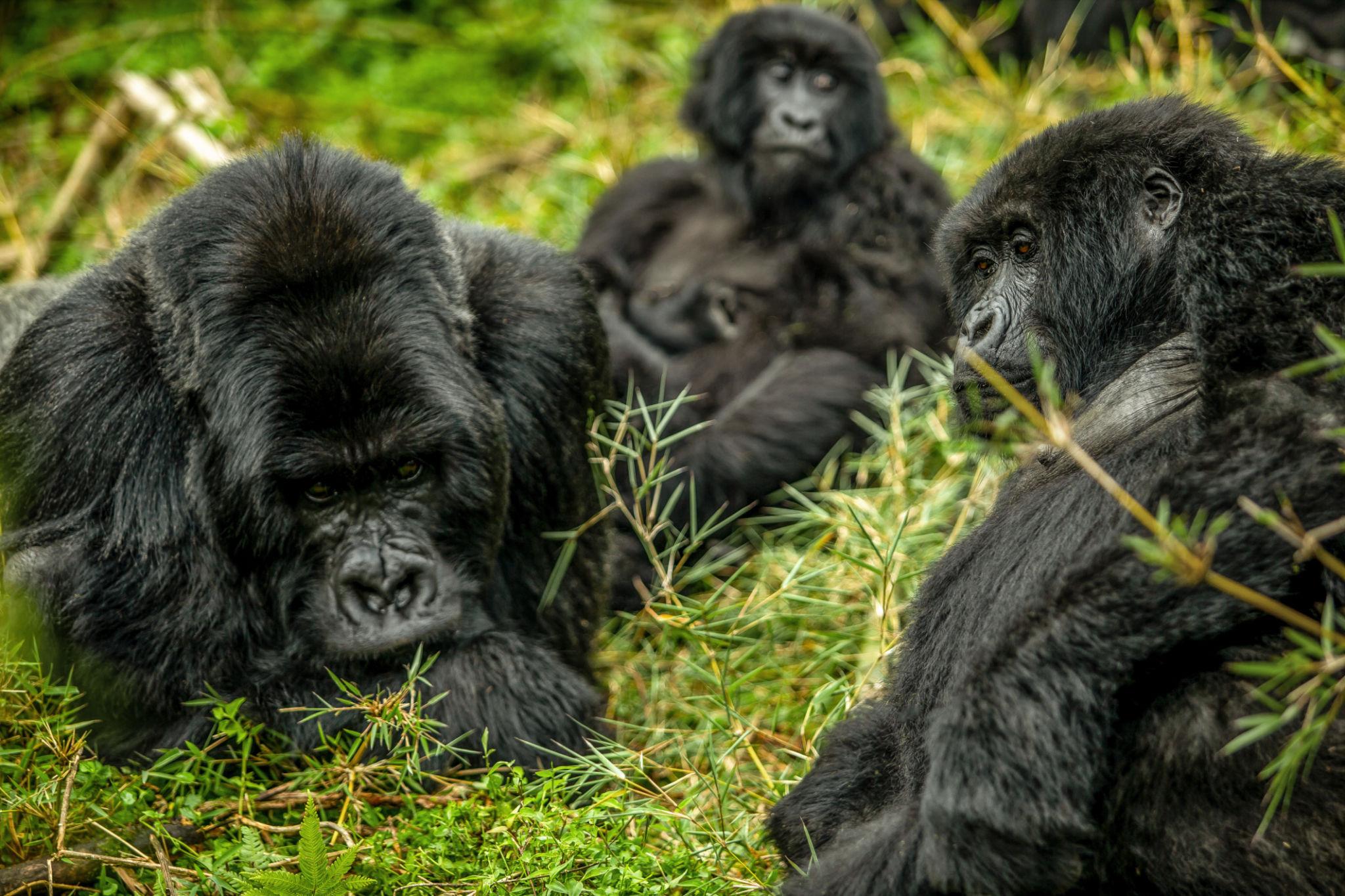
Few wildlife experiences on earth compare to coming face-to-face with a mountain gorilla in its natural habitat. Watching a silverback lead his family through dense forest, seeing young gorillas play among the vegetation, and observing mothers care for their infants creates memories that last a lifetime. Gorilla trekking is often described as one of Africa’s greatest wildlife experiences, attracting thousands of travelers every year.
Mountain gorillas are found in only three countries in the world: Uganda, Rwanda, and the Democratic Republic of Congo (DRC). While all three destinations offer the opportunity to see these remarkable primates, each provides a different trekking experience, cost structure, landscape, and overall travel environment.
Choosing between Uganda, Rwanda, and the DRC can be challenging, especially for first-time visitors. Each destination has its strengths, and the best choice depends on your budget, travel style, fitness level, and the type of adventure you are seeking.
This guide compares gorilla trekking in Uganda, Rwanda, and the DRC to help you decide which destination is right for your next African safari.
Understanding Mountain Gorillas
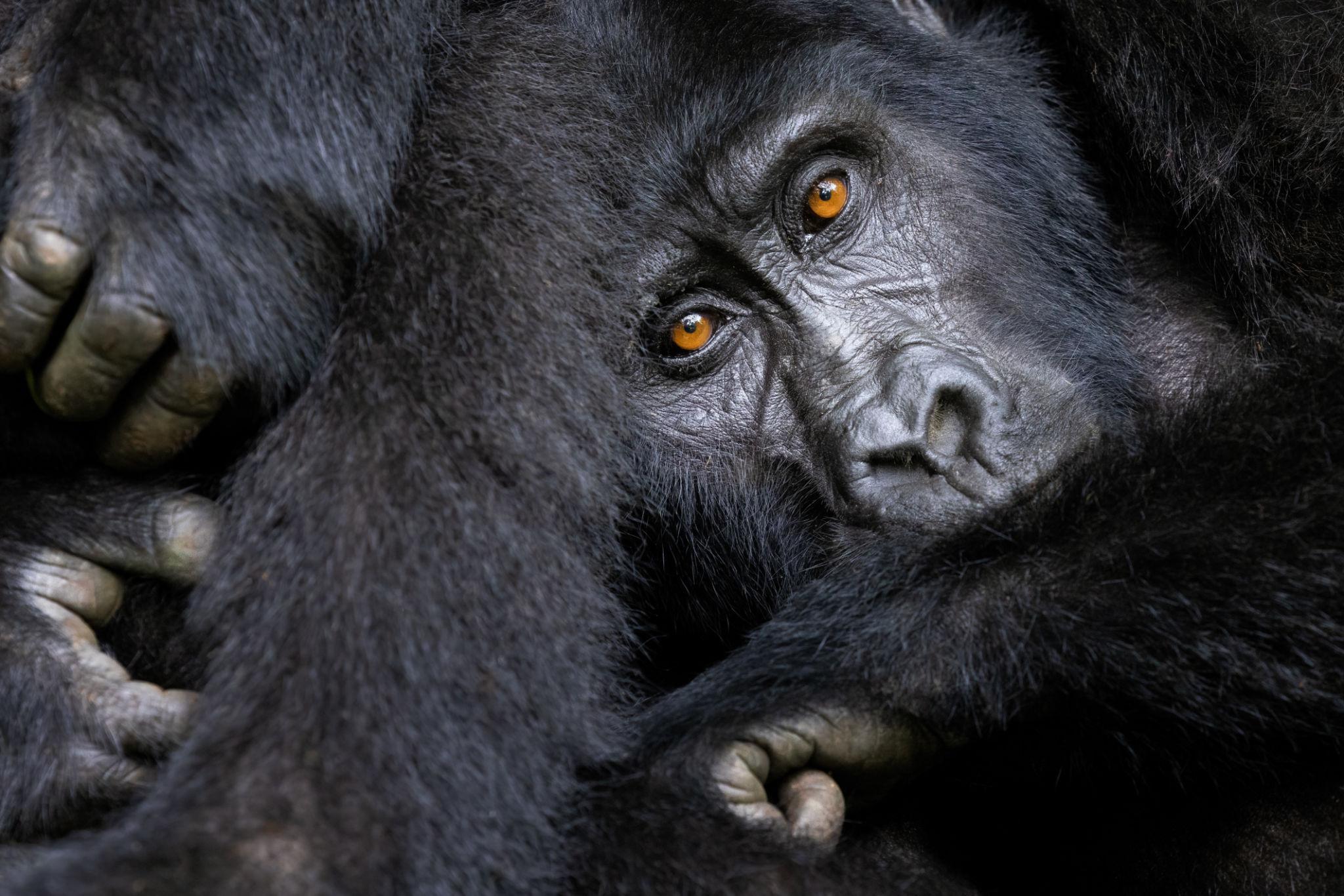
Mountain gorillas are a subspecies of the eastern gorilla and are among the world’s most endangered primates. Thanks to decades of conservation efforts, their population has steadily increased, making them one of the few great ape species whose numbers are growing.
These gorillas live in the forests of the Virunga Mountains and the Bwindi Impenetrable Forest. Strict conservation programs, anti-poaching initiatives, and tourism revenue have played a major role in protecting them.
Visitors who obtain gorilla permits are allowed to spend one hour observing a habituated gorilla family after trekking through the forest with experienced guides and trackers.
Gorilla Trekking in Uganda
Uganda is often considered the best overall destination for gorilla trekking because it offers a balance between affordability, accessibility, and trekking opportunities.
The country is home to more than half of the world’s remaining mountain gorillas. Gorilla trekking takes place in Bwindi Impenetrable National Park and Mgahinga Gorilla National Park.
Bwindi is one of Africa’s most biodiverse forests and a UNESCO World Heritage Site. The park contains multiple gorilla families spread across several sectors, giving visitors more trekking options than any other destination.
One of Uganda’s biggest advantages is value for money. Gorilla permits are generally less expensive than those in Rwanda while providing an equally rewarding experience. This makes Uganda attractive for travelers who want a world-class gorilla encounter without paying premium prices.
The trekking experience itself can vary from relatively easy walks to challenging hikes through steep terrain and dense vegetation. The diversity of routes means visitors of different fitness levels can find suitable treks.
Uganda also offers the Gorilla Habituation Experience, a unique activity that allows visitors to spend up to four hours with a gorilla family undergoing habituation. This extended encounter provides exceptional opportunities for photography and observation.
Beyond gorillas, Uganda offers outstanding safari experiences. Visitors can combine gorilla trekking with wildlife viewing in Queen Elizabeth National Park, Murchison Falls National Park, Kibale Forest National Park, and other destinations.
Advantages of Uganda
- More gorilla families available for trekking
- Lower permit costs compared to Rwanda
- Gorilla Habituation Experience available
- Excellent combination of gorillas and traditional safaris
- Beautiful forest scenery
- Strong conservation programs
Challenges
- Longer travel times from international airports
- Some trekking routes can be physically demanding
Gorilla Trekking in Rwanda
Rwanda has become one of Africa’s leading luxury tourism destinations. Gorilla trekking takes place in Volcanoes National Park, located approximately two to three hours from Kigali International Airport.
The biggest advantage of Rwanda is accessibility. Travelers can land in Kigali in the morning and reach the gorilla trekking area on the same day. This convenience makes Rwanda particularly attractive for visitors with limited time.
Volcanoes National Park offers stunning scenery with volcanic peaks, bamboo forests, and breathtaking mountain views. The trekking experience is well organized, and Rwanda has built a strong reputation for premium tourism services.
Accommodation options range from comfortable lodges to some of Africa’s most luxurious safari properties. Visitors seeking a high-end gorilla trekking experience often choose Rwanda because of the quality of infrastructure and services.
Rwanda has also invested heavily in conservation and community development, ensuring that tourism benefits local communities living near the park.
Advantages of Rwanda
- Closest trekking destination to an international airport
- Excellent roads and infrastructure
- Luxury lodges and premium services
- Spectacular volcanic scenery
- Efficient tourism management
Challenges
- Higher permit costs
- Fewer opportunities to combine with traditional wildlife safaris compared to Uganda
Gorilla Trekking in the Democratic Republic of Congo
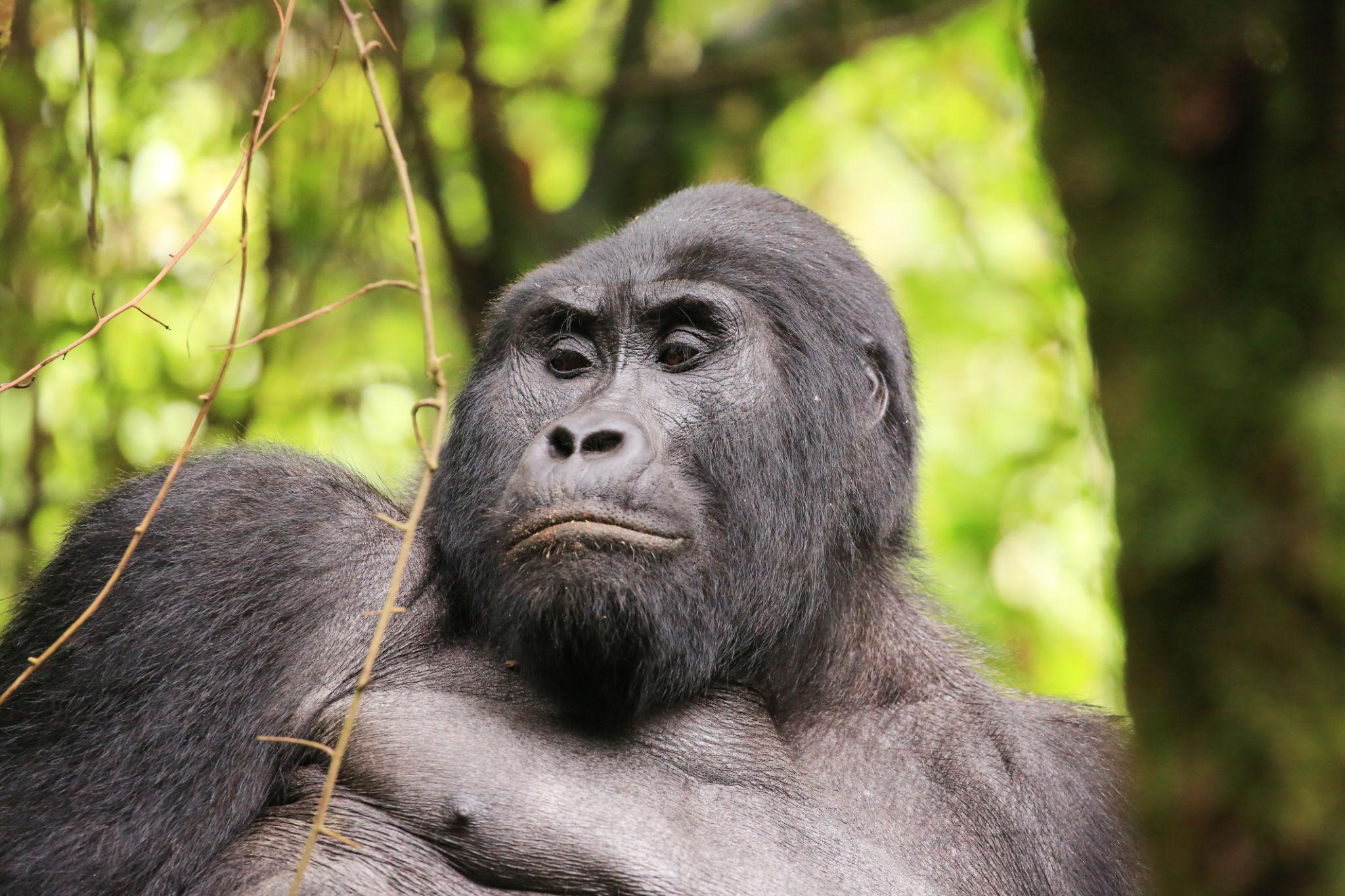
The Democratic Republic of Congo offers the most adventurous and least visited gorilla trekking experience. Treks take place in Virunga National Park, Africa’s oldest national park.
Virunga is known for its dramatic volcanic landscapes, active volcanoes, and unique biodiversity. The park provides visitors with an authentic wilderness experience that feels less commercial than some other destinations.
One major advantage of the DRC is that gorilla permits have historically been cheaper than those in Uganda and Rwanda. This can make the destination appealing to budget-conscious travelers.
The DRC also offers opportunities to see eastern lowland gorillas in Kahuzi-Biega National Park, something not available in Uganda or Rwanda.
However, travel to the DRC requires careful planning. Security conditions can change, and travelers should always consult current travel advisories before making arrangements.
For adventurous travelers seeking a less crowded experience and a sense of exploration, the DRC can be incredibly rewarding.
Advantages of the DRC
- Less crowded trekking experience
- Often lower permit costs
- Opportunity to see eastern lowland gorillas
- Dramatic volcanic landscapes
- Authentic wilderness atmosphere
Challenges
- Security concerns in some regions
- Less developed tourism infrastructure
- Travel logistics can be more complex
Comparing Trekking Difficulty
The difficulty of a gorilla trek depends largely on the location of the gorilla family on the day of the trek. Gorillas move freely through the forest, meaning no two treks are exactly the same.
Uganda generally offers the widest range of trekking experiences, from relatively easy walks to challenging mountain hikes.
Rwanda is often considered slightly easier because some gorilla families are located on lower slopes of Volcanoes National Park.
The DRC can involve moderate to challenging hikes depending on the gorilla group’s location.
Regardless of destination, visitors should be prepared for uneven terrain, steep slopes, mud, and changing weather conditions.
Wildlife and Safari Opportunities
For travelers looking to combine gorilla trekking with traditional wildlife safaris, Uganda stands out.
Uganda offers lions, elephants, buffaloes, giraffes, leopards, chimpanzees, hippos, crocodiles, and hundreds of bird species. Visitors can enjoy game drives, boat safaris, chimpanzee tracking, and cultural experiences within one itinerary.
Rwanda offers wildlife viewing in Akagera National Park and chimpanzee trekking in Nyungwe Forest National Park, although safari options are more limited compared to Uganda.
The DRC provides unique wildlife experiences but has fewer tourism facilities and established safari circuits.
Accommodation Options
All three destinations offer accommodation ranging from budget lodges to luxury properties.
Uganda provides the widest range of options, making it suitable for different budgets.
Rwanda focuses heavily on luxury tourism and features some of Africa’s most exclusive safari lodges.
The DRC offers fewer choices but provides unique wilderness experiences for adventurous travelers.
Which Country Offers the Best Value?
For most travelers, Uganda offers the best balance between cost, experience, and additional safari opportunities.
Rwanda provides unmatched convenience and luxury, making it ideal for travelers seeking comfort and shorter travel times.
The DRC appeals to adventurous visitors looking for a more remote and less crowded experience.
There is no wrong choice when it comes to gorilla trekking. The mountain gorillas themselves are equally fascinating regardless of which country you visit.
Final Verdict
If you are looking for the best overall value, choose Uganda.
And for convenience and luxury are your priorities, choose Rwanda.
But if you seek adventure and a more off-the-beaten-path experience, consider the Democratic Republic of Congo.
Whichever destination you select, spending time with mountain gorillas in the wild is a life-changing experience. The sight of these gentle giants in their natural environment is something few people ever forget. Gorilla trekking is more than a safari activity. It is an encounter with one of humanity’s closest relatives and a powerful reminder of why conservation matters.
For travelers planning a gorilla safari in East Africa, Uganda, Rwanda, and the DRC each offer unforgettable opportunities to connect with one of the world’s most extraordinary wildlife species.