How Much Does Gorilla Trekking Actually Cost in These Ebola Days in Africa?
Gorilla trekking remains one of Africa’s most sought-after wildlife experiences. Every year, thousands of travelers visit Uganda, Rwanda, and the Democratic Republic of Congo to spend an unforgettable hour with mountain gorillas in their natural habitat. However, whenever news about Ebola outbreaks appears in Africa, many travelers begin asking the same question: Is gorilla trekking still possible, and how much does it actually cost during these periods?
The first thing to understand is that Africa is a vast continent made up of 54 countries. An Ebola outbreak in one region does not mean the entire continent is affected. Unfortunately, media headlines often create the impression that all African destinations face the same risks, which is rarely the case.
For travelers planning a gorilla safari, understanding the real costs involved is important. Gorilla trekking is more than simply buying a permit. Transportation, accommodation, meals, flights, guides, and travel insurance all contribute to the final budget. During periods when health concerns affect tourism demand, some costs may remain stable while others can fluctuate depending on visitor numbers and tourism policies.
Understanding Gorilla Trekking Costs
The largest expense associated with gorilla trekking is the permit. Every visitor must purchase a gorilla permit before entering the forest to visit a habituated gorilla family.
Permit fees contribute directly to conservation efforts, park management, ranger salaries, anti-poaching operations, veterinary programs, and community development projects around protected areas.
Without tourism revenue, mountain gorilla conservation would face significant challenges. The permit system helps ensure that gorillas remain protected while providing local communities with economic benefits from tourism.
The permit fee is therefore not simply an entrance ticket. It is a conservation contribution that helps protect one of the world’s most endangered species.
Gorilla Trekking Costs in Uganda
Uganda is often considered the best-value gorilla trekking destination in Africa. The country is home to more than half of the world’s mountain gorilla population and offers trekking experiences in Bwindi Impenetrable National Park and Mgahinga Gorilla National Park.
A standard gorilla permit for foreign non-residents costs approximately $800 per person.
For travelers interested in a deeper experience, Uganda also offers the Gorilla Habituation Experience. This special permit allows visitors to spend up to four hours with a gorilla family undergoing habituation and costs approximately $1,500 per person.
Beyond the permit, visitors should budget for accommodation. Budget lodges near the parks may cost between $50 and $120 per night. Mid-range lodges typically range from $150 to $300 per night, while luxury lodges can exceed $700 per night.
Transportation is another major factor. Most travelers drive from Kampala or Entebbe to Bwindi, a journey that can take eight to ten hours. Domestic flights are available for those seeking a faster option but increase overall costs.
A complete three-day gorilla trekking package in Uganda generally ranges between $1,200 and $4,500 per person depending on accommodation level and transport choices.
Gorilla Trekking Costs in Rwanda
Rwanda positions itself as a premium gorilla trekking destination. Trekking takes place in Volcanoes National Park, which is located only a few hours from Kigali International Airport.
The biggest advantage of Rwanda is convenience. Travelers can arrive in Kigali and reach the park on the same day without spending long hours on the road.
However, this convenience comes at a higher price.
A gorilla permit in Rwanda costs approximately $1,500 per person, making it one of the most expensive wildlife permits in Africa.
Accommodation around Volcanoes National Park also tends to be more expensive than comparable properties in Uganda. Luxury lodges dominate the market, although some mid-range options are available.
A typical three-day Rwanda gorilla trekking safari can cost between $2,500 and $7,000 or more per person, depending on accommodation choices and travel style.
Many travelers choose Rwanda because of its luxury offerings, excellent infrastructure, and shorter travel times.
Gorilla Trekking Costs in the Democratic Republic of Congo
The Democratic Republic of Congo has historically offered the most affordable gorilla trekking permits among the three destinations.
Virunga National Park is famous for mountain gorilla trekking, while Kahuzi-Biega National Park provides opportunities to see eastern lowland gorillas.
Permit prices in the DRC have generally been lower than those in Uganda and Rwanda. However, availability and tourism operations can vary depending on park conditions and security considerations.
Travelers considering the DRC should research current tourism conditions carefully before planning a trip.
While permit costs may be lower, additional logistics and travel planning requirements should be factored into the overall budget.
Do Ebola Outbreaks Affect Gorilla Trekking Prices?
This is a common question among travelers.
In most cases, gorilla permit prices do not change because of Ebola-related concerns. National park authorities typically maintain fixed permit rates that support conservation budgets and long-term planning.
However, tourism demand may decline during periods when travelers become concerned about regional health issues. In response, some lodges and tour operators occasionally offer promotional discounts on accommodation or safari packages.
This means that while permit prices often remain unchanged, travelers may find reduced rates on hotels, transport services, or complete safari packages.
The availability of discounts varies depending on the specific destination and tourism market conditions at the time.
Additional Costs Many Travelers Forget
When budgeting for gorilla trekking, many visitors focus only on the permit fee. However, several other costs should be considered.
International flights often represent a significant expense, especially for travelers coming from North America, Europe, Australia, or Asia.
Travel insurance is highly recommended and should include emergency medical coverage and trip interruption protection.
Porter services are available during treks and are highly recommended. Hiring a porter not only makes the trek easier but also supports local community livelihoods. Porters typically charge between $15 and $25.
Tips for guides and trackers are optional but appreciated.
Travelers should also budget for meals, drinks, souvenirs, visa fees, and additional safari activities.
Is Gorilla Trekking Safe During Health Concerns?
Mountain gorilla tourism is managed under strict health protocols. Gorillas share a large percentage of their DNA with humans, making them vulnerable to certain human diseases.
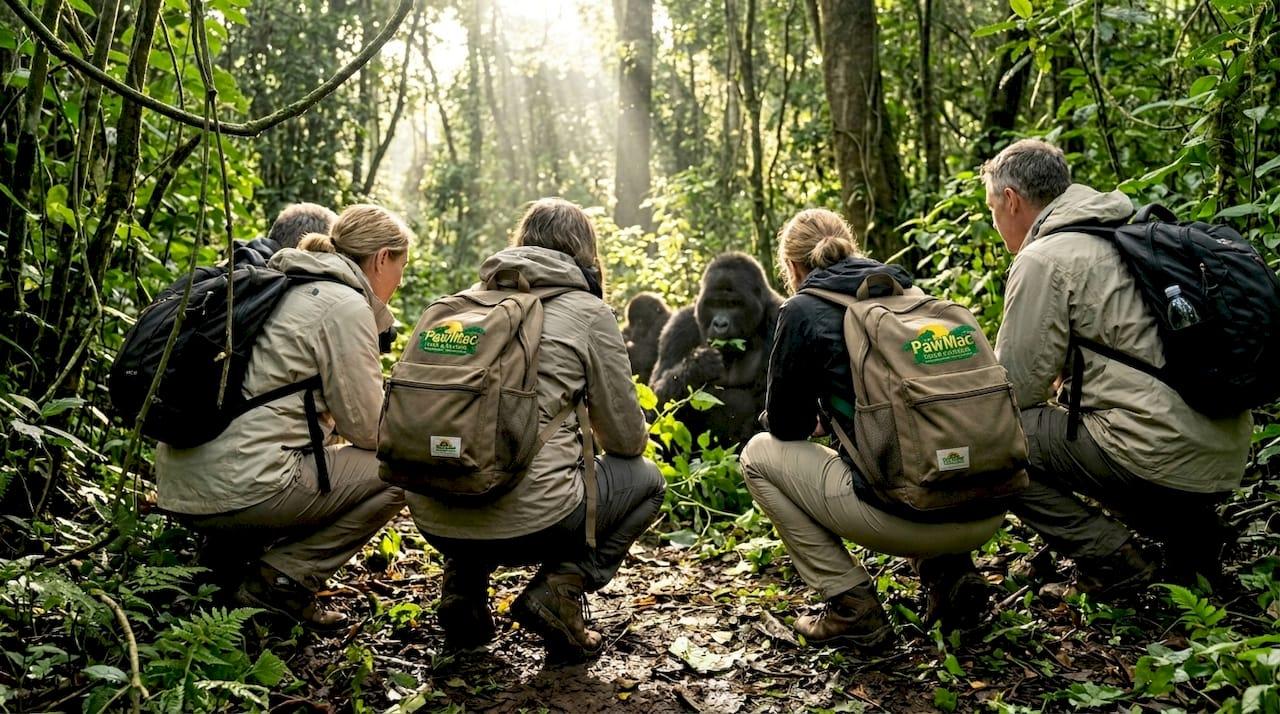
Park authorities have long implemented health guidelines to protect both visitors and gorillas. Visitors who show signs of illness may not be allowed to participate in trekking activities.
Hand sanitization procedures, minimum viewing distances, and health monitoring measures help reduce risks.
Travelers should always consult official government travel advisories and follow guidance provided by tour operators and national park authorities before traveling.
Why Gorilla Trekking Remains Worth the Cost
Many travelers initially hesitate when they see gorilla permit prices. However, most visitors return from their trek believing the experience was worth every dollar.
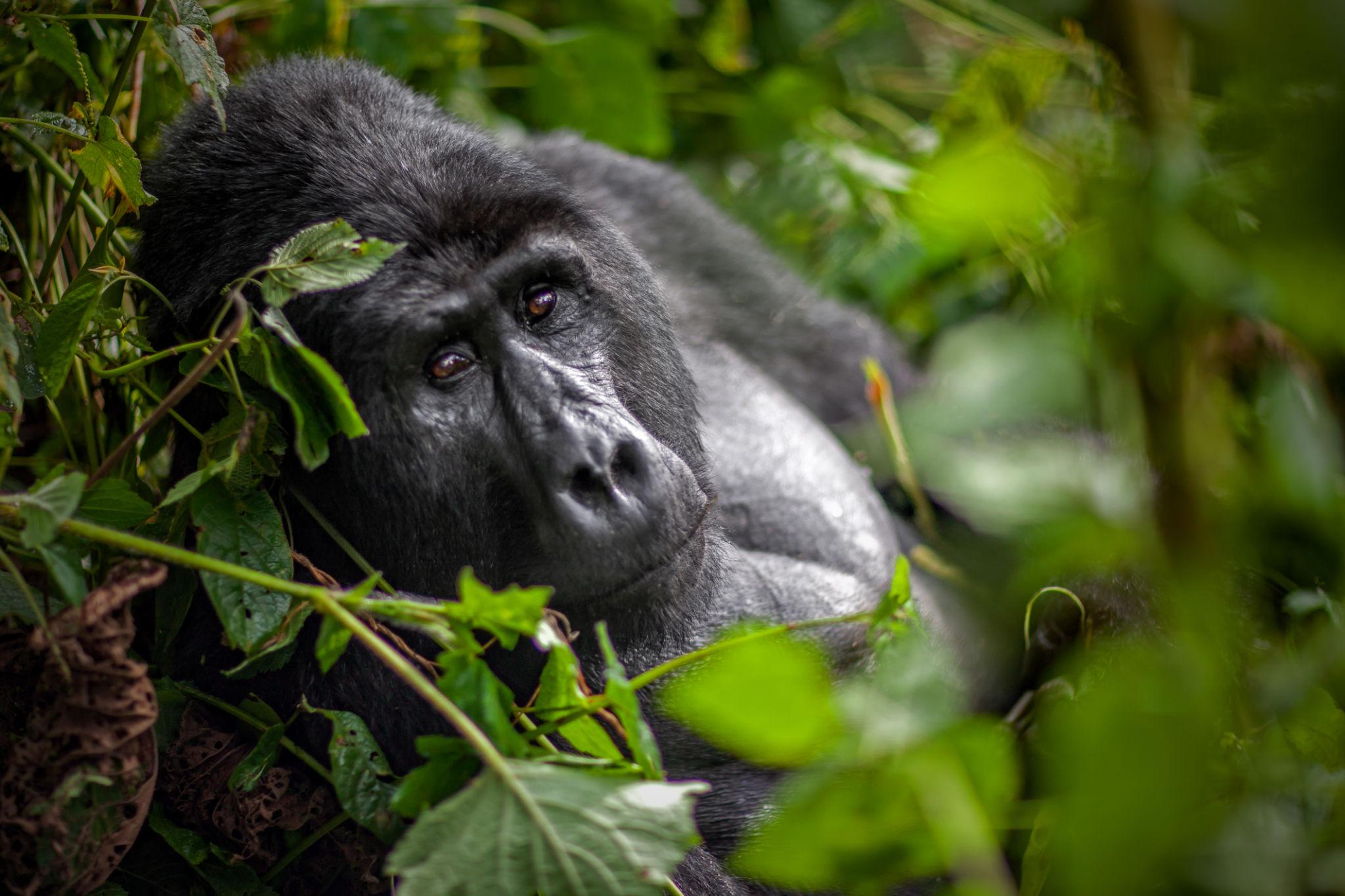
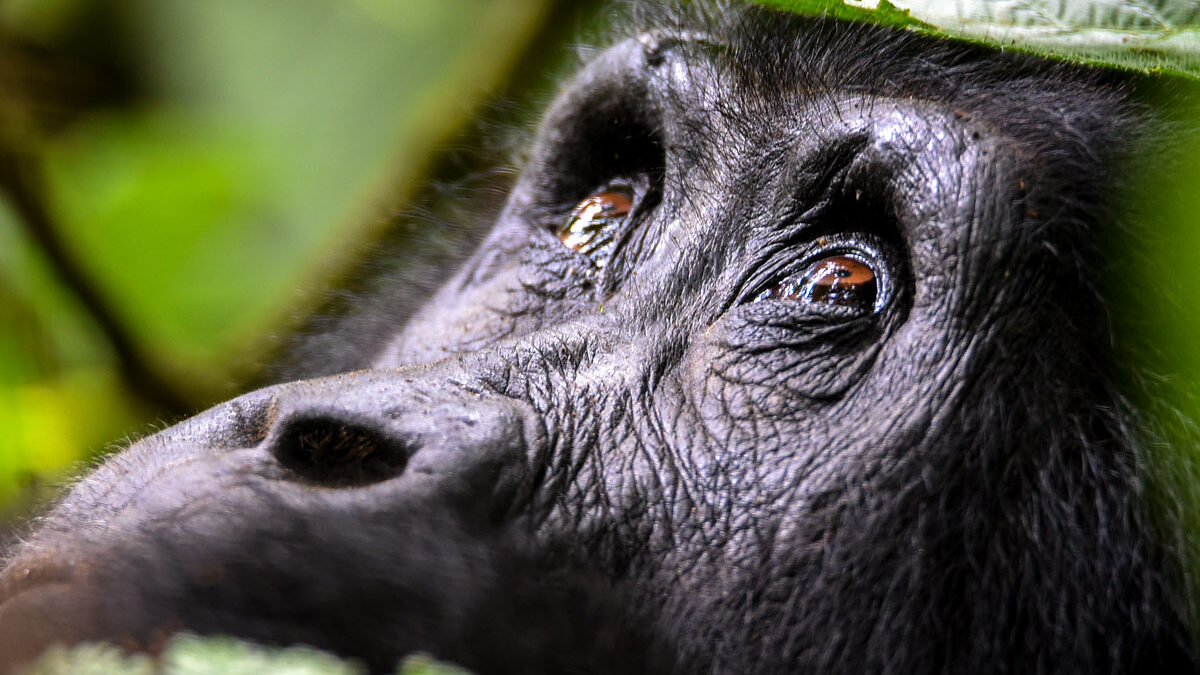
Standing a few meters away from a silverback gorilla in a misty forest is unlike any other wildlife encounter. Watching gorilla families interact naturally in their environment creates a powerful emotional connection that photographs and documentaries cannot fully capture.
The money spent on permits directly contributes to conservation efforts that have helped increase mountain gorilla populations over recent decades.
Every permit purchased helps protect gorillas, preserve forests, support local communities, and fund conservation programs.
Even during periods when health concerns such as Ebola dominate headlines, gorilla trekking continues to attract visitors from around the world. Permit prices in Uganda, Rwanda, and the DRC generally remain stable because they play a crucial role in funding conservation efforts.
Uganda continues to offer the best balance between affordability and experience, Rwanda provides luxury and convenience, and the DRC appeals to adventurous travelers seeking a less crowded experience.
While costs vary depending on destination and travel style, gorilla trekking remains one of Africa’s most rewarding wildlife adventures. For many travelers, the opportunity to spend time with mountain gorillas in their natural habitat is not simply another safari activity. It is a once-in-a-lifetime experience that leaves a lasting impression long after the journey has ended.