
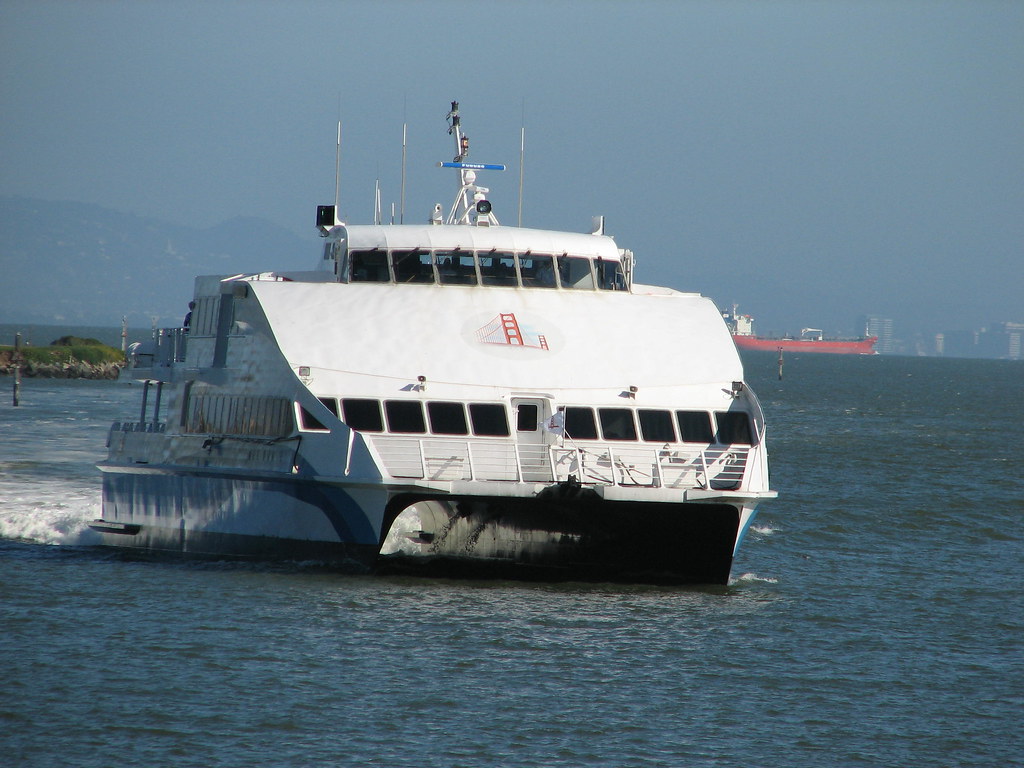
Ferry Rides Across Lake Victoria: Routes and Schedules
Lake Victoria is the largest lake in Africa and one of East Africa’s most important transport corridors. Its waters connect Uganda, Kenya and Tanzania, supporting fishing communities, island settlements, trade and tourism. For visitors, travelling by ferry offers a different way to explore the region, with opportunities to see lakeside towns, visit islands and experience local life beyond the main roads.
Ferry services range from short crossings that carry passengers and vehicles to longer journeys connecting mainland ports with islands. Some routes are particularly useful for reaching holiday destinations, while others are essential links for residents travelling to work, school, markets and healthcare facilities.
The main challenge for travellers is that ferry services do not all operate in the same way. Some have published daily timetables, while others may change departures because of weather, maintenance, passenger demand or operational requirements. Before travelling, confirm the departure point, operating days, ticketing arrangements and expected arrival time with the relevant operator.
Understanding Ferry Travel on Lake Victoria
Lake Victoria borders Uganda, Kenya and Tanzania, but a journey across the lake does not necessarily mean travelling directly between these three countries. Many ferry services operate within one country, connecting the mainland with nearby islands or linking two points along the lake shore. International travel by boat requires a specific service and the appropriate immigration arrangements.
For most visitors, the easiest ferry trips to organise are domestic crossings with established terminals and published schedules. Examples include the ferry connecting mainland Uganda with Bugala Island in the Ssese Islands, services between Mbita and Luanda Kotieno in Kenya, and routes linking Mwanza with island communities in Tanzania.
The type of vessel also affects the journey. A roll-on, roll-off ferry allows vehicles to drive aboard and disembark at the other side. This is useful for travellers exploring an island by car or motorcycle. Passenger-only vessels are more suitable for people travelling without a vehicle, although the facilities, luggage arrangements and journey times can differ.
Lake conditions are important throughout the year. Wind, rain and rough water can affect comfort and occasionally delay or interrupt services. Even when a timetable is published, travellers should leave a margin for unexpected changes rather than arranging a tight connection immediately after arrival.
Uganda Ferry Routes Across Lake Victoria
Uganda has several ferry connections serving communities around Lake Victoria. For visitors, the most useful routes depend on whether the goal is to visit the Ssese Islands, reach Buvuma Island or connect with other lakeside communities.
Bukakata to Bugoma: Access to the Ssese Islands
The Bukakata to Bugoma ferry route is an important connection between mainland Uganda and Bugala Island, the largest island in the Ssese Islands group. Bukakata is located in the Masaka area, while Bugoma serves the island side of the crossing. The route is operated by Kalangala Infrastructure Services, commonly known as KIS.
The crossing is particularly useful for visitors travelling to Kalangala and accommodation on Bugala Island. Rather than relying on a long boat journey from a distant lakeside location, travellers can drive to Bukakata, board the ferry and continue their trip on the island.
KIS operates vehicle and passenger ferries on this route. The crossing itself is relatively short, but the overall journey takes longer once driving to the terminal, check-in, boarding and disembarkation are included. Travellers taking a vehicle should allow additional time for loading, especially during busy periods.
KIS publishes separate timetable information for Monday to Saturday and Sunday. Its operator guidance also notes that schedules can change. Do not rely on an old screenshot or a timetable copied into an unrelated travel article. Confirm the latest departure time directly before setting off.
If you are travelling to a lodge, ask whether it is closer to the main landing area or requires a further drive after the ferry crossing. Some accommodation providers can arrange a transfer from the island terminal, while others expect guests to arrive in their own vehicle.
Nakiwogo and Entebbe Area Connections
Entebbe is an important starting point for visitors exploring Lake Victoria, but it is necessary to distinguish between the different terminals and services in the area. Not every ferry departing from the Entebbe area serves the same island, and the name of a destination alone is not enough to identify the correct vessel.
Before booking, confirm the exact departure landing site, destination landing site and operator. Ask whether the service carries vehicles or passengers only, and whether the departure operates every day. This is particularly important if you are travelling with luggage, arranging a hotel transfer or hoping to reach a specific island before dark.
Travellers arriving at Entebbe International Airport should not assume that a ferry terminal is immediately beside the airport or that a boat will be waiting on arrival. Allow time to collect luggage, clear airport formalities and travel to the correct landing site. If your flight arrives late, consider spending the night in Entebbe and taking the ferry the following day.
Kiyindi to Buvuma Island
Kiyindi, in Buikwe District, is another important mainland departure point for travel towards Buvuma Island. The route supports island residents and visitors travelling for business, community visits or leisure.
Unlike a journey to a large town connected by a major highway, travelling to Buvuma requires attention to the boat schedule and the onward transport available after arrival. The exact arrangements may depend on the service operating on your chosen date, so confirm whether you need a passenger ticket, vehicle space or a separate local boat connection.
Visitors planning an overnight stay should arrange accommodation and island transport before leaving the mainland. Do not assume that taxis, rental vehicles or other services will be readily available at the landing site when you arrive.
Kenya Ferry Routes on Lake Victoria
Kenya’s Lake Victoria shoreline offers access to islands, fishing communities and lakeside destinations in western Kenya. Ferry services are useful for travellers exploring the area around Homa Bay County, Mbita, Mfangano Island and the southern lake shore.
The routes below are particularly relevant for visitors who want to combine road travel with a short lake crossing.
Mbita to Luanda Kotieno
The Mbita to Luanda Kotieno route connects Mbita, on the eastern side of the lake region, with Luanda Kotieno on the southern shore. It is a useful crossing for people travelling between the two areas without making a longer journey around the shoreline.
Ferry Transport Services Lake Victoria Kenya publishes the following schedule for this route:
| Departure from Mbita | Arrival at Luanda Kotieno | Return departure from Luanda Kotieno | Arrival at Mbita |
|---|---|---|---|
| 7:00 am | 7:45 am | 8:00 am | 8:45 am |
| 10:00 am | 10:45 am | 11:00 am | 11:45 am |
| 2:00 pm | 2:45 pm | 3:00 pm | 3:45 pm |
| 5:00 pm | 5:45 pm | 6:00 pm | 6:45 pm |
The operator lists a crossing time of approximately 45 minutes. These are published timetable details, not a guarantee that every departure will operate exactly as shown on your travel date. Confirm the latest schedule before travelling, especially if you need to connect with public transport or continue a long road journey.
This route is suitable for visitors who want to explore the region around Mbita or travel towards destinations on the opposite shore. If you are travelling with a vehicle, check the vehicle category and fare before arriving. Ferry charges may vary according to the size and type of vehicle, and space may be limited on busy departures.
Arrive early enough to complete ticketing and vehicle loading. If you are carrying bulky luggage, ask whether it is included in the passenger fare or charged separately.
Mbita to Mfangano Island
Mfangano Island is one of the better-known islands on the Kenyan side of Lake Victoria. The journey offers a way to reach island communities, enjoy the lake environment and explore a destination that is different from the country’s better-known wildlife parks and coastal resorts.
The published Mbita Ferry Transport Services timetable lists departures in both directions. From Mbita, departures are shown at 11:00 am and 5:00 pm, arriving at Sena Mfangano at approximately 12:30 pm and 6:30 pm. In the opposite direction, departures from Sena Mfangano are shown at 7:30 am and 2:00 pm, arriving in Mbita at approximately 9:00 am and 3:30 pm.
The listed crossing time is around 90 minutes. Since schedules and operations can change, confirm the departure location and latest timings directly with the operator before making plans.
This route requires more careful planning than a short vehicle crossing. If you intend to spend only one day on Mfangano Island, make sure the return departure gives you enough time for your planned activities. A late arrival may leave little time to explore before you need to return to the landing site.
For an overnight visit, arrange accommodation in advance and ask your host about transport from the ferry terminal. Local transport options may be more limited than in larger towns, particularly outside the main arrival periods.
Ferry Travel in Tanzania
Tanzania has several ferry and passenger vessel services on Lake Victoria, with Mwanza serving as a major transport centre. The lake provides connections to islands and lakeside communities, including Ukerewe, which is reached through the Nansio area.
Services in Tanzania may operate under different arrangements depending on the destination. Some are public ferry crossings, while other journeys are provided by passenger vessels that follow a longer route or have different facilities. Travellers should identify the specific service rather than assume all boats leaving Mwanza follow the same timetable.
Mwanza to Ukerewe Island
Ukerewe is a major island destination in Lake Victoria and is known for its communities, agricultural activity and lakeside setting. Travelling by water is a practical way to reach the island from the Mwanza area.
Passengers should confirm the current vessel, departure time, arrival landing site and ticketing process with the responsible operator before travelling. The available service can change due to vessel maintenance, operational decisions or the introduction of new ferries.
Tanzania’s marine transport authority, TEMESA, announced the completion of new ferries intended for routes serving Ukerewe and nearby communities in 2026. The vessels included MV Ukerewe, assigned to the Kisorya to Rugezi Nansio route, and MV Bukondo, intended for the Bwiro to Bukondo route. The announcement described the vessels and their intended routes, but travellers should confirm current operating status and schedules before relying on either service for a specific journey.
Mwanza also has longer-distance passenger vessel connections serving destinations around Lake Victoria. These services should not be confused with short local ferry crossings. A longer journey may involve different departure days, cabin or seating options, luggage rules and ticket arrangements.
If you are planning to travel from Mwanza to Ukerewe, ask whether your chosen vessel departs from the port you expect to use. Confirm the destination landing site as well, because the island has more than one transport connection.
Kisorya to Rugezi Nansio
The Kisorya to Rugezi Nansio connection links the Bunda District area on the mainland with Ukerewe Island. It is designed to improve access for passengers, vehicles and goods travelling between the two locations.
For visitors, this route may be useful when building a wider itinerary around the Mwanza and Mara regions. However, the journey should be planned around the actual operating schedule rather than simply the distance across the water. Confirm the departure point, ticket availability and vehicle capacity if you are travelling by car.
Because ferry services can change as new vessels are introduced or older boats undergo maintenance, check for the latest official announcement before departure. A service being announced or assigned to a route does not necessarily mean that it is operating every day at a particular time.
How to Check Ferry Schedules Before Travelling
The safest way to plan a Lake Victoria crossing is to start with the operator responsible for the exact route. Official timetable pages, ticket offices and customer service contacts are more reliable than old travel blogs, social media comments or third-party listings that may not be updated.
Check the departure time for your intended travel day. Some operators publish separate weekday and Sunday schedules, while others may use a timetable that changes according to demand or operating conditions. If you are travelling during a public holiday or a busy travel period, confirm whether extra departures or booking restrictions apply.
Ask how far in advance you need to arrive. A passenger travelling without a vehicle may have a different boarding process from someone bringing a car, motorcycle or commercial vehicle. Vehicle loading may require additional time and may be subject to capacity limits.
Confirm the arrival terminal, too. The name of a nearby town may be used informally to describe a route, but the actual landing site could be some distance from your accommodation or onward transport. Make sure your driver or host knows the correct terminal.
If the operator provides a telephone number, use it to confirm any details that are unclear. Keep the confirmation information accessible, especially if you are travelling somewhere with limited mobile coverage.
Booking Ferry Tickets and Paying for the Journey
Ticket arrangements vary between ferry operators. Some services direct passengers to a ticket office at the terminal, while others provide advance booking or electronic payment options. Do not assume that every operator accepts online payment or that a ticket can always be purchased immediately before boarding.
When booking, give the correct number of passengers and specify whether you are travelling with a vehicle. Provide the vehicle type if requested, because a small car, a larger SUV, a van and a truck may fall into different fare categories.
Check whether children pay a separate fare, whether luggage charges apply and whether the ticket includes a return journey. If you plan to return on the same day, ask whether you need to purchase a return ticket in advance or can pay separately for each direction.
Keep your ticket or payment confirmation until the journey is complete. If you pay electronically, save the transaction details. At the terminal, follow instructions from authorised staff and avoid paying unofficial charges to individuals who cannot explain the operator’s fee structure.
For busy routes or journeys involving a vehicle, advance confirmation is especially useful. If advance booking is not available, arrive with sufficient time and be prepared for a later departure if the vessel reaches capacity.
Ferry Fares and Vehicle Charges
There is no single fare for ferry travel across Lake Victoria. The price depends on the operator, route, passenger category, luggage and whether you are transporting a vehicle. A short crossing may cost considerably less than a longer passenger vessel journey, and the fees for a car or truck can be separate from passenger tickets.
For the Mbita to Luanda Kotieno and Mbita to Mfangano routes, the operator publishes different charges according to the crossing and vehicle category. These published charges may change, so check the latest fare information directly before travelling rather than relying on an old price quoted elsewhere.
When comparing fares, calculate the total cost for your group. A driver travelling with a car may need to pay both the vehicle charge and the required passenger fare. Additional passengers, luggage or special items may also affect the final amount.
Budget for transport on both sides of the crossing. A ferry ticket does not necessarily include a transfer from the landing site to your hotel, island attraction or next bus stop. If you are hiring a driver, clarify whether the fee includes the ferry fare, waiting time and the return crossing.
Taking a Car, Motorcycle or Bicycle on a Ferry
Some Lake Victoria ferries are designed to carry vehicles, while others operate mainly as passenger services. Confirm vehicle capacity and eligibility before travelling, especially if you are hiring a car or driving a larger vehicle.
For a vehicle crossing, arrive early and follow staff instructions when boarding. Secure loose items, ensure passengers know where to wait and use the designated parking position on the vessel. Do not begin moving the vehicle until instructed by the crew.
Ask whether the driver and passengers remain in the vehicle during the crossing or must leave it and use a passenger area. Procedures can differ by operator and vessel. Follow all safety instructions from the crew.
Motorcycles and bicycles may have separate fares or loading rules. If you are cycling around the lake region, check whether your bicycle needs to be booked as luggage or transported under a specific category. Protect fragile equipment and keep essential belongings with you when permitted.
If you are using a rental vehicle, verify that the rental agreement allows ferry travel. Some companies restrict transport on vessels or require prior approval. Confirm insurance coverage for the crossing and ask who is responsible if the vehicle is damaged during loading or unloading.
What to Pack for a Lake Victoria Ferry Ride
For a short crossing, a small day bag is usually sufficient. Carry your ticket, identification, phone, payment method, drinking water and any medication you may need. Keep important documents and electronic devices in a waterproof bag, because spray and rain can affect belongings even when the lake appears calm.
For a longer trip, bring snacks and anything necessary for your comfort. Do not assume that food, drinking water or refreshments will be available on every vessel. If you are travelling with children, carry supplies to keep them comfortable and make sure they remain under adult supervision throughout boarding and the journey.
A light jacket can be useful when the wind picks up. If you are sensitive to motion, consider preparing for the possibility of a choppy crossing. Choose a stable place to sit when directed by the crew and follow their safety advice.
Arrive with enough time to locate the correct terminal and buy your ticket. Busy landing sites can be active places where passengers, vehicles, vendors and cargo move through the same general area. Keep luggage close and follow the marked boarding process.
Safety Tips for Travelling by Ferry
Use an authorised operator and board only at the designated landing site. Avoid informal offers from people who cannot clearly identify the vessel, its destination or the responsible operator. Confirm that the boat is operating the route you intend to take.
Follow the crew’s instructions and do not exceed the vessel’s passenger capacity. If life jackets are provided, learn where they are located and how to use them. Children should remain close to their accompanying adults, especially near open decks, gangways and loading areas.
Weather conditions can change on Lake Victoria. If the crew delays or cancels a departure because of conditions, do not pressure them to proceed. A missed connection is inconvenient, but travelling on an unsafe vessel creates a much greater risk.
Keep clear of vehicle ramps and loading equipment during boarding and disembarkation. Do not stand in restricted areas or move around the vessel when instructed to remain seated. Secure loose items and avoid leaning over railings to take photographs.
If you are travelling internationally by boat, make sure the route is an authorised international service and that you complete the required immigration and customs procedures. A domestic ferry ticket does not give permission to cross an international border.
Planning Connections With Buses, Flights and Accommodation
A ferry ride is only one part of a larger journey. Before booking, work out how you will reach the terminal and continue after arriving at the other side. Some landing sites are close to towns with regular public transport, while others have fewer onward options.
Avoid planning a flight or long-distance bus connection immediately after a ferry arrival. Delays can arise from weather, loading, congestion at the terminal or operational changes. Where missing a connection would be costly, leave a generous time buffer or stay overnight near the departure or arrival point.
If you are visiting an island for a holiday, ask your accommodation whether it provides transfers and whether the transfer must be arranged in advance. Share your ferry’s expected arrival time and notify the property if the operator changes the schedule.
For a multi-country East African itinerary, remember that road and ferry travel across the lake may not replace formal border crossings. Check visa requirements, entry conditions and immigration facilities before assuming that you can move directly from one country to another by water.
Best Time to Take a Ferry Across Lake Victoria
Ferry travel is possible throughout much of the year, but the experience depends on the route, weather and the purpose of your visit. Drier periods may make it easier to combine a crossing with walking, cycling, island sightseeing or road travel. During rainy periods, conditions on the lake and on roads leading to landing sites may be less predictable.
There is no single best month for every route. Weather patterns vary around the lake, and a calm morning does not guarantee that conditions will remain the same throughout the day. Check the forecast and confirm the service before leaving.
For sightseeing, an earlier departure can leave more time to explore an island and return before dark. For a journey involving a vehicle, an early crossing may also give you more flexibility if boarding takes longer than expected. However, the best departure is the one that matches the operator’s confirmed schedule and your onward plans.
Making the Most of Your Lake Victoria Journey
Ferry travel across Lake Victoria can be a practical transport choice and a memorable part of an East African trip. The crossing may offer views of fishing boats, lakeside settlements and islands, while also providing access to destinations that are difficult to reach by road alone.
The most important preparation is to confirm the exact route, operator, departure terminal, timetable and fare. Uganda’s ferry connections can help visitors reach the Ssese Islands and Buvuma, Kenya’s services connect Mbita with Luanda Kotieno and Mfangano Island, and Tanzania’s routes serve Mwanza and communities around Ukerewe. Each service has its own operating arrangements, so avoid treating one timetable as applicable to the entire lake.
Plan enough time for boarding and onward transport, keep your ticket and essentials secure, and follow the crew’s safety instructions. With realistic expectations and an up-to-date schedule, a ferry ride can fit comfortably into a wider itinerary around Lake Victoria.







No comment