
Emergency Contacts and Embassies for Travellers in Uganda, Kenya, Tanzania and Rwanda
An emergency can happen even when a trip is carefully planned. A traveller may lose a passport in Kampala, become seriously ill during a safari in Kenya, experience a road accident in Tanzania or need urgent assistance while visiting Rwanda. Knowing whom to contact can save valuable time and make a difficult situation easier to manage.
East Africa is a popular destination for gorilla trekking, wildlife safaris, mountain climbing, cultural tours and beach holidays. Many itineraries cross national borders, which means travellers may need different emergency numbers, medical services and consular contacts during the same trip.
Before departure, save the local emergency numbers for every country you plan to visit. Keep your travel insurance details, passport information, accommodation contacts and embassy information somewhere accessible offline. If you are travelling with a tour operator, save its emergency contact as well.
Emergency Numbers Every Traveller Should Know
Emergency numbers differ between countries, and a number that works in one destination may not work in another. The following contacts are useful starting points for travellers visiting Uganda, Kenya, Tanzania and Rwanda.
Uganda: Call 999 or 112 for police emergencies. The Uganda Police Force also publishes additional operational and fire-rescue contacts, including the toll-free fire and rescue number 0800 121 222. If you need an ambulance, explain the medical emergency clearly and confirm the available response arrangements.
Kenya: The main emergency numbers are 999, 112 and 911. These are used to contact emergency services, including the police. For medical emergencies, explain your location and the nature of the incident when requesting assistance.
Tanzania: The Tanzania Police Force lists 112 for police, 114 for fire and rescue, and 115 for ambulance services. The number 111 is listed for crime prevention. Keep these numbers saved separately so that you can identify the appropriate service quickly.
Rwanda: Call 112 for general emergencies, including police and ambulance assistance. The Rwanda National Police lists 111 for fire and rescue and 113 for traffic accidents.
These numbers are published by the relevant national police authorities or official travel-advice services. Nevertheless, mobile coverage, network access and local response arrangements can affect whether a call connects. Save the numbers before travelling and ask your accommodation provider or tour operator about the most reliable local emergency arrangements.
What to Do in a Medical Emergency
A medical emergency during a safari can be more complicated than one in a major city. You might be staying at a remote lodge, travelling between national parks or trekking in a forest several hours from a hospital. In these circumstances, knowing the nearest suitable medical facility and how to arrange transport is particularly important.
If someone is seriously injured or becomes critically ill, contact local emergency services where available. Give the operator your exact location, the nature of the emergency, the number of people affected and a telephone number where you can be reached. If you are in a national park or remote conservation area, tell the operator the park name, lodge or camp, nearest gate, road or trail location, and any useful landmarks.
Contact your tour guide or accommodation manager as well. They may be able to coordinate with local medical providers, park authorities or transport services. However, do not delay urgent medical care while waiting for a tour operator to respond.
Travellers should also keep their travel insurance assistance number readily available. Many policies require you to contact the insurer or its emergency assistance provider before arranging expensive treatment, medical transfers or evacuation, where circumstances allow. In a life-threatening situation, obtaining urgent care takes priority.
Before leaving home, check whether your insurance covers the activities on your itinerary. Gorilla trekking, mountain climbing, remote safari travel and emergency air evacuation may have specific conditions or exclusions. Ordinary travel insurance does not always cover every activity or every type of medical transfer.
Uganda: Emergency Contacts and Embassy Assistance
Uganda attracts travellers visiting Bwindi Impenetrable National Park, Mgahinga Gorilla National Park, Queen Elizabeth National Park, Murchison Falls National Park and other destinations. Kampala and Entebbe provide access to major transport connections and a range of medical and consular services, but remote safari areas require additional planning.
For police emergencies, save 999 and 112. The Uganda Police Force also lists 0800 199 399 for its National Emergency Call Centre and 0800 121 222 for fire and rescue services. These additional contacts can be useful if the main emergency number does not connect, although availability may vary by network and location.
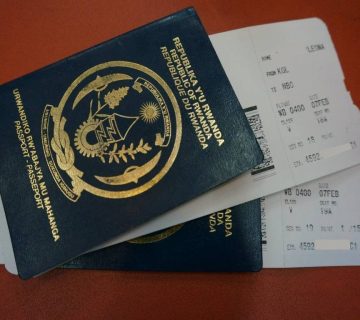
If your passport is lost or stolen, report the incident to the police when appropriate and contact your country’s embassy or high commission. You may need a police report to support an application for an emergency travel document or replacement passport. Keep a separate copy of your passport details and any relevant visa or entry-permit information.
Travellers should distinguish between an embassy and a local emergency service. An embassy may help its citizens understand local procedures, contact family, locate legal or medical assistance and arrange emergency travel documents. It does not replace the police, an ambulance or a hospital, and it generally cannot pay a traveller’s medical bills or guarantee release from local legal proceedings.
If you are travelling outside Kampala and Entebbe, record your accommodation’s emergency number and ask how to reach the nearest suitable medical facility. A safari operator should be able to explain the arrangements available for the destinations included in your itinerary.
Kenya: Police, Medical Help and Consular Support
Kenya is a major gateway for East African tourism. Travellers visit Nairobi, the Maasai Mara, Amboseli, Tsavo, Lake Nakuru and the country’s coastal destinations. Some journeys involve long drives through rural areas, making advance emergency planning important.
Save 999, 112 and 911 for emergency assistance. If you experience a medical emergency, contact local emergency services and your accommodation or tour operator. If you are travelling in a remote conservancy or national park, provide the precise location rather than relying on the name of the nearest town.
The Kenya Tourism Federation operates a Safety and Communication Centre intended to provide tourist advice and emergency assistance. Travellers can check its current contact details before departure, particularly if they plan to visit several safari destinations.
For a lost passport, arrest, serious crime or other situation requiring consular assistance, contact the diplomatic mission representing your nationality in Kenya. Nairobi hosts many foreign embassies and high commissions, although the services available and emergency procedures differ by country.
If you are an international traveller connecting through Nairobi before continuing to Uganda, Tanzania or Rwanda, keep your passport and travel documents secure during transfers. If a document goes missing shortly before an onward flight, contact your airline and relevant embassy promptly. You may need to resolve immigration or documentation issues before travelling onward.
Tanzania: Emergency Planning for Safaris and Kilimanjaro
Tanzania is known for the Serengeti, the Ngorongoro Conservation Area, Tarangire National Park, Zanzibar and Mount Kilimanjaro. These destinations range from urban centres to remote wilderness areas, so the assistance available can vary considerably.
For emergencies, save 112 for police, 114 for fire and rescue, and 115 for ambulance services. The Tanzania Police Force also lists 111 for crime prevention. If you need help, explain whether you are in mainland Tanzania or Zanzibar and provide your precise location.
Travellers climbing Kilimanjaro should pay particular attention to emergency arrangements. Before the climb, ask the operator about its evacuation procedures, medical support, communication equipment and arrangements for contacting the appropriate authorities. Mountain emergencies may require a coordinated response, and a mobile phone signal cannot be guaranteed along the route.
Safari visitors should record the contact details of their lodge, guide and tour operator before travelling into remote areas. If you become ill or injured, these contacts may help coordinate transport and identify an appropriate medical facility.
For passport loss or other consular issues, contact your country’s embassy or consulate responsible for Tanzania. Some countries may provide services through a mission in Dar es Salaam, while others may handle particular matters through a regional embassy or another designated office. Confirm the correct mission for your nationality rather than assuming every country has a full embassy in every destination.
Travellers visiting Zanzibar should also confirm the emergency arrangements for their particular accommodation and activities. Although Zanzibar is part of Tanzania, the location of services and the arrangements for obtaining assistance may differ from those in mainland safari destinations.
Rwanda: Emergency Numbers and Consular Assistance
Rwanda is a popular destination for gorilla trekking in Volcanoes National Park, chimpanzee tracking in Nyungwe National Park, wildlife viewing in Akagera National Park and cultural visits around Kigali. Travellers may also cross into Rwanda from Uganda as part of a multi-country itinerary.
For general emergencies, call 112. Rwanda National Police lists 111 for fire and rescue and 113 for traffic accidents. Save these numbers before leaving Kigali for rural destinations, and confirm your accommodation’s emergency arrangements.
If your passport is lost or stolen, contact the police where appropriate and notify your embassy or consular representative. Keep a copy of your passport identification page, visa details and travel insurance information in a secure location separate from the original documents.
Travellers planning gorilla trekking should save their tour operator’s contact details and understand how to request assistance if an injury or illness occurs during a trek. Tell your guide promptly if you feel unwell or cannot continue safely. In a serious incident, local emergency services and the park’s established response arrangements may need to be involved.
Consular services depend on your nationality. Some countries maintain diplomatic missions in Kigali, while others may cover Rwanda through an embassy based elsewhere in the region. Before travelling, identify the mission responsible for your nationality and save its official website, daytime telephone number and emergency instructions.
How to Contact Your Embassy or High Commission
Your embassy or high commission is the main point of contact for consular assistance from your own government. The correct contact depends on your citizenship, not simply the country where you live or the passport you are travelling with.
Before departure, find the official diplomatic mission responsible for each country on your itinerary. Use your government’s foreign affairs website or the mission’s official website to confirm its address, telephone number, opening hours and emergency procedure. Record the details for Uganda, Kenya, Tanzania and Rwanda if you will visit all four.
Some missions publish a dedicated emergency number for citizens who need urgent assistance outside normal working hours. Others direct callers to a central consular assistance service. Do not assume that the public reception number is monitored around the clock.
Embassies can generally provide information about local procedures, explain how to apply for emergency travel documents, help contact family in serious circumstances and offer lists of local lawyers or medical providers. Depending on the situation, they may also assist citizens affected by serious crime, detention, major accidents or a crisis.
However, consular assistance has limits. An embassy normally cannot override local law, act as your lawyer, guarantee medical treatment, pay ordinary travel expenses or guarantee that you can leave the country immediately. You remain responsible for complying with local laws and arranging your own travel and insurance wherever possible.
If your passport is stolen, contact your embassy as soon as practical. If you are a victim of crime, seek immediate local assistance first where necessary, then contact the mission for guidance on reporting procedures and replacement documents.
Prepare an Emergency Contact Plan Before Departure
The most useful emergency information is information you can find quickly. Save local emergency numbers, your insurer’s assistance line, your tour operator’s emergency contact and your accommodation details in your phone. Keep a written copy as well, in case your phone is lost, damaged or out of battery.
Store copies of your passport, visa or entry authorisation, travel insurance policy and essential medical information securely. Give a trusted person at home a copy of your itinerary and explain how to contact you or your tour operator if they cannot reach you.
If you are travelling with a group, make sure everyone knows the meeting point and the procedure to follow if someone becomes separated from the others. During safari activities, follow your guide’s instructions and avoid leaving the group without informing the responsible person.
For travellers crossing borders, check the emergency contact details again before entering each new country. A number saved for Uganda may not connect you to emergency services in Kenya, Tanzania or Rwanda. Keep the country name beside every number so you can identify the right contact immediately.
Finally, review your travel insurance before departure and save the policy number alongside the emergency assistance details. Check whether your policy covers medical treatment, hospital admission, emergency evacuation, lost documents and the activities you intend to undertake.
A few minutes of preparation can make a significant difference when something goes wrong. By saving the correct emergency numbers, identifying the diplomatic mission responsible for your nationality and understanding the limits of consular assistance, you can travel through East Africa better prepared to deal with unexpected situations.
Important note: Emergency numbers, embassy arrangements and consular procedures can change. Confirm all contact details through the relevant government or diplomatic mission before travelling. In an immediate threat to life, contact local emergency services first.



No comment