
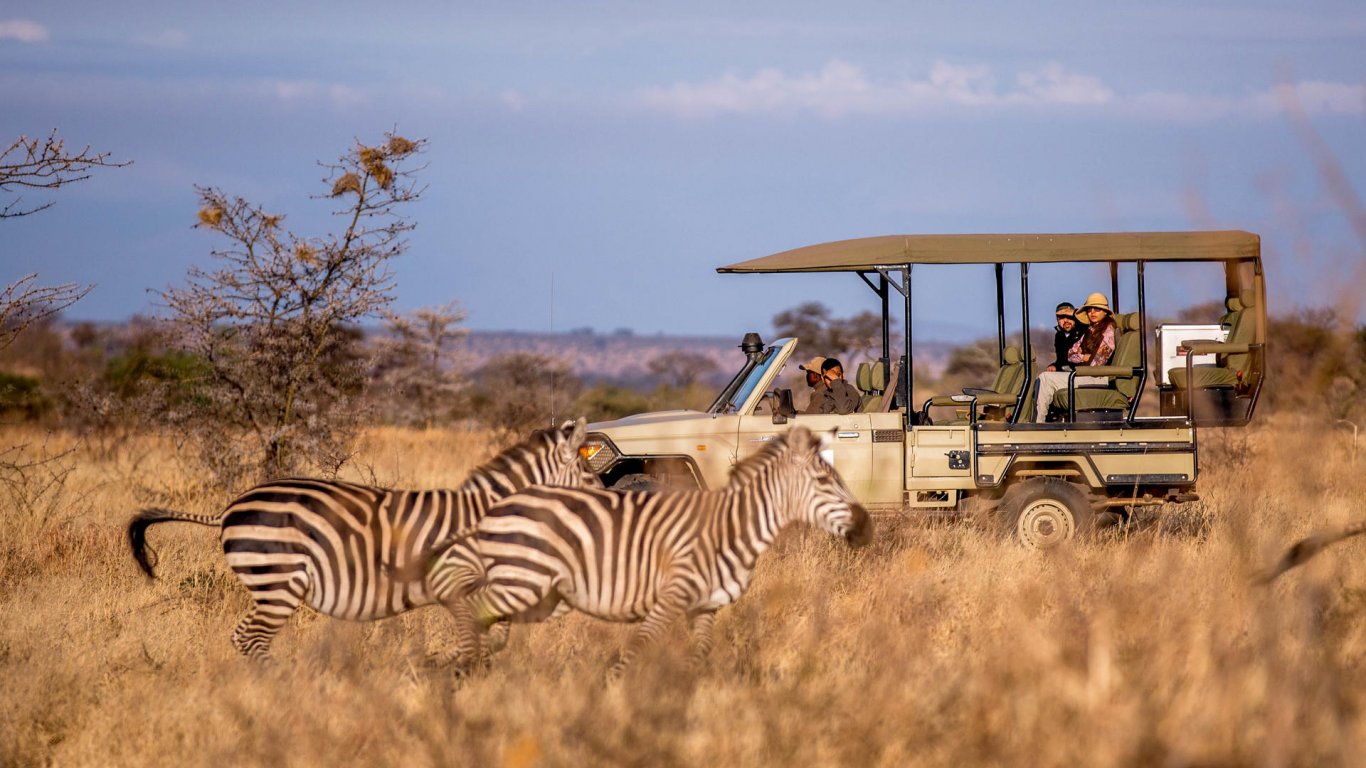
Understanding Kenya–Tanzania Land Border Crossings
Travelling between Kenya and Tanzania by road is a popular choice for visitors exploring East Africa. The journey allows travellers to combine Kenya’s wildlife reserves, coastal destinations and cities with Tanzania’s national parks, mountain landscapes and beaches. It is also a practical option for people travelling between Nairobi, Arusha, the Serengeti region and other destinations across the two countries.
Two important land crossings are Namanga and Isebania. Both are established One-Stop Border Posts designed to make the movement of people and goods between Kenya and Tanzania more efficient. However, they serve different travel routes, so choosing the right one can save driving time and help you organise your itinerary more effectively.
Namanga is the main option for many travellers moving between Nairobi and Arusha. It is particularly useful for visitors heading towards Mount Kilimanjaro, Tarangire National Park, Lake Manyara and the Ngorongoro Conservation Area.
Isebania is further west and connects Kenya’s Migori County with the Tarime area of Tanzania. It is relevant to travellers approaching the western side of the Serengeti region or planning a longer journey through western Kenya and northern Tanzania.
The best crossing depends on your starting point, final destination, visa requirements, transport arrangements and the time you have available. Before setting off, prepare your travel documents and check the current entry requirements for both countries.
Crossing at Namanga: The Nairobi–Arusha Route
Namanga is one of the principal road crossings between Kenya and Tanzania. It connects Kajiado County in Kenya with northern Tanzania and serves a busy transport corridor used by tourists, buses, private vehicles and commercial traffic.
For visitors travelling from Nairobi to Arusha, Namanga is often the most practical crossing. The route connects Kenya’s capital with a major Tanzanian safari hub, making it useful for travellers planning wildlife viewing in the northern circuit.
Arusha is a convenient base for trips to Tarangire National Park, Lake Manyara National Park, the Ngorongoro Conservation Area and Serengeti National Park. Travellers planning to climb Mount Kilimanjaro may also use this corridor, depending on their arrival arrangements and the location of their tour operator.
The road journey from Nairobi to Arusha takes several hours, depending on traffic, road conditions and the time spent completing immigration procedures. The distance and travel time can vary according to your exact starting point and destination, so it is sensible to leave room for delays.
Namanga operates as a One-Stop Border Post. This arrangement brings together aspects of the neighbouring countries’ border procedures to improve the movement of passengers and goods. You must still complete the required immigration and customs formalities for leaving one country and entering the other.
Although the crossing is an established international route, waiting times can vary. Commercial traffic, buses arriving together, public holidays and additional document checks may affect the time required to cross.
Travellers heading to Arusha for a scheduled safari should avoid making their first game drive dependent on an unrealistically tight arrival schedule. Allow enough time for the border process and onward road travel, especially if your flight lands in Nairobi on the same day.
Crossing at Isebania: The Western Kenya–Tanzania Route
Isebania is another major Kenya–Tanzania border crossing. It connects Migori County in western Kenya with the Tarime area of northern Tanzania. The crossing is particularly useful for travellers whose journeys involve western Kenya, the Lake Victoria region or parts of Tanzania near the western side of the Serengeti ecosystem.
Unlike Namanga, which serves the Nairobi–Arusha corridor, Isebania is positioned farther west. This makes it worth considering for travellers approaching from Kisumu, Migori or other parts of western Kenya.
Visitors travelling towards the Serengeti should compare their intended park gate, accommodation and road itinerary before selecting Isebania. The Serengeti is a large protected area, and the most suitable entry route depends on where you plan to stay and which part of the park you intend to visit.
Isebania also serves regular passenger and commercial transport. Travellers may cross by bus, private vehicle, organised tour or other authorised transport services. As with Namanga, passengers must complete immigration checks, and drivers may have additional vehicle or customs requirements.
The border post is an established One-Stop Border Post, and Kenya’s official border information lists it as operating around the clock. Nevertheless, travellers should confirm the practical arrangements for their particular journey, especially if using a scheduled bus or connecting transport.
Do not assume that Isebania will always be faster or more convenient simply because it is less direct for some destinations. Road conditions, traffic and the location of your final accommodation can change the overall travel time.
Namanga or Isebania: Which Border Should You Choose?
The two crossings serve different routes, so your destination should guide the decision.
Namanga is generally the more practical choice for travellers moving between Nairobi and Arusha. It is well suited to itineraries involving the northern Tanzania safari circuit, including Tarangire, Lake Manyara and the Ngorongoro Conservation Area. It may also suit travellers connecting Nairobi with Arusha-based tour operators.
Isebania is more relevant to journeys through western Kenya and northern Tanzania near the Tarime area. It may be useful for travellers whose transport arrangements or safari itinerary are based around this western corridor.
If you are visiting the Serengeti, check the precise location of your lodge and the park access route. A journey to the western or central parts of the park can involve different logistics from a visit to the northern Serengeti. Your tour operator can help determine which crossing works best with the accommodation and activities already booked.
Travellers should also consider whether they are using public transport or a private safari vehicle. A bus may follow a fixed route that makes one border more convenient, while a private vehicle offers more flexibility but requires the correct cross-border documentation.
The cheapest option is not always the most convenient. Compare the full journey, including transport fares, overnight stops, border formalities and onward travel, rather than considering the distance to the border alone.
Passport and Immigration Requirements
Before leaving Kenya or entering Tanzania, check the entry rules that apply to your nationality. A valid passport or other accepted travel document is essential for most international travellers, and the documents required can vary according to citizenship and immigration status.
Tanzania generally requires foreign visitors to hold a valid travel document, commonly with at least six months of remaining validity. Travellers should confirm the applicable rules before departure and ensure that their passport has sufficient validity for the entire journey.
Visa requirements depend on nationality and purpose of travel. Some travellers are visa-exempt, while others need a visa before arrival or may qualify for a visa on arrival at an authorised entry point. Certain nationalities fall under Tanzania’s referral visa category and must receive clearance before a visa can be issued.
Kenya also has its own entry requirements. Permission to enter Tanzania does not automatically grant permission to enter Kenya, and a visa or travel authorisation for one country should not be treated as valid for the other.
Travellers using the East Africa Tourist Visa should understand its limits. The regional visa is designed for eligible tourism travel involving Kenya, Rwanda and Uganda. It does not replace the separate visa requirements for Tanzania.
At the border, immigration officers may ask about your travel purpose, accommodation, intended length of stay and onward arrangements. Keep your hotel reservations, tour details and return or onward travel information accessible in case you are asked to provide them.
Children travelling with one parent or another adult should have the required travel documents. Depending on the circumstances, additional parental consent or supporting identification may be appropriate. Check the relevant requirements before leaving.
Tanzania Visa Fees for Travellers Entering by Road
Visa fees depend on nationality and the category of visa required. Travelling by road does not automatically make the visa cheaper than entering by air.
Tanzania’s standard ordinary single-entry visa generally costs US$50 and is commonly valid for a stay of up to 90 days, subject to the conditions of the visa and the decision of immigration officials. It is used for eligible short-term visits, including tourism and visiting friends or relatives.
A multiple-entry visa generally costs US$100 and is commonly valid for one year. It may be appropriate for travellers who need to enter Tanzania more than once, although eligibility and the conditions of use depend on the applicant’s circumstances.
A transit visa generally costs US$30. It is intended for eligible travellers passing through Tanzania to another country rather than for a normal holiday. Supporting evidence of onward travel and permission to enter the destination country may be required.
A business visa generally costs US$250 for qualifying temporary business activities. Travellers intending to work or undertake activities that require a permit must confirm the correct immigration category before travelling.
These are standard published fees, not a guarantee that every traveller will pay the same amount. Nationality-specific rates, reciprocity arrangements and referral visa rules can affect eligibility and cost. Confirm the current fee through Tanzania’s official immigration service before submitting an application or paying at a border.
Kenya’s entry requirements must be considered separately. Many visitors who need permission to enter Kenya must obtain an approved Electronic Travel Authorisation before travelling, although exemptions apply. Check whether your nationality requires an eTA or qualifies for an exemption before beginning the journey.
Keep payment confirmations and any approved electronic documents available on your phone, with a backup copy where practical. Use official government services and be cautious of unofficial intermediaries that charge extra fees.
What Happens at the Border?
When you arrive at Namanga or Isebania, follow the signs and instructions directing passengers to immigration control. At a One-Stop Border Post, some procedures are coordinated between the two countries, but you must still complete the necessary exit and entry checks.
If you are leaving Kenya, present your passport or other accepted travel document to the relevant Kenyan immigration officer. Complete the exit formalities and follow the instructions for proceeding to Tanzanian immigration.
At the Tanzanian side, present the documents required for entry. If you already have an approved visa, keep the approval details accessible. If you are eligible to obtain a visa on arrival, follow the instructions of authorised immigration officers and confirm that your nationality qualifies for that process.
Officers may ask where you are going, how long you intend to stay and where you will be accommodated. Answer accurately and ensure your responses match your itinerary.
Drivers may also need to complete customs or vehicle procedures. These checks can involve vehicle registration, insurance, authorisation to cross the border or documentation relating to goods being transported.
Once the required checks are complete, follow the directions to the exit area and continue your journey. If you are travelling by bus, listen carefully to the driver or conductor so you know where to wait and when to reboard.
Processing time varies. A quiet period may allow a relatively quick crossing, while a busy day or a queue of commercial vehicles can create delays. Do not rely on a fixed number of minutes when planning a tight onward connection.
Crossing With a Private Vehicle or Rental Car
Travelling in a private vehicle allows you to control your schedule and stop along the route. However, taking a vehicle from Kenya into Tanzania requires more preparation than travelling as a passenger.
Carry your valid driving licence and vehicle registration documents. If the vehicle belongs to another person or a company, you may need written permission or an authorisation document. Rental companies often require advance approval before allowing vehicles to cross international borders.
Check that the vehicle’s insurance is valid in both countries. You may need additional regional insurance or other documentation, depending on the policy and applicable regulations.
Customs authorities may also require documents relating to the vehicle’s temporary entry. The exact procedure can depend on the vehicle’s ownership, registration, intended use and length of stay.
If you are hiring a vehicle, ask the rental company about cross-border permission, additional fees and restrictions before booking. Some rental agreements prohibit international travel unless written authorisation has been granted.
For a safari, confirm whether the vehicle is permitted to operate commercially in the destination country. A tour vehicle licensed in Kenya may face different requirements from one registered and authorised to operate in Tanzania.
If you are using a tour operator, establish who will handle the vehicle paperwork and whether the quoted price includes relevant insurance, permits and cross-border transport costs.
Health Checks and Customs Rules
Health requirements can change according to public health guidance and your recent travel history. Yellow fever documentation may be required in certain circumstances, particularly for travellers arriving from or passing through countries with a recognised transmission risk.
Check the current requirements for your route before departure. Carry any required vaccination certificate and seek professional medical guidance if you have questions about vaccination or a medical exemption.
Customs rules also apply to personal belongings, commercial goods and regulated products. Travellers should declare items when required and avoid carrying restricted goods without the appropriate authorisation.
If you are transporting professional equipment, drones, large quantities of merchandise or other regulated items, check the relevant rules before crossing. An item that can be carried freely within one country may require a declaration or permit when entering another.
Follow instructions from customs officials and keep receipts for any official payments. Do not assume that personal luggage and commercial goods are subject to identical procedures.
Planning Your Journey Around Border Delays
A successful road trip requires a realistic timetable. The distance to the border is only one part of the journey, and the time needed for immigration and customs procedures can vary.
For Namanga, consider traffic leaving Nairobi and the onward drive to Arusha. For Isebania, account for the journey through western Kenya and the road conditions after entering Tanzania. The best departure time depends on your route, transport service and planned arrival destination.
If you are travelling to a safari lodge, confirm its check-in time and the latest time it can arrange transfers. Long-distance journeys can take longer than expected, particularly when traffic or border queues develop.
Avoid scheduling an important activity immediately after a border crossing unless you have a generous time allowance. A delayed crossing could cause you to miss a transfer, a scheduled meeting or a planned game drive.
Keep your phone charged, save important bookings offline and carry contact details for your driver or accommodation. If travelling by public bus, confirm whether the service continues after border formalities or whether passengers need to change vehicles.
Combining Kenya and Tanzania on a Safari
Many visitors combine the two countries to experience different wildlife habitats and safari destinations. Kenya’s Maasai Mara is well known for its wildlife and seasonal wildebeest migration, while Tanzania offers the Serengeti, Ngorongoro, Tarangire and other major conservation areas.
Namanga is commonly useful for itineraries connecting Nairobi and Arusha. Isebania may suit journeys involving western Kenya and the Tarime area, depending on the planned safari route.
However, cross-border safari arrangements need careful coordination. Park entry fees, accommodation, vehicle authorisations and guiding arrangements may differ between countries. Do not assume that a vehicle or guide operating in Kenya can automatically conduct every activity in Tanzania without additional arrangements.
If you are travelling during the wildebeest migration, discuss the exact location of the herds, your lodge and the planned park entry points with your tour operator. Migration movements are seasonal and variable, so a realistic itinerary should allow for changing wildlife locations and road conditions.
Also check the visa requirements for every country on your itinerary. A Kenyan eTA does not grant entry to Tanzania, and a Tanzanian visa does not grant entry to Kenya.
Choosing Between Namanga and Isebania
Namanga is usually the more practical choice for travellers moving between Nairobi and Arusha or visiting Tanzania’s northern safari circuit. Isebania is more relevant to routes through western Kenya and northern Tanzania near Tarime.
Neither crossing is the best option for every journey. The correct choice depends on the starting point, destination, transport arrangements, passport nationality and road conditions.
Before departure, confirm the current immigration requirements for both countries, check whether you need a Kenyan eTA or Tanzanian visa, and prepare the necessary vehicle documents if driving. Allow enough time for border formalities and onward travel, particularly when your schedule includes a safari or another fixed activity.
With the right crossing selected and your documents organised in advance, travelling between Kenya and Tanzania by road can be a convenient way to explore both countries during one East African trip.





No comment