
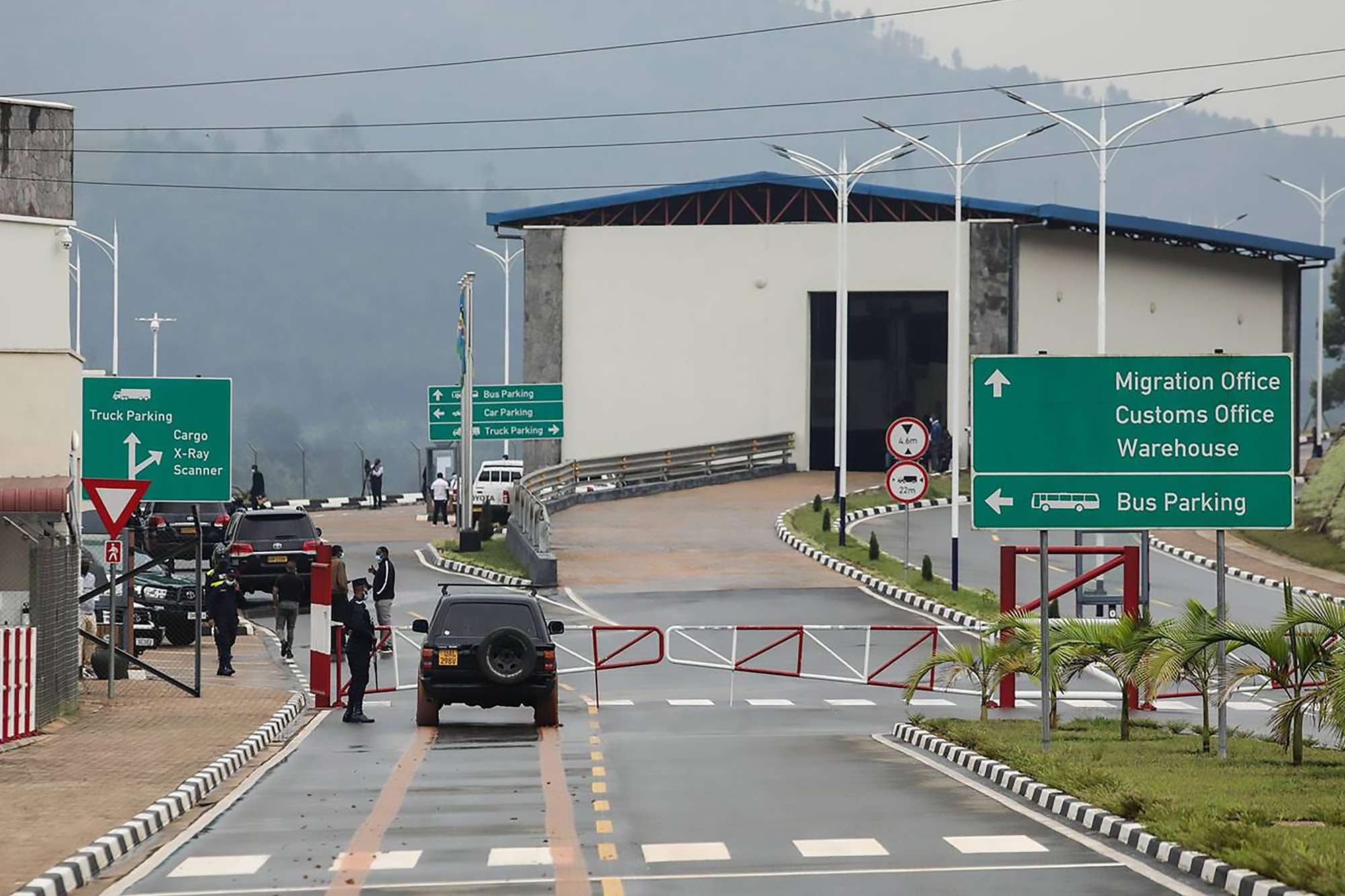
Crossing From Uganda to Rwanda by Road: Cyanika, Katuna and Gatuna Compared
Understanding the Uganda to Rwanda Road Crossing
Travelling from Uganda to Rwanda by road is a practical option for visitors exploring East Africa. The journey is popular with tourists visiting Kigali, travellers heading to Rwanda’s mountain gorillas, business visitors and Ugandans making regional trips. It is also a useful route for travellers who want to combine gorilla trekking in Uganda with a visit to Volcanoes National Park in Rwanda.
Two of the most useful border crossings for tourists are Katuna on the Ugandan side and Gatuna on the Rwandan side, and Cyanika on the Rwandan side and Kyanika on the Ugandan side. These names can cause confusion because each country uses its own name for the same crossing. Katuna and Gatuna refer to one border post, while Cyanika and Kyanika refer to another.
The main difference is their location and the roads they connect. Katuna and Gatuna are on the main route between Kabale in Uganda and Kigali in Rwanda. Cyanika and Kyanika serve the route through Kisoro and Musanze, making them useful for travellers visiting southwestern Uganda or northwestern Rwanda.
Choosing the right crossing can reduce driving time, simplify your itinerary and help you reach your accommodation before nightfall. The best option depends on where you are travelling from, which destination you plan to visit and the condition of the roads along your route.
Katuna and Gatuna: The Main Route Between Kabale and Kigali
Katuna is located in southwestern Uganda, in Kabale District, while Gatuna is its corresponding border post on the Rwandan side. It is one of the major road connections between the two countries and serves passenger vehicles, buses, commercial transport and private cars.
The crossing is particularly useful for travellers moving between Kampala, Kabale and Kigali. It is also a practical choice for visitors travelling from Rwanda into Uganda’s Lake Bunyonyi area or continuing towards Bwindi Impenetrable National Park.
The road through Katuna and Gatuna connects with Rwanda’s main road network towards Kigali. Once you complete immigration formalities, you can continue towards the capital or connect with other destinations in the country.
For travellers arriving at Kigali International Airport and continuing to Uganda, this route can be suitable when the final destination is in northern or eastern parts of Bwindi, depending on the specific sector and road conditions. Visitors heading to Buhoma or Ruhija should compare the full driving route before selecting a crossing.
Katuna and Gatuna are also important for commercial traffic. Heavy trucks and other freight vehicles use the corridor, so queues may develop during busy periods. Although the border has facilities designed to improve clearance, waiting times are not always predictable.
Travellers should plan to cross during daylight where practical, especially if they are unfamiliar with the road network or have a long onward journey. Confirm the latest operating arrangements before travelling, particularly if your schedule depends on arriving close to the end of the day.
Cyanika and Kyanika: The Route Through Kisoro and Musanze
Cyanika is the Rwandan name for the border post connecting the Musanze area with southwestern Uganda. The Ugandan side is commonly called Kyanika. This crossing is especially useful for travellers visiting Kisoro, Mgahinga Gorilla National Park, parts of southern Bwindi and Rwanda’s Volcanoes National Park.
On the Rwandan side, the road connects with Musanze, a major base for visitors exploring Volcanoes National Park. Musanze has accommodation, restaurants, transport services and tour facilities used by travellers planning gorilla trekking and other nature-based activities.
On the Ugandan side, the route serves Kisoro and nearby communities. Visitors heading to Mgahinga Gorilla National Park may find this crossing convenient because it provides access to the region where mountain gorillas, golden monkeys and the Virunga volcanic landscape attract visitors.
Cyanika and Kyanika can also be useful for people travelling between Musanze and southern sectors of Bwindi, including Rushaga and Nkuringo. The most suitable route depends on the location of the lodge, the trekking permit and the road conditions on the day of travel.
Compared with Katuna and Gatuna, this crossing may suit travellers whose itinerary focuses on the Kisoro area rather than Kabale. It can reduce unnecessary backtracking when the main destinations are in southwestern Uganda.
However, do not assume that Cyanika is always faster. The road distance, traffic, weather and final destination all affect the total journey. The crossing also has reported operating-hour limitations that differ from those commonly associated with Katuna and Gatuna. Check the current hours before planning a late arrival.
Katuna or Cyanika: Which Border Should You Choose?
The right crossing depends on your destination rather than simply which border looks closer on a map.
If you are travelling from Kampala towards Kigali, Katuna and Gatuna are often a natural choice because they connect the Kabale corridor with Rwanda’s main road network. They are also useful for visitors travelling between Kigali and Lake Bunyonyi or continuing towards parts of northern Bwindi.
If you are travelling from Kigali towards Kisoro or Mgahinga Gorilla National Park, Cyanika and Kyanika may offer a more direct route. The crossing can also be useful for travellers visiting Volcanoes National Park and then continuing into southwestern Uganda.
For visitors combining Rwanda’s gorillas with Uganda’s gorillas, the location of the trekking permits is particularly important. A permit for a northern Bwindi sector may favour a different road route from one for Rushaga or Nkuringo. Travellers should confirm the location of the trekking briefing point and the required arrival time before deciding where to cross.
The same principle applies to accommodation. A lodge near Kisoro may be more conveniently reached through Cyanika, while a lodge closer to Kabale may be easier to reach through Katuna. The actual route should be checked against the lodge’s location and the condition of the roads.
Travel Time and Road Conditions
Driving times between Uganda and Rwanda vary according to the starting point, traffic, road conditions and the destination beyond the border. A journey from Kampala to a border post is very different from one starting in Kabale or Kisoro. Travellers flying into Kigali also need to account for airport procedures and the time required to collect luggage and meet their driver.
Katuna and Gatuna serve a major transport corridor, but traffic can slow down near the border, particularly when commercial vehicles are waiting for clearance. The main roads are used by buses, private vehicles and freight transport, so allowing additional time is sensible.
Cyanika and Kyanika serve a more mountainous area. The scenery can be attractive, but winding roads, rain, fog and changes in road surface can affect driving speeds. Travel times quoted by tour operators should be treated as estimates rather than guarantees.
If you are planning a gorilla trek, avoid building your itinerary around an extremely tight connection. Trekkers generally need to arrive at the designated briefing location at the required time, and a delay at the border could affect the day’s plans. Consider crossing the day before your trek if the journey is long or the border timing is uncertain.
Before setting off, ask your driver or tour operator about road conditions, the best departure time and any expected delays. This is especially useful during rainy periods, when travel on some rural roads may take longer than expected.
Passport, Visa and Immigration Requirements
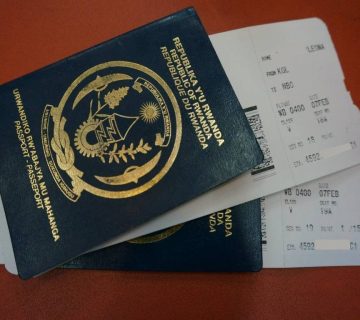
Before crossing from Uganda into Rwanda, confirm that you have the correct travel documents for both countries. Requirements depend on nationality, passport type, travel purpose and length of stay.
Ugandan citizens benefit from East African Community entry arrangements and generally do not need to pay a standard tourist visa fee to visit Rwanda. They must still present an accepted travel document and comply with immigration procedures. Citizens of other EAC partner states may also qualify for free visitor-pass arrangements under the applicable rules.
Travellers from outside the region should check whether they require a visa for Uganda, Rwanda or both. Rwanda allows eligible visitors to obtain visas on arrival at land borders, while some travellers may choose to apply online in advance. Certain nationalities require referral clearance before a visa can be issued, so they should confirm their eligibility before travelling.
The East Africa Tourist Visa may be suitable for eligible tourists visiting Uganda, Rwanda and Kenya on the same trip. It costs US$100 under the published scheme and is valid for 90 days, with multiple entries permitted within the participating countries while the visa remains valid. The country issuing the visa must be the first point of entry into the regional arrangement.
This regional visa does not cover Tanzania or every other country in East Africa. If your itinerary includes additional destinations, check their separate entry requirements.
Travellers should also confirm passport validity, carry any required visa approval and keep accommodation or onward travel information accessible. Immigration officers may ask about the purpose of the visit, where you plan to stay and how long you intend to remain.
What Happens at the Border?
At either crossing, travellers should follow the signs directing them to immigration control. If travelling by bus, follow the instructions given by the driver or conductor. Passengers may be asked to leave the vehicle and complete the formalities in the designated immigration areas.
When departing Uganda, present your passport or other accepted travel document to the Ugandan immigration officer. After completing the exit process, proceed to the Rwandan immigration point and present your documents for entry.
The order and layout of the facilities can vary, so follow the instructions given by border officials. Travellers using private vehicles should park in the designated area and complete the required passenger and vehicle procedures.
You may be asked about your destination, accommodation, travel dates and purpose of visit. Answer accurately and ensure your responses match your documents. If you are carrying items that require customs declaration, follow the applicable rules and instructions.
Border clearance can be quick when traffic is light, but queues may develop when several buses or freight vehicles arrive together. Allow extra time if you have a scheduled transfer, an important meeting or a long drive after crossing.
Keep your passport and other important documents secure. Avoid handing them to unauthorised people who offer to speed up the process. If you pay a required official fee, follow the instructions of the relevant authority and retain your receipt.
Crossing With a Private Car or Rental Vehicle
Travelling by private vehicle offers flexibility, especially for visitors who want to stop along the way or explore destinations outside the main cities. However, taking a vehicle across an international border requires preparation beyond carrying a passport.
Drivers should have a valid driving licence and the vehicle’s registration documents. If the vehicle belongs to another person or a company, written permission or an authorisation letter may be required. Rental companies may also have specific rules governing cross-border travel.
Check whether your motor insurance provides valid cover in both Uganda and Rwanda. If additional regional insurance or temporary vehicle documentation is required, arrange it before departure rather than waiting until you reach the border.
The relevant authorities may inspect the vehicle or request customs documentation. Requirements can differ according to whether the vehicle is privately owned, rented, commercially registered or entering temporarily.
If you are hiring a driver or using a safari operator, ask who is responsible for cross-border vehicle arrangements. Confirm whether the quotation includes any applicable insurance, permits, parking or additional transport charges.
Do not assume that a vehicle authorised for use in Uganda can automatically operate commercially in Rwanda. Tour operators may be subject to additional regulations governing passenger transport and tourism services.
Health Requirements and Travel Preparation
Before travelling, check the current health requirements for both countries. Vaccination documentation may be required depending on your route, recent travel history and public health rules in force at the time. Yellow fever requirements can depend on where you are arriving from and whether you have visited a country with a recognised transmission risk.
Carry any required health certificate with your travel documents. If you have a medical exemption or special circumstances, seek guidance from the relevant authorities or a qualified health professional before departure.
Prepare your accommodation details and transport arrangements in advance, particularly if you are crossing late in the day. Keep emergency contact information accessible and make sure your phone has enough battery for navigation and communication.
Travellers heading into mountainous areas should prepare for changing weather. Rain, cool temperatures and fog can affect conditions around Kisoro, Musanze and the surrounding highlands. If you are going gorilla trekking, pack appropriate walking shoes, rain protection and clothing suitable for wet forest conditions.
It is also sensible to carry some local currency for incidental expenses, although payment methods and availability vary by location. Check in advance whether your accommodation or transport provider accepts card payments or mobile money.
Combining Uganda and Rwanda Gorilla Trekking
The two crossings are especially relevant for travellers planning a primate-focused holiday. Rwanda’s Volcanoes National Park is known for mountain gorilla trekking, while Uganda offers gorilla trekking in Bwindi Impenetrable National Park and Mgahinga Gorilla National Park.
A visitor trekking in Volcanoes National Park and then continuing to Mgahinga may find Cyanika and Kyanika convenient because they connect the Musanze and Kisoro areas. Travellers visiting Volcanoes National Park and then heading to some parts of Bwindi may also consider this crossing, depending on their lodge and trekking sector.
Katuna and Gatuna can be more suitable when the itinerary connects Kigali with Kabale, Lake Bunyonyi or northern parts of Bwindi. However, the most efficient route depends on the exact locations involved, not just the names of the parks.
Gorilla trekking permits must be arranged separately from immigration documents. A visa does not provide access to a national park or guarantee a gorilla trekking place. Reserve permits in advance, confirm the briefing time and coordinate your road transfer with your accommodation and tour operator.
When combining both countries, allow enough time to complete the border crossing and reach the next destination. A realistic itinerary is more useful than trying to fit too many activities into one day.
Choosing the Best Uganda-Rwanda Border Crossing
Katuna and Gatuna are generally the practical choice for travellers using the Kabale corridor and the main road between Uganda and Kigali. Cyanika and Kyanika are often more convenient for journeys involving Kisoro, Mgahinga Gorilla National Park and the Musanze area of Rwanda.
Neither crossing is automatically best for every traveller. The right option depends on your starting point, final destination, travel documents, vehicle arrangements and the time you plan to cross. Road conditions and border operating arrangements should be checked close to your departure date.
Before travelling, verify your visa eligibility, prepare your passport and supporting documents, and confirm the crossing arrangements with your driver or tour operator. If you are travelling with children, check whether consent documents or additional identification are needed.
A little preparation makes the journey easier. By selecting the border that matches your itinerary and allowing enough time for immigration formalities, you can travel between Uganda and Rwanda with fewer unnecessary detours and more time to enjoy the destinations along the way.

No comment