Ecotourism and the Shoebill: A Fragile Partnership
Seeing a shoebill standing quietly among the papyrus reeds is an amazing experience. The shoebill is a tall bird with a unique appearance and a calm demeanor. This makes an impression on anyone lucky enough to see it. Uganda is one of the places in the world to see shoebills, and it attracts a lot of bird watchers, photographers, researchers, and people who love nature from all over the world.
The fact that more and more people are interested in seeing shoebills has created a lot of opportunities. It has created jobs for people, helped to protect the wetlands, and made people appreciate the shoebill more. The shoebill is one of the birds in Africa. However, with success comes responsibility. Every person who visits a shoebill’s home can help or hurt the bird.
Ecotourism and the Shoebill: A Fragile Partnership shows how important it is to find a balance. If people who visit, guides, local communities, and governments work together and respect nature, tourism can be a help in protecting the shoebill.
The Shoebill’s Special Place in Africa
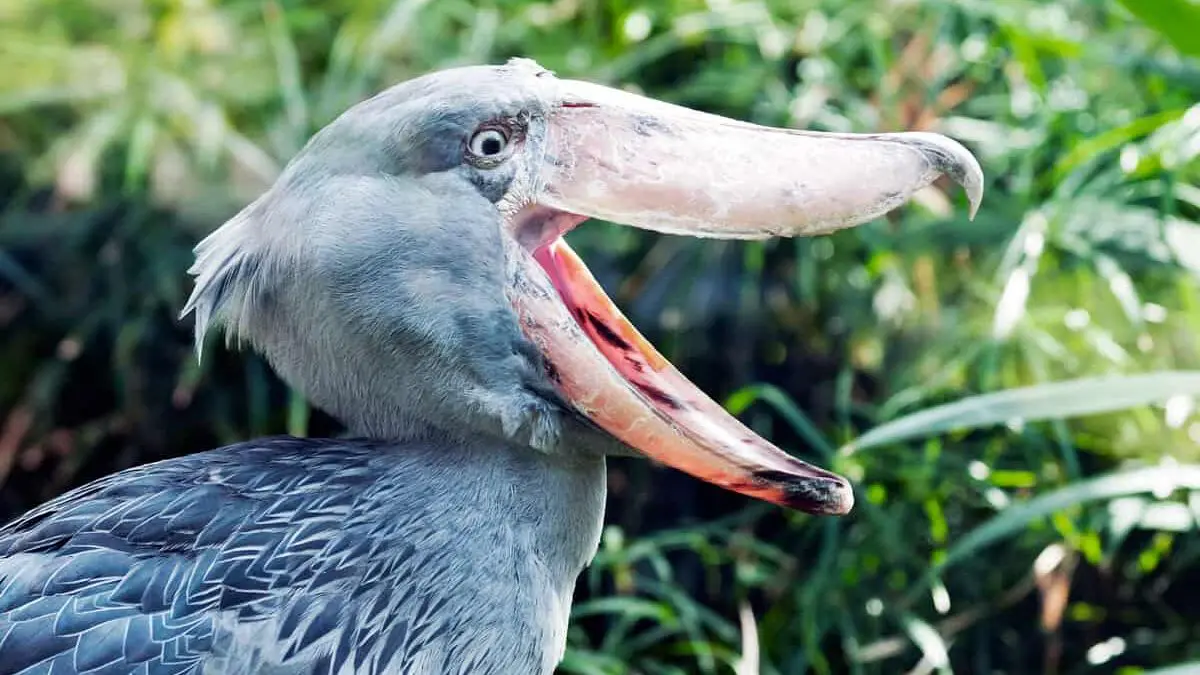
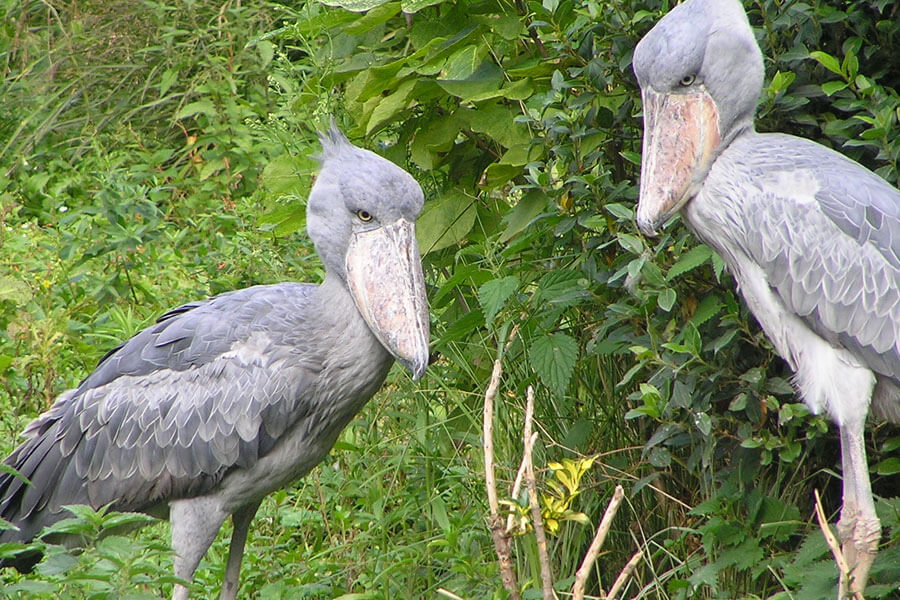
The shoebill is a unique bird. It can grow up to five feet tall. Has a big shoe-shaped bill. The shoebill lives in freshwater swamps and marshes, where it can find everything it needs, including fish, lungfish, frogs, snakes, and places to nest.
The shoebill is different from other birds because it needs a stable home to survive. Even small changes can affect how it finds food and has babies. This means that it is very important to protect the shoebills home.
There are some places in Uganda like Mabamba Swamp, Murchison Falls National Park and parts of the Nile system where people can see shoebills in the wild. These places are known over the world.
Why People Travel So Far
For people who like birds seeing a shoebill is a dream come true. Some people plan their trip for years just to see a shoebill in person.
The shoebill is not just interesting to people who like birds. Photographers want to take pictures of the birds features. People who care about the environment visit to learn about the wetlands. Travelers like the atmosphere around the shoebills home.
Seeing shoebills is often an experience. People ride canoes through channels and they are guided by local experts who know a lot about the bird. This type of tourism creates experiences and helps people appreciate the wetlands.
Wetlands Become Important
One of the things about ecotourism is that it helps people see the value, in natural places.
A time ago people thought wetlands were not useful and should be drained or used for farming. Now many people know that healthy wetlands can generate income through tourism and provide fish, clean water and biodiversity.
When a wetland becomes valuable because of the wildlife that lives there it is more likely to be protected.
Boat operators make money by guiding tourists.
Local restaurants serve food to visitors.
Other places to stay hire staff.
People who make crafts sell things they have made.
Transportation companies benefit from travel.
Every time someone has an experience visiting a shoebill it reminds them of the importance of protecting the birds home.
Local communities are very important for conservation. They become partners in conservation.
Conservation is not very successful without the help of the community. People who live near the habitats know these wetlands very well. They have been fishing, harvesting papyrus. Navigating the waterways for many years.
Ecotourism is a thing because it creates new jobs that help people take care of the environment instead of hurting it. Some people who used to hunt animals are now guides for tourists. Young people from the area learn about birds. Become specialists. Women start their tourism businesses.
Local groups that care about the environment watch over the wetlands.
Teach visitors about them. The local communities are starting to see the shoebills as valuable and worth protecting. This is an achievement for ecotourism.
Education is very important for long-term conservation. When people visit the shoebills they learn a lot about taking care of the wetlands. Many tourists do not know much about the papyrus ecosystems when they arrive.. During their visits they learn about the fish, the flooding, the climate and the plants.
These experiences make people want to help conservation groups tell others about what they learned and encourage travel. The impact of this education goes beyond just one trip. The knowledge people gain in Uganda can spread around the world and create new people who care about African conservation.
There are also some risks to consider. If many tourists visit it can be bad for the environment. The shoebills are careful birds. If they are disturbed much they might not be able to find food. Boats that get too close can scare them away from the places where they hunt. Loud noises, drones and photography can also stress them out.
The breeding pairs are very vulnerable when they are nesting.
If they are scared away from their nests their babies might get. Die. So it is very important for tourists to be responsible and respectful. The goal should not be to get a close picture. Instead people should observe the wildlife in a way that lets them behave naturally.
The guides are very important for making sure the tourists are responsible,know the birds, the seasons and how to keep a distance, teach the visitors about how to take pictures without hurting the animals, do not try to chase the birds. Instead let them come to them.
The guides also help with conservation by collecting information about the birds and the environment. This helps the researchers understand what is going on and how to protect the shoebills. By combining tourism with conservation the guides become the protectors of the wildlife and the tourists.
The tourists also have a responsibility to help with conservation, can do things like being quiet following the guides and not making sudden movements. They should not try to get the guides to take them close to the birds. T should not litter in the wetlands. They should support the tourism operators that care about the environment.
These small actions can add up to make a difference.
When many people make choices it can create a safer environment for the shoebills and other animals that live in the wetlands. Conservation works when many people make decisions over a long time.
Local communities and tourists must work together to protect the shoebills. The shoebills need our help to survive. We must take care of the wetlands and the animals that live there. This is very important, for the future of the shoebills and the local communities that depend on them.
So the time you visit the shoebills remember to be respectful and responsible. Follow the guides. Do not disturb the birds. You can make a difference by being a tourist. The shoebills are counting on you.
Climate Change Adds New Challenges
Shoebills face problems that go beyond tourism
Changes in how rain falls affect the water levels in wetlands
Long periods without rain lower the number of fish
Very heavy rains can hurt the places where birds build their nests
Non-native plants change the quality of the home where the birds live
More people mean more need for farming places to live and buildings
All these issues make it harder to protect the birds
Tourism by itself can’t fix everything but it gives money and helps people know about the problem which helps other conservation work
The more people like wetlands the more they want to protect them from many dangers
Research and Tourism Can Work Together
Scientists who study shoebills often work with people who take tourists
Guides tell about when they see the birds
Researchers watch how well the birds have babies
Groups that help protect nature check how healthy the home is
Sometimes visitors help by taking pictures that show which birds are there or where they go during different times
Tools also help with protecting the birds
Maps with GPS, pictures from space and checking over time let scientists see how wetlands change
The information from studies helps make better choices for managing the area which is good for both the birds and the people who visit
This teamwork makes ecotourism and the shoebill: A fragile partnership stronger showing how knowing more and traveling carefully can help each other
Protecting the Next Generation
Young people living close to Ugandas wetlands are important for protecting the shoebills
Programs that teach about the environment show students about the animals and plants around them
Going to the wetlands helps students like the natural world
Groups in the community organize cleaning and planting trees
Children who grow up liking the shoebills are more likely to help protect them when they are older
Tourism shows real examples of how protecting nature creates jobs making it something people care about in their daily lives
When young people see people from far away coming to see a bird that lives near them local pride grows naturally
Conservation Is an Investment
Keeping wetlands safe needs ongoing money
Fixing paths watching the area studying, teaching about the environment working with people and making the home better all need cash
Money from tourism helps with many of these things
Fees to enter, guides, places to stay and businesses run by local people give money for protecting the area
This money makes it easier to say that keeping wetlands is better than using them for quick projects
Healthy places keep giving benefits every year
Once destroyed it is hard to bring back
Choosing to protect now makes sure that there are chances for wildlife and people in the future
A Future Built on Respect
The future of Ugandas shoebills depends on choices made every day
Governments need to make sure wetlands are safe
Communities need to keep working as partners in protecting nature
Scientists need to keep learning more about the area
Tourism people need to keep doing things the way
Visitors need to choose to travel in a good way
None of these groups can do it alone
Together they make a network that can protect one of Africas most special birds
Ecotourism and the Shoebill: A Fragile Partnership shows that nature does well when people care for it without taking too much away
Seeing a shoebill standing still in the morning mist is more, than a memory of wildlife. It is a sign that protecting nature and traveling carefully can go hand in hand when people are patient, responsible and respectful. By looking after the wetlands we make sure that future people will feel the same wonder that has drawn visitors for years. In this shared effort is the promise of Ecotourism and the Shoebill: A Fragile Partnership.