
Community Conservancies in Kenya: How Landowners Earn From Wildlife
Community conservancies in Kenya have changed how wildlife conservation works by giving local landowners opportunities to earn income from protecting natural habitats. In several parts of the country, communities receive payments from tourism businesses, conservation partnerships and other activities that depend on healthy wildlife populations.
For many years, wildlife conservation mainly focused on government-managed national parks and reserves. However, animals frequently move beyond protected boundaries onto community-owned and privately owned land.
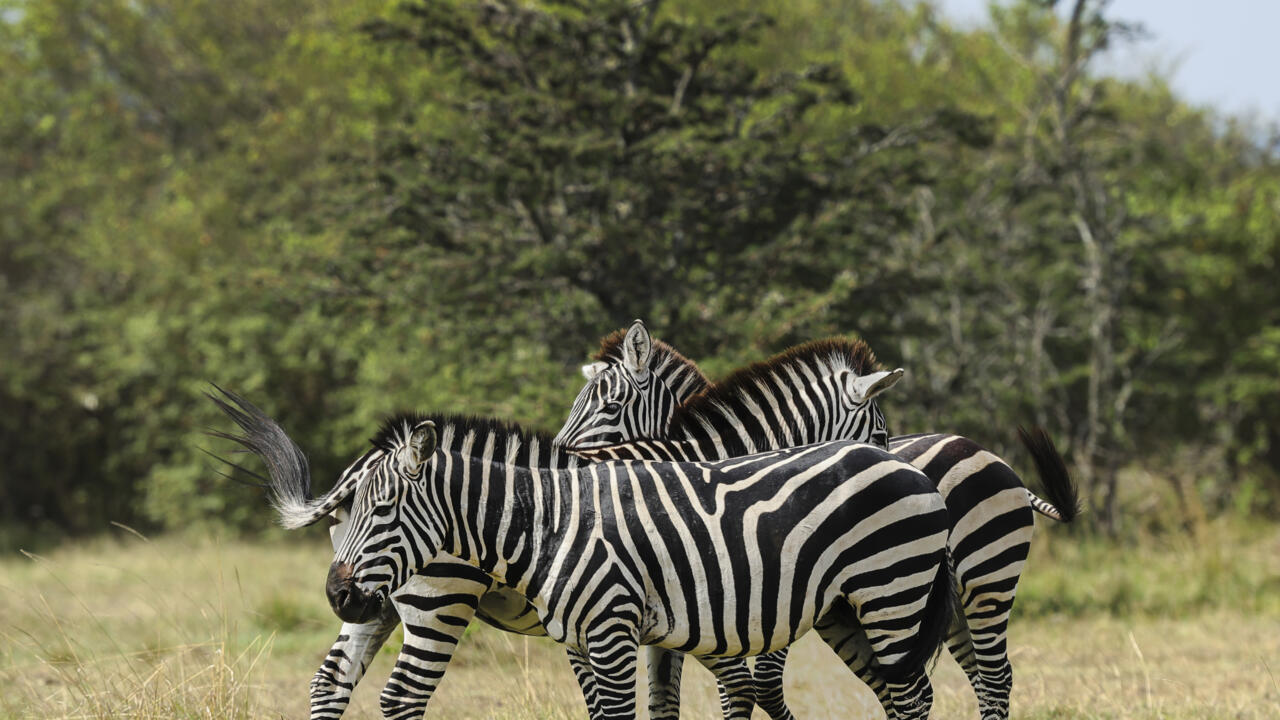
Elephants, lions, zebras and wildebeest use these surrounding areas for grazing, migration and breeding. Protecting these landscapes requires cooperation with the people who own and depend on them.
Kenya’s community conservancies provide one approach to managing this relationship.
In places such as the Maasai Mara, Laikipia and northern Kenya, landowners participate in conservation agreements while receiving economic benefits.
Understanding how community conservancies in Kenya operate can help you choose safari experiences that support wildlife protection and local livelihoods.
What Are Community Conservancies in Kenya?
A community conservancy is an area where local people participate in managing land for wildlife conservation and other agreed uses.
Unlike a national park, which is generally managed by a government authority, a community conservancy involves local landowners or community institutions in decisions about land management.
Some conservancies operate on collectively owned community land. Others involve individual landowners who agree to combine their properties for conservation purposes.
The arrangements vary depending on land ownership, local agreements and management structures.
Conservancies may support wildlife protection, livestock grazing, tourism and community development.
Their main objective is to make wildlife conservation economically worthwhile for people living alongside wild animals.
How Landowners Earn Money From Wildlife
Landowners can benefit financially from conservancies through several arrangements.
The most common include land lease payments, employment, tourism revenue and local business opportunities.
1. Land Lease Payments
Land leasing is an important feature of several conservancies around the Maasai Mara.
Individual landowners agree to make their land available for conservation and regulated tourism under formal agreements.
Tourism operators and conservancy organisations then contribute towards payments to participating landowners.
These agreements may establish monthly payments based on the amount of eligible land.
For example, a landowner with 50 acres participating in a conservancy could receive payments calculated according to the agreed rate per acre.
The actual amount depends on the conservancy contract.
A major advantage of fixed lease arrangements is that landowners may receive agreed payments even when tourist numbers fluctuate, provided the conservancy’s financing arrangements remain in place.
2. Employment in Safari Tourism
Community conservancies create employment opportunities for residents.
Safari camps require guides, drivers, cooks, cleaners, security personnel and maintenance workers.
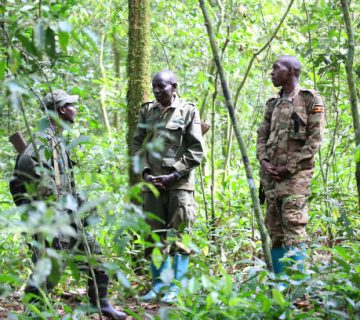
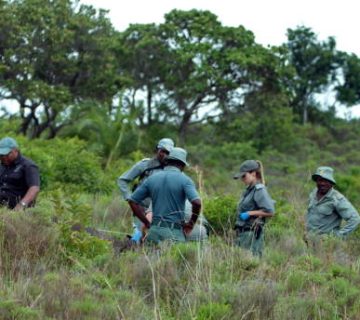
Conservancies also employ wildlife rangers and staff responsible for managing grazing areas.
For example, a young resident from a neighbouring Maasai community may train as a safari guide and eventually work at a conservancy-based lodge.
Employment provides household income while encouraging local participation in wildlife protection.
3. Tourism Revenue
Some conservancies collect fees from tourism businesses operating within their boundaries.
These payments may support land leases, ranger salaries, vehicle maintenance and community projects.
In areas where conservancies manage visitor access, tourism businesses may contribute through agreements connected to camp operations or guest stays.
The distribution of this revenue depends on the conservancy’s management structure.
4. Local Businesses
Safari tourism creates opportunities beyond direct employment.
Local residents may supply vegetables, meat, construction materials, laundry services or transport.
Women’s groups may sell beadwork and other handmade products.
These activities allow additional households to benefit from conservation-related tourism.
Maasai Mara Conservancies and Landowner Payments
The Maasai Mara is one of Kenya’s best-known examples of wildlife conservation involving private landowners.
The surrounding conservancies protect important habitats outside the Maasai Mara National Reserve.
These areas support wildlife movement and provide additional space for animals throughout the year.
The Maasai Mara Wildlife Conservancies Association represents a network of conservancies and promotes cooperation between participating landowners and tourism partners.
Its published information describes more than 15,000 landowners participating in member conservancies and substantial annual land lease payments.
Mara North Conservancy
Mara North Conservancy provides an example of landowners working with tourism businesses.
Established in 2009, it developed through agreements involving Maasai landowners and safari camp operators.
Participating tourism partners contribute to the conservancy’s financial arrangements, which support land lease payments and management operations.
The conservancy also works on livestock protection, grazing management and community development.
This approach allows wildlife tourism and pastoral livelihoods to operate within an agreed land management system.
Community Conservancies in Northern Kenya
Northern Kenya has developed conservancy models suited to extensive pastoral landscapes.
Communities depend heavily on livestock, making access to grazing land and water particularly important.
Organisations such as the Northern Rangelands Trust support community conservancies through conservation management, enterprise development and local governance.
These conservancies operate across areas that include parts of Samburu, Isiolo and other northern regions.
Their activities may include wildlife monitoring, community security, grazing management and tourism development.
Unlike the individual land lease model common in parts of the Maasai Mara, some northern conservancies focus more heavily on collective community benefits.
Comparing Conservancy Income Sources
Different conservancies generate revenue through different arrangements.
| Income Source | How It Works | Main Beneficiaries |
|---|---|---|
| Land lease payments | Landowners receive agreed payments for conservation land use | Participating landowners |
| Tourism fees | Safari businesses contribute towards conservancy operations | Conservancy and community |
| Employment | Residents work in lodges and conservation management | Employees and households |
| Local supplies | Businesses purchase goods and services locally | Farmers and small businesses |
| Community enterprises | Residents operate tourism-related businesses | Participating entrepreneurs |
| Conservation grants | Organisations fund approved projects | Conservancy programmes and communities |
Not every conservancy receives income from all these sources.
Before visiting, ask how the particular conservancy operates and distributes its revenue.
How Wildlife Conservation Benefits Landowners
Wild animals can create serious difficulties for communities.
Elephants may damage crops, predators may attack livestock and wildlife can compete with domestic animals for grazing resources.
These challenges can make conservation difficult when residents receive few benefits.
Conservancy programmes attempt to create economic reasons for protecting wildlife habitats.
If families receive reliable tourism income, they may have stronger incentives to maintain land that supports wildlife.
However, financial benefits alone cannot eliminate human-wildlife conflict.
Effective conservancies also require practical measures to reduce losses and address community concerns.
Grazing Management in Community Conservancies
Many Kenyan conservancies support pastoral communities whose livelihoods depend on cattle, goats and sheep.
Therefore, land conservation agreements must consider livestock management.
Some conservancies establish grazing plans that identify where livestock can graze during different seasons.
These arrangements may include designated grazing zones, temporary restrictions and coordinated pasture management.
In certain areas, communities use rotational grazing to help vegetation recover.
However, grazing restrictions can create disagreements when livestock owners require access to pasture during droughts.
Successful management depends on consultation, realistic rules and fair participation.
How Conservancies Protect Wildlife
Conservancies can contribute to wildlife protection through several practical activities.
These may include ranger patrols, wildlife monitoring, habitat management and efforts to reduce human-wildlife conflict.
Community rangers often work with relevant authorities when responding to security concerns or wildlife-related incidents.
Conservancies can also protect important movement routes between national parks and surrounding habitats.
For example, wildlife travelling between protected areas may depend on land used by communities.
Maintaining these routes helps animals move between feeding areas and seasonal habitats.
Challenges Facing Community Conservancies
Although conservancies can provide important benefits, they also face difficulties.
Unequal Distribution of Income
Some households may receive more financial benefits than others.
Landowners with larger eligible properties may earn more through lease agreements.
Residents without registered land may depend mainly on employment or community projects.
Transparent agreements and fair governance help address these differences.
Tourism Dependence
Conservancies that depend heavily on safari tourism may experience financial pressure when visitor numbers decline.
Reduced tourism income can affect operational budgets and community benefits.
Developing additional income sources may improve financial stability.
Land Ownership Disputes
Land ownership and inheritance arrangements can create disagreements.
Conservancies need clear agreements that identify participants, payment conditions and land management responsibilities.
Human-Wildlife Conflict
Wildlife can damage property and threaten livestock.
Conservancies must work with communities to reduce conflict and develop appropriate responses.
Without meaningful community participation, conservation agreements may struggle to maintain local support.
How Tourists Support Community Conservancies
Your choice of safari accommodation can influence how tourism revenue reaches local communities.
Some safari camps operate through agreements with conservancies and contribute towards landowner payments or management costs.
When booking, ask whether your accommodation pays conservancy fees and how those payments are used.
You can also choose locally guided activities and purchase products directly from community businesses.
However, you should avoid assuming that every property using the word “community” operates under genuine community ownership.
Ask for clear information about the relationship between the lodge, landowners and conservancy management.
Community Conservancies vs National Parks
Community conservancies and national parks both contribute to Kenya’s wildlife tourism industry, but their management arrangements differ.
| Feature | Community Conservancies | National Parks |
|---|---|---|
| Land ownership | Community or private arrangements | Generally government-managed protected areas |
| Management | Conservancy institutions and partners | Relevant government authorities |
| Tourism income | May include leases and conservancy fees | Park entrance and activity fees |
| Community participation | Often directly involved in governance | Varies by programme |
| Livestock grazing | May be permitted under agreed plans | Generally restricted |
| Visitor access | Depends on conservancy rules | Governed by park regulations |
Both approaches can contribute to protecting wildlife habitats.
In some landscapes, they work together by maintaining conservation areas beyond national park boundaries.
Questions to Ask Before Visiting a Conservancy
If supporting local communities is important to you, ask your safari operator:
Who owns the land where the conservancy operates?
Do local landowners receive lease payments?
How are conservancy fees distributed?
Does the safari camp employ residents from neighbouring communities?
Are community members represented in management decisions?
Which conservation projects receive tourism funding?
Can visitors participate in responsibly managed community activities?
A reliable operator should explain its relationship with the conservancy and provide reasonable information about local benefits.
Community conservancies in Kenya demonstrate how wildlife conservation can create economic opportunities for people living alongside wild animals.
Through land lease payments, tourism revenue, employment and local businesses, participating communities can earn income while protecting important wildlife habitats.
The Maasai Mara provides well-established examples of landowner lease arrangements, while northern Kenya has developed models focused on community management, grazing and shared development benefits.
However, conservancies differ considerably in their governance and financial arrangements.
When planning your safari, choose operators that communicate clearly about landowner payments, community participation and wildlife protection.
Your visit can then contribute to tourism arrangements that recognise the importance of both wildlife and the people sharing its habitat.


No comment