
Snare Removal Patrols: How Rangers Protect Chimpanzees in Uganda
Uganda is home to some of Africa’s most important chimpanzee populations. These intelligent primates live in tropical forests, where they search for food, build nests and care for their young. However, one of the greatest dangers they face is not always a natural predator. It is a simple wire trap left in the forest.
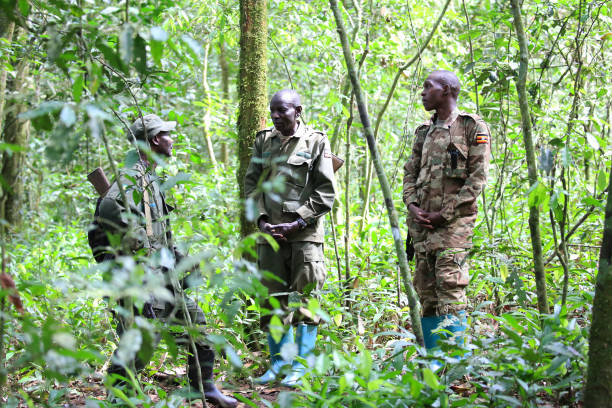
Snare removal patrols in Uganda help protect chimpanzees from injuries caused by traps intended for other wild animals. Wildlife rangers and conservation teams search forest areas, remove dangerous snares and monitor chimpanzees that may have been injured.
This work is especially important in places such as Kibale National Park and Budongo Forest, where chimpanzee conservation depends on protecting both the animals and their habitats.
Understanding how these patrols operate reveals an important side of wildlife conservation that safari visitors rarely see.
What Are Snares and Why Are They Dangerous?
A snare is a trap commonly made from wire or another strong material. Hunters sometimes place these traps in forests to catch animals such as duikers and bushpigs.
Although chimpanzees are not always the intended targets, they can accidentally become trapped while moving through the forest.
A snare may tighten around a chimpanzee’s hand, foot or another part of its body. As the animal struggles to escape, the wire can cause serious injuries.
Some chimpanzees manage to break free but remain injured. Others may lose fingers, hands or feet because of severe damage.
These injuries can affect their ability to climb trees, collect food and move safely through the forest.
Young chimpanzees are particularly vulnerable because they may not recognise dangerous objects on the forest floor.
For conservation teams, removing these traps before an animal encounters them is one of the most important preventive measures.
Why Snare Removal Patrols Matter in Uganda
Chimpanzees reproduce slowly, which makes every individual important to the long-term survival of a population.
A female chimpanzee normally gives birth to one infant after a lengthy pregnancy. She then spends several years caring for her young.
When an adult female becomes seriously injured or dies, her dependent offspring may also face difficulties.
Snare injuries can therefore affect more than one animal.
Uganda Wildlife Authority has identified snaring as a serious threat to chimpanzees. Research and conservation observations from forests such as Budongo have also documented animals living with permanent injuries.
Regular patrols help reduce these risks while providing information about illegal hunting activities.
Their work supports wider efforts to protect Uganda’s forest wildlife.
Where Do Snare Removal Patrols Take Place?
Several Ugandan forests support chimpanzee populations and require continued protection.
| Forest or protected area | Chimpanzee conservation importance | Main protection activities |
|---|---|---|
| Kibale National Park | Important habitat for wild chimpanzees | Ranger patrols, monitoring and habitat protection |
| Budongo Forest | Known for long-term chimpanzee research | Snare removal, research and chimpanzee monitoring |
| Kalinzu Forest | Supports chimpanzees and other primates | Forest protection and wildlife monitoring |
| Bugoma Forest | Important chimpanzee habitat outside the main national parks | Habitat conservation and community engagement |
| Kyambura Gorge | Small forest habitat within Queen Elizabeth National Park | Wildlife monitoring and protected-area management |
The type and frequency of patrols differ between locations.
National park rangers, forestry authorities, researchers and conservation organisations may have different responsibilities depending on the area’s management arrangements.
How Rangers Conduct Snare Removal Patrols
Preparing Before Entering the Forest
A patrol usually begins with preparation.
Rangers review their assignments, check equipment and discuss any wildlife incidents that have been reported.
They may consider information from previous patrols, researchers or local communities.
A typical patrol team may carry communication equipment, navigation tools, protective clothing and basic medical supplies.
Team members also prepare for changing weather, difficult terrain and possible encounters with wild animals.
Safety is essential because forest patrols can involve long walks through remote areas.
Searching for Dangerous Traps
Once inside the forest, trained personnel examine areas where illegal hunting activity has been reported or suspected.
They look for signs of human disturbance and objects that threaten wildlife.
An important part of this work is recognising that snares can be difficult to see.
Vegetation, fallen leaves and poor lighting may hide traps from both wildlife and people.
Rangers must therefore remain attentive throughout the patrol.
Their objective is to identify hazards before an animal becomes trapped.
Removing and Recording Snares
When a snare is discovered, authorised personnel assess the situation and remove it using appropriate safety procedures.
The team may record the discovery as part of its conservation monitoring.
Such records help wildlife managers understand where threats are occurring and whether further protection is necessary.
Removed materials are handled according to the relevant authority’s procedures.
However, discovering many snares does not automatically mean a patrol has succeeded in reducing illegal hunting.
Conservation teams must also examine whether new traps continue appearing and whether injuries to wildlife are decreasing.
What Happens When Rangers Find an Injured Chimpanzee?
Finding an injured chimpanzee requires careful judgement.
Unlike domestic animals, wild chimpanzees cannot simply be approached and treated without considering serious risks.
They are powerful animals that may become frightened or defensive when approached.
Rangers first assess the situation from a safe distance and report the injury to the appropriate wildlife authorities.
Veterinary professionals may then determine whether intervention is necessary and possible.
Veterinary Treatment
An injured chimpanzee may require specialist medical attention.
Depending on the circumstances, treatment might involve removing attached material, managing wounds or addressing infection.
Any intervention must be carefully planned by authorised wildlife veterinary personnel.
Sedation is sometimes necessary, but it carries risks and is not suitable in every situation.
The animal’s health, age, location and social circumstances influence decisions.
Monitoring Recovery
Even after treatment, a chimpanzee may need continued observation.
Researchers and field teams can monitor how the animal moves, feeds and interacts with other chimpanzees.
Some individuals recover sufficiently to continue living within their communities.
Others may experience permanent disabilities.
In Budongo Forest, researchers have documented chimpanzees living with injuries caused by snares.
These observations demonstrate why preventing injuries is often better than attempting treatment afterwards.
Why Are Snares Still Found in Ugandan Forests?
Snare removal patrols address an immediate danger, but the reasons people set traps can be more complicated.
Some communities living near forests face limited employment opportunities and depend partly on natural resources.
Illegal hunting may be linked to household income, food needs or commercial demand for bushmeat.
However, these circumstances do not make illegal hunting harmless or acceptable.
Snares can injure many species, including animals that hunters never intended to catch.
Conservation efforts must therefore combine law enforcement with practical community support.
Education, alternative livelihoods and constructive relationships between protected-area managers and neighbouring residents can help reduce pressure on wildlife.
The Role of Local Communities in Chimpanzee Protection
People living near chimpanzee habitats can play an important role in conservation.
Community members often understand local landscapes, seasonal changes and the challenges households face.
When conservation organisations maintain good relationships with communities, residents may become more willing to report wildlife threats.
Some conservation programmes support employment, environmental education and alternative income activities.
These opportunities can help people benefit from protecting forests.
For example, tourism can create work for guides, drivers, accommodation staff and other service providers.
Community-based enterprises may also provide income that does not depend on illegal hunting.
However, tourism benefits must be shared fairly if conservation is to maintain local support.
Protecting chimpanzees becomes more sustainable when nearby communities see genuine value in keeping forests healthy.
How Snare Removal Supports Other Wildlife
Although chimpanzees are a major concern, they are not the only animals threatened by wire traps.
Forest antelopes, bushpigs and other mammals can also suffer injuries or death.
Removing snares therefore provides wider protection for the forest.
| Wildlife group | Possible effect of snares | Conservation benefit of removal |
|---|---|---|
| Chimpanzees | Severe limb injuries and disability | Reduced risk of accidental trapping |
| Duikers | Injury or death | Better protection against illegal capture |
| Bushpigs | Serious injuries | Reduced trapping pressure |
| Other forest mammals | Accidental entanglement | Safer movement through habitats |
| Young animals | Greater vulnerability to hidden traps | Reduced risk during movement and feeding |
A forest with fewer dangerous traps is safer for several species, not only its chimpanzees.
Challenges Facing Wildlife Rangers
Difficult Forest Conditions
Uganda’s tropical forests can be physically demanding places to work.
Heavy rainfall, muddy paths and thick vegetation make patrols tiring.
Some areas are difficult to reach, particularly during wet weather.
Rangers may spend many hours walking while carrying necessary equipment.
Limited Resources
Effective conservation requires trained staff, reliable transport, communications equipment and continuing financial support.
Where resources are limited, maintaining regular protection activities becomes harder.
Equipment also needs maintenance, while personnel require ongoing training.
Repeated Illegal Hunting
A major challenge is that removed snares can be replaced.
A patrol may clear a particular area, only for new traps to appear later.
This is why long-term monitoring and action against illegal hunting are essential.
Snare removal alone cannot solve every problem affecting chimpanzees.
How Do Conservation Teams Measure Success?
The number of snares collected is one useful measure, but it does not tell the whole story.
Conservation managers also need to understand whether their activities are reducing harm to wildlife.
Important measures may include:
Changes in reported snare injuries among chimpanzees.
Evidence of repeated illegal hunting in monitored areas.
The condition and survival of injured chimpanzees.
Changes in community participation in conservation.
The effectiveness of wildlife protection partnerships.
The ability to maintain patrols over several years.
These measures help distinguish short-term activity from lasting improvements.
An effective programme aims to reduce the need for repeated snare removal by addressing the causes of illegal hunting.
Can Safari Visitors Join Snare Removal Patrols?
Most operational anti-poaching patrols are not ordinary tourist activities.
They may involve safety risks, sensitive information and law-enforcement responsibilities.
Visitors should never attempt to locate, handle or remove snares themselves.
However, tourists can still support chimpanzee conservation through responsible travel.
Chimpanzee tracking experiences in authorised locations help generate revenue for wildlife management and related services.
Visitors can also choose operators that respect park regulations and support local conservation initiatives.
During a chimpanzee tracking experience, tourists should follow their guide’s instructions, maintain the required distance and avoid disturbing the animals.
Reporting suspicious objects to a ranger is more appropriate than attempting to handle them.
How Responsible Tourism Helps Protect Chimpanzees
Wildlife tourism can provide an economic reason to conserve forests.
When visitors travel to see chimpanzees, their spending supports a range of services.
These may include protected-area management, accommodation, guiding and local employment.
However, not every payment made during a safari goes directly towards conservation.
Travellers interested in responsible tourism can ask their operators how park fees are handled and whether the company supports specific conservation activities.
They can also consider businesses employing local residents and following wildlife protection guidelines.
Tourism is most valuable when its benefits support both protected areas and neighbouring communities.
The Future of Snare Removal Patrols in Uganda
Protecting chimpanzees will require continued cooperation between rangers, researchers, conservation organisations and local communities.
Better monitoring can help identify changing threats.
Wildlife veterinary support remains important for animals that suffer injuries.
Education can improve public understanding of why snares are dangerous, even when chimpanzees are not the intended targets.
Long-term community partnerships can also help address the economic pressures associated with illegal hunting.
No single activity will completely remove the threat.
However, regular protection work, combined with broader conservation measures, can make Uganda’s forests safer.
Snare removal patrols in Uganda are an important part of protecting wild chimpanzees.
Rangers and conservation teams work to identify dangerous traps, prevent injuries and support monitoring of threatened wildlife.
Their efforts help protect animals that may otherwise suffer permanent disabilities or death.
Yet successful chimpanzee conservation involves more than removing wire from the forest. It also requires habitat protection, wildlife law enforcement and cooperation with neighbouring communities.
For travellers visiting Uganda, understanding this work adds meaning to a chimpanzee tracking experience.
Behind every peaceful encounter with chimpanzees is the continuing effort of people working to keep these remarkable animals safe.



No comment