
A Day With Wildlife Rangers on Patrol
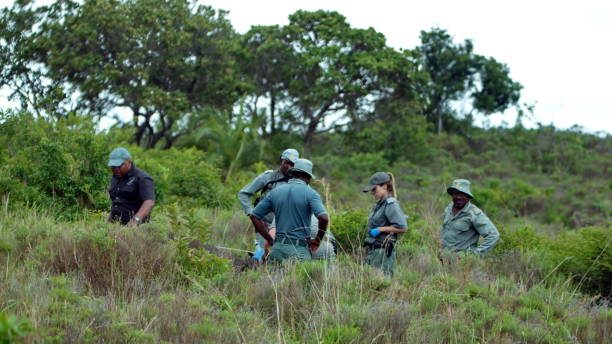
A day with wildlife rangers on patrol reveals the demanding work involved in protecting Africa’s national parks, wildlife reserves and conservation areas. While tourists enjoy watching elephants, lions, giraffes and other animals, rangers work throughout the year to protect these species and their habitats.
Wildlife rangers are responsible for much more than preventing poaching. Their duties include monitoring animal populations, removing illegal traps, protecting park boundaries, assisting visitors and responding to conflicts between people and wild animals.
In countries such as Uganda, Kenya and Tanzania, rangers often work in remote environments where weather, terrain and wildlife movements create daily challenges.
Some patrols involve walking through forests, while others require travelling across open savannah or monitoring sensitive conservation areas.
Understanding what wildlife rangers do helps travellers appreciate the people responsible for protecting Africa’s wildlife.
This article describes a typical ranger patrol, the equipment used, common challenges and how conservation programmes support ranger operations.
What Do Wildlife Rangers Do?
Wildlife rangers are trained personnel responsible for protecting wildlife and helping manage conservation areas.
Their duties vary according to the organisation, protected area and assigned responsibilities.
In Uganda, the Uganda Wildlife Authority employs rangers who work in national parks and wildlife reserves.
Kenya Wildlife Service and Tanzania National Parks Authority also maintain ranger teams responsible for conservation and wildlife protection.
Common responsibilities include:
Monitoring wildlife populations.
Detecting illegal hunting and poaching.
Identifying and reporting snares.
Protecting conservation boundaries.
Responding to wildlife emergencies.
Supporting conservation research.
Assisting with visitor safety.
Working with neighbouring communities.
Some rangers specialise in tourism activities, while others focus on law enforcement or ecological monitoring.
Early Morning: Preparing for Patrol
A ranger’s working day may begin before sunrise.
The exact starting time depends on operational requirements, weather conditions and assigned duties.
Before entering the field, the team receives instructions from its supervisors.
These may include wildlife monitoring priorities, safety concerns and areas requiring inspection.
Rangers also check their equipment.
Equipment Used During Patrols
| Equipment | Main Purpose |
|---|---|
| Radio | Communication with authorised personnel |
| GPS device | Navigation and recording observations |
| Binoculars | Observing wildlife from a distance |
| First-aid kit | Initial response to injuries |
| Drinking water | Preventing dehydration |
| Protective boots | Walking across difficult terrain |
| Notebook or digital device | Recording field observations |
| Appropriate protective equipment | Supporting ranger safety |
Equipment varies between teams.
Rangers involved in law enforcement may carry additional authorised protective equipment.
Visitors should never expect access to sensitive patrol plans or security arrangements.
Morning Patrol: Entering the Conservation Area
Once preparations are complete, the team begins its assigned work.
Some patrols take place on foot, while others use vehicles or boats.
Walking patrols allow rangers to observe details that may be difficult to notice from a vehicle.
These include animal tracks, damaged vegetation and signs of human activity.
Rangers must remain alert because they may encounter dangerous wildlife.
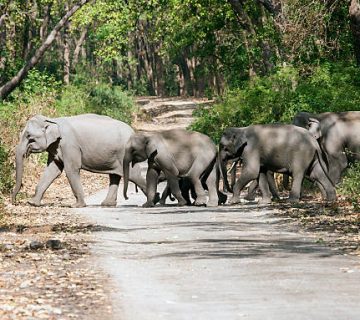
Elephants, buffaloes and other large animals require considerable space.
Trained personnel understand how to respond to animal behaviour and when to change direction.
A patrol does not involve approaching every animal encountered.
Safety and conservation responsibilities determine the team’s actions.
Monitoring Wildlife Populations
Wildlife monitoring is an important part of ranger work.
Conservation authorities need reliable information about animal populations and their movements.
During patrols, rangers may record sightings of particular species.
For example, a team working in Queen Elizabeth National Park might observe elephants, buffaloes or Uganda kobs.
Rangers can record information about animal numbers, locations and visible health conditions.
These observations contribute to conservation records.
However, individual sightings do not provide complete population estimates.
Wildlife authorities also use organised surveys, scientific studies and other monitoring methods.
Observing Animal Behaviour
Rangers learn to recognise normal wildlife behaviour.
Changes in movement, feeding or physical condition may indicate problems.
For example, an injured elephant may require assessment by authorised veterinary personnel.
A ranger can report the observation and provide relevant information.
Specialist teams then determine whether intervention is appropriate.
Searching for Illegal Snares and Traps
Illegal hunting remains a threat to wildlife in several East African conservation areas.
Snares are particularly dangerous because they may injure animals that were not deliberately targeted.
Rangers search for evidence of illegal activity during their assigned patrols.
When they encounter suspicious materials, they follow established reporting and removal procedures.
An animal caught in a snare may require veterinary assistance.
Rangers should avoid interventions beyond their training and authority.
Why Snares Are Dangerous
Snares can cause severe injuries to wildlife.
Animals may suffer wounds, infections or restricted movement.
Some animals die from injuries or become vulnerable to predators.
Removing illegal traps helps reduce these risks.
However, removing a snare does not automatically identify the people responsible for placing it.
Wildlife law enforcement may require additional investigation.
Mid-Morning: Recording Conservation Information
Accurate records are essential for wildlife management.
Rangers document relevant observations according to their organisation’s procedures.
These may include animal sightings, habitat changes, illegal activities and wildlife-related incidents.
Digital monitoring systems can help conservation authorities organise information collected in the field.
For example, repeated observations of damaged vegetation may indicate an area requiring further ecological assessment.
Information collected by rangers can support conservation planning and scientific research.
Working in Different Environments
Ranger patrols differ considerably between forests, savannahs and wetlands.
Forest Patrols
In places such as Bwindi Impenetrable National Park and Kibale National Park, dense vegetation can make movement difficult.
Forest rangers may encounter steep slopes, muddy trails and limited visibility.
Their work may include monitoring sensitive habitats and supporting the protection of primates.
Savannah Patrols
In Murchison Falls, Queen Elizabeth and Kidepo Valley national parks, rangers operate across extensive grasslands and woodland habitats.
Wildlife may be visible over longer distances, but the terrain can still present challenges.
Wetland Patrols
Some protected areas contain rivers, lakes and wetlands.
Monitoring these environments may require boats or specialised equipment.
Water levels and weather conditions influence patrol arrangements.
Common Challenges Faced by Wildlife Rangers
Wildlife protection can be physically demanding and sometimes dangerous.
| Challenge | Possible Effect |
|---|---|
| Difficult terrain | Slower movement and physical exhaustion |
| Extreme weather | Heat exposure and reduced visibility |
| Dangerous animals | Risk of injury |
| Remote locations | Limited immediate assistance |
| Illegal hunting | Potential security threats |
| Equipment problems | Reduced operational efficiency |
| Human-wildlife conflict | Difficult community situations |
Training and preparation help reduce these risks.
However, no patrol can eliminate every danger.
Afternoon: Responding to Wildlife Incidents
Not every ranger patrol follows a predictable schedule.
An unexpected incident may require the team to change its assigned activities.
For example, residents near a national park may report elephants entering farmland.
Wildlife authorities may send trained personnel to assess the situation.
Rangers must consider the safety of residents and animals.
The response depends on the species involved, available resources and local conditions.
Human-Wildlife Conflict
Communities living near protected areas sometimes experience crop damage or livestock losses.
Rangers may support community conservation teams responding to these incidents.
Their work can involve recording damage, advising residents and coordinating with authorised wildlife personnel.
Conservation authorities may also introduce preventive measures such as approved fencing or community monitoring programmes.
Working With Local Communities
Wildlife conservation depends partly on cooperation with people living near protected areas.
Rangers and community conservation officers may participate in discussions with residents about wildlife-related concerns.
These activities help explain conservation regulations and improve communication.
Community members can also provide valuable information about wildlife movements and illegal activities.
However, trust requires consistent engagement.
People experiencing crop losses or other wildlife-related problems need practical responses to their concerns.
How Rangers Protect Endangered Animals
Some wildlife species require particularly intensive protection.
Mountain gorillas, rhinos and other threatened animals may receive specialised monitoring.
In Uganda, conservation personnel help protect mountain gorillas within their natural habitats.
Rhino conservation programmes also depend on trained personnel responsible for monitoring animals and maintaining security.
In Kenya, rangers contribute to the protection of black and white rhinos in national parks and conservancies.
Protecting threatened species requires long-term cooperation between rangers, researchers, veterinary professionals and conservation managers.
Returning From Patrol
At the end of an assigned patrol, rangers return to their designated reporting location.
They may inspect equipment, submit observations and report incidents requiring follow-up.
Field information helps supervisors understand what happened during the patrol.
A team may report wildlife sightings, habitat concerns or evidence of illegal activity.
Relevant information can then be reviewed and incorporated into conservation management decisions.
Some assignments require overnight field operations, while others follow scheduled shifts.
The exact working pattern varies between protected areas.
Can Tourists Join Wildlife Rangers on Patrol?
Ordinary tourists generally cannot accompany law-enforcement or sensitive anti-poaching patrols.
These activities involve security responsibilities and potential dangers.
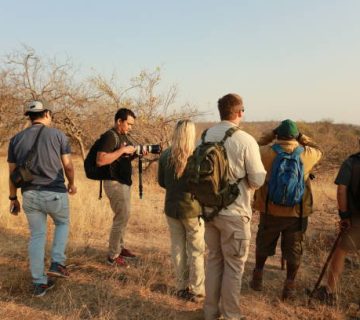
However, some conservation organisations offer approved educational visits or ranger-led conservation experiences.
Such activities are different from operational security patrols.
If you are interested in learning about ranger work, ask your safari operator whether an authorised educational programme is available.
Never attempt to follow rangers into restricted areas without permission.
Questions to Ask Before Booking
Before arranging a ranger-related experience, confirm:
Whether the activity is officially authorised.
Whether visitors participate in observation or practical conservation work.
How long the activity lasts.
Any age or fitness requirements.
Safety rules and restrictions.
Whether conservation fees are included.
Responsible operators should clearly explain what visitors are permitted to do.
How Safari Tourism Supports Wildlife Rangers
Safari tourism contributes revenue to protected-area management.
Park entrance fees, wildlife permits and related activities help wildlife authorities finance their responsibilities.
These responsibilities may include ranger employment, equipment, monitoring and conservation programmes.
However, the distribution of revenue varies between organisations and destinations.
Some private conservancies also receive tourism income that supports ranger teams.
Travellers interested in supporting wildlife protection can ask operators about their conservation contributions.
What Travellers Can Learn From Rangers
Rangers possess practical knowledge of wildlife behaviour, habitats and conservation challenges.
Their experience comes from regular work in natural environments.
Visitors can learn about animal tracks, habitat management, wildlife monitoring and the difficulties of protecting endangered species.
You may also gain a better understanding of how conservation affects neighbouring communities.
Respectful conversations with authorised guides and conservation staff can make wildlife viewing more informative.
A day with wildlife rangers on patrol involves preparation, observation, physical effort and important conservation responsibilities.
Rangers monitor animals, identify threats, support wildlife protection and help manage interactions between people and wildlife.
Their work continues throughout the year, including periods when tourist numbers are low.
Although visitors usually see only a small part of these activities, ranger operations remain essential to protecting East Africa’s national parks and wildlife reserves.
Supporting responsible tourism and respecting conservation regulations are practical ways to recognise the work involved in protecting wildlife.



No comment