
Camera Insurance and Customs Declarations for Gear Entering East Africa
Camera insurance and customs declarations for East African safaris are important considerations for travellers carrying expensive photography equipment into Uganda, Kenya, Tanzania and Rwanda. These countries provide exceptional opportunities to photograph mountain gorillas, lions, elephants, leopards, birds and beautiful landscapes.
Many photographers travel with mirrorless cameras, professional lenses, tripods, drones, laptops and other valuable equipment. Although these items are useful for wildlife photography, they can create financial and administrative challenges if travellers do not prepare properly.
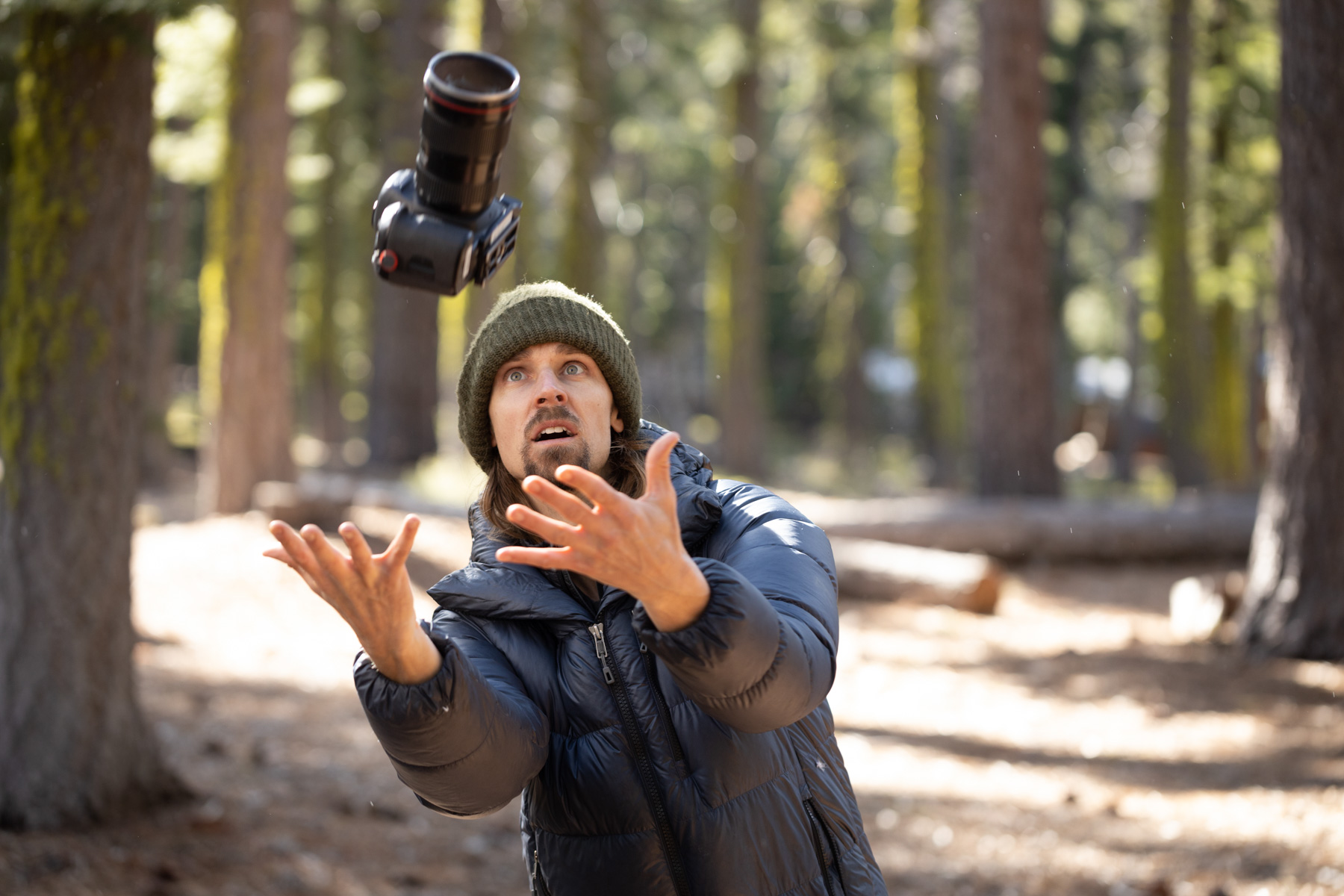
A camera may be damaged during a bumpy game drive, a lens may be stolen, or expensive equipment may attract questions during airport customs inspections.
Personal camera equipment and professional filming equipment can also receive different customs treatment. Some equipment may qualify for temporary admission, while commercial productions may require additional declarations, bonds and filming permits.
Understanding these arrangements before departure helps travellers avoid unnecessary delays and protect their investment.
This guide explains camera insurance, customs declarations, equipment documentation and practical precautions for photographers entering East Africa.
Why Camera Insurance Matters on Safari
Wildlife photography frequently takes place in demanding environments.
Dust, rainfall, vehicle movement and remote locations can expose equipment to risks not normally encountered at home.
Common Camera Equipment Risks
| Risk | Possible consequence |
|---|---|
| Camera theft | Financial loss |
| Accidental drops | Damaged camera body or lens |
| Rain exposure | Electronic failure |
| Dust | Contaminated equipment |
| Vehicle movement | Impact damage |
| Lost luggage | Missing accessories |
| Water accidents | Damaged photographic equipment |
Camera insurance can reduce financial losses, but the protection depends on the policy’s terms and exclusions.
Travel Insurance vs Specialist Camera Insurance
Ordinary travel insurance sometimes includes personal belongings and electronic equipment.
However, expensive cameras and professional lenses may exceed the maximum amount payable for a single item.
Insurance Comparison
| Feature | Travel insurance | Specialist camera insurance |
|---|---|---|
| General personal belongings | Commonly covered | Usually not the main purpose |
| Expensive camera bodies | Often subject to limits | May offer higher insured values |
| Multiple lenses | Depends on policy | Can often be scheduled separately |
| Accidental damage | Policy-dependent | Often available |
| Theft | Subject to conditions | Subject to conditions |
| Professional use | Often restricted | May be available |
| International coverage | Varies | Varies |
Travellers should compare the actual policy wording rather than assuming one insurance category is automatically better.
What Should Camera Insurance Cover?
A suitable policy should reflect the equipment being carried and the activities planned.
Important Coverage Features
Theft and accidental damage.
International travel protection.
Individual camera and lens values.
Protection during transport.
Coverage during professional work, if applicable.
Clear claims procedures.
Suitable excess or deductible amounts.
Check whether the insurer covers equipment taken on boats, hiking trails and open safari vehicles.
Common Camera Insurance Exclusions
Insurance does not cover every situation.
Some policies exclude unattended equipment, unexplained disappearance or damage arising from inadequate precautions.
Exclusions to Check
| Situation | Possible insurance restriction |
|---|---|
| Camera left unattended | Theft claim may be rejected |
| Equipment stolen from a vehicle | Security conditions may apply |
| Professional photography | May require specialist cover |
| Water damage | Not always included |
| Lost memory cards | Data may be excluded |
| Wear and tear | Commonly excluded |
| Unreported theft | Police report may be required |
Before travelling, confirm whether your insurer requires cameras to remain in your possession or secured in approved storage.
How Much Equipment Should You Insure?
The insured value should reflect the policy’s valuation rules and the realistic cost of replacing covered equipment.
Example Photography Equipment Inventory
| Equipment | Illustrative value |
|---|---|
| Mirrorless camera body | $1,500 |
| Telephoto lens | $2,000 |
| Wide-angle lens | $800 |
| Camera accessories | $300 |
| Tripod | $200 |
| Total equipment value | $4,800 |
These amounts are examples, not current retail prices.
Create a complete equipment inventory before requesting insurance quotations.
What Are Customs Declarations?
A customs declaration informs border authorities about goods a traveller is bringing into or taking out of a country.
It helps officials determine whether items qualify as personal belongings, temporary imports or goods requiring customs procedures.
Carrying a camera does not automatically mean import duty is payable.
However, valuable or professional equipment may require additional documentation.
Personal Camera Equipment vs Professional Filming Gear
Customs authorities may distinguish ordinary tourist belongings from commercial production equipment.
Equipment Classification
| Equipment | Typical consideration |
|---|---|
| Personal smartphone | Ordinary personal effect |
| One personal camera | Often treated as personal equipment |
| Personal binoculars | Generally personal travel equipment |
| Multiple professional camera bodies | May require clarification |
| Large collection of lenses | May attract customs questions |
| Commercial video equipment | May require temporary-import procedures |
| Drone | Separate aviation and customs requirements may apply |
Classification depends on the country, purpose, quantity and circumstances of importation.
Customs Rules for Camera Equipment in Uganda
Uganda’s Revenue Authority provides customs rules for passenger baggage and personal effects.
Equipment genuinely intended for personal use may qualify for applicable passenger concessions.
Professional filming equipment can require a formal temporary-import process, potentially involving a customs bond and re-export documentation.
Uganda Customs Preparation
Prepare a camera equipment inventory.
Record serial numbers.
Carry proof of ownership.
Declare equipment when required.
Arrange commercial filming procedures in advance.
Retain customs documents until departure.
For commercial productions, confirm arrangements before arriving at Entebbe International Airport.
Camera Customs Declarations in Kenya
Kenya permits qualifying tourists to bring personal belongings intended for use during their visit and subsequent re-export.
However, temporary importation of professional filming equipment can involve customs clearance, security arrangements and additional permits.
Kenya Camera Equipment Checklist
| Item | Recommended preparation |
|---|---|
| Personal camera | Carry ownership details |
| Expensive lenses | Record serial numbers |
| Professional filming kit | Confirm temporary importation |
| Commercial production | Check filming permits |
| Drone | Verify all required approvals |
| Equipment leaving Kenya | Retain applicable customs documents |
Travellers should not assume that all professional equipment qualifies for the same treatment as an ordinary tourist camera.
Customs Procedures in Tanzania
Tanzania’s official consular guidance identifies personal-use cameras and binoculars among items that visitors may bring without import duty.
However, customs bonds may be required for certain video and filming equipment.
Tanzania Photography Equipment Preparation
Confirm whether the equipment is personal or commercial.
Prepare an inventory.
Keep purchase records available.
Ask about temporary-import documentation.
Retain proof of re-export where required.
Professional photographers visiting the Serengeti, Ngorongoro or other destinations should confirm whether their planned activities require additional filming authorisation.
Camera Customs Rules in Rwanda
Rwanda’s customs system provides allowances for qualifying personal luggage and personal effects.
Travellers must comply with applicable declaration procedures when arriving or departing.
Professional equipment may require assessment beyond ordinary passenger baggage arrangements.
Rwanda Customs Checklist
Record valuable camera equipment.
Carry proof of ownership.
Declare items when required.
Confirm temporary admission for commercial equipment.
Check additional permissions for filming.
Keep customs documentation available when leaving the country.
Visitors photographing gorillas in Volcanoes National Park should also follow the park’s separate conservation and photography rules.
What Is Temporary Importation?
Temporary importation allows qualifying equipment to enter a country for a limited period with the intention of taking it out again.
It may involve a declaration, security bond, customs documentation or other approval.
The procedures are not identical across East African countries.
Temporary Importation Checklist
| Requirement | Purpose |
|---|---|
| Equipment inventory | Identifies imported items |
| Serial numbers | Establishes equipment identity |
| Declared values | Supports customs assessment |
| Temporary admission documents | Records import conditions |
| Security bond, if required | Secures customs obligations |
| Re-export confirmation | Shows equipment left the country |
Ask the appropriate customs authority whether your equipment qualifies before travelling.
Do You Need an ATA Carnet?
An ATA Carnet is an international customs document used for temporary admission of qualifying goods in participating jurisdictions.
However, it is not automatically accepted for every destination, equipment category or purpose.
Travellers must check whether the specific East African country accepts the document for the intended equipment and whether additional permits are necessary.
Do not purchase a Carnet assuming it replaces every customs requirement.
Preparing a Camera Equipment Inventory
An equipment inventory helps with customs enquiries, insurance claims and identifying missing belongings.
Example Equipment Register
| Item | Model | Serial number | Value |
|---|---|---|---|
| Camera body | Mirrorless camera | Record number | Record value |
| Telephoto lens | 100–400 mm | Record number | Record value |
| Wide-angle lens | 16–35 mm | Record number | Record value |
| Laptop | Personal computer | Record number | Record value |
| Tripod | Travel tripod | Model details | Record value |
Keep digital and printed copies of the inventory.
Photographs of equipment and purchase receipts provide additional evidence of ownership.
What About Drones?
Drones require special attention because aviation rules are separate from ordinary camera customs arrangements.
Rwanda, for example, requires arriving drones to be declared, and operation involves aviation registration and authorisation requirements.
Other East African countries also regulate drone importation and use.
Never assume that permission to carry a drone automatically permits flying it inside a national park.
Filming Permits for Commercial Projects
Commercial documentaries, advertising productions and other professional filming activities may require permits.
In Kenya, for example, the Kenya Film Classification Board administers filming licences for qualifying productions.
National park filming permissions may be separate from national production authorisations.
Professional Filming Preparation
Confirm the filming purpose.
Identify the required permits.
Prepare an equipment inventory.
Arrange temporary importation.
Confirm authorised filming locations.
Check drone restrictions.
Secure suitable commercial insurance.
Begin these arrangements well before departure.
Protecting Equipment During Game Drives
Insurance is important, but preventing damage remains the best approach.
Camera Safety Precautions
Use padded camera bags.
Secure equipment inside vehicles.
Avoid unnecessary lens changes in dusty conditions.
Protect cameras from rainfall.
Never leave expensive gear unattended.
Carry spare memory cards.
Back up photographs regularly.
A careful equipment routine can prevent avoidable damage and inconvenience.
What to Do if Your Camera Is Stolen
Theft requires prompt action, particularly when insurance claims depend on supporting documents.
Recommended Steps
Move to a safe location.
Inform your safari operator or accommodation manager.
Report the theft to local police.
Request an official report.
Contact your insurer.
Provide equipment serial numbers and proof of ownership.
Preserve relevant receipts and correspondence.
Do not confront suspected thieves or place yourself in danger to recover equipment.
Making an Insurance Claim
Insurance claims usually require evidence.
Common Supporting Documents
| Document | Purpose |
|---|---|
| Insurance policy | Confirms coverage |
| Purchase receipt | Supports ownership and value |
| Equipment inventory | Identifies affected items |
| Police report | Supports theft claims |
| Repair quotation | Documents damage |
| Photographs | Shows equipment condition |
| Travel itinerary | Establishes circumstances |
Notify the insurer within the required reporting period.
Common Customs and Insurance Mistakes
Travellers sometimes assume that every camera qualifies automatically as a duty-free personal item.
Others bring commercial equipment without arranging the necessary documents.
Avoid travelling with undocumented professional gear, ignoring insurance exclusions or failing to retain temporary-import paperwork.
Never undervalue equipment or provide misleading customs information.
Frequently Asked Questions
Do Tourists Have to Declare Cameras in East Africa?
Ordinary personal cameras may qualify for passenger allowances, but declaration obligations depend on the country and circumstances. Professional equipment may require additional procedures.
Does Travel Insurance Cover Expensive Camera Lenses?
Sometimes, but single-item limits and exclusions may restrict compensation. Check the policy before departure.
Can I Bring Multiple Cameras Into Uganda or Kenya?
Potentially, yes. However, a large or professional equipment collection may require additional customs assessment.
Is Drone Insurance Enough to Fly in National Parks?
No. Aviation and national park permissions are separate from insurance.
Should I Carry Camera Purchase Receipts?
Yes. Receipts and serial numbers are useful for insurance and customs verification.
Protecting Camera Gear Entering East Africa
Camera insurance and customs preparation are important parts of planning a photography safari.
Uganda, Kenya, Tanzania and Rwanda provide extraordinary wildlife experiences, but expensive equipment requires careful financial protection and accurate travel documentation.
Personal cameras may receive simpler customs treatment than professional production equipment, while commercial filming and drones can involve additional permissions.
The best preparation is to insure equipment appropriately, record serial numbers, confirm customs requirements before departure and retain documentation until returning home.
These precautions allow photographers to concentrate on capturing wildlife rather than worrying about avoidable administrative problems.

No comment