
Layering for Cold Mornings and Evening Game Drives: What to Wear on Safari
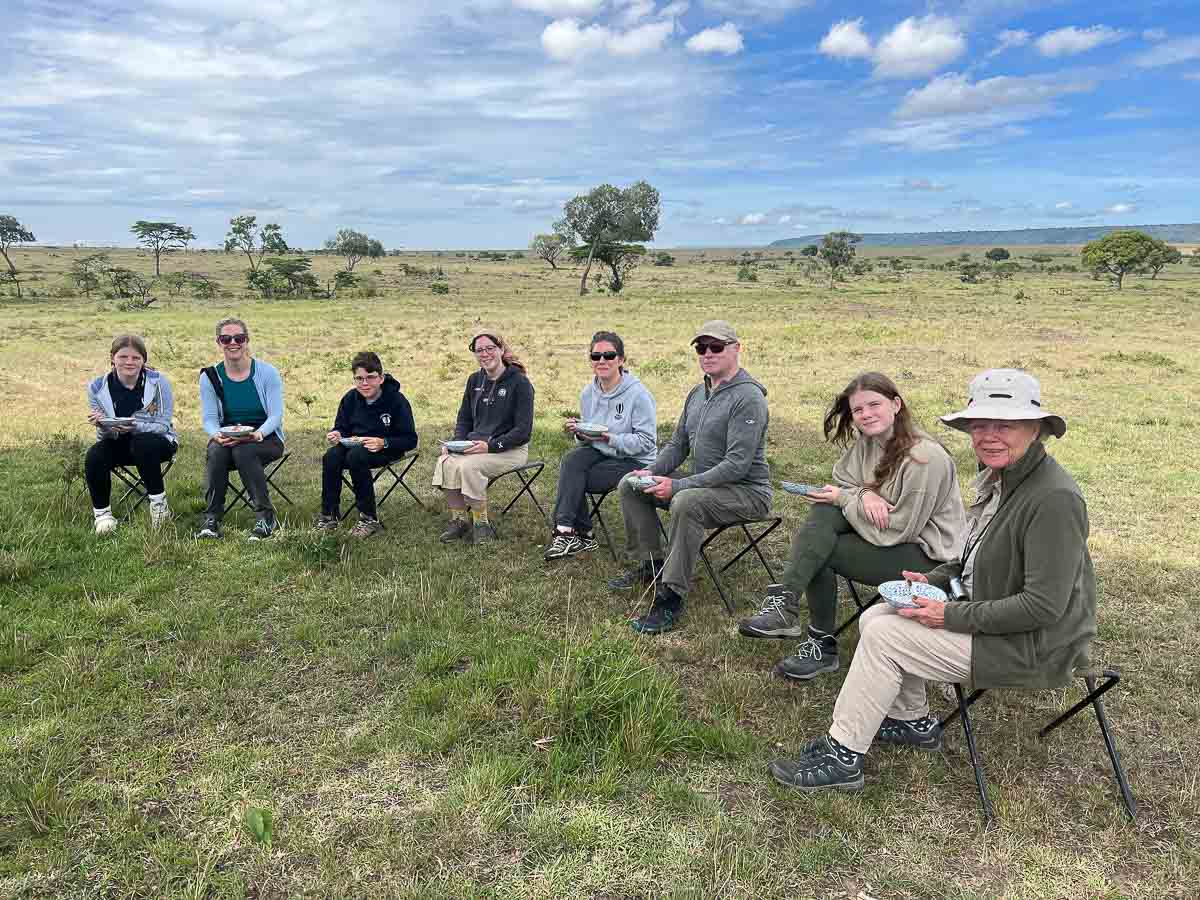
Layering for cold mornings and evening game drives is an important part of preparing for an African safari in Uganda, Kenya, Tanzania and Rwanda. Although East Africa is often associated with warm sunshine, temperatures can feel surprisingly cold during early morning wildlife drives, particularly in open safari vehicles and high-altitude destinations.
Many safari activities begin before sunrise, when the air is cooler and wind can make temperatures feel lower. Travellers exploring Kenya’s Maasai Mara, Tanzania’s Ngorongoro Crater, Uganda’s Kidepo Valley or Rwanda’s Akagera National Park may experience chilly mornings followed by warm afternoons.
This changing weather creates a common packing challenge. Heavy jackets can become uncomfortable once the sun rises, while light clothing may provide insufficient warmth during early departures.
The solution is layering: wearing several pieces of clothing that can be added or removed as conditions change.
A practical safari layering system usually includes a comfortable base layer, an insulating middle layer and an outer jacket for wind or rain.
This guide explains how to dress for cold game drives, choose suitable fabrics and stay comfortable throughout changing East African safari conditions.
Why Can African Safari Mornings Be Cold?
Temperatures in East Africa vary considerably according to altitude, season, landscape and time of day.
Even destinations with warm afternoon temperatures may experience cooler conditions before sunrise.
Factors Affecting Safari Temperatures
| Factor | How it affects comfort |
|---|---|
| Early morning departures | Temperatures may be near their daily minimum |
| High altitude | Often produces cooler conditions |
| Open safari vehicles | Wind increases heat loss |
| Dry-season nights | Some regions experience large temperature changes |
| Cloud cover | Can limit daytime warming |
| Rainfall | Wet clothing increases discomfort |
| Vehicle movement | Creates additional wind exposure |
Travellers should prepare for the coolest likely conditions rather than relying entirely on average daytime temperatures.
What Is a Safari Layering System?
Layering means combining clothing that performs different functions.
Instead of relying on one heavy jacket, travellers wear several lighter garments.
The Three Main Clothing Layers
| Layer | Main purpose | Example |
|---|---|---|
| Base layer | Manages moisture and provides comfort | Lightweight long-sleeved shirt |
| Middle layer | Retains body warmth | Fleece jacket |
| Outer layer | Protects against wind and rain | Windproof or waterproof jacket |
Each layer should work comfortably with the others.
The main advantage is flexibility. As temperatures rise, travellers can remove clothing without needing a complete outfit change.
Layer One: Choosing the Right Base Layer
The base layer sits closest to the skin.
Its purpose is to provide comfort while managing perspiration.
Suitable Base Layer Materials
| Material | Main advantage |
|---|---|
| Merino wool | Comfortable and moisture-managing |
| Polyester | Lightweight and quick-drying |
| Nylon blends | Durable and practical |
| Synthetic thermal fabric | Useful in colder conditions |
| Cotton | Comfortable when dry but retains moisture |
For cold morning game drives, a lightweight long-sleeved shirt is often sufficient as the first layer.
Travellers visiting particularly cool destinations may prefer a warmer thermal base layer.
Should You Wear Cotton on Safari?
Cotton clothing is comfortable in many ordinary conditions.
However, it absorbs moisture and generally dries more slowly than suitable synthetic or wool fabrics.
During cold, wet conditions, damp cotton can become uncomfortable.
When Cotton Works
Dry-weather game drives.
Casual lodge activities.
Warm afternoon sightseeing.
Short vehicle transfers.
For demanding forest walks or wet-weather activities, moisture-managing materials are often preferable.
Layer Two: Why a Fleece Jacket Is Useful
A fleece jacket is one of the most practical clothing items for East African safari holidays.
It provides insulation without the bulk of many heavy winter jackets.
Benefits of Fleece
Lightweight construction.
Comfortable warmth.
Easy layering.
Quick drying compared with many traditional fabrics.
Convenient packing.
Suitable for chilly mornings and evenings.
A medium-weight fleece is useful for many safari destinations.
Fleece vs Down Jacket
Both fleece and insulated jackets can provide warmth, but they perform differently.
Insulating Layer Comparison
| Feature | Fleece | Down jacket |
|---|---|---|
| Warmth | Moderate to high, depending on weight | High for its weight |
| Packing size | Moderate | Often compact |
| Wet conditions | Generally practical | Depends on treatment and construction |
| Breathability | Often good | Varies |
| Maintenance | Usually simple | Requires more care |
| Best use | General safari layering | Colder conditions |
For most ordinary game drives, a fleece is sufficient when combined with suitable outerwear.
An insulated jacket can be useful in colder highland destinations.
Layer Three: Choosing an Outer Jacket
The outer layer protects travellers against wind, rain and changing weather.
Open safari vehicles can expose passengers to moving air, especially during early departures.
Outer Jacket Features
| Feature | Why it matters |
|---|---|
| Wind resistance | Reduces heat loss |
| Water resistance | Protects against light rain |
| Waterproof construction | Useful during heavier rainfall |
| Adjustable hood | Protects head and neck |
| Secure pockets | Stores small belongings |
| Lightweight material | Easier packing |
| Breathability | Helps manage moisture |
A lightweight windproof jacket is useful even during relatively dry safari periods.
What to Wear on an Early Morning Game Drive
Morning game drives often begin around sunrise, sometimes before the sun has warmed the surrounding landscape.
Suggested Morning Outfit
| Clothing item | Purpose |
|---|---|
| Long-sleeved shirt | Base layer |
| Fleece jacket | Warmth |
| Windproof jacket | Wind protection |
| Long trousers | Leg coverage |
| Closed shoes | Comfort |
| Warm socks | Additional insulation |
| Light hat or beanie | Head warmth |
| Optional gloves | Cold-weather comfort |
As temperatures increase, remove the outer jacket or fleece.
Keep unused layers inside your daypack.
Layering for Evening Game Drives
Evening game drives may begin in relatively warm conditions before temperatures fall after sunset.
This creates the opposite challenge of morning drives.
Evening Layering Strategy
Start with comfortable lightweight clothing.
Carry a fleece or warm jacket.
Add a windproof layer when necessary.
Wear long trousers for comfort.
Keep a light scarf or neck covering available.
Follow park rules and safari guide instructions regarding activities after dark.
Not every national park permits night game drives.
Layering in Kenya’s Maasai Mara
Kenya’s Maasai Mara sits at a relatively high elevation, which can contribute to cool mornings and evenings.
Travellers may feel cold when travelling in open vehicles before sunrise.
Maasai Mara Clothing Recommendations
A comfortable long-sleeved shirt.
Medium-weight fleece.
Windproof jacket.
Long trousers.
Closed shoes.
Optional warm hat.
During the warmer part of the day, lighter clothing may be more comfortable.
Layering for Amboseli National Park
Amboseli is famous for its elephants and views of Mount Kilimanjaro.
Morning drives can feel cool, especially before sunrise.
However, conditions often become warmer later.
Amboseli Packing Advice
Choose lightweight layers.
Carry a fleece for early departures.
Use a wind-resistant outer jacket.
Wear breathable clothing underneath.
Protect yourself from strong sunshine during the day.
A versatile outfit reduces the need to carry several heavy jackets.
Layering for Tanzania’s Ngorongoro Crater
Ngorongoro is one of the East African safari destinations where cold-weather preparation is especially important.
Its high-altitude rim can experience chilly and misty conditions.
Ngorongoro Clothing Guide
| Item | Importance |
|---|---|
| Warm base layer | Useful |
| Fleece or insulated jacket | Recommended |
| Windproof outer jacket | Recommended |
| Long trousers | Essential for comfort |
| Warm socks | Useful |
| Beanie | Useful in cold conditions |
| Light gloves | Optional |
Travellers staying on the crater rim may require warmer clothing than visitors staying in lower-altitude areas.
Layering for Serengeti Game Drives
The Serengeti is often associated with warm savannah landscapes.
However, early mornings can still feel cool, particularly when travelling in open vehicles.
Serengeti Clothing Tips
Wear lightweight layers.
Carry a fleece.
Bring a wind-resistant jacket.
Use a hat for daytime sun protection.
Store spare clothing inside a compact daypack.
Avoid carrying unnecessarily bulky winter clothing.
Layering for Uganda Safari Destinations
Uganda offers different environments, including savannah parks, tropical forests and mountain regions.
Uganda Safari Layering Guide
| Destination | Clothing consideration |
|---|---|
| Queen Elizabeth | Light fleece for cooler mornings |
| Murchison Falls | Lightweight layers |
| Lake Mburo | Comfortable morning and evening clothing |
| Kidepo Valley | Prepare for daily temperature changes |
| Bwindi | Warm layers and rain protection |
| Mgahinga | Additional warmth at higher elevation |
| Kibale | Lightweight layers with rain protection |
Rainforest trekking requires clothing that manages both moisture and temperature changes.
Layering for Rwanda’s Akagera National Park
Akagera offers savannah landscapes, wetlands and wildlife game drives.
Early morning departures can feel cool, especially when winds are noticeable.
A lightweight base layer, fleece and windproof jacket provide flexibility.
Travellers continuing to Volcanoes National Park should prepare for generally cooler mountain conditions.
Game Drive Clothing During Rainy Months
Rainfall can make travellers feel colder when clothing becomes wet.
A waterproof outer layer is particularly valuable during wet-season safaris.
Rainy-Season Clothing Checklist
| Item | Purpose |
|---|---|
| Quick-drying shirt | Moisture management |
| Fleece | Insulation |
| Waterproof jacket | Rain protection |
| Long trousers | Comfort and coverage |
| Waterproof bag | Keeps spare layers dry |
| Spare socks | Additional comfort |
| Suitable shoes | Better traction |
Avoid remaining in wet clothing for extended periods when temperatures are low.
How to Avoid Overheating During Safari
Layering is also useful when conditions become warm.
Wearing too much clothing can cause unnecessary perspiration and discomfort.
Temperature Management Tips
Remove layers before becoming excessively hot.
Choose breathable fabrics.
Keep drinking water available.
Avoid unnecessary heavy clothing.
Use shaded rest areas when available.
Keep a lightweight shirt underneath insulating layers.
Adjusting clothing early is usually more comfortable than waiting until overheating occurs.
What Colours Are Best for Safari Layers?
Neutral colours are popular because they blend naturally with safari environments and are easy to combine.
Practical Safari Clothing Colours
| Colour | Suitability |
|---|---|
| Khaki | Excellent general choice |
| Olive green | Practical for outdoor activities |
| Beige | Comfortable in sunny conditions |
| Brown | Suitable neutral option |
| Grey | Versatile |
| Navy | Suitable for many vehicle-based activities |
For some guided walking activities, operators may recommend avoiding particular colours.
Follow destination-specific clothing guidance.
Packing Layers Within Small Aircraft Limits
Domestic safari flights sometimes impose strict baggage restrictions.
Travellers should therefore avoid packing unnecessarily heavy jackets.
Space-Saving Packing Tips
Choose one versatile fleece.
Carry a lightweight waterproof shell.
Wear bulky layers during transfers when practical.
Select clothing that works across several outfits.
Pack spare layers in compression or packing bags.
Confirm the airline’s baggage allowance.
One flexible layering system is often better than carrying several specialised coats.
How Many Warm Layers Should You Pack?
For an ordinary week-long safari, most travellers do not need multiple heavy jackets.
Example Seven-Day Layering List
| Clothing item | Suggested quantity |
|---|---|
| Lightweight long-sleeved shirts | 2–3 |
| Comfortable safari shirts | 3–4 |
| Fleece jacket | 1 |
| Windproof or waterproof jacket | 1 |
| Long trousers | 2–3 |
| Warm socks | 2 pairs |
| Lightweight scarf | 1 |
| Warm hat | 1 if needed |
Adjust quantities for personal comfort, expected weather and laundry availability.
Common Safari Layering Mistakes
Some travellers assume African safaris are always hot.
Others pack very heavy winter jackets that become uncomfortable during daytime activities.
Mistakes to Avoid
Ignoring cold morning temperatures.
Packing only short-sleeved shirts.
Wearing damp cotton clothing in cold weather.
Forgetting wind protection.
Choosing bulky jackets.
Failing to bring a waterproof layer.
Packing too many similar garments.
Selecting versatile layers makes changing conditions easier to manage.
Frequently Asked Questions
Are Morning Game Drives Cold in Africa?
They can be, especially at higher elevations, during cooler seasons or in open safari vehicles.
Do I Need a Heavy Winter Jacket?
Usually not for standard savannah safaris. A fleece and windproof jacket are often sufficient, although colder mountain destinations may require more insulation.
What Should I Wear for an Evening Game Drive?
Start with comfortable clothing and carry additional warm layers for falling temperatures.
Is a Fleece Better Than a Hoodie?
A fleece is often lighter and more practical for layering, although a comfortable hoodie can also provide warmth.
Should I Pack Gloves and a Beanie?
They are optional for many destinations but useful for particularly cold early mornings and high-altitude accommodation.
Staying Comfortable Throughout a Safari Day
Layering helps travellers adapt to East Africa’s changing safari conditions without carrying excessive luggage.
Morning game drives can feel chilly, especially in open vehicles and high-altitude destinations, while afternoons may become considerably warmer.
By combining a breathable base layer, comfortable fleece and windproof or waterproof outer jacket, visitors can adjust their clothing throughout the day.
For most East African safaris, three lightweight layers provide a practical balance of warmth, flexibility and packing convenience.
The best preparation is to consider your destinations, expected weather and planned activities before choosing what to wear.


No comment