
Autistic Travellers on Safari: Sensory Planning and Quiet Routines
Planning a safari can be exciting for anyone who enjoys wildlife, nature and discovering new places. However, unfamiliar environments, changing schedules, loud sounds and crowded spaces may create additional challenges for some autistic travellers. Understanding these needs before departure can make the experience more comfortable and enjoyable.
Autistic travellers on safari may benefit from predictable routines, quieter accommodation, flexible game drives and clear communication with guides. East African destinations such as Uganda, Kenya, Tanzania and Rwanda offer opportunities to experience wildlife while adjusting activities to individual sensory preferences.
Autism affects people differently. Some travellers enjoy unfamiliar experiences and wildlife sounds, while others prefer structured activities and familiar surroundings. There is no single safari arrangement that suits every autistic person.
A successful journey begins with understanding your preferences, choosing appropriate destinations and communicating your requirements to your safari operator.
This guide explains how to manage sensory experiences, establish comfortable routines, choose suitable lodges and organise wildlife activities that respect individual needs.
Understanding Sensory Needs During an African Safari
Safari environments contain unfamiliar sounds, smells, movements and visual experiences.
Game drives may involve bumpy roads, engine noise, dust and sudden animal movements. Lodges can have unfamiliar lighting, dining arrangements and night-time wildlife sounds.
Some autistic travellers may find these experiences enjoyable. Others may experience sensory overload or fatigue.
Common Sensory Experiences on Safari
| Sensory factor | Possible experience | Practical adjustment |
|---|---|---|
| Vehicle noise | Engine sounds may feel overwhelming | Choose a quieter vehicle |
| Rough roads | Repeated movement may cause discomfort | Request smoother routes |
| Bright sunlight | Strong light may be uncomfortable | Wear suitable sunglasses |
| Wildlife sounds | Unexpected calls may cause distress | Explain possible sounds beforehand |
| Crowded dining areas | Busy surroundings may feel tiring | Request quieter dining |
| Unfamiliar food | New textures or flavours may be difficult | Arrange preferred meals |
| Changing schedules | Unexpected changes may cause anxiety | Prepare flexible written plans |
Ask each traveller which adjustments they would find useful instead of assuming their preferences.
Choosing Suitable Safari Destinations
Some national parks are easier to include in flexible itineraries because they offer established game-drive routes and accommodation choices.
The best destination depends on your interests, sensory preferences and travel arrangements.
Uganda: Lake Mburo and Queen Elizabeth
Lake Mburo National Park offers wildlife viewing opportunities involving zebras, impalas, buffaloes and birds.
Its location can make it practical for certain shorter Uganda safari itineraries.
Queen Elizabeth National Park provides game drives and boat excursions, although boat activities may involve engine noise and groups of passengers.
A private vehicle can provide greater flexibility.
Kenya: Lake Nakuru and Maasai Mara
Lake Nakuru National Park offers opportunities to observe rhinos, buffaloes and birdlife.
The Maasai Mara provides extensive wildlife viewing, but some game drives involve long distances and uneven roads.
Choose accommodation and driving arrangements carefully.
Tanzania: Tarangire and Serengeti
Tarangire National Park is known for elephants and baobab trees.
The Serengeti offers opportunities to observe predators, grazing animals and open landscapes.
However, remote camps and lengthy transfers may require additional preparation.
Rwanda: Akagera National Park
Akagera provides traditional wildlife viewing through savannah and wetland habitats.
Travellers can arrange private game drives and discuss suitable driving durations with their operator.
| Country | Destination | Planning consideration |
|---|---|---|
| Uganda | Lake Mburo | Potentially shorter safari itineraries |
| Uganda | Queen Elizabeth | Flexible game drives |
| Kenya | Lake Nakuru | Established wildlife-viewing routes |
| Kenya | Maasai Mara | Longer drives may require breaks |
| Tanzania | Tarangire | Elephant viewing |
| Tanzania | Serengeti | Remote travel arrangements |
| Rwanda | Akagera | Private vehicle options |
No national park is automatically sensory-friendly. Comfort depends on individual needs and the arrangements available.
Why Private Safaris May Be More Comfortable
Private safaris allow travellers to adjust schedules without affecting other guests.
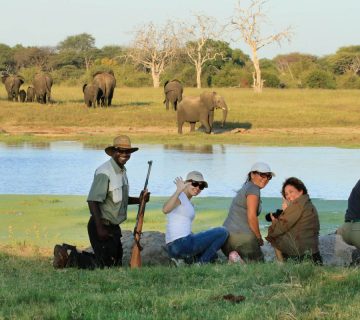
A private vehicle may be particularly helpful when someone needs a quiet break, prefers limited conversation or wants to leave an activity earlier than planned.
Private Versus Shared Safari Experiences
| Feature | Private safari | Shared safari |
|---|---|---|
| Departure time | Flexible | Usually fixed |
| Game-drive duration | Adjustable | Predetermined |
| Rest breaks | Easier to arrange | Limited flexibility |
| Conversation | Can be adapted | Depends on the group |
| Vehicle occupancy | Familiar companions | Other travellers present |
| Cost | Generally higher | Often lower |
Discuss your requirements with the operator before booking. Private transport alone does not guarantee a quieter experience.
Creating Predictable Daily Safari Routines
Predictable routines can help some autistic travellers feel comfortable in unfamiliar environments.
A clear daily schedule allows you to understand what activities are planned and when breaks will occur.
Example Quiet Safari Schedule
| Time | Suggested activity |
|---|---|
| 7:00 am | Wake up and breakfast |
| 8:00 am | Morning game drive |
| 10:00 am | Return to accommodation |
| 10:30 am | Quiet personal time |
| 12:30 pm | Lunch |
| 1:30 pm | Rest or preferred activity |
| 4:00 pm | Optional short wildlife viewing |
| 6:00 pm | Dinner |
| 7:30 pm | Evening routine |
This schedule can be adjusted according to your preferred sleeping and eating times.
Wildlife sightings are unpredictable, so explain that some changes may be necessary.
Prepare for Unexpected Changes
Weather, road conditions and animal movements can affect safari schedules.
Prepare a simple alternative plan.
For example, if an afternoon game drive becomes unsuitable, you might spend time reading, drawing or observing birds from the lodge.
Explain any changes clearly and allow time for adjustment whenever possible.
Managing Sensory Overload During Game Drives
Game drives may involve several sensory experiences occurring simultaneously.
A vehicle might travel over uneven roads while passengers talk, cameras operate and animals move nearby.
Some travellers may need breaks from these experiences.
Practical Sensory Management Strategies
Consider carrying:
Comfortable noise-reducing headphones.
Sunglasses or a wide-brimmed hat.
Familiar sensory items.
A preferred jacket or blanket.
Drinking water.
Familiar snacks.
A written daily schedule.
A communication card.
Noise-reducing headphones should still allow access to essential safety instructions through an agreed communication method.
Ask your guide to explain sudden stops or changes whenever possible.
Choosing Sensory-Friendly Safari Lodges
Accommodation can strongly influence comfort during an extended safari.
Some properties are busy, especially during popular holiday periods.
Others offer detached cottages or rooms away from central dining areas.
Features to Consider When Booking
| Lodge feature | Potential benefit |
|---|---|
| Quiet room location | Reduces nearby activity |
| Private cottage | Provides personal space |
| Flexible dining | Allows preferred meal times |
| Familiar food options | Supports dietary preferences |
| Adjustable lighting | Improves room comfort |
| Private seating area | Provides a place to relax |
| Clear room layout | Makes the environment easier to understand |
| Limited accommodation changes | Supports routine consistency |
Ask about actual facilities before booking.
A lodge cannot guarantee complete silence because wildlife, weather and other natural sounds remain unpredictable.
Communicating With Safari Guides
Clear communication helps guides understand individual preferences.
Before departure, explain whether you prefer detailed descriptions, limited conversation or information before each activity.
Some autistic travellers appreciate regular explanations. Others prefer quiet observation.
Neither preference should be treated as a problem.
Agree on Simple Communication Methods
You might arrange signals meaning:
I need a short break.
Please speak more quietly.
I would like to return to the lodge.
I need more information.
I am comfortable continuing.
Guides should respect these requests whenever safety and park regulations permit.
Food Preferences and Mealtime Routines
Safari lodges often serve set menus or buffet meals.
Some autistic travellers have strong preferences regarding food textures, preparation methods or familiar flavours.
Contact accommodation providers beforehand to discuss available options.
Carry suitable familiar snacks for transfers and game drives.
If particular foods must be avoided for medical reasons, communicate those requirements clearly.
Keeping meal times reasonably consistent may also help maintain a familiar routine.
Planning Wildlife Activities Without Pressure
A safari does not need to include every available activity.
Some travellers enjoy spending several hours observing animals, while others prefer shorter experiences.
Choose activities according to comfort, interest and energy levels.
Possible Activities
| Activity | Sensory consideration |
|---|---|
| Private game drive | Flexible duration and conversation |
| Birdwatching | Can involve quiet observation |
| Wildlife photography | Encourages focused attention |
| Lodge nature viewing | May reduce travel demands |
| Boat safari | Engine noise and boarding arrangements |
| Guided nature walk | Physical and sensory conditions vary |
| Cultural visit | Group size and unfamiliar sounds |
Walking activities must follow national park safety rules and age restrictions.
Never pressure someone to participate in an activity they find uncomfortable.
Preparing Children and Adults Before Departure
Preparation can reduce uncertainty about unfamiliar experiences.
Explain what a safari vehicle looks like, how game drives operate and what accommodation might be like.
For children, simple written schedules or picture-based activity plans may be useful.
Adults may prefer detailed itineraries describing travel times, accommodation facilities and available alternatives.
A Useful Pre-Safari Preparation Checklist
Discuss individual sensory preferences.
Choose suitable destinations.
Confirm vehicle arrangements.
Request accommodation details.
Explain the planned daily routine.
Pack familiar personal items.
Discuss communication preferences with guides.
Prepare alternative activities.
Avoid making promises about particular wildlife sightings because animals move freely.
Supporting Autistic Travellers During Unexpected Difficulties
Even careful planning cannot prevent every uncomfortable situation.
A traveller may become overwhelmed by noise, fatigue, heat or unexpected changes.
If this happens, respond according to their preferences and previously agreed support plan.
Possible adjustments include reducing conversation, stopping in a safe location or returning to accommodation.
Guides should remain calm and avoid unnecessary physical contact.
Never leave the vehicle in a wildlife area unless the guide confirms that doing so is safe and permitted.
For travellers who use medication or require specialist support, discuss relevant arrangements with their usual healthcare professional before departure.
Common Mistakes to Avoid
Planning too many activities: Leave enough time for rest.
Assuming everyone has the same sensory needs: Ask about individual preferences.
Choosing crowded accommodation without checking: Request information about room locations.
Changing schedules without explanation: Communicate adjustments clearly.
Ignoring familiar food preferences: Arrange suitable meals before travelling.
Expecting constant participation: Allow travellers to decline optional experiences.
Forgetting quiet time: Include regular opportunities to relax.
Autistic Travellers on Safari
Planning for autistic travellers on safari begins with understanding individual preferences and creating comfortable travel arrangements.
Private game drives, predictable routines, suitable accommodation and clear communication can make wildlife experiences easier to enjoy.
East Africa offers varied safari destinations where activities can be adjusted to suit different interests and sensory requirements.
Choose an experienced operator, explain your preferences and avoid unnecessarily demanding schedules.
With thoughtful preparation and respectful support, autistic travellers can experience African wildlife while maintaining comfort, independence and personal choice.


No comment