
Safari for Introverts: Quiet Itineraries With Few Crowds
A safari for introverts can be a peaceful way to experience African wildlife without crowded vehicles, busy schedules or constant social interaction. East Africa offers beautiful national parks, secluded safari lodges and private wildlife experiences where travellers can enjoy nature at a comfortable pace.
Uganda, Kenya, Tanzania and Rwanda provide opportunities to observe elephants, giraffes, lions, antelopes and birds in different natural habitats. While many safari holidays involve group activities and shared transport, travellers who prefer quieter experiences can choose private game drives, smaller lodges and less frequently visited destinations.
Introverted travellers may appreciate having personal space, flexible schedules and opportunities to enjoy wildlife without unnecessary conversation. However, being introverted does not automatically mean avoiding people or activities. Every traveller has different preferences.
The best quiet safari combines comfortable accommodation, carefully selected destinations and enough free time between activities.
This guide explains how to organise peaceful safari itineraries, choose less crowded national parks and enjoy meaningful wildlife experiences while maintaining your preferred level of privacy.
What Makes a Safari Suitable for Introverts?
A quiet safari focuses on flexibility, privacy and manageable daily activities.
Some travellers enjoy spending hours observing wildlife without conversation. Others prefer a small group where they can interact occasionally.
A suitable itinerary should allow you to control how much time you spend socialising.
Features of a Quiet Safari
| Safari feature | Benefit for introverted travellers |
|---|---|
| Private game drives | Fewer social distractions |
| Small safari lodges | Quieter surroundings |
| Flexible itinerary | Activities at your preferred pace |
| Less crowded parks | Reduced vehicle traffic |
| Private accommodation | Comfortable personal space |
| Limited lodge changes | More predictable routines |
| Free afternoons | Time for relaxation |
| Nature-based activities | Opportunities for quiet observation |
You do not need to avoid popular destinations completely. Careful timing and accommodation choices can improve your experience.
Best Quiet Safari Destinations in Uganda
Uganda offers several national parks where travellers can enjoy wildlife and peaceful landscapes.
Lake Mburo National Park
Lake Mburo National Park is one of Uganda’s smaller savannah parks.
It offers opportunities to observe zebras, impalas, buffaloes and numerous bird species.
Travellers can arrange private game drives and suitable guided nature activities.
Its location also makes it practical for shorter safari itineraries.
Kidepo Valley National Park
Kidepo Valley National Park lies in northeastern Uganda.
Its remote location means it generally receives fewer visitors than some of Uganda’s better-known parks.
The park offers extensive landscapes, wildlife viewing and opportunities to enjoy quieter surroundings.
However, travelling to Kidepo requires additional time and careful transport planning.
Murchison Falls National Park
Murchison Falls provides game drives and opportunities to experience the Nile.
Although popular areas can attract visitors, private drives and carefully planned activities may offer quieter experiences.
Travellers can also choose accommodation away from busy communal areas.
Quiet Safari Destinations in Kenya
Kenya offers wildlife destinations ranging from popular reserves to less frequently visited conservation areas.
Samburu National Reserve
Samburu provides distinctive northern Kenya landscapes and wildlife.
Visitors may observe Grevy’s zebras, reticulated giraffes and other species associated with the region.
A private safari allows you to spend time observing animals without following a large group’s schedule.
Meru National Park
Meru National Park offers varied habitats and wildlife viewing opportunities.
It can be an appealing option for travellers who prefer less crowded surroundings.
However, wildlife sightings depend on seasonal conditions and the areas explored.
Laikipia Conservancies
Some private conservancies in Laikipia offer small accommodation properties and personalised activities.
Visitor numbers and access rules differ between conservancies.
Ask about the number of vehicles participating in wildlife activities before booking.
Quiet Safari Destinations in Tanzania
Tanzania offers extensive wildlife areas, although visitor numbers vary between destinations.
Ruaha National Park
Ruaha National Park is known for its landscapes, elephants and predators.
Its remote location can appeal to travellers seeking quieter wildlife experiences.
Access arrangements and accommodation availability require careful planning.
Nyerere National Park
Nyerere National Park offers extensive protected landscapes and wildlife viewing opportunities.
Some areas provide game drives and boat excursions.
Choose accommodation and activities according to your preferred level of interaction.
Tarangire National Park
Tarangire is popular for elephants and baobab trees.
Although some areas become busy during peak periods, private drives and carefully selected routes can improve the experience.
Quiet Safari Experiences in Rwanda
Akagera National Park
Akagera National Park offers savannah landscapes, wetlands and traditional game drives.
A private vehicle allows you to explore at your preferred pace.
Discuss quieter routes and suitable departure times with your guide.
Lake Kivu
Lake Kivu offers a peaceful addition to a Rwanda wildlife itinerary.
Travellers can enjoy lakeside accommodation, quiet mornings and scenic surroundings.
It is particularly suitable for relaxation after several days of activities.
Comparing Quiet Safari Destinations
| Country | Destination | Quiet safari appeal |
|---|---|---|
| Uganda | Lake Mburo | Shorter wildlife experiences |
| Uganda | Kidepo Valley | Remote landscapes |
| Kenya | Samburu | Distinctive wildlife and scenery |
| Kenya | Meru | Less heavily visited areas |
| Tanzania | Ruaha | Remote safari environment |
| Tanzania | Nyerere | Extensive protected landscapes |
| Rwanda | Akagera | Flexible private game drives |
| Rwanda | Lake Kivu | Lakeside relaxation |
Visitor numbers change with season, accommodation location and travel dates. No destination can guarantee complete solitude.
Why Private Game Drives Work Well for Introverts
Private game drives provide greater control over your daily schedule.
You can decide when to begin, how long to remain at sightings and when to return to accommodation.
You may also request quieter guiding arrangements.
Some travellers enjoy detailed explanations, while others prefer limited conversation.
Private Versus Shared Game Drives
| Feature | Private game drive | Shared game drive |
|---|---|---|
| Passenger numbers | Your travelling party | Other visitors |
| Departure times | More flexible | Usually fixed |
| Conversation | Based on your preferences | Group interaction |
| Photography stops | More personalised | Shared decisions |
| Activity duration | Adjustable | Predetermined |
| Cost | Usually higher | Generally lower |
Explain your preferences politely before the first drive.
An experienced guide can provide useful information while respecting your desire for quiet observation.
Choosing a Quiet Safari Lodge
Accommodation plays an important role in creating a peaceful holiday.
Large lodges may have busy dining areas, entertainment programmes and frequent group arrivals.
Smaller properties can provide a quieter atmosphere, although this depends on their layout and occupancy.
What to Look for in Accommodation
Consider:
Detached cottages or private rooms.
Accommodation away from main gathering areas.
Private balconies or terraces.
Flexible dining arrangements.
Limited guest numbers.
Comfortable reading spaces.
Opportunities to observe nature from the property.
Minimal organised evening entertainment.
Ask whether the lodge hosts large groups during your intended dates.
Comparing Lodge Styles
| Accommodation type | Privacy consideration |
|---|---|
| Small safari camp | Often fewer guests |
| Private cottage | Personal space |
| Large safari lodge | More communal activity |
| Private villa | Greater control over shared spaces |
| Tented safari camp | Natural surroundings and wildlife sounds |
| Lakeside retreat | Potentially quieter environment |
Remember that remote accommodation can still involve unexpected wildlife sounds.
Planning a Relaxed Daily Safari Schedule
A quiet safari should provide sufficient time between organised activities.
Avoid filling every morning and afternoon with excursions.
Example Daily Itinerary
| Time | Suggested activity |
|---|---|
| 7:00 am | Breakfast |
| 8:00 am | Private game drive |
| 10:30 am | Return to accommodation |
| 11:00 am | Reading or relaxation |
| 1:00 pm | Lunch |
| 2:00 pm | Personal free time |
| 4:00 pm | Optional short activity |
| 6:30 pm | Dinner |
| 8:00 pm | Quiet evening |
This arrangement allows wildlife viewing without creating an unnecessarily demanding schedule.
Enjoying Wildlife Without Constant Conversation
Some of the most rewarding safari moments involve quietly observing animal behaviour.
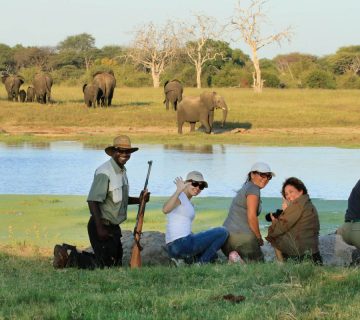
Watching elephants feed, giraffes browse or birds move through wetlands can be enjoyable without continuous commentary.
Ask your guide to provide important information at suitable moments.
For example, the guide might explain animal behaviour before allowing several minutes of uninterrupted observation.
Silence should never prevent essential safety communication.
Quiet Safari Activities Beyond Game Drives
Different activities offer opportunities to experience nature at a slower pace.
Birdwatching
Birdwatching encourages patient observation and attention to detail.
A private guide can help identify species while maintaining a relaxed atmosphere.
Wildlife Photography
Photography allows you to focus on animal behaviour and natural landscapes.
You can spend additional time observing suitable subjects when travelling privately.
Guided Nature Walks
Authorised nature walks provide opportunities to observe tracks, plants and smaller wildlife.
Walking activities must take place in approved areas with qualified guides.
Lakeside Relaxation
Lakeside accommodation offers opportunities to read, rest and enjoy scenery.
Choose properties with suitable private spaces if you prefer limited interaction.
Travelling Alone or With a Companion
Introverted travellers can enjoy both solo and accompanied safaris.
Travelling alone may provide greater independence.
However, private vehicle costs can be expensive when paid by one person.
Travelling with a compatible companion can reduce expenses while maintaining a peaceful atmosphere.
Discuss expectations about conversation, activities and personal time before departure.
Best Time to Avoid Safari Crowds
Visitor numbers vary throughout the year.
Popular dry-season periods often attract more travellers because wildlife viewing conditions can be favourable.
Travelling during shoulder seasons may provide quieter accommodation and fewer vehicles in some parks.
However, rainfall can affect roads and wildlife viewing.
Seasonal Planning Considerations
| Travel period | Possible advantage | Consideration |
|---|---|---|
| Peak dry season | Often favourable wildlife viewing | More visitors |
| Shoulder season | Potentially fewer travellers | Variable weather |
| Rainy season | Green landscapes | Some routes may become difficult |
| Weekdays | Occasionally quieter activities | No guarantee of lower visitor numbers |
Ask your operator about visitor patterns for your chosen park and travel dates.
Managing Social Interaction During a Safari
You may encounter other visitors at lodges, park entrances and shared facilities.
You do not need to participate in every group conversation.
Choose accommodation with private dining options where available.
You can also request takeaway breakfast arrangements for early departures, subject to lodge policies.
Be polite with fellow travellers while maintaining comfortable personal boundaries.
Common Mistakes to Avoid
Choosing accommodation without checking guest numbers: Ask about property size and occupancy.
Booking shared vehicles automatically: Consider whether private travel better suits your preferences.
Planning too many activities: Include rest periods.
Assuming remote parks are always quiet: Visitor numbers and wildlife conditions vary.
Failing to communicate with guides: Explain your preferred level of conversation.
Changing lodges frequently: Longer stays can create a more relaxed experience.
Ignoring travel distances: Remote destinations may require lengthy transfers.
Safari for Introverts
A safari for introverts can provide peaceful wildlife experiences when you choose suitable destinations, accommodation and travel arrangements.
Uganda’s Kidepo Valley, Kenya’s Meru, Tanzania’s Ruaha and Rwanda’s Akagera are among the destinations worth considering.
Private game drives, smaller lodges and relaxed schedules allow you to enjoy wildlife without unnecessary social pressure.
Choose activities that interest you, communicate your preferences and leave enough time for personal relaxation.
With thoughtful planning, an East African safari can provide a comfortable balance between wildlife exploration, privacy and quiet enjoyment.


No comment