
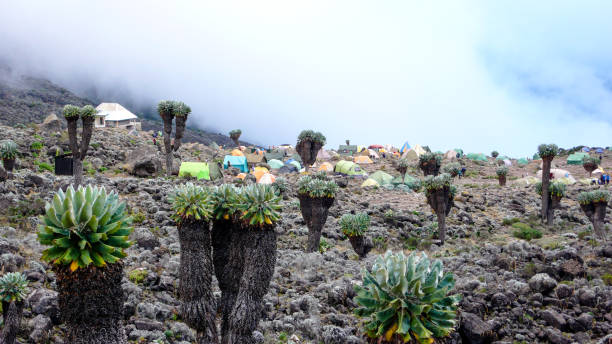
Base Layers for Kilimanjaro Summit Night: How to Stay Warm and Comfortable
Climbing Mount Kilimanjaro is an unforgettable adventure, but reaching the summit requires careful preparation for extremely cold conditions. One of the most important decisions you will make before your climb is choosing the right base layers for Kilimanjaro summit night. These are the clothes worn directly against your skin to help regulate body temperature, manage moisture and maintain comfort during the final ascent.
Summit night usually begins around midnight, depending on your route and guide’s plan. You will climb through darkness, cold temperatures and thin mountain air before reaching Uhuru Peak at 5,895 metres above sea level.
Although Kilimanjaro lies close to the equator in Tanzania, summit temperatures can fall well below freezing. Strong winds can make conditions feel considerably colder.
Choosing suitable base layers helps you manage sweat during the climb and reduces the discomfort caused by damp clothing. However, base layers work best when combined with insulating clothing, a windproof outer layer and other essential mountain equipment.
This guide explains which base layers to wear, how to choose suitable fabrics, what to avoid and how to prepare your clothing for Kilimanjaro summit night.
What Are Base Layers for Kilimanjaro Summit Night?
Base layers are lightweight or midweight garments designed to sit close to your skin. Their main purpose is to move moisture away from your body while providing a comfortable foundation for additional clothing.
Unlike ordinary cotton T-shirts or everyday underwear, technical base layers use materials that manage perspiration more effectively.
A complete base layer system normally includes:
Long-sleeved thermal top
Thermal leggings or long underwear
Moisture-wicking underwear
Suitable liner socks when needed
These garments form the first part of your clothing system.
How Base Layers Help During the Summit Ascent
Even in freezing temperatures, your body produces heat and sweat while climbing.
If moisture remains against your skin, you may become cold when you stop walking or when the wind increases.
Good base layers help transfer moisture towards your outer clothing, where it can evaporate more easily.
They also provide light insulation and reduce uncomfortable contact between your skin and heavier clothing.
| Base layer function | Benefit during summit night |
|---|---|
| Moisture management | Helps prevent sweat from remaining against your skin |
| Temperature regulation | Supports comfort during changing activity levels |
| Light insulation | Provides an initial layer of warmth |
| Comfortable fit | Allows easier movement while climbing |
| Quick drying | Reduces the time clothing remains damp |
| Layer compatibility | Works beneath fleece, down and shell clothing |
Base layers alone cannot protect you from severe mountain temperatures. You must combine them with appropriate insulation and weather protection.
Understanding Kilimanjaro Summit Night Temperatures
Kilimanjaro summit night is often the coldest part of the entire trek.
Most climbers leave their final high camp late in the evening or around midnight, depending on their route.
Temperatures vary according to season, altitude, wind and weather conditions.
The following figures are general planning estimates, not guaranteed forecasts.
| Location | Approximate altitude | Temperature considerations |
|---|---|---|
| Barafu Camp | 4,673 m | Often below freezing overnight |
| Kibo Hut | 4,720 m | Freezing temperatures are common |
| Stella Point | 5,756 m | Severe cold and strong winds are possible |
| Gilman’s Point | 5,685 m | Exposed conditions can feel extremely cold |
| Uhuru Peak | 5,895 m | Temperatures may fall to around -10°C to -20°C or lower |
Wind chill can make exposed skin lose heat much faster.
Your guides will assess the weather and advise whether conditions are suitable for continuing towards the summit.
Why You Need Different Clothing at Different Altitudes
Temperatures change considerably as you climb Kilimanjaro.
At lower elevations, you may walk comfortably in a lightweight shirt. Higher up, you will need additional insulation.
On summit night, you may wear several layers simultaneously.
Your clothing should allow you to add or remove garments without unnecessary difficulty.
Best Materials for Kilimanjaro Base Layers
The fabric you choose affects warmth, drying time, comfort and overall performance.
Three common options are merino wool, synthetic materials and blended fabrics.
1. Merino Wool Base Layers
Merino wool is popular among mountain trekkers because it provides useful insulation while managing moisture.
It generally feels softer against the skin than traditional wool.
Merino clothing can also remain relatively comfortable during extended use.
Advantages include:
Good temperature regulation
Natural resistance to odour
Comfortable feel against the skin
Useful insulation in cool conditions
Suitable for repeated trekking days
However, merino wool can take longer to dry than many synthetic alternatives.
It may also cost more.
For Kilimanjaro summit night, a midweight merino wool top and leggings can be a practical choice.
2. Synthetic Thermal Base Layers
Synthetic base layers commonly use polyester, polypropylene or blends containing elastane.
These materials are designed to move moisture efficiently and dry quickly.
They are widely available in outdoor clothing shops.
Their advantages include:
Fast drying
Lightweight construction
Good moisture management
Often lower prices
Durable performance
One disadvantage is that some synthetic fabrics develop odours more quickly than merino wool.
Nevertheless, a good synthetic thermal set is suitable for Kilimanjaro.
3. Merino and Synthetic Blends
Blended fabrics combine characteristics of wool and synthetic fibres.
For example, a garment may contain merino wool for comfort and polyester for durability and faster drying.
This can provide a useful balance for multi-day mountain climbing.
Comparing Base Layer Materials
| Material | Warmth | Drying speed | Odour resistance | Typical cost |
|---|---|---|---|---|
| Merino wool | Good | Moderate | Very good | Higher |
| Polyester | Depends on weight | Fast | Moderate to low | Lower to moderate |
| Polypropylene | Depends on weight | Very fast | Low to moderate | Moderate |
| Merino blend | Good | Moderate to fast | Good | Moderate to higher |
Your preferred material should depend on your budget, skin sensitivity and comfort during exercise.
What Weight of Base Layer Should You Wear?
Outdoor clothing manufacturers usually classify base layers as lightweight, midweight or heavyweight.
These categories describe fabric thickness and thermal performance, although definitions vary between brands.
Lightweight Base Layers
Lightweight garments are useful during warmer trekking days.
They are generally breathable and easy to pack.
However, they may provide insufficient warmth as your only base layer during summit night.
Midweight Base Layers
Midweight base layers are often the most practical choice for Kilimanjaro summit night.
They provide useful insulation without excessive bulk.
A midweight merino or synthetic thermal set works well beneath fleece and insulated clothing.
Heavyweight Base Layers
Heavyweight thermals provide additional insulation.
They may suit climbers who feel cold easily, but they can become uncomfortable if they cause excessive sweating during steep sections.
Consider your complete clothing system before choosing heavyweight garments.
| Base layer weight | Recommended use |
|---|---|
| Lightweight | Warm trekking days and active climbing |
| Midweight | General summit night preparation |
| Heavyweight | Particularly cold conditions when compatible with other layers |
Practical recommendation: Start by considering a midweight thermal top and leggings, then adjust your insulating layers according to expected weather and personal comfort.
How to Layer Your Clothing for Kilimanjaro Summit Night
Your base layer forms the foundation of a complete clothing system.
You will normally need several additional garments to remain comfortable during the final ascent.
A typical summit night clothing arrangement is shown below.
| Clothing layer | Recommended garment | Main purpose |
|---|---|---|
| First layer | Thermal top and leggings | Manage moisture and provide light warmth |
| Second layer | Fleece or technical midlayer | Add insulation |
| Third layer | Insulated jacket | Retain body heat |
| Outer layer | Windproof, waterproof shell | Protect against wind, snow and precipitation |
| Legs | Insulated or fleece layer where needed | Provide additional warmth |
| Outer trousers | Windproof mountain trousers | Protect against exposed conditions |
The exact combination depends on weather conditions and your trekking operator’s equipment recommendations.
Avoid Wearing Too Many Clothes
More clothing does not always mean greater comfort.
Excessive insulation can cause sweating during demanding uphill sections.
When you stop moving, damp clothing can make you feel cold.
Your aim is to remain comfortably warm without overheating.
Small adjustments during the ascent can help maintain a suitable temperature.
Choosing the Right Thermal Top
A long-sleeved thermal top is generally suitable for summit night.
It should fit close to your body without restricting movement.
Choose a garment with comfortable seams and sufficient length to remain tucked into your trousers.
Features worth considering include:
Long sleeves
Breathable material
Flat seams
Stretchable fabric
Comfortable neckline
Extended back length
A high-neck or zip-neck thermal top can provide additional flexibility.
You can open the zip slightly during strenuous walking and close it when temperatures fall.
However, your thermal top should remain comfortable beneath your fleece and insulated jacket.
Choosing Thermal Leggings for Summit Night
Your legs also need protection against the cold.
Thermal leggings are worn beneath trekking trousers or other insulating layers.
They should allow comfortable movement when climbing steep and uneven terrain.
Important Features of Thermal Leggings
Look for:
Comfortable waistband
Stretchable fabric
Moisture-wicking material
Flat seams
Suitable ankle length
Good fit beneath trousers
Avoid leggings that bunch around your knees or ankles.
Uncomfortable clothing becomes more noticeable during long periods of walking.
For many climbers, midweight thermal leggings combined with appropriate mountain trousers provide a suitable starting point.
Additional insulation may be necessary in severe conditions.
Should You Wear Two Base Layers on Kilimanjaro?
Some climbers consider wearing two thermal tops or two pairs of leggings during summit night.
This can provide additional warmth in certain circumstances, but it is not always necessary.
Wearing multiple close-fitting base layers may restrict movement and reduce comfort.
It can also create excessive warmth during strenuous climbing.
A better approach is usually to combine one effective moisture-wicking base layer with suitable insulating garments.
If you expect unusually cold conditions, discuss additional clothing options with your guide before summit night.
Your guide can help assess whether extra insulation is needed.
Why Cotton Clothing Is Not Recommended
Cotton absorbs moisture and generally dries slowly.
When you sweat during climbing, cotton clothing can remain damp against your skin.
This increases discomfort and can contribute to cooling when your activity level decreases.
For this reason, cotton T-shirts, leggings and underwear are generally unsuitable as technical base layers for summit night.
Choose merino wool or purpose-designed synthetic fabrics instead.
The same principle applies to socks worn inside your climbing boots.
How Many Base Layers Should You Pack?
Kilimanjaro climbs commonly last between five and nine days, depending on the route and itinerary.
You do not need a fresh thermal set every day, but carrying enough clothing to manage moisture and changing weather is important.
Consider the following packing guide.
| Base layer item | Suggested quantity |
|---|---|
| Long-sleeved thermal tops | 2–3 |
| Thermal leggings | 1–2 |
| Moisture-wicking underwear | Enough for the trek |
| Trekking socks | 4–6 pairs |
| Warm summit socks | 1–2 pairs |
| Optional liner socks | 1–2 pairs |
These quantities are suggestions rather than fixed requirements.
Your final packing list should reflect your route duration, weather forecast and laundry opportunities.
Keep One Thermal Set Dry for Summit Night
A particularly useful preparation step is reserving one clean, dry thermal set for the summit attempt.
Store it inside a waterproof dry bag or sealed packing bag.
This helps prevent accidental exposure to moisture during the trek.
Putting on dry base layers before leaving camp can make a noticeable difference to your comfort.
Common Base Layer Mistakes to Avoid
Even experienced travellers sometimes make clothing mistakes before climbing Kilimanjaro.
Buying Base Layers That Are Too Tight
Close-fitting clothing helps moisture management, but excessively tight garments can restrict movement and feel uncomfortable.
Try your thermal clothing before travelling.
Using New Clothing Without Testing It
New garments may cause irritation or rubbing.
Wear your base layers during training walks to confirm that they fit properly.
Ignoring Moisture Management
Warm clothing can still become uncomfortable when it remains damp.
Choose breathable fabrics and adjust your outer layers to reduce excessive sweating.
Depending on Base Layers Alone
Base layers offer limited insulation.
You still need appropriate fleece, insulated jackets, wind protection, gloves, headwear and suitable footwear.
Packing Only One Thermal Set
If your only set becomes wet, you may have no dry alternative for summit night.
Carry a spare where practical.
Approximate Cost of Kilimanjaro Base Layers
Base layer prices vary according to fabric, brand and retailer.
The following figures are broad budgeting estimates in US dollars, not current retailer quotations.
| Base layer item | Estimated price range |
|---|---|
| Synthetic thermal top | $20–$60 |
| Synthetic thermal leggings | $20–$60 |
| Merino wool thermal top | $50–$120 |
| Merino wool leggings | $50–$110 |
| Merino blend thermal set | $70–$160 |
You do not need the most expensive clothing to climb Kilimanjaro successfully.
Comfort, moisture management and compatibility with your other clothing are more important than the brand name.
If your budget is limited, a well-fitting synthetic thermal set can be a sensible choice.
Preparing Your Base Layers Before Summit Night
Preparation begins several days before you reach the final high camp.
Keep your reserved summit clothing protected from rain and condensation.
At camp, organise your garments before going to sleep.
Your guide may recommend dressing in several layers before leaving the tent.
Check that your clothing allows you to move comfortably, reach your pockets and adjust your gloves.
You should also confirm that your jacket and trousers fit properly over your base layers.
Final Summit Night Clothing Checklist
| Item | Check before departure |
|---|---|
| Thermal top | Clean, dry and comfortable |
| Thermal leggings | Dry and properly fitted |
| Fleece layer | Available for additional warmth |
| Insulated jacket | Suitable for freezing conditions |
| Outer shell | Windproof and weather-resistant |
| Gloves | Warm and compatible with trekking poles |
| Warm hat | Covers your head and ears |
| Summit socks | Dry and comfortable inside boots |
| Boots | Suitable for cold mountain conditions |
If you become excessively cold, confused, unusually weak or unwell during the ascent, inform your guide immediately. Do not rely on extra clothing to manage a possible altitude-related illness.
Base Layers for Kilimanjaro Summit Night
Choosing the right base layers for Kilimanjaro summit night is an important part of preparing for Africa’s highest mountain.
A comfortable midweight thermal top and leggings made from merino wool, synthetic fibres or a suitable blend will work well for many climbers.
Your base layers should manage moisture, fit properly and remain comfortable beneath your insulating clothing.
Remember that summit conditions can change quickly. Strong winds, freezing temperatures and long hours of climbing require a complete clothing system.
Prepare your clothing before travelling, test it during training walks and keep a dry thermal set specifically for summit night.
With suitable equipment, sensible layering and guidance from your mountain crew, you can approach the final ascent better prepared for Kilimanjaro’s demanding conditions.


No comment