
Bwindi Waterfall Trail Walk
The Bwindi Waterfall Trail Walk is one of the enjoyable nature experiences available in and around Bwindi Impenetrable National Park in southwestern Uganda. The forest is best known internationally for its mountain gorillas, but its value extends far beyond gorilla trekking. A waterfall trail gives visitors the opportunity to explore the forest at a slower pace, surrounded by thick vegetation, birdsong, flowing streams, butterflies, ancient trees, and the natural sounds of the Albertine Rift.
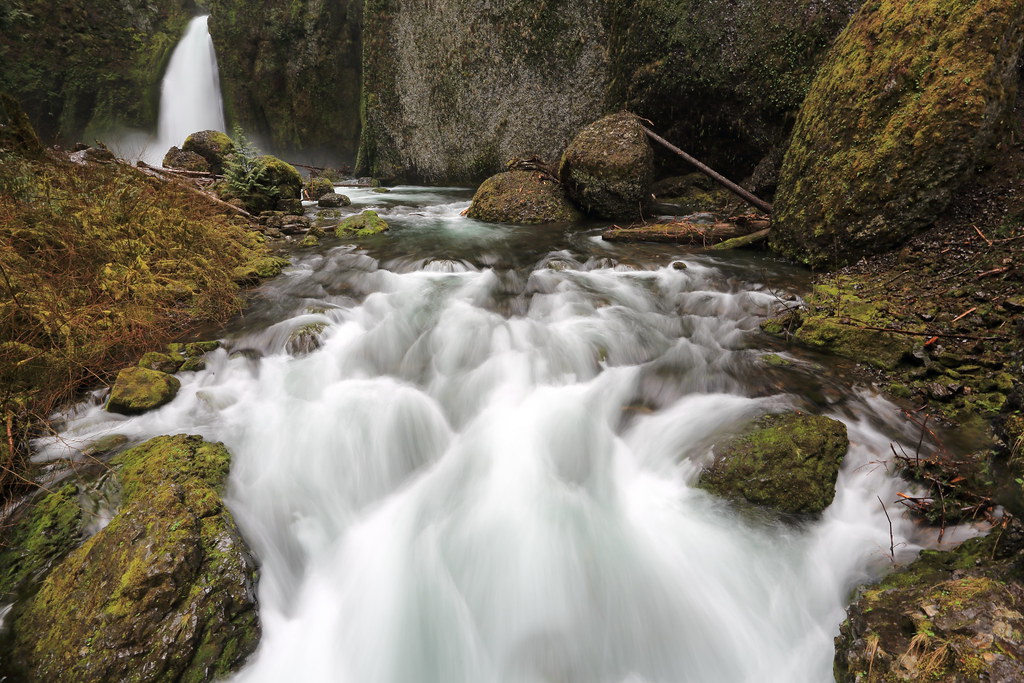
Walking through Bwindi creates a completely different experience from viewing wildlife from a safari vehicle. The trail takes you close to the forest floor, where details that would normally be missed become part of the journey. Ferns grow beneath towering trees, vines wind around trunks, moss covers damp rocks, and small streams move through the vegetation. As the trail continues, the sound of running water becomes more noticeable until the waterfall comes into view.
The walk is particularly suitable for visitors who want to spend more time appreciating the forest after or before a gorilla trek. It can also be an excellent activity for travelers who have additional time in the Buhoma area and want a nature experience that does not require the physical commitment of a full gorilla trekking excursion.
The Forest Around the Waterfall
Bwindi’s dense vegetation is one of the first things visitors notice along the trail. The forest contains a mixture of mature trees, smaller plants, shrubs, vines, ferns, mosses and other vegetation that create a layered environment. The canopy blocks much of the direct sunlight, giving many sections of the trail a cool and shaded atmosphere.
Walking beneath the canopy allows visitors to experience the forest through several senses. Birds can be heard calling from the trees, insects move through the undergrowth, water flows over rocks, and leaves move as animals pass through the vegetation. The experience becomes less about reaching a particular destination and more about observing what is happening around you.
A knowledgeable local guide can make the forest much easier to understand. Plants that may appear ordinary to visitors can have interesting ecological, medicinal, cultural, or historical importance. The guide can also explain how the forest supports wildlife and why protecting the surrounding habitat is important for the region.
Reaching the Waterfall
The approach to the waterfall is one of the most enjoyable parts of the walk. The sound of flowing water gradually becomes louder as the trail follows the forest environment toward the falls. After walking through relatively quiet sections of forest, the rushing water creates a noticeable change in the atmosphere.
The waterfall provides a natural place to pause and enjoy the surroundings. Water moves over rocks and continues downstream through the forest, while dense vegetation surrounds the area. During periods of heavier rainfall, the volume of water can increase, making the falls particularly impressive.
Visitors should be careful around wet rocks. The area around waterfalls can be slippery, and climbing directly onto rocks beside fast-moving water is not advisable. Following the guide’s instructions allows visitors to enjoy the scenery without taking unnecessary risks.
A Peaceful Alternative to Gorilla Trekking
Gorilla trekking is the main attraction for many people visiting Bwindi, but it is not the only way to experience the forest. The waterfall walk offers a quieter alternative where the objective is not to find a particular animal.
During a gorilla trek, visitors may spend several hours hiking through steep and sometimes challenging terrain while searching for a habituated gorilla family. A waterfall walk usually has a more relaxed character. The pace can be adjusted according to the interests and ability of the group, allowing more time for photography, birdwatching and learning about plants.
This makes the activity useful for travelers with different interests. Someone who has already completed a gorilla trek can experience another part of the forest, while someone who is not participating in gorilla trekking can still enjoy a genuine forest adventure.
Wildlife Along the Trail
Bwindi is home to a remarkable range of wildlife, although animals are not always easy to see in the dense forest. The thick vegetation provides excellent cover, meaning that many creatures remain hidden from visitors.
Small mammals, primates, reptiles, amphibians, insects and birds may all be present along the trail. Sometimes the evidence of wildlife is easier to notice than the animal itself. A rustling branch, animal call, tracks, feeding marks, or movement in the vegetation may reveal that something is nearby.
The guide’s experience becomes particularly valuable in these situations. Rather than expecting constant wildlife sightings, visitors should approach the walk as an opportunity to understand a living forest where animals are naturally free to move without being accustomed to human observation.
Birdwatching on the Waterfall Trail
Birdwatching can add considerable interest to the Bwindi Waterfall Trail Walk. The wider Bwindi forest is an important birding destination, particularly for travelers interested in species associated with the Albertine Rift.
Forest birding requires patience. Birds may remain high in the canopy or move quickly between branches, making them difficult to photograph. Their calls, however, can often be heard long before the birds are located.
A guide familiar with local birdlife can help identify calls and direct visitors toward likely sightings. Travelers interested in bird photography should carry suitable equipment and be prepared for low-light conditions beneath the forest canopy.
Plants, Trees and Forest Ecology
The vegetation along the waterfall trail provides an opportunity to learn about the ecological structure of Bwindi. The forest is not simply a collection of large trees. Different layers of vegetation work together to create habitat for numerous organisms.
Large trees form the upper canopy, while smaller trees and shrubs occupy the middle levels. Ferns, herbs and other plants cover sections of the forest floor. Vines climb toward sunlight, and mosses thrive in damp areas where moisture remains available.
Water is also an important part of this environment. Streams and waterfalls contribute to the forest’s natural drainage system and help maintain moisture in the surrounding habitat. Walking alongside flowing water gives visitors a better understanding of the relationship between the forest and its waterways.
The Importance of Local Guides
Local guides are an important part of the waterfall trail experience. Their knowledge goes beyond navigation. They can explain the history of the area, identify plants and birds, interpret signs of wildlife, and discuss conservation efforts around Bwindi.
Guides also help visitors understand appropriate behavior in the forest. Keeping to designated trails, avoiding unnecessary disturbance of wildlife, and respecting plants and natural features are all important parts of responsible forest tourism.
Using local guiding services also connects tourism with communities surrounding the forest. Employment and tourism income can contribute to local livelihoods, while visitors gain a more informed understanding of the destination.
Physical Requirements for the Walk
The Bwindi Waterfall Trail Walk is generally less demanding than a long gorilla trekking excursion, but visitors should still expect uneven forest terrain. Sections of the trail may contain roots, rocks, slopes, mud and narrow paths.
Rain can change trail conditions considerably. A route that is comfortable during dry weather can become slippery after heavy rainfall. Visitors should therefore wear sturdy walking shoes or hiking boots with good traction.
A reasonable level of fitness is helpful, particularly for travelers who are not accustomed to walking on uneven ground. The advantage of a nature walk is that the pace can normally be adjusted to suit the group. There is no need to rush through the forest.
What to Wear
Practical clothing makes the walk more comfortable. Long trousers and a lightweight long-sleeved shirt are useful for protection from vegetation and insects. Comfortable hiking shoes with good grip are strongly recommended.
A lightweight rain jacket is also useful because rainfall can occur unexpectedly in the Bwindi highlands. A small backpack can carry water, personal items, a camera and rain protection without making the walk unnecessarily heavy.
Brightly colored clothing is generally less practical for forest activities. Neutral, comfortable outdoor clothing allows visitors to move easily and remain focused on the environment.
Photography Along the Trail
The waterfall trail offers many opportunities for nature photography. The waterfall itself is an obvious subject, but the forest provides numerous smaller scenes that can be equally interesting.
Moss-covered stones, ferns, tree bark, streams, butterflies, leaves and patterns created by filtered sunlight can all produce attractive photographs. The dense forest also provides opportunities for atmospheric images that capture the character of Bwindi rather than focusing only on wildlife.
Photography around moving water can be particularly rewarding. Visitors should still protect their cameras and phones from rain and moisture, especially during wetter periods.
Best Time to Take the Waterfall Trail
The waterfall trail can be enjoyed throughout the year. Weather conditions, however, can influence both the appearance of the waterfall and the ease of walking.
During wetter periods, the surrounding vegetation can become exceptionally green and water flow may be stronger. These conditions can make the waterfall more dramatic, although muddy and slippery trails may require greater care.
Periods of relatively drier weather can make walking more comfortable. Even then, Bwindi’s mountain environment can experience rain, so visitors should remain prepared for changing conditions.
Rather than choosing a trip entirely around the waterfall, it is usually more practical to plan the trail according to the overall Uganda safari itinerary. Gorilla permit availability, accommodation, transportation and other activities often determine the most suitable day for the walk.
Combining the Waterfall Walk with Gorilla Trekking
One of the best ways to experience the Bwindi Waterfall Trail is to combine it with gorilla trekking. The two activities complement each other because they reveal different aspects of the forest.
Gorilla trekking focuses on observing a particular gorilla family and understanding the behavior of mountain gorillas in their natural habitat. The waterfall walk focuses on the wider forest environment. Together, the experiences give travelers a broader appreciation of Bwindi.
The waterfall walk can also be useful on a day when visitors want something less demanding. After a challenging gorilla trek, a shorter forest activity can provide an opportunity to remain connected with the destination without undertaking another strenuous expedition.
Combining the Trail with Cultural Experiences
The communities surrounding Bwindi add another dimension to a visit. Travelers can combine nature activities with cultural experiences that introduce them to local traditions, crafts, food, music and community life.
The relationship between the forest and surrounding communities is an important part of the region’s story. Tourism provides opportunities for local people to participate in guiding, accommodation, crafts, cultural activities and other services.
For a safari company such as All In Africa Safaris, combining these experiences allows travelers to create an itinerary that balances wildlife, nature and culture rather than focusing on only one attraction.
A Relaxed Forest Experience
The greatest appeal of the Bwindi Waterfall Trail Walk is its pace. Visitors are able to walk slowly, stop when they hear a bird, examine interesting vegetation, photograph the landscape and spend time beside the flowing water.
There is no requirement to constantly search for a major wildlife sighting. The forest itself is the experience. The sounds, smells, textures and changing vegetation become part of the journey.
This slower style of exploration can be especially valuable for travelers who spend much of their safari moving between destinations. A waterfall walk creates time to simply experience the environment rather than constantly thinking about the next transfer or game drive.
Planning the Bwindi Waterfall Trail Walk
The waterfall walk fits naturally into a wider Uganda safari itinerary. Travelers can include it during a stay in the Buhoma area alongside gorilla trekking, birdwatching, community experiences and other forest activities.
It is important to consider the physical condition of the travelers when arranging the schedule. If a gorilla trek is planned for the following morning, for example, a relaxed waterfall walk may be more appropriate than a demanding additional hike. Good planning allows visitors to enjoy the forest without becoming unnecessarily exhausted.
The experience also works well for travelers spending several nights near Bwindi. Instead of limiting the visit to a single gorilla trek, the additional nature walk provides more time to understand the forest and its surroundings.
The Experience Beyond the Waterfall
The Bwindi Waterfall Trail Walk demonstrates that the value of Bwindi extends beyond its famous mountain gorillas. The forest is a complete natural environment, with water, plants, birds, insects, primates and other wildlife interacting within a complex landscape.
Walking to a waterfall allows visitors to experience that environment at ground level. The journey becomes a combination of gentle hiking, nature observation, photography and interpretation by a local guide.
For travelers exploring Uganda with All In Africa Safaris, the waterfall trail can be incorporated into a wider journey that includes gorilla trekking, Queen Elizabeth National Park, Lake Bunyonyi, chimpanzee tracking or cultural experiences. It is a useful addition for anyone who wants to spend more time experiencing the natural character of southwestern Uganda rather than simply passing through Bwindi for a single activity.
Total Word Count: Approximately 1,900 words


No comment