Kidepo National Park is located in the northern part of Uganda and includes a total surface area of around 1442 square kilometres at an elevation of approximately 900 to 1200 metres above sea level. Furthermore, this national park was gazetted as a wildlife reserve in 1772 when it had its main warden named Ian Ross, and it was later constituted as a national park after Uganda gained independence in 1962: safari, vacation trips and tours.
Kidepo Valley National Park got its name from the word AKIDEP, which means “to pick up” in English. Furthermore, this national park is surrounded by gorgeous scenery, and there are countless varieties of flora and wildlife.
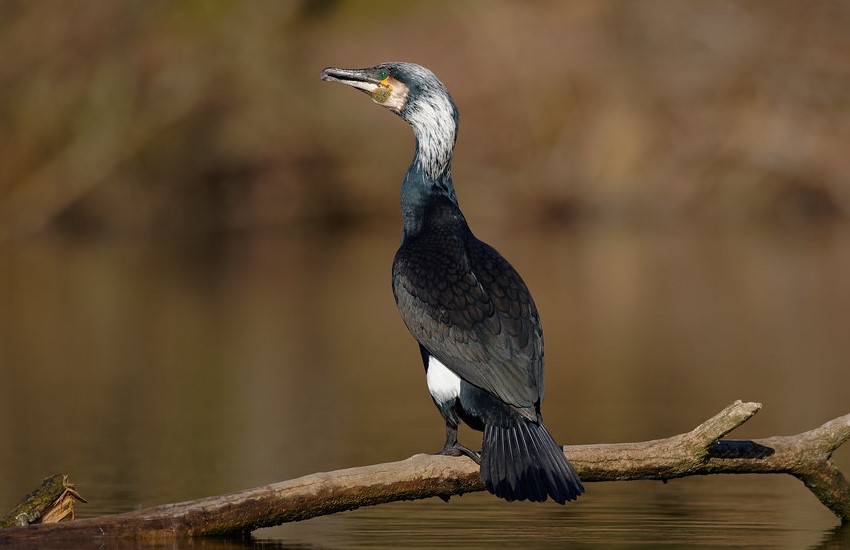
Furthermore, there are numerous tourist attractions in Kidepo National Park that draw visitors from all over the world, including bird species such as the little bee-eater, the dark chanting goshawk, the black-breasted barbet, the Karamojong apalis, the red and yellow barbet, and the kori bambino.
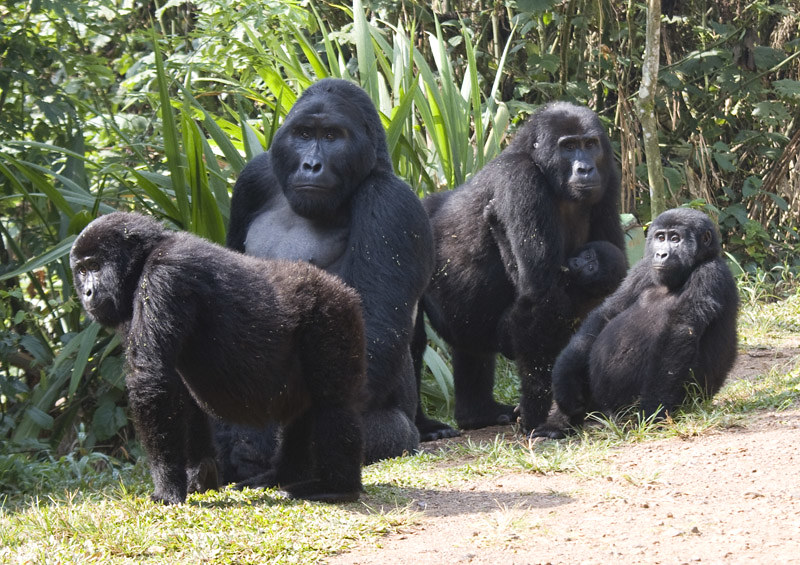
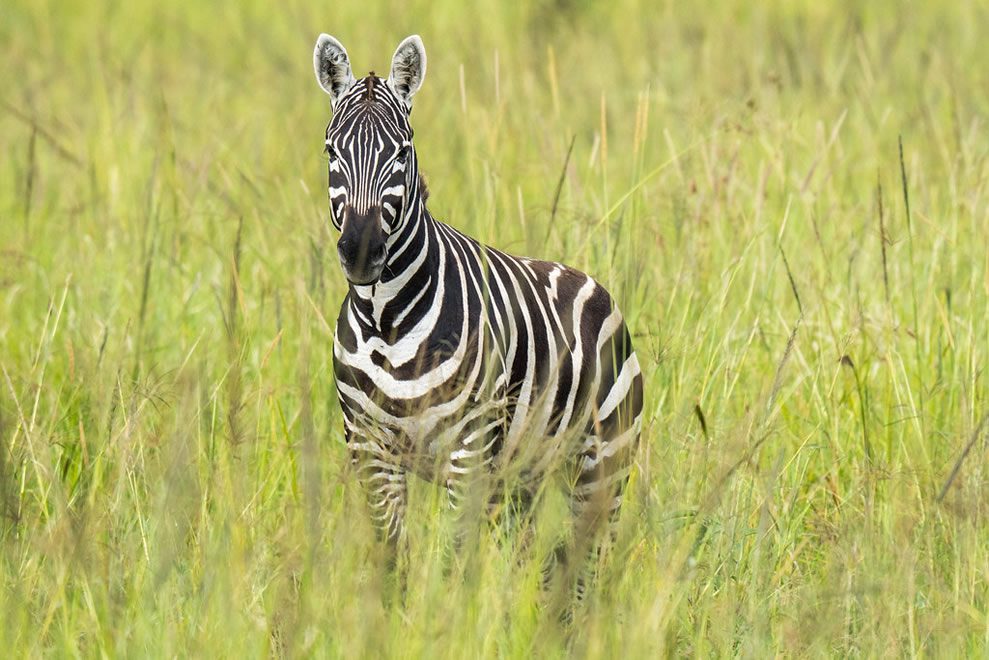
Individuals can also see mammal species because this back is home to over 77 mammal species such as buffalos, lions, oribi, leopards, zebras, bush pigs, Rothschild giraffes, forest elephants, spotted hyenas, black-backed, side-backed jackal, primate species such as white and black colobus monkeys, vervet monkeys, and others.
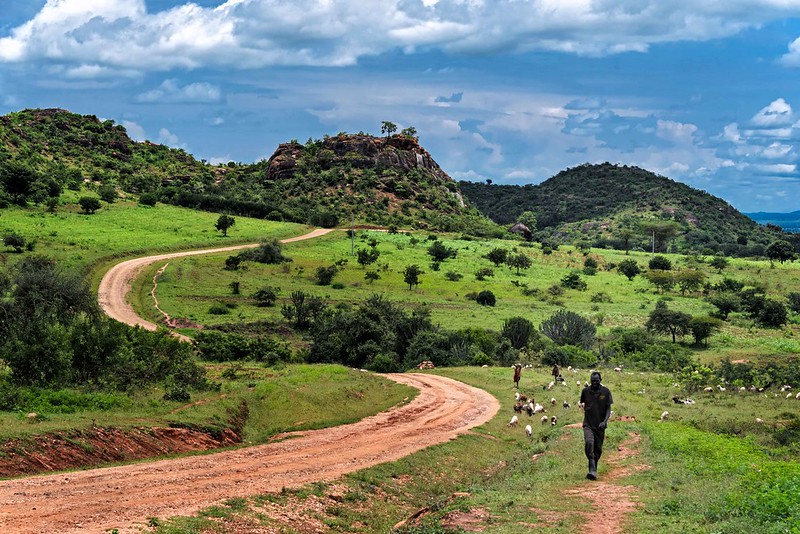
There are many beautiful physical features in Kidepo Valley National Park that attract people, such as the Narus Valley, which means Mud in Karamojong language and is known to have the Narus River as its main source of water, Mount Morungole, which stands as an elevated area of about 2,750 metres above sea level and hiking to this mountain gives you opportunities to interact with the Ik people, who are known to be Uganda’s smallest ethnic group and Lomej hills.
Furthermore, exploring this national park allows you to participate in a variety of activities such as game drives, Karamojong community tours, guided nature walks, bird watching, hiking, wildlife game viewing, climbing Mount Morungole, and many others.
Tourists who visit this national park can also choose to stay within the park because there are so many housing facilities that are constantly available, but they are categorised differently, such as mid-range, budget, and luxury. Apoka Safari Lodge, kidepo savannah lodge, zebra safari lodge, Katurun Lodge, Adere Safari Resort, and others are among these safari lodges.
Apoka Safari Lodge: The Park’s Signature Property
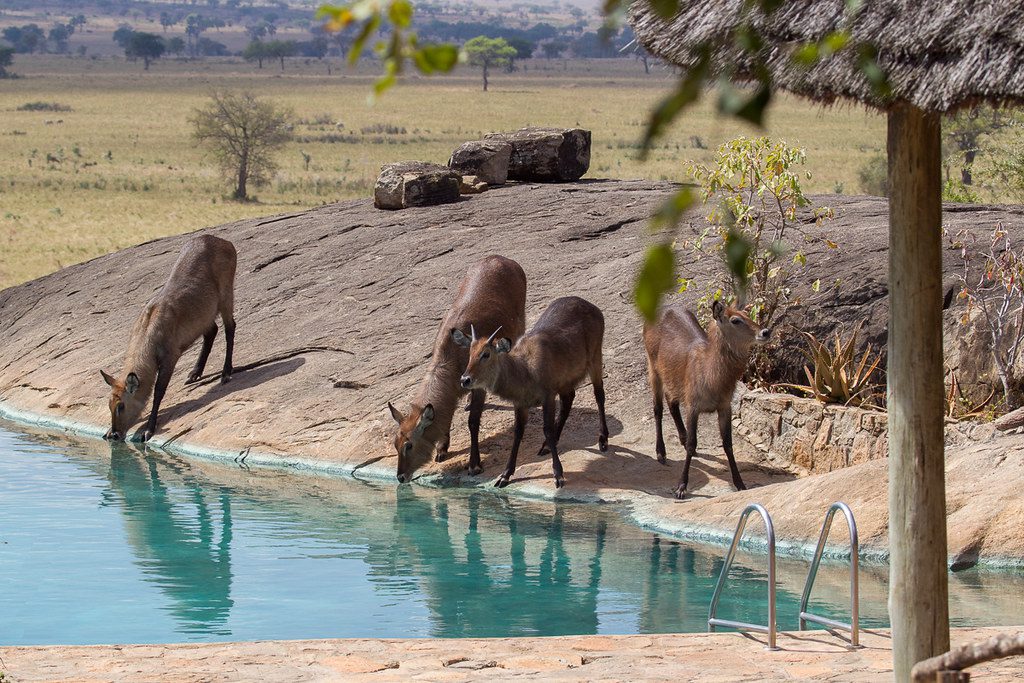
Apoka Safari Lodge sits on a rocky outcrop overlooking the Narus Valley, widely regarded as Kidepo’s most iconic accommodation given its position directly within the park rather than at its periphery. Rooms and suites are built into the natural rock formations, offering sweeping views over the valley where much of the park’s game concentrates during the dry season, meaning wildlife viewing sometimes happens right from the lodge’s own veranda without needing to head out on a game drive at all.
Mid-Range and Budget Options
Kidepo Savannah Lodge and Zebra Safari Lodge offer a more moderate price point while still providing comfortable en-suite accommodation and full board, a good fit for travelers who want a genuine safari experience without Apoka’s premium rates. Katurum Lodge, perched on a hilltop with panoramic views similar in spirit to Apoka’s setting, and Adere Safari Resort round out the park’s accommodation options, giving visitors a real spread of choice across budget levels rather than a single take-it-or-leave-it property.
Camping in Kidepo
For travelers who prefer a more rustic experience or are working with a tighter budget, several campsites operate within and around the park, offering basic facilities alongside the same access to game drives, guided walks, and cultural visits as the lodges. Camping in Kidepo comes with the genuine sense of remoteness the park is known for, since Kidepo remains one of Uganda’s least-visited major parks despite its wildlife richness, a function of its distance from Kampala rather than any lack of quality.
Choosing Where to Stay Based on Your Activities
Lodges near the Narus Valley, including Apoka, put you closest to the park’s most reliable game-drive territory, while accommodation with easier access to Mount Morungole suits travelers prioritizing the hike and the opportunity to visit an Ik community. Most itineraries base themselves in one location for the full Kidepo stay rather than moving between properties, given the park’s size and the driving distances between different sections.
Getting to Kidepo and Why Booking Ahead Matters
Kidepo’s remoteness, roughly a full day’s drive from Kampala or a short scheduled flight from Entebbe to the park’s own airstrip, means accommodation availability can be more limited than in Uganda’s more accessible parks, particularly during peak season. Booking your lodge or camp well in advance, ideally alongside your flight or road transfer arrangements, avoids the risk of your preferred property being full given the relatively small number of beds available across the whole park.
Best Time to Visit Kidepo
The dry season, roughly September to March, is Kidepo’s peak wildlife-viewing window, when animals concentrate around the Narus Valley’s permanent water sources and the thinner vegetation makes sightings easier. The wetter months bring lush scenery and excellent birding but can make some roads more difficult, worth discussing with your operator when planning dates around this remote, less-trafficked corner of Uganda.
Planning a trip to Kidepo? All in Africa Safaris can match you to the right lodge or camp based on your budget and the rest of your Uganda itinerary.
What a Stay at Apoka Actually Feels Like
Beyond its rock-built architecture, Apoka’s real draw is its sense of complete immersion in the landscape it overlooks: the lodge’s open common areas and infinity-edge pool face directly onto the Narus Valley, meaning meals and downtime double as informal wildlife watching whenever elephant, buffalo, or antelope move through the valley below. Evenings often bring a genuine bush-camp atmosphere despite the lodge’s comfort level, campfires, star-filled skies largely free of light pollution given the park’s remoteness, and the kind of quiet that’s increasingly rare at Uganda’s more visited parks.
Why Kidepo’s Accommodation Feels Different From Southern Uganda
Because Kidepo sees a fraction of the visitor numbers of Bwindi or Queen Elizabeth, even its most established lodges retain an intimate, small-scale feel, few properties here run beyond a handful of rooms or tents, in contrast to the larger operations found in Uganda’s more accessible southern and western parks. This scale, combined with the park’s genuine remoteness, is precisely what draws repeat visitors and experienced safari travelers specifically seeking Kidepo out, rather than treating it as an afterthought on a broader Uganda itinerary.
Cultural Encounters Alongside Your Stay
Most Kidepo lodges arrange visits to nearby Karamojong communities as part of your stay, offering insight into a pastoralist culture distinct from anything encountered elsewhere in Uganda, alongside the option to hike toward Mount Morungole and the Ik community living on its slopes. These cultural activities are typically arranged directly through your lodge rather than booked separately, one more reason choosing accommodation with strong local relationships and experienced guides matters as much here as the room itself.
Meals and Full-Board Arrangements
Given Kidepo’s remote location, virtually all accommodation operates on a full-board basis, meals included as standard rather than optional, since there’s no realistic alternative dining nearby the way there might be in a more developed tourist area. This works in most travelers’ favor: consistent, well-planned meals timed around game drives and activities, without needing to factor separate dining logistics into an already remote, activity-packed itinerary.
Power, Water, and Connectivity at Remote Lodges
Most Kidepo accommodation runs on solar power supplemented by generator backup, sufficient for charging cameras and phones but generally not for high-draw appliances, worth knowing if your photography setup depends on frequent battery charging. Mobile network coverage is patchy at best across the park and effectively absent at some properties, a genuine disconnection from routine connectivity that many visitors, once there, come to appreciate rather than resent. Bottled or filtered drinking water is provided as standard at every lodge and camp, and most properties can accommodate reasonable dietary requirements with advance notice given to your operator before arrival.
Packing Considerations Specific to Kidepo’s Accommodation
Because Kidepo sits at a lower, hotter elevation than Uganda’s southern parks, daytime temperatures at Apoka and the surrounding lodges run noticeably warmer, lightweight, breathable clothing serves better here than the layering strategy needed further south. Evenings still cool considerably once the sun sets, so a light jacket remains worth packing regardless of how warm the days feel. A good insect repellent and a basic first-aid kit are sensible additions given the park’s distance from formal medical facilities, though every lodge maintains its own emergency protocols and radio or satellite communication with Kampala.
Combining Kidepo’s Accommodation With a Wider Uganda Itinerary
Because reaching Kidepo typically involves either a long road transfer or a scheduled flight, most itineraries treat it as a dedicated multi-night stay rather than a quick stopover, three to four nights at a single property is common, allowing time for both the Narus Valley game drives and the Mount Morungole hike without feeling rushed. Travelers combining Kidepo with Murchison Falls or the primate-trekking parks further south should plan accommodation bookings for both legs well in advance, since flight schedules between Uganda’s remote airstrips can be limited and availability tightens during peak months.
Why Travelers Choose to Stay Longer in Kidepo
Visitors who initially plan a single overnight frequently extend once they arrive, the park’s low visitor density means game drives rarely feel rushed or crowded, and the accommodation options here, from Apoka’s rock-set luxury to the simpler campsites, all lean into that same unhurried, genuinely remote atmosphere rather than the more packaged feel of Uganda’s busier southern circuit. All in Africa Safaris regularly hears from guests who wish they had booked an extra night once they experienced how different Kidepo’s pace feels from the rest of their itinerary.