Mabira Forest, located in the heart of Uganda, is a stunning tropical rainforest that draws nature enthusiasts, adventure seekers, and eco-travelers alike. This verdant refuge has it all, from exhilarating canopy excursions to birding and peaceful woodland treks. In this essay, we’ll set out to explore the enthralling Mabira Forest.
Unveiling Mabira Forest
Location and Accessibility
Mabira Forest is conveniently situated just 56 kilometers from Uganda’s capital, Kampala. This accessibility makes it an ideal day trip or weekend getaway for both locals and tourists.
Size and Biodiversity
Covering an expansive area of over 300 square kilometers, Mabira Forest is a biodiversity hotspot. It is home to a diverse range of flora and fauna, including unique tree species, butterflies, primates, and countless bird species.
Adventures in Mabira
Canopy Walks
Mabira Forest is famous for its canopy walkway, a thrilling experience that takes you high above the forest floor. Suspended walkways and platforms offer a bird’s-eye view of the forest’s canopy, where you can spot monkeys, colorful birds, and rare butterflies.
Hiking Trails
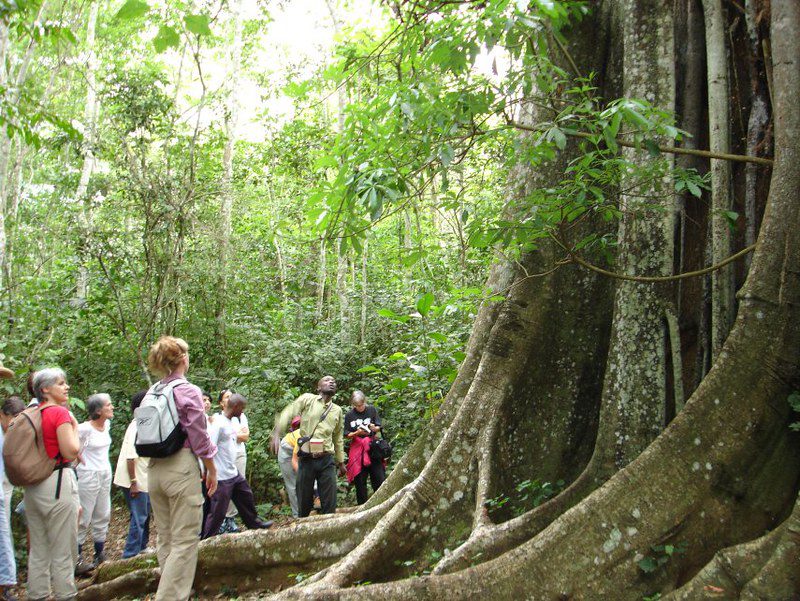
The forest features a network of hiking trails that cater to various fitness levels. Whether you’re looking for a leisurely stroll or a challenging hike, Mabira offers options for all. Guided hikes provide valuable insights into the forest’s ecology and history.
Birdwatching Paradise
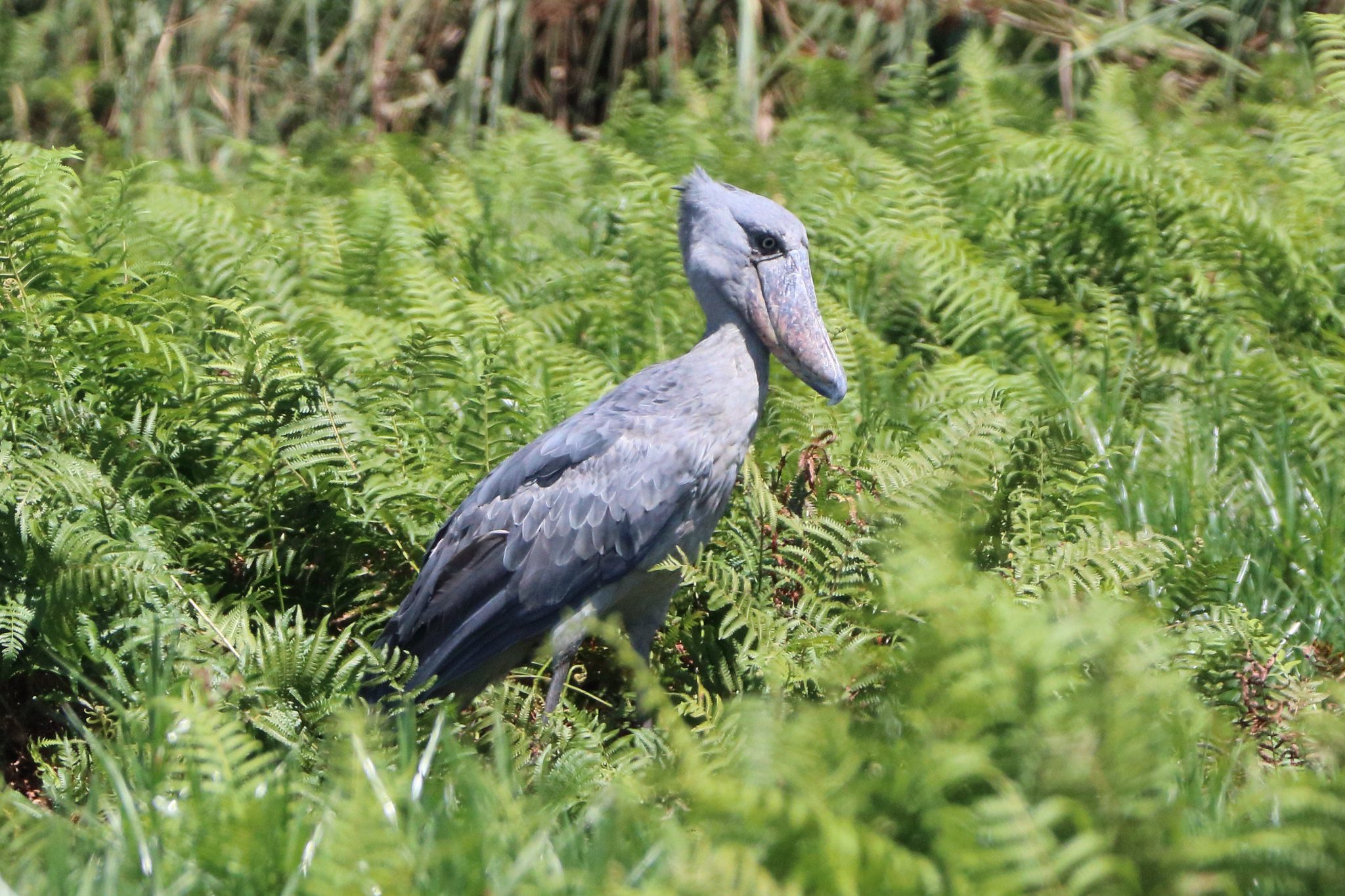
Bird enthusiasts will be in paradise in Mabira Forest. With over 300 bird species, including the Great Blue Turaco and the African Grey Parrot, it’s a haven for birdwatchers. Guided birdwatching tours are available for those seeking to tick off their birding bucket list.
Primate Encounters
Mabira is home to several primate species, including the Grey-cheeked Mangabey and Red-tailed Monkey. Guided walks through the forest provide opportunities to observe these playful creatures in their natural habitat.
Conservation and Sustainability
Biodiversity Conservation
Mabira Forest plays a vital role in conserving Uganda’s biodiversity. It’s a sanctuary for many endangered species, making it essential for conservation efforts.
Community Involvement
Efforts are underway to involve local communities in sustainable tourism practices, ensuring that the forest’s beauty benefits both visitors and those living nearby.
In a nutshell, Mabira Forest is a remarkable natural marvel, combining adventure, education, and tranquillity. Mabira Forest makes an unforgettable impact, whether you’re exploring its canopy, traversing its pathways, or simply listening to the enchanting calls of its birds. Mabira Forest, as an icon of Uganda’s great biodiversity and conservation dedication, serves as a monument to the beauty and value of our natural environment. It’s a must-see for anybody looking to reconnect with nature in its purest form.
Getting to Mabira Forest
Mabira’s location directly along the Kampala-Jinja highway makes it one of Uganda’s most accessible forest reserves, reachable in under an hour from Kampala by road, with clearly marked entry points for the main visitor center and canopy walkway. This convenience makes Mabira a practical stop for travelers with limited time, whether as a standalone day trip from Kampala or a stopover en route to Jinja and the source of the Nile.
Zip-Lining Through the Canopy
Beyond the suspended walkway, Mabira offers a zip-line circuit strung between platforms high in the forest canopy, giving visitors a faster, more adrenaline-driven perspective on the forest than the walkway alone provides. The zip-line course typically takes an hour or so to complete and pairs well with a guided nature walk on the same visit for travelers wanting both an active and an educational forest experience.
Best Time to Visit Mabira Forest
Mabira remains accessible and rewarding year-round given Uganda’s tropical climate, though the drier months, December to February and June to September, offer firmer trail conditions for hiking and generally clearer views from the canopy walkway. The wetter months bring a lusher, greener forest and increased butterfly activity, a genuine trade-off for photographers and nature enthusiasts weighing trail comfort against visual richness.
Camping and Overnight Stays
Several accommodation options exist in and around Mabira Forest, ranging from basic campsites to more established eco-lodges, allowing visitors to extend beyond a single day trip and experience the forest’s sounds and atmosphere after dark. An overnight stay also opens up early-morning birding walks, when the forest’s bird activity and calls are at their most active, before day-trippers arrive.
Combining Mabira With a Jinja Stopover
Mabira’s position directly along the route to Jinja makes it a natural stop for travelers heading to the source of the Nile for white-water rafting, bungee jumping, or a quieter river cruise. All in Africa Safaris can help sequence a Mabira forest stop with a Jinja adventure itinerary, minimizing backtracking along Uganda’s main eastern highway.
Mabira’s History and Conservation Challenges
Mabira has faced repeated threats from proposed sugarcane plantation expansion over the past two decades, a controversy that sparked significant public opposition and helped cement the forest’s status as a symbol of Uganda’s broader conservation debate. Understanding this history adds context for visitors, highlighting that the forest’s continued existence as a protected reserve reflects an ongoing, actively contested balance between development pressure and conservation advocacy.
Guided Tours Versus Independent Exploration
A knowledgeable local guide considerably enriches a Mabira visit, identifying bird calls, primate movement, and plant species that would otherwise go unnoticed by an independent visitor unfamiliar with the forest. All in Africa Safaris can arrange guided access to the canopy walkway, zip-line, and forest trails as part of a coordinated day trip or overnight stay.
What to Pack for a Mabira Visit
Comfortable, closed-toe walking shoes suit both the hiking trails and canopy walkway, while insect repellent and light, breathable clothing help with the forest’s humid, sheltered microclimate. A camera with a reasonably fast lens is worth bringing given the dappled light beneath the canopy, along with binoculars for the forest’s rich birdlife.
Mabira’s Butterflies and Smaller Wildlife
Beyond its headline birds and primates, Mabira hosts an impressive variety of butterfly species, particularly active and visible along sunlit forest clearings and riverbanks, rewarding visitors who slow down and look closely rather than moving quickly through the forest. Guided walks focused specifically on this smaller-scale biodiversity offer a genuinely different pace and focus than the more headline-grabbing canopy walk or zip-line activities.
Why Mabira Matters Beyond Tourism
As one of Uganda’s last significant lowland tropical rainforests within easy reach of Kampala, Mabira plays a meaningful ecological role in regional rainfall patterns and water catchment beyond its value as a tourist attraction. Visiting Mabira, and supporting the tourism revenue that funds its ongoing protection, is one tangible way travelers can contribute to the forest’s continued survival against the development pressures it has faced.
A Practical Half-Day or Full-Day Plan
Travelers with limited time can comfortably combine the canopy walkway and a short guided nature walk into a half-day visit, while a full day allows for the zip-line course, a longer hiking trail, and a dedicated birdwatching session without feeling rushed between activities. All in Africa Safaris can help structure your Mabira visit around exactly how much time you have available.
Mabira as an Introduction to Uganda’s Forests
For travelers new to East Africa’s rainforest ecosystems, Mabira’s accessibility and well-developed visitor infrastructure make it an excellent, low-commitment introduction before tackling the more remote and physically demanding forests of Kibale or Bwindi further into a Uganda itinerary. Many first-time visitors describe Mabira as the moment Uganda’s reputation as the “Pearl of Africa” first became tangible, well before reaching the country’s more famous primate-trekking destinations.
Tea Estates Surrounding Mabira
Mabira sits amid some of Uganda’s most productive tea-growing land, and several estates bordering the forest welcome visitors for guided walks through the plantations, offering a distinctly agricultural counterpoint to the wild forest itself. Combining a tea estate visit with your Mabira forest activities gives a fuller sense of how this region’s economy and landscape intertwine, cultivated fields giving way directly to protected rainforest along shared borders.
Rainy Season Considerations at Mabira
Mabira’s canopy provides meaningful shelter from rain compared to open savanna environments elsewhere in Uganda, meaning light showers rarely disrupt a forest walk entirely, though the canopy walkway and zip-line activities may pause temporarily during heavier downpours for safety reasons. Checking current weather conditions with your guide or operator before finalizing wet-season plans helps avoid disappointment around these weather-dependent activities specifically.
Mabira’s Place on a Kampala-to-Jinja Route
For travelers driving Uganda’s busy eastern highway between Kampala and Jinja regardless of their final destination, Mabira offers a genuinely worthwhile reason to break up the journey rather than simply passing through, turning what could be a two-hour transit drive into a memorable stop in its own right. All in Africa Safaris can build this stop directly into a wider Uganda itinerary that includes both Jinja’s Nile adventure activities and destinations further afield.
A Forest Worth More Than a Passing Glance
Given how easily Mabira could be reduced to a highway landmark glimpsed from a moving vehicle, the forest’s real reward comes specifically from stopping, whether for an hour on the canopy walkway or a full day combining several activities, rather than simply driving past on the way to somewhere else. Travelers who make that stop consistently rank it among the more pleasant surprises of an otherwise wildlife-focused Uganda itinerary.