
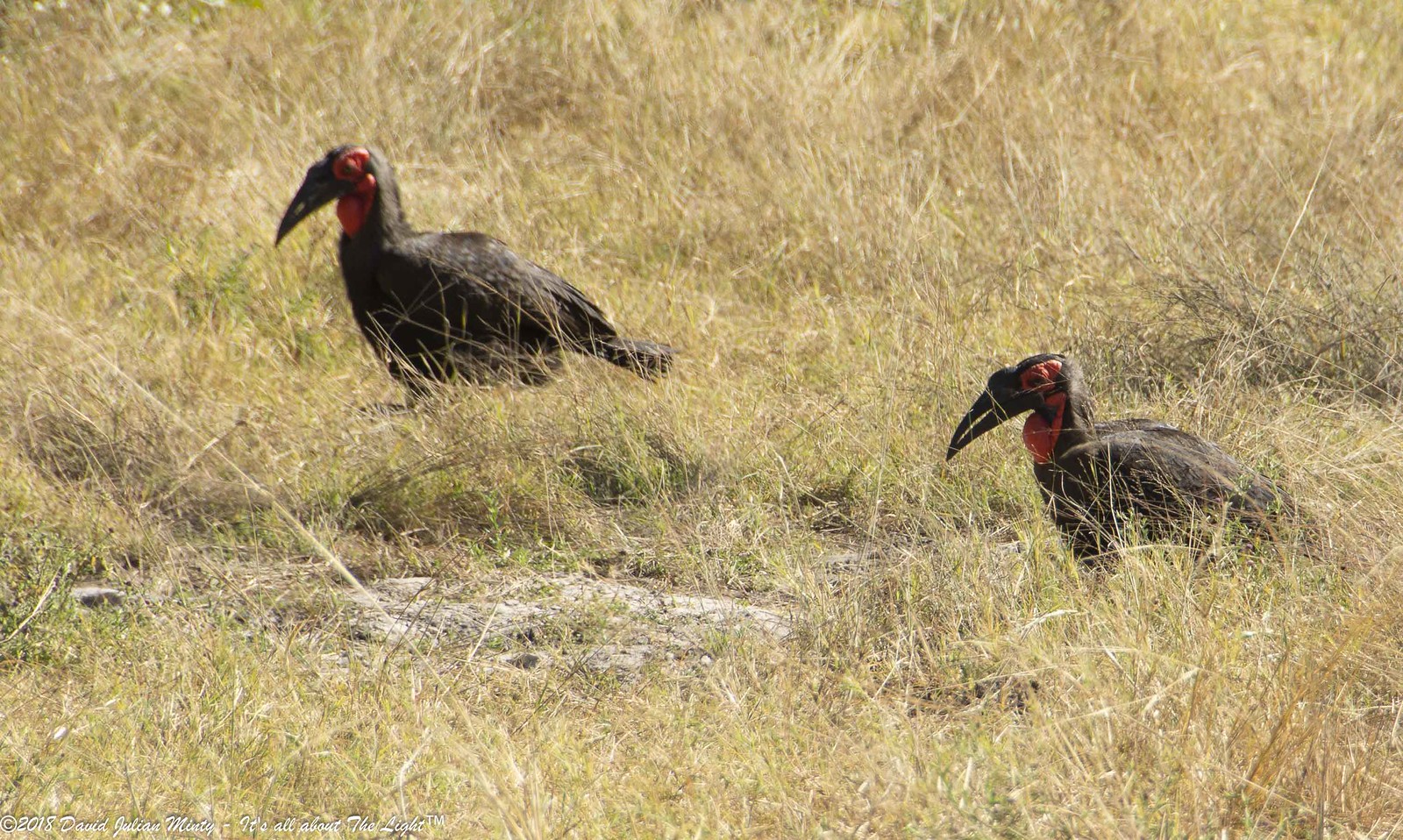
Birding on a budget in East Africa: Low-cost spots and tours
Birdwatching in East Africa does not have to involve expensive safaris, luxury lodges or private four-wheel-drive vehicles. Some of the region’s best birding experiences are available in wetlands, public gardens, community forests, lakeshores and small nature reserves that you can visit without paying for a full wildlife safari. With a good pair of binoculars, a field guide and some knowledge of local birding sites, you can build an impressive species list while keeping your travel costs under control.
Uganda, Kenya, Tanzania and Rwanda offer excellent opportunities for budget birdwatching. Uganda has accessible wetlands around Entebbe and Kampala, Kenya has urban forests and lakeside sanctuaries, Tanzania offers bird-rich highlands and accessible areas around major towns, while Rwanda has productive wetlands close to Kigali. You can also find affordable local guides who know where to search for particular species.
The biggest expenses on a birding trip are often transport, accommodation, park entrance fees and specialist guiding. Choosing destinations close to where you are staying, sharing transport with other birders and visiting sites outside expensive national parks can reduce these costs considerably. You do not need to visit every famous safari destination to enjoy excellent birdwatching.
Why East Africa is suitable for budget birdwatching
East Africa has a wide range of habitats within relatively short travelling distances. Forests, wetlands, lakes, savannahs, riverbanks, agricultural landscapes and mountain environments support different bird communities. This variety means you can find rewarding birding opportunities without travelling between several national parks.
Some species are easier to find in ordinary landscapes than in expensive protected areas. Weavers, sunbirds, kingfishers, herons, egrets, doves, bee-eaters and various raptors can be observed around towns, gardens, farms and lakeshores. Wetlands close to major cities can also support specialist species that attract international birdwatchers.
Budget birding is particularly practical when you choose one base and explore nearby habitats. Entebbe, for example, offers access to botanical gardens, lakeshore vegetation, Mabamba Bay and other wetlands. Nairobi has urban forests, nature trails and several bird-rich sites within a manageable distance of the city. Kigali provides access to wetlands in the Bugesera region and other habitats around the capital.
Instead of booking a long private safari, you can arrange several half-day outings with local guides. This approach allows you to spend more time observing birds and less money covering long distances.
Uganda: Affordable birding around Entebbe and Kampala
Uganda is one of the strongest choices for budget birdwatching in East Africa. Its wetlands, forests, lakeshores and countryside support a large variety of resident and migratory birds. You can find productive birding locations close to Kampala and Entebbe without travelling to the major national parks.
Entebbe Botanical Gardens
<PRIVATE_PERSON>Entebbe Botanical Gardens is one of the most convenient places to begin birdwatching in Uganda. Located along the northern shore of Lake Victoria, the gardens contain mature trees, planted vegetation, open lawns and lakeside habitats.
You can explore the grounds on foot and search for turacos, sunbirds, weavers, kingfishers, hornbills and other woodland species. Great blue turacos are among the birds that visitors often look for in the gardens. You may also encounter black-and-white colobus monkeys and vervet monkeys during your walk.
The gardens are useful for independent birdwatchers because you do not need to arrange a long-distance safari vehicle. You can visit for a few hours, carry your own binoculars and spend time checking different sections of the grounds. A local guide can improve the experience if you are unfamiliar with Uganda’s bird species.
Mabamba Bay wetland
Mabamba Bay is one of Uganda’s most famous birdwatching locations, particularly for visitors hoping to see the shoebill. The wetland lies west of Entebbe on the northern shore of Lake Victoria and contains extensive papyrus channels and shallow-water habitats.
A community-operated canoe excursion is the usual way to explore the wetland. Local boat guides know the channels and feeding areas where shoebills are sometimes found. Other birds you may encounter include papyrus gonoleks, herons, egrets, jacanas, kingfishers, weavers and other wetland species.
Mabamba is not a free destination, but it can be more affordable than travelling to a distant national park for a specialist birding experience. Published local tour prices vary according to the starting point and inclusions. Some operators advertise standard canoe excursions from around US$50 per person when starting at the wetland, while transport from Entebbe costs extra. Always confirm the current price, community fees, canoe arrangement and guide service before travelling.
You can reduce the cost by sharing a canoe or transport with other visitors. If you are staying in Entebbe, arrange the excursion directly with a community operator rather than automatically booking a private package from Kampala. A shoebill sighting is never guaranteed, so allow enough time for searching.
Lutembe Bay
Lutembe Bay is another important wetland on the northern shore of Lake Victoria. It is known for waterbirds and seasonal concentrations of birds, including species that use the wetland during migration.
The area can be useful for birdwatchers based in Kampala or Entebbe who want to explore a wetland without travelling to a distant park. Depending on the access point and local arrangements, you may need to organise a community guide or boat. Confirm access and costs before setting out, as suitable viewing locations are not always straightforward to reach independently.
Mabira Forest
Mabira Forest, between Kampala and Jinja, offers a different experience from the open wetlands around Lake Victoria. Its forest trails support a variety of woodland and forest birds, including turacos, barbets, greenbuls, hornbills and other species.
The forest is a useful stop for travellers moving between Kampala and eastern Uganda. You can arrange a guided walk for a few hours rather than paying for accommodation inside a distant national park. A local bird guide can help locate species that are difficult to identify through sight alone.
Mabira is especially useful if you want to add forest birding to a trip that already includes Jinja or the eastern region. However, transport to the forest and the cost of a specialist guide should be included in your budget.
Bigodi Wetland Sanctuary
Bigodi Wetland Sanctuary, near Kibale Forest National Park, is a community-managed conservation area known for its birdlife. The wetland and surrounding vegetation support species such as great blue turacos, papyrus gonoleks, kingfishers, weavers and other forest-edge and wetland birds.
A guided walk is generally the best way to explore the sanctuary. Local guides understand the trails and can help identify birds by their calls. The visit also supports community conservation and local employment.
Bigodi is not as inexpensive as a walk through a public garden, but it can offer good value if you are already visiting the Kibale area. You avoid the cost of a full national park birding excursion while gaining access to a productive community conservation site.
Kenya: Low-cost birding around Nairobi and beyond
Kenya is famous for wildlife safaris in the Maasai Mara, Amboseli and Tsavo, but birdwatchers can find excellent opportunities without paying for expensive game drives. Nairobi has several accessible green spaces, while other parts of the country offer lakes, forests and community-managed sanctuaries.
Nairobi Arboretum
The Nairobi Arboretum is one of the most practical low-cost birding locations in Kenya’s capital. It contains trees, shrubs, open spaces and walking paths that attract a variety of birds.
You can look for sunbirds, robin-chats, weavers, doves, flycatchers and other woodland species. The arboretum is particularly useful for travellers who have a free morning or afternoon in Nairobi and do not want to organise a full-day safari.
Entry charges are generally much lower than national park fees, although the current tariff and payment arrangements should be checked before visiting. You can explore independently or arrange a local guide if you want help identifying unfamiliar species.
Oloolua Nature Trail
Oloolua Forest in Karen offers indigenous forest trails, a stream, bamboo vegetation and other habitats that support woodland and forest birds. It is a good option for birdwatchers who want a nature walk without travelling far from Nairobi.
The trails provide opportunities to listen for calls and observe birds moving through the vegetation. You can also enjoy the forest environment and waterfall area during the visit.
Oloolua is managed as a nature trail, so check the current entry arrangements, opening hours and payment requirements before travelling. The site is suitable for a half-day outing, particularly if you are staying in the southern part of Nairobi.
Nairobi National Park offers much more extensive birding than the city’s smaller green spaces. Its grasslands, wetlands, riverine vegetation and open plains attract a wide range of resident and migratory birds.
You may encounter ostriches, secretarybirds, bustards, storks, vultures, eagles, plovers and numerous smaller species. The park is also known for its larger wildlife, so it can be an appealing option if you want to combine birdwatching with a general safari.
However, park entry and vehicle costs make it more expensive than the arboretum or Oloolua Forest. For a budget visit, travel with a group and share the vehicle cost. If birdwatching is your main interest, arrange a guide who understands bird identification rather than relying only on a general game-drive guide.
Lake Naivasha
Lake Naivasha is a useful destination for birdwatchers looking for waterbirds and lakeshore species. The lake and surrounding vegetation attract African fish eagles, herons, cormorants, kingfishers, jacanas and many other birds.
You can find birding opportunities around lakeside accommodation, public access areas and nearby community sites. A boat trip can provide closer views of birds along the shoreline, but it adds to the cost. If your budget is limited, ask about sharing a boat with other visitors rather than hiring one privately.
Lake Naivasha also works well as a base for exploring nearby habitats. You can combine lakeshore birding with a visit to Crescent Island or other local nature areas, depending on entry charges and transport arrangements.
Lake Simbi National Sanctuary
Lake Simbi, near Kendu Bay in western Kenya, is a small volcanic lake that attracts waterbirds. Flamingos, little grebes, egrets and Egyptian geese are among the species recorded in the area.
It is an interesting option for birdwatchers exploring western Kenya and the Lake Victoria region. The sanctuary has historically published relatively modest entry charges compared with major national parks, although current fees and access arrangements should be confirmed before visiting.
The surrounding area can also provide opportunities to observe birds outside the sanctuary. As with other wetland sites, sightings vary according to water conditions and seasonal movements.
Tanzania: Affordable birding outside the main safari circuit
Tanzania is well known for the Serengeti, Ngorongoro Crater and other major wildlife destinations. These parks offer excellent birdwatching, but their entry fees, transport and accommodation can make them expensive for travellers on a tight budget.
You can still enjoy productive birding in Tanzania by focusing on accessible habitats near towns and choosing local guides for shorter excursions.
Arusha town and its surrounding green spaces
Arusha is a useful base for birdwatchers exploring northern Tanzania. The town and its surrounding areas contain gardens, farms, woodland patches and open spaces that support different bird species.
You can spend time observing birds around accommodation gardens, local green spaces and the outskirts of town before travelling to more specialised habitats. Look for sunbirds, weavers, doves, hornbills, starlings and raptors depending on the location.
If you are staying in Arusha before or after a safari, ask a local bird guide about nearby sites that can be visited without paying for a full national park excursion. A short guided walk may provide better value than hiring a vehicle for an entire day.
Lake Duluti
Lake Duluti, near Arusha, is a small crater lake surrounded by forest and vegetation. It offers a peaceful environment for birdwatching and nature walks.
The lake and surrounding woodland can attract water-associated birds, kingfishers, herons, egrets and forest-edge species. You can explore the area on foot and spend time observing birds around the lake.
Local access and guiding arrangements may involve fees, but a short visit is generally easier to organise than a multi-day national park safari. Confirm the current charges and whether a guide is included before arriving.
Usambara Mountains
The Usambara Mountains in northeastern Tanzania are especially interesting for birdwatchers because of their forest habitats and highland species. The area supports several birds that are difficult to find in lower-elevation savannah.
Lushoto and surrounding villages can serve as bases for guided forest walks. Local guides are valuable because some forest birds remain hidden in dense vegetation and are easier to locate through their calls.
The Usambara Mountains can be more affordable than a northern Tanzania safari if you use local accommodation, public transport where practical and community guides. However, transport between villages and forest sites can add up, so plan your route before travelling.
Village and farmland birding
Agricultural landscapes around Tanzanian towns can also provide productive birding. Farms, small wetlands, river edges and planted trees attract a mixture of common and specialist species.
You can often observe weavers, bishops, doves, bee-eaters, rollers, swallows and raptors without entering a national park. Ask local residents or guides about suitable places to walk, and obtain permission before entering private farmland.
This style of birding is particularly useful for travellers who want to build a species list gradually rather than concentrate on expensive flagship destinations.
Rwanda: Budget birdwatching near Kigali
Rwanda is a compact country with several productive birding habitats. Although Volcanoes National Park and Nyungwe Forest are major attractions, you do not need to visit these parks to enjoy birdwatching.
The wetlands around Kigali and the Bugesera region offer opportunities to observe waterbirds, papyrus specialists and other species in accessible locations.
Bugesera wetlands
The Bugesera District, southeast of Kigali, contains lakes, marshes and wetland vegetation that support a large variety of birds. It is one of the more practical regions for birdwatchers who want to explore without travelling to the country’s distant national parks.
Birds of interest include papyrus gonoleks, papyrus canaries, swamp warblers, jacanas and various waterbirds. The exact species available depend on the wetland and season.
You can organise a day trip from Kigali with a local bird guide. Sharing a vehicle with other birdwatchers can reduce transport costs, particularly when visiting several wetlands in one day.
Rugezi Marsh
Rugezi Marsh in northern Rwanda is an important wetland and a recognised Ramsar site. It supports wetland birds, including Grauer’s swamp warbler, grey crowned cranes and papyrus-associated species.
It is a particularly interesting destination for birdwatchers searching for specialised wetland birds. However, it is farther from Kigali than the Bugesera wetlands, so transport costs should be considered.
A local guide can help you identify suitable viewing points and understand the access conditions. Avoid entering sensitive marsh vegetation without permission or disturbing birds in breeding areas.
Wetlands around Kigali
You can also find birding opportunities around smaller wetlands, lakes and green spaces in and near Kigali. These locations are useful for travellers who have limited time and want to fit birdwatching into a short stay.
Ask local guides about accessible sites before arranging transport. Some wetlands are surrounded by private land or have limited public access, so it is important to establish where visitors can walk and whether a local guide is required.
How to reduce the cost of birding tours
Choosing an affordable destination is only part of the process. The way you organise your birding trip can make an equally important difference to the final cost.
Share transport with other birdwatchers
Transport is often one of the largest expenses on a birding trip. A private vehicle hired for one person can be expensive, particularly when travelling from a city to a distant wetland or forest.
Travelling with two to four birdwatchers allows you to divide the vehicle cost. You can also share fuel expenses and, where appropriate, accommodation. Ask birding clubs, travel groups or local guides whether they have scheduled group outings.
Choose half-day excursions
You do not always need a full-day tour. A morning walk in a forest, a few hours at a botanical garden or a half-day wetland excursion may be enough to explore a particular habitat.
Half-day trips can be especially useful when you are staying in Entebbe, Nairobi, Arusha or Kigali. You spend less on guiding and transport while still gaining access to productive birding locations.
However, some specialist sites require longer journeys or extended searching. Mabamba Bay, for example, may need a substantial part of the morning because the shoebill can take time to locate.
Hire a local bird guide
A specialist bird guide may appear to be an additional expense, but good guiding can save time and improve the number of species you identify. Local guides understand bird calls, seasonal movements, feeding locations and the habitats where particular species are likely to occur.
You do not always need to hire a guide for an entire week. Consider booking a specialist for one or two days, then explore familiar public sites independently.
Before booking, ask whether the fee covers transport, site entry, boat hire or equipment. A low advertised price may exclude several costs that you will need to pay separately.
Stay close to birding locations
Accommodation close to your main birding site can reduce daily transport expenses. If you plan to explore Entebbe’s gardens and Mabamba, staying in Entebbe may be more economical than travelling from Kampala every morning.
The same applies to Nairobi, Arusha and Kigali. Choose a practical base near the habitats you want to visit, and avoid changing hotels unnecessarily.
Budget guesthouses, hostels and locally owned accommodation can be suitable for birdwatchers who spend most of the day outdoors. A property with a garden may also provide opportunities to observe birds before breakfast or after returning from an excursion.
Use your own birding equipment
Hiring binoculars and other equipment can add to the cost of repeated excursions. If you already own binoculars, carry them rather than relying on equipment supplied by tour operators.
An 8×42 binocular is a practical choice for general birdwatching. You can also carry a notebook and a field guide covering East African birds. Free or low-cost bird identification applications can help you review calls and photographs, but download useful resources before travelling in areas with limited internet coverage.
A spotting scope is helpful for distant waterbirds, but it is not essential for every budget trip.
Use public transport where practical
Public transport can reduce costs when visiting sites near towns, but it is not suitable for every birding destination. Some wetlands and forest reserves are difficult to reach without a private vehicle or local transfer.
Check the route, travel time and final distance from the nearest public transport stop. If you need to hire a motorcycle or taxi for the last section, include that cost in your budget. For remote sites, sharing a vehicle with other birders may be more practical.
A sample low-cost birding itinerary in Uganda
A short Uganda birding trip can be organised without visiting the country’s expensive or distant safari destinations. You can use Entebbe as your base and explore several habitats over three days.
On the first day, visit Entebbe Botanical Gardens. Spend the morning searching the trees, flowering plants and lakeshore for turacos, sunbirds, weavers, kingfishers and other woodland birds. You can explore at your own pace and avoid hiring a safari vehicle.
On the second day, arrange a community canoe excursion at Mabamba Bay. Start early and spend the morning searching papyrus channels for the shoebill and other wetland birds. Share transport with other travellers if you are coming from Entebbe or Kampala.
On the third day, choose Lutembe Bay or another accessible wetland based on current access arrangements. You can also arrange a guided walk around suitable lakeshore or woodland habitat. This gives you a different birding environment without requiring a long-distance journey.
The total cost depends on your accommodation, transport, guide arrangements and the activities you choose. The main saving comes from using one base, choosing short excursions and avoiding private vehicle hire for every outing.
A sample low-cost birding itinerary in Kenya
Nairobi provides a convenient base for a short birding break. You can combine urban forest birding with a more extensive nature excursion.
Begin with Nairobi Arboretum, where you can explore woodland paths and look for sunbirds, robin-chats, weavers and other garden and forest-edge species. Continue to Oloolua Nature Trail for a different forest environment.
If your budget allows, add a visit to Nairobi National Park. Share transport with other visitors and arrange a bird-focused guide so that you spend time observing birds rather than concentrating only on larger wildlife.
For a longer trip, travel to Lake Naivasha and explore the lakeshore. A shared boat excursion can provide opportunities to observe waterbirds and African fish eagles without paying for a private boat.
What to carry on a budget birdwatching trip
You do not need expensive equipment to enjoy birdwatching. A small collection of practical items can make your outings more comfortable and productive.
Binoculars are the most important piece of equipment for most birdwatchers. An 8×42 pair provides a good balance between magnification and brightness. A field guide or identification application helps you recognise species and compare similar birds.
Wear comfortable walking shoes and lightweight clothing suitable for the weather. Forest trails can be muddy after rain, while open wetlands may have limited shade. Carry drinking water, insect repellent, sunscreen and a small waterproof bag for your phone or camera.
A notebook is useful for recording sightings, locations and bird behaviour. You can also keep a digital checklist, but avoid spending so much time on your phone that you miss birds moving nearby.
If you are photographing birds, use the equipment you already own rather than buying a long telephoto lens solely for one trip. A camera is optional, and you can enjoy excellent birdwatching with binoculars alone.
When is the cheapest time to go birdwatching in East Africa?
The cost of birdwatching depends more on your travel arrangements than on one fixed season. Flights, accommodation, park fees and local transport may change throughout the year. Some destinations become busier during popular wildlife seasons, while others remain relatively affordable.
The rainy seasons can offer attractive birding conditions. Vegetation becomes greener, wetlands fill and breeding activity increases for some species. Migratory birds also pass through East Africa at particular times of the year. However, heavy rain can make some trails difficult to use and may affect access to remote sites.
Dry periods can make walking and road travel easier, especially in areas with unpaved roads. However, popular wildlife destinations may attract more visitors, and accommodation prices can increase during busy travel periods.
If your main goal is to keep costs low, travel outside major holiday periods, compare accommodation rates and ask local guides about seasonal group excursions. Do not choose a season based only on price. Consider the birds you want to see and the habitats they use.
How to find affordable local birding guides
Local bird guides are available in many East African destinations, but their experience and specialisation vary. Some guides focus on general wildlife safaris, while others have extensive knowledge of bird identification and calls.
Before booking, explain that birdwatching is your main interest. Ask whether the guide has experience identifying birds in your chosen habitat and whether they can help you search for particular species.
Request a clear breakdown of the cost. Find out whether the price includes transport, site entry, boat hire, meals and any community conservation charges. Agree on the meeting point and expected duration before the excursion.
You can find guides through local birding clubs, community tourism associations, accommodation providers and established tour operators. Recommendations from other birdwatchers can be especially useful. If you are travelling alone, ask whether you can join an existing group rather than paying for a private excursion.
Birdwatching responsibly while spending less
Budget birding should support the places and people who protect the birds you want to see. Paying a community guide, using an authorised boat operator or supporting a locally managed sanctuary can provide income for conservation and local livelihoods.
Avoid entering private land without permission, disturbing nesting birds or using recorded calls excessively to attract species. Keep a respectful distance from birds, especially at wetlands and breeding sites. Do not leave litter behind, and follow the instructions of local guides and site managers.
Some of the best birding experiences come from spending time in ordinary habitats rather than visiting famous parks. A quiet morning in a community wetland, a walk through a town botanical garden or a forest trail with a knowledgeable local guide can produce memorable sightings without a large safari budget.
East Africa offers enough variety to suit birdwatchers with different budgets. You can search for shoebills in Uganda, explore urban forests in Kenya, visit highland habitats in Tanzania or watch wetland specialists in Rwanda. Plan around accessible sites, share transport, use local guides where their knowledge adds value and choose accommodation close to the habitats you want to explore. With these practical decisions, you can enjoy a rewarding birdwatching trip without paying for an expensive multi-day safari.




No comment