
Where to see cheetahs in East Africa: Mara, Serengeti and Amboseli
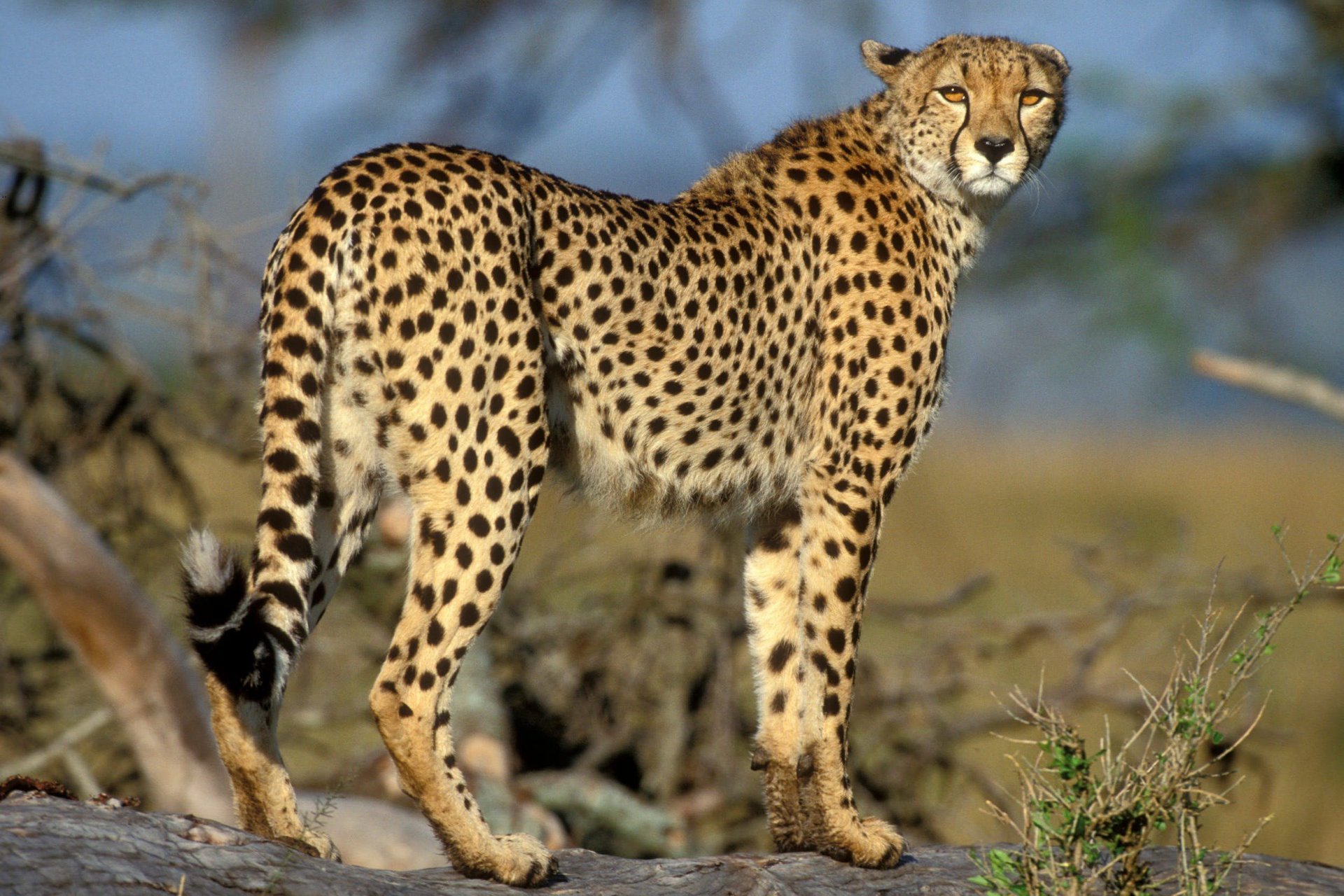
Cheetahs are among the most exciting animals to encounter on an East African safari. Their slender bodies, distinctive black spots and dark lines running from the eyes to the mouth make them easy to recognise. Unlike lions and leopards, cheetahs rely on speed and open space to catch their prey. This makes certain grassland landscapes particularly suitable for finding them.
East Africa offers several important cheetah habitats, with Kenya’s Maasai Mara and Tanzania’s Serengeti standing out as the leading destinations. Amboseli National Park in Kenya also supports cheetahs and offers a different setting, with open plains and views of Mount Kilimanjaro. Other areas, including Samburu and Laikipia in Kenya, provide further opportunities, although sightings can be less predictable.
Choosing the right destination depends on the time of year, the type of landscape you want to explore and how much time you can spend searching for wildlife. Cheetahs are wild animals with large home ranges, so no park can guarantee a sighting. However, visiting areas with suitable habitat and established cheetah populations gives you a better chance of finding them.
Why East Africa is important for cheetahs
East Africa contains one of the most important remaining landscapes for wild cheetahs. The connected grasslands and savannas of the Serengeti-Mara ecosystem support cheetahs alongside lions, leopards, spotted hyenas and large populations of grazing animals. This landscape crosses the Kenya-Tanzania border, allowing wildlife to move between protected areas and surrounding conservation lands.
Cheetahs need extensive areas of suitable habitat. They prefer open grasslands, lightly wooded savannas and plains where they can spot prey from a distance. Thick vegetation can make hunting difficult because cheetahs depend heavily on their eyesight when stalking and chasing animals.
Their preferred prey includes Thomson’s gazelles, Grant’s gazelles, young wildebeest and other small to medium-sized antelopes. These animals are common in several East African parks, particularly the Mara and Serengeti. The seasonal movement of wildebeest and zebra also influences where predators find feeding opportunities.
The cheetah is classified as Vulnerable on the International Union for Conservation of Nature Red List. Habitat loss, human-wildlife conflict, declining prey populations and the fragmentation of natural landscapes continue to threaten the species. East Africa’s protected areas and community conservancies therefore play an important role in its survival.
Maasai Mara National Reserve, Kenya
The Maasai Mara is one of the best places in Africa to look for wild cheetahs. Located in southwestern Kenya, the reserve forms part of the larger Mara-Serengeti ecosystem. Its extensive grasslands, scattered shrubs and abundant antelope populations provide suitable conditions for cheetahs throughout the year.
Cheetahs are resident in the wider Mara ecosystem, so visitors do not have to depend entirely on the Great Migration to find them. The arrival of migrating wildebeest and zebra between approximately July and October adds to the wildlife activity, but resident gazelles and other prey animals remain available outside these months.
The central plains are among the areas guides commonly search when looking for cheetahs. The open grassland around Talek and Musiara also provides suitable habitat. The Mara Triangle, on the western side of the reserve, is another area worth exploring. Sightings vary with animal movements, vegetation and recent weather conditions.
Cheetahs often use termite mounds, small rises and other elevated points to scan the surrounding grassland. A cheetah resting on a mound may be watching for prey or checking its surroundings for potential threats. Guides familiar with the area can sometimes identify individuals and follow their movements over several game drives.
The surrounding conservancies also contribute to cheetah conservation and viewing opportunities. Areas such as Naboisho, Olare Motorogi, Mara North and Ol Kinyei contain open grassland and mixed savanna habitat. Some conservancies operate under visitor and vehicle management rules that can help reduce pressure around wildlife sightings.
The Mara is particularly interesting for visitors who want to observe cheetah behaviour. You may find a female resting with cubs, a male coalition moving through its territory or an adult scanning the plains before a possible hunt. However, cheetah hunts are unpredictable. Even experienced guides cannot know exactly when an animal will decide to chase prey.
Best time to see cheetahs in the Maasai Mara
Cheetahs can be seen throughout the year, but conditions change with the seasons. The dry period from around July to October often provides good visibility because grass becomes shorter and animals are easier to locate. This period also coincides with the Great Migration in the Mara, bringing large numbers of wildebeest and zebra into the ecosystem.
January to March is another useful period for cheetah viewing. The landscape may be greener following seasonal rains, and resident prey populations provide opportunities for predators. The conditions can vary between years, so it is best to avoid treating any particular month as a guarantee.
The rainy months can make some tracks difficult to navigate. Taller grass may also reduce visibility, although the landscape becomes attractive for photography and birdwatching. Cheetahs remain present, but locating them may require more time and patience.
Serengeti National Park, Tanzania
The Serengeti is another leading destination for cheetah viewing in East Africa. Its enormous grasslands, open plains and varied habitats support one of the region’s most important cheetah populations. The park is particularly suitable for these predators because many areas provide long sightlines and large numbers of gazelles and other grazing animals.
The Serengeti covers a much larger area than most visitors can explore during a short safari. Where you stay therefore makes a difference. The southern plains, central Serengeti and eastern areas each offer different wildlife experiences, and the best location depends partly on the season.
The southern Serengeti and the Ndutu area are especially well known for wildlife viewing during the wildebeest calving season. This period generally runs from December to March, although the exact timing changes with rainfall. Large numbers of wildebeest gather on the short-grass plains, and many give birth within a relatively concentrated period.
Newborn wildebeest and young gazelles provide potential prey for cheetahs. The open terrain also makes it easier to observe predators moving across the plains. Visitors may encounter adult cheetahs scanning the grassland, stalking small antelopes or resting after a hunt.
Central Serengeti, particularly the wider Seronera area, offers year-round opportunities. Its open grasslands and mixed savanna support resident wildlife, making it a practical base for visitors who want to combine cheetah viewing with sightings of lions, leopards, elephants and other animals.
The eastern Serengeti, including the Namiri Plains area, is also associated with cheetah research and conservation. This landscape contains extensive open plains that provide suitable hunting habitat. The area is particularly attractive to visitors interested in predator behaviour and photography.
Northern Serengeti has cheetahs too, although many visitors choose this region primarily for the Great Migration and its river crossings. Cheetah sightings remain possible, but the northern region should not automatically be considered the strongest choice if your main objective is to find these cats.
Best time to see cheetahs in the Serengeti
December to March is a particularly good period to explore the southern plains around Ndutu. The wildebeest calving season attracts large herds, and the short-grass environment can provide excellent visibility. Cheetahs may be seen hunting or moving through areas where young animals are concentrated.
June to October is another popular period for general wildlife viewing. The dry season can make animals easier to locate, although the best region depends on the movement of the herds and local conditions.
Central Serengeti is a useful choice if you want a safari that does not depend on one seasonal wildlife event. Cheetahs are present in the wider ecosystem throughout the year, and the central area offers access to several habitats and wildlife viewing routes.
If you are planning specifically around cheetahs, discuss the seasonal location of the animals with your safari operator before choosing accommodation. A camp in the southern plains may be suitable in February but less convenient for exploring the northern Serengeti during another part of the year.
Amboseli National Park, Kenya
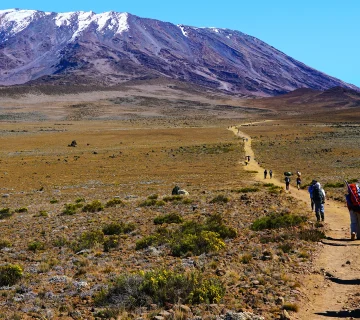
Amboseli National Park is another place where visitors can look for cheetahs in Kenya. The park is famous for its large elephant herds and views of Mount Kilimanjaro, but its open plains and seasonal grasslands also support several predators.
Cheetahs occur in the Amboseli ecosystem, although sightings are generally less predictable than in the Maasai Mara or Serengeti. The park’s landscape includes open grassland, dry plains, swamps and areas of scattered vegetation. These different habitats support a variety of wildlife, but cheetahs are more likely to be encountered in suitable open areas.
The plains around the park’s seasonal wetlands and open grassland provide places where guides may search for cheetahs. The animals can use slightly elevated ground to scan for prey, especially when visibility is good. Gazelles and other small antelopes form part of the available prey base.
Amboseli offers a different photographic experience from the Mara and Serengeti. When conditions are clear, Mount Kilimanjaro can provide a dramatic background for wildlife photography. However, the mountain is often covered by clouds, particularly later in the day, so a clear view is never guaranteed.
Cheetahs may be seen resting, walking across the plains or watching nearby grazing animals. A hunt is possible, but visitors should not plan their entire safari around witnessing one. The park is better approached as a varied wildlife destination where elephants, giraffes, buffalo, zebras, wildebeest and predators all contribute to the experience.
Best time to see cheetahs in Amboseli
The dry months from June to October are popular for wildlife viewing in Amboseli. Vegetation may become shorter, making animals easier to spot in open areas. Wildlife also tends to concentrate around permanent water sources and wetlands as seasonal water becomes scarce.
January and February can also provide useful viewing conditions, although temperatures can be high and weather patterns vary. The rainy seasons bring fresh vegetation and can change the appearance of the landscape considerably.
Amboseli should not be selected solely because you expect to see cheetahs. The Maasai Mara and Serengeti generally offer stronger opportunities for visitors whose main priority is this particular cat. Amboseli is a good alternative if you also want to see elephants and photograph wildlife against the Kilimanjaro landscape.
Other places to see cheetahs in East Africa
Although the Maasai Mara, Serengeti and Amboseli receive much of the attention, several other destinations support cheetahs.
Samburu National Reserve in northern Kenya offers a dry-country safari experience. Its landscape includes open plains, riverine vegetation and semi-arid bushland. Cheetahs occur in the wider Samburu ecosystem, although the vegetation can be more varied than in the open grasslands of the Mara. Visitors may also see Grevy’s zebras, reticulated giraffes, gerenuks and other northern Kenyan wildlife.
Laikipia in central Kenya contains several private conservancies and community-managed wildlife areas. These landscapes support a range of predators and grazing animals, including cheetahs. The experience can differ between properties because each conservancy has its own wildlife management arrangements and visitor rules. Some areas offer a quieter safari environment than the busy sections of major national reserves.
Nairobi National Park is another location where cheetahs can be found. The park lies close to Kenya’s capital and contains open grasslands, rocky valleys and scattered woodland. Its proximity to the city makes it possible to combine a wildlife drive with other Nairobi activities. Cheetah sightings are not guaranteed, but the park provides an unusual opportunity to search for large predators near an urban centre.
In Tanzania, cheetahs also occur beyond the Serengeti. Tarangire National Park and the Ngorongoro Conservation Area support cheetahs, although sightings are less predictable than in the strongest Serengeti viewing areas. The open sections of these landscapes may provide suitable habitat, but visitors should not expect the same consistency as they might find in the central or southern Serengeti.
Kidepo Valley National Park in northeastern Uganda is sometimes mentioned among East African cheetah destinations. However, cheetahs are not a regular sighting in Uganda, and the park should not be promoted as a reliable place to see them. Travellers visiting Kidepo should plan around its established wildlife, including lions, elephants, buffalo, giraffes, zebras and several antelope species, rather than making a cheetah sighting the main purpose of the trip.
What time of day are cheetahs most active?
Cheetahs are primarily active during daylight hours. This behaviour makes them easier to observe on a traditional game drive than many nocturnal predators. Early morning and late afternoon are often productive periods because temperatures are lower and prey animals are active.
During the early morning, a cheetah may move across open ground while searching for food. It may climb onto a termite mound or small rise to scan the area. If it identifies a potential target, it can begin stalking by moving slowly through the grass and keeping a low profile.
Late afternoon can also provide good opportunities. Temperatures begin to fall, and grazing animals may become more active. Cheetahs sometimes rest during the hottest part of the day, seeking shade beneath trees or bushes.
Their activity is not controlled by a strict timetable. A cheetah may hunt at midday when conditions are suitable, while another may remain inactive during the early morning. Your guide should therefore allow time to search for animals rather than relying on a single short drive.
How to recognise a cheetah in the wild
Cheetahs are often confused with leopards, especially by visitors seeing African big cats for the first time. However, the two species have clear physical differences.
A cheetah has a slender body, long legs, a relatively small head and a deep chest. Its coat is pale yellow or golden with individual solid black spots. The most recognisable feature is the pair of dark tear marks that run from the inner corners of the eyes down towards the mouth.
A leopard has a heavier, more muscular body and a coat covered in rosettes. These markings usually consist of dark rings with lighter centres, unlike the separate solid spots of a cheetah. Leopards are also more comfortable climbing trees and frequently use branches to rest or store prey.
Cheetahs have semi-retractable claws that provide traction when running. Their bodies are adapted for acceleration and short, fast pursuits. They cannot maintain their highest speed for long distances because intense running generates considerable heat and uses large amounts of energy.
Adult female cheetahs generally live alone outside the period when they are raising cubs. Male cheetahs may form small groups called coalitions, often consisting of brothers from the same litter. These groups can cooperate when defending territory and hunting.
What you might observe during a cheetah sighting
A cheetah sighting can involve several different behaviours. The animal may be resting in the grass, scanning the plains, grooming itself or walking across its territory. These quieter moments can provide valuable opportunities to study its appearance and movements.
If a cheetah is hunting, you may notice it becoming more alert. It may lower its body, move slowly and use small patches of vegetation for cover. It usually tries to approach prey before beginning a rapid chase. The final pursuit can last only a short time, and the outcome is uncertain.
Cheetahs do not always succeed when they chase prey. A gazelle may escape by changing direction quickly, while a cheetah may abandon the pursuit if it becomes too hot or uses too much energy. Even a successful chase can end without a meal if the animal cannot hold its prey.
A female with cubs offers another interesting sighting. Young cheetahs remain dependent on their mother while learning how to hunt and avoid danger. Cubs are vulnerable to lions, hyenas and other threats, so mothers must balance feeding with protecting their young.
Visitors should observe these interactions without pressuring the animals. A cheetah that is repeatedly surrounded by vehicles may become stressed or change its behaviour. Responsible viewing gives the animal enough space to continue its natural activities.
Photographing cheetahs on safari
Cheetahs are excellent subjects for wildlife photography because they often rest in open areas where visitors can see their full bodies. Their spotted coats can stand out against short grass, making it easier to focus on their facial markings and body shape.
A telephoto lens is useful because it allows you to photograph animals without approaching too closely. A lens in the 300mm to 600mm range can be helpful, depending on the camera and the distance from the animal. A shorter lens may be suitable when a cheetah is close, but guides should never move a vehicle dangerously close to improve a photograph.
Early morning and late afternoon often provide softer light. These periods can also produce attractive backgrounds and longer shadows across the plains. If the cheetah is resting, focus on the eyes and include enough of the surrounding habitat to show where the animal lives.
Photographing a running cheetah requires faster shutter speeds and continuous autofocus. A starting shutter speed of around 1/2000 of a second can help freeze movement, although faster settings may be needed during a rapid chase. Keep your camera ready, but do not allow photography to distract you from the animal’s welfare.
Never ask a guide to block a cheetah’s path, move into its hunting route or follow it at high speed. A good photograph should not interfere with the animal’s natural behaviour.
How to plan a safari focused on cheetahs
If cheetahs are your main wildlife priority, the Maasai Mara and Serengeti should be at the centre of your plans. Both destinations support important populations and contain extensive open habitat. Your choice between them should depend on travel dates, accommodation location and the other wildlife experiences you want.
For a Kenya safari, the Maasai Mara is a strong starting point. You can spend several days exploring the reserve and, depending on your budget and itinerary, include one or more surrounding conservancies. A longer stay gives your guide more opportunities to search different areas rather than repeatedly visiting the same locations.
For a Tanzania safari, the Serengeti offers several seasonal options. Ndutu is particularly attractive during the calving season, while central Serengeti provides a useful base for year-round wildlife viewing. The eastern Serengeti is another option for visitors interested in specialist predator areas.
A combined Kenya and Tanzania safari can include both the Mara and Serengeti. This allows you to experience different parts of the same wider ecosystem, although border crossings, road transfers and flight arrangements need careful planning. The two parks are extensive, so trying to cover too many areas in a short itinerary can reduce the time available for wildlife viewing.
Amboseli can be added to a Kenya itinerary when elephants and Kilimanjaro views are important priorities. It is not a substitute for the Mara if your main objective is to maximise your chances of seeing cheetahs, but it offers a different landscape and wildlife experience.
Allow at least two or three full days in a major cheetah destination if your schedule permits. More time gives you a better chance of encountering different individuals and observing behaviour beyond a brief roadside sighting. It also allows flexibility when rain, tall grass or animal movements make some areas less productive.
Responsible cheetah viewing
Cheetahs are vulnerable to disturbance, particularly when they are hunting, feeding or raising cubs. Visitors should follow their guide’s instructions and maintain a respectful distance. A vehicle should not block an animal’s movement or position itself between a mother and her cubs.
Avoid loud conversations, sudden movements and unnecessary engine noise. If a cheetah shows signs of stress, such as repeatedly looking towards vehicles or trying to move away, guides should give it more space. Visitors should never encourage a driver to leave authorised tracks or crowd an animal for a closer photograph.
Cheetah hunts are especially sensitive. Vehicles that surround a hunting animal can interrupt its approach and reduce its chance of catching prey. If a chase begins, drivers should maintain a safe position and avoid racing alongside the animal.
Choosing responsible operators and accommodation providers also supports conservation. In areas such as the Mara and Serengeti, tourism contributes to employment, research and the protection of wildlife habitats. Community conservancies can also provide income to local landowners who maintain land for wildlife.
Which East African destination should you choose?
The Maasai Mara is an excellent choice if you want a classic Kenya safari with strong opportunities to look for cheetahs, especially across its open plains and surrounding conservancies. Its resident wildlife makes it worth visiting outside the Great Migration period, while July to October adds the movement of large herds.
The Serengeti is equally important for cheetah viewing and offers a wider range of seasonal habitats. The southern plains around Ndutu are particularly attractive from December to March, while central Serengeti provides a practical option for wildlife viewing across much of the year. The eastern plains also appeal to visitors interested in predator observation.
Amboseli is best suited to travellers who want to combine a search for cheetahs with elephant viewing and the possibility of photographing wildlife against Mount Kilimanjaro. Cheetahs are present, but sightings are less predictable than in the Mara and Serengeti.
Samburu, Laikipia and Nairobi National Park provide additional options in Kenya, while Tanzania has other cheetah habitats beyond the Serengeti. Kidepo Valley in Uganda should be treated as an unpredictable possibility rather than a dependable cheetah destination.
Whichever park you choose, allow enough time for game drives and remember that wild animals move according to their own needs. The most rewarding cheetah encounters often come from patient observation, a knowledgeable guide and a willingness to appreciate the animal’s natural behaviour, whether it is resting on a termite mound, scanning the plains or preparing to hunt.



No comment