
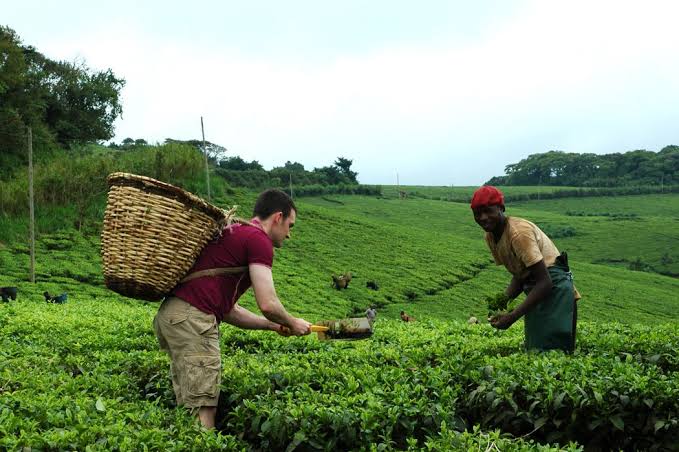
Tea Plantations in East Africa: Where to Visit Kericho, Fort Portal and Nyungwe
Tea plantations in East Africa offer travellers an opportunity to explore beautiful countryside, learn about tea production and experience the agricultural traditions of Kenya, Uganda and Rwanda. These countries have extensive tea-growing areas where green plantations cover hillsides and support thousands of farming families.
Among the most interesting places to visit are Kericho in Kenya, Fort Portal in Uganda and the Nyungwe region of Rwanda. Each destination has suitable growing conditions, distinctive scenery and opportunities to understand how tea travels from the field to your cup.
Visiting a tea plantation can be a relaxing addition to a wildlife safari or cultural holiday. You can walk through tea gardens, meet local growers, observe harvesting and learn how fresh leaves become the tea enjoyed around the world.
Understanding Tea Plantations in East Africa
Tea cultivation is an important agricultural activity in several East African countries.
The tea plant, Camellia sinensis, grows well in areas with suitable rainfall, well-drained soils and moderate temperatures.
Many plantations are located in highland regions where cooler conditions support healthy growth.
Kenya is internationally recognised for its tea industry, while Uganda and Rwanda also produce tea for local consumption and export.
Tea farming provides employment in cultivation, harvesting, processing, transportation and trade.
Although growing conditions vary, the production process follows similar steps across the region.
Workers harvest suitable young leaves, which are then transported to processing facilities.
The processing method determines whether the finished product becomes black, green or another type of tea.
1. Kericho Tea Plantations in Kenya
Kericho is one of Kenya’s best-known tea-growing areas. Located in the western highlands, it is surrounded by extensive tea estates and agricultural communities.
The region receives substantial rainfall and experiences relatively moderate temperatures, creating favourable conditions for tea cultivation.
Travellers passing through Kericho often notice carefully maintained tea bushes covering large sections of the countryside.
What Makes Kericho Tea Plantations Special?
Kericho has a long history of commercial tea production.
Its plantations include large estates and smaller farms that supply tea factories.
Tea harvesting is an important source of employment for people living in the surrounding communities.
The landscape is particularly attractive because of its rolling hills, green fields and organised plantation rows.
Visitors interested in agriculture can learn about how tea bushes are maintained and why farmers regularly harvest young shoots.
What to Expect During a Kericho Tea Tour
A properly arranged plantation experience may include a guided walk through tea fields.
Your guide can explain how tea bushes grow, how harvesting works and how workers identify suitable leaves.
Some visits may include a factory tour, depending on the facility’s visitor policies.
During processing demonstrations, you may learn about:
Tea leaf harvesting and collection.
Transportation to factories.
Withering and processing.
Drying and sorting.
Packaging and preparation for sale.
Factory visits require advance arrangements because many facilities operate under strict production and safety procedures.
Other Activities Around Kericho
Kericho can form part of a wider journey through western Kenya.
Travellers may enjoy countryside photography, cultural experiences and visits to local markets.
The tea-growing landscape is particularly attractive after rainfall, when the surrounding vegetation appears fresh and green.
If you enjoy photography, early morning or late afternoon light can produce pleasant images of the plantations.
Always ask permission before entering private estates or photographing workers.
2. Fort Portal Tea Plantations in Uganda
Fort Portal is a major tourism destination in western Uganda, known for its green countryside, crater lakes and views towards the Rwenzori Mountains.
Tea cultivation forms an important part of the agricultural landscape in the surrounding Kabarole area.
Visitors travelling around Fort Portal frequently pass large tea estates and smaller farming communities.
The combination of tea gardens, rolling hills and nearby natural attractions makes this region particularly appealing.
What Makes Fort Portal Tea Plantations Interesting?
Fort Portal’s tea-growing areas benefit from suitable rainfall and highland conditions.
Tea plantations contribute to the local economy through farming, processing and employment.
The plantations also provide an opportunity for visitors to understand agricultural life in western Uganda.
Unlike a wildlife-focused activity, a tea experience allows you to spend time learning about everyday work in rural communities.
You may see harvesting teams collecting young leaves and transporting them towards collection points.
Visiting Tea Estates Around Fort Portal
Some tea experiences can be arranged through local guides, accommodation providers or plantation operators.
A guided visit may explain the growing cycle and demonstrate how workers select leaves.
You can also learn about the difference between tea growing and tea processing.
Although plantations are often visible from public roads, access to working estates is not automatically permitted.
Arrange your visit before arriving, especially if you hope to see a processing facility.
Combining Tea Tourism With Fort Portal Attractions
Fort Portal offers several opportunities to combine agricultural tourism with nature-based activities.
Depending on your available time, you can visit nearby crater lakes, explore local communities or continue towards Kibale National Park.
Kibale is particularly well known for chimpanzee trekking.
The Fort Portal region also provides access to other destinations in western Uganda.
A tea plantation experience can therefore fit into a longer Uganda safari without requiring an entirely separate journey.
3. Nyungwe Tea Plantations in Rwanda
The Nyungwe region in southwestern Rwanda is another important destination for travellers interested in tea cultivation.
Tea estates occupy suitable highland areas around Nyungwe Forest National Park.
The best-known tea-growing locations include Gisakura and Gisovu.
These areas offer attractive views of green hillsides, cultivated land and the surrounding landscape.
Gisakura Tea Estate Near Nyungwe
Gisakura is among Rwanda’s best-known tea-growing areas.
Its location near Nyungwe Forest makes it convenient for travellers exploring the national park.
Visitors may arrange tea-related experiences that explain cultivation, harvesting and processing.
Some activities include guided walks through tea gardens and opportunities to learn about local farming communities.
The area is particularly attractive for visitors who enjoy landscape photography.
However, the plantations remain working agricultural properties, so access should be arranged with authorised operators.
Gisovu Tea-Growing Area
Gisovu is another important tea-producing area associated with the highlands near Nyungwe.
Its elevated location provides favourable conditions for tea cultivation.
The surrounding countryside offers views of hills, agricultural fields and rural settlements.
Depending on current visitor arrangements, tea experiences may include explanations of cultivation, processing and tasting.
Visitors should confirm activities before travelling because access and available experiences vary between estates.
Combining Nyungwe Tea Tours With Forest Activities
Nyungwe Forest National Park is famous for its biodiversity and walking experiences.
Travellers visiting the area may be interested in chimpanzee trekking, guided forest walks and canopy walkway activities.
A tea plantation visit provides a different experience from forest exploration.
It can also help you understand the relationship between agriculture, tourism and communities living near protected areas.
For a relaxed itinerary, allow sufficient time for both activities rather than scheduling everything into a few hours.
Comparing Kericho, Fort Portal and Nyungwe Tea Plantations
Each destination offers a different combination of agricultural scenery, cultural experiences and nearby attractions.
| Destination | Country | Main Tea Experience | Nearby Attractions | Suitable For |
|---|---|---|---|---|
| Kericho | Kenya | Tea estates and possible factory visits | Western Kenya countryside | Agricultural tourism and photography |
| Fort Portal | Uganda | Tea gardens and local farming experiences | Kibale National Park and crater lakes | Safari travellers and cultural visitors |
| Nyungwe | Rwanda | Gisakura and Gisovu tea-growing areas | Nyungwe Forest National Park | Nature lovers and tea enthusiasts |
If your main interest is learning about commercial tea production, Kericho is a strong choice.
Fort Portal is particularly convenient when travelling through western Uganda.
Nyungwe is suitable for travellers who want to combine tea experiences with forest activities.
How Tea Is Grown and Processed
Tea production involves several carefully managed stages.
Understanding these steps can make a plantation visit more informative.
Planting and Growing Tea
Tea begins in nurseries or established planting areas.
Young plants require appropriate moisture, soil conditions and care.
Once established, tea bushes are regularly maintained to encourage suitable leaf growth.
Farmers manage weeds, soil fertility and pruning according to local conditions.
Harvesting Tea Leaves
Tea harvesting usually focuses on young shoots, commonly including a bud and two leaves.
Workers collect suitable growth while leaving enough foliage for the plant to continue developing.
Harvesting frequency depends on growing conditions and farm management.
Some estates use hand harvesting, while others may use mechanical methods where conditions allow.
Processing Fresh Tea Leaves
Freshly harvested leaves are transported to processing facilities.
For conventional black tea, processing involves withering, disruption or rolling of the leaves, oxidation and drying.
The exact method varies by factory and tea style.
After processing, tea is sorted, graded and prepared for packaging or sale.
Tea Tasting
Some plantation experiences include tea tasting.
You may compare different grades or processing styles.
Taste plain tea before adding milk or sugar so that you can recognise its natural characteristics.
Pay attention to aroma, colour, strength and aftertaste.
Best Time to Visit Tea Plantations in East Africa
Tea can be harvested during much of the year in suitable East African growing areas.
However, production levels change with rainfall, temperature and seasonal conditions.
If your main interest is photography, choose a day with good visibility and comfortable weather.
Morning visits are often convenient because temperatures may be cooler and agricultural activities are already underway.
If you want to observe factory operations, ask whether processing will take place on your chosen date.
Tea factories may have restricted visiting hours or temporary limitations.
Rain can also affect access to plantation paths.
Wear comfortable footwear and carry a light waterproof jacket when travelling during wetter periods.
What to Wear and Carry for a Tea Plantation Tour
Tea plantation visits generally involve walking through agricultural surroundings.
Conditions may include wet ground, uneven paths and exposed hillsides.
A few practical items can make your experience more comfortable.
| Item | Purpose |
|---|---|
| Comfortable walking shoes | Walking on plantation paths |
| Light waterproof jacket | Protection from rain |
| Drinking water | Staying hydrated |
| Sun protection | Protection during outdoor activities |
| Camera or smartphone | Photographing landscapes with permission |
| Small daypack | Carrying personal belongings |
Avoid carrying unnecessary equipment.
If you plan to enter a processing facility, follow any clothing and safety requirements provided by the operator.
Responsible Tourism at Tea Plantations
Tea plantations are workplaces where people carry out demanding agricultural activities.
Visitors should respect workers and follow local instructions.
Before taking photographs, ask permission from the people involved.
Do not walk through harvesting areas without guidance or damage tea bushes while exploring.
It is also helpful to choose experiences that provide fair compensation to participating guides, workers and farming communities.
Some plantation visits may include opportunities to purchase locally produced tea.
Buying directly from an authorised producer can support local businesses, although you should not assume that every purchase guarantees higher earnings for farmers.
Ask questions about production, employment and community involvement if these subjects interest you.
Frequently Asked Questions About East African Tea Plantations
Which country has the best tea plantations in East Africa?
Kenya, Uganda and Rwanda all have important tea-growing areas. Kericho is particularly recognised for extensive commercial plantations, while Fort Portal and Nyungwe offer convenient tea experiences alongside other tourism activities.
Can tourists visit Kericho tea plantations?
Yes, some tea-related visits can be arranged in the Kericho area. However, many estates and factories are private working facilities, so advance permission is important.
Are there tea plantations near Fort Portal?
Yes. Tea estates and smaller tea-growing operations are found around Fort Portal and the surrounding Kabarole area in western Uganda.
Can you visit tea plantations near Nyungwe Forest?
Yes. Gisakura and Gisovu are important tea-growing areas near Nyungwe. Visitor experiences should be arranged in advance through authorised providers.
How long does a tea plantation tour take?
A basic guided visit may take approximately one to two hours, while experiences involving demonstrations, processing and tasting can take longer. Duration depends on the estate and the activities available.
Can children visit tea plantations?
Some organised plantation visits may be suitable for children. However, access to working factories can be restricted for safety reasons. Confirm age requirements with the operator.
Tea plantations in East Africa provide an interesting opportunity to understand the region’s agricultural traditions while enjoying attractive highland scenery.
Kericho in Kenya, Fort Portal in Uganda and Nyungwe in Rwanda each offer a different experience.
Kericho is recognised for its extensive tea-growing landscape, Fort Portal combines agricultural scenery with western Uganda’s natural attractions, and Nyungwe offers tea experiences close to one of Rwanda’s most important forests.
If you are planning an East African holiday, consider including a guided tea plantation visit in your itinerary.
You will have an opportunity to learn about tea cultivation, observe local farming activities and appreciate the work involved in producing a familiar everyday drink.



No comment