
Lake Victoria’s Invasive Water Hyacinth: What It Means for Fishing and Wildlife
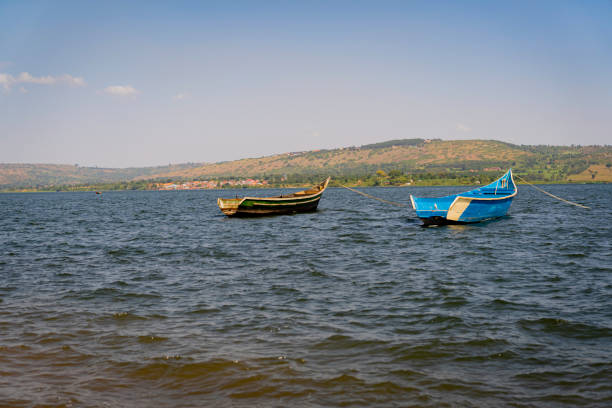
Lake Victoria’s invasive water hyacinth is one of the environmental challenges affecting fishing communities, freshwater wildlife and water transport in East Africa. This fast-growing aquatic plant can cover large sections of the lake, making it difficult for fishing boats to operate and changing the conditions that fish and other aquatic animals need to survive.
Shared by Uganda, Kenya and Tanzania, Lake Victoria supports millions of people through fishing, transport, tourism and other economic activities. Its waters contain important fish species, while surrounding wetlands provide habitats for birds and other wildlife.
However, the spread of water hyacinth has created problems in several shoreline communities. Thick floating vegetation can block landing sites, restrict boat movement and affect water quality.
Understanding how this invasive plant spreads, why it creates difficulties and what can be done to control it is important for protecting Lake Victoria’s fisheries and natural habitats.
What Is Water Hyacinth?
Water hyacinth is a free-floating aquatic plant scientifically known as Pontederia crassipes, previously classified as Eichhornia crassipes.
The plant originated in South America but has spread to freshwater environments around the world.
It has broad, glossy green leaves, swollen leaf stalks and attractive purple flowers.
Although it may appear harmless, water hyacinth can reproduce rapidly under favourable conditions.
Individual plants produce new shoots that develop into connected floating mats.
When nutrients, sunlight and temperatures are suitable, these mats can spread across sheltered sections of lakes and rivers.
Why Is Water Hyacinth Considered Invasive?
Water hyacinth becomes invasive when it spreads beyond its native range and disrupts local environments.
Its rapid growth can crowd out native aquatic vegetation and obstruct waterways.
In Lake Victoria, dense infestations have affected fishing activities, transport and freshwater habitats.
However, the severity of these impacts varies between locations and seasons.
1. How Water Hyacinth Reached Lake Victoria
Water hyacinth became established in the Lake Victoria region during the 1980s.
Its spread was influenced by human activity, connected waterways and favourable environmental conditions.
By the 1990s, extensive floating vegetation had developed in parts of the lake.
Large infestations affected fishing communities and water transport.
Control programmes later reduced the plant’s coverage considerably.
However, water hyacinth has continued to reappear in certain areas.
Its populations can increase or decrease depending on nutrient availability, water movement, biological control and seasonal conditions.
This makes long-term management necessary.
2. Why Water Hyacinth Spreads Quickly
Several environmental conditions encourage water hyacinth growth.
Nutrient Pollution
Water containing high levels of nitrogen and phosphorus can support rapid plant growth.
These nutrients may enter Lake Victoria through agricultural runoff, wastewater and other sources.
Warm Temperatures
The lake’s tropical climate provides suitable temperatures for water hyacinth growth.
Sheltered Bays
Floating plants often accumulate in relatively calm areas.
Wind and water currents can push vegetation towards shorelines, landing sites and sheltered bays.
Rapid Reproduction
Water hyacinth produces new plants through vegetative growth.
Under favourable conditions, populations can increase quickly.
Controlling the plant therefore requires attention to the conditions supporting its growth.
3. How Water Hyacinth Affects Fishing on Lake Victoria
Fishing is one of Lake Victoria’s most important economic activities.
Thousands of fishing boats operate across the lake, supplying fish to local markets and businesses.
Water hyacinth can interfere with these activities.
Blocked Fishing Landing Sites
Thick floating vegetation can accumulate around landing sites.
When this happens, fishermen may struggle to launch boats or return with their catches.
Some boats may become trapped within vegetation.
Damaged Fishing Equipment
Floating plants can become entangled in fishing nets and boat propellers.
Removing vegetation from equipment takes time and may cause additional expenses.
Reduced Fishing Time
Fishermen may need to travel farther to reach accessible fishing grounds.
This can increase fuel consumption and reduce the time available for fishing.
Difficulties Transporting Fish
Delays can affect fish quality, particularly where refrigeration facilities are limited.
Fishing communities therefore face economic challenges when infestations become severe.
4. Effects on Important Fish Species
Lake Victoria supports several economically and ecologically important fish species.
These include Nile perch, Nile tilapia and various native fish.
Water hyacinth can change the conditions in which these species live.
| Fish group | Possible effect of water hyacinth |
|---|---|
| Nile tilapia | Changes to feeding and breeding habitats |
| Nile perch | Changes in prey availability and habitat conditions |
| Native cichlids | Altered shallow-water habitats and oxygen conditions |
| African catfish | May use some vegetated areas for shelter |
| Lungfish | May find refuge in certain vegetated habitats |
The effects are not identical for every species.
Some fish may benefit temporarily from shelter beneath floating vegetation.
However, extensive infestations can create serious problems for water quality and aquatic habitats.
5. How Water Hyacinth Changes Water Quality
Water hyacinth can affect the physical and chemical conditions of lake water.
Reduced Dissolved Oxygen
Dense floating vegetation limits sunlight reaching the water beneath it.
This can reduce photosynthesis by submerged plants and algae.
When large amounts of vegetation die and decompose, microorganisms consume oxygen.
Low oxygen levels can stress fish and other aquatic organisms.
Changes in Water Temperature
Floating vegetation changes how sunlight and heat reach the water.
Temperatures beneath dense mats may differ from nearby open-water areas.
Accumulation of Organic Material
Dead leaves and roots contribute organic material to the water.
As this material decomposes, it can affect water quality.
These changes are particularly concerning in sheltered bays where water circulation is limited.
6. Effects on Birds and Other Wildlife
Lake Victoria’s wetlands support numerous bird species.
Kingfishers, herons, cormorants, egrets and African fish eagles are among the birds found around the lake.
Dense water hyacinth can change their feeding habitats.
Fish-Eating Birds
Birds that depend on open water may find hunting more difficult when thick vegetation covers the surface.
However, some birds can use floating plants as resting or feeding areas.
Wetland Habitats
Water hyacinth may compete with native aquatic vegetation.
Changes in plant communities can affect insects, fish and other organisms associated with wetlands.
Other Aquatic Animals
Floating vegetation can alter habitats used by amphibians, invertebrates and other freshwater species.
The overall effect depends on infestation size and local environmental conditions.
7. Water Hyacinth and Boat Transport
Lake Victoria supports passenger boats, fishing vessels and commercial transport.
Water hyacinth can interfere with these activities when plants accumulate near transport routes.
Boat operators may experience:
Restricted access to landing sites.
Blocked propellers.
Delays during departure and arrival.
Increased fuel consumption.
Additional maintenance costs.
These difficulties can affect communities that depend on the lake for daily transport.
Floating vegetation may also move rapidly with changing winds.
Boat operators must therefore remain aware of local conditions.
8. Impacts on Tourism Around Lake Victoria
Lake Victoria attracts visitors interested in birdwatching, boat excursions, fishing and lakeside relaxation.
Destinations around Entebbe, Jinja, Kisumu and Mwanza provide different tourism experiences.
However, water hyacinth infestations can affect some activities.
For example, dense vegetation may restrict access to particular shorelines or boat landing points.
Floating plant coverage can also change the appearance of waterfront areas.
Tourism operators may need to adjust routes when vegetation obstructs normal access.
Travellers planning boat activities should confirm local water conditions with experienced operators.
9. How Water Hyacinth Is Controlled
Managing water hyacinth requires several methods.
No single approach works equally well in every location.
Biological Control
Biological control involves introducing carefully selected natural enemies that feed on invasive plants.
Specialist weevils from the genus Neochetina have been used against water hyacinth.
Their feeding can weaken plants and reduce growth.
Biological control contributed to major reductions in Lake Victoria’s water hyacinth infestations during earlier management programmes.
However, results require monitoring and may take time.
Mechanical Removal
Mechanical methods involve collecting floating vegetation using specialised equipment.
This approach can help clear important landing sites and waterways.
However, equipment, transport and disposal can be expensive.
Manual Removal
Community groups sometimes remove vegetation by hand.
This may be useful in small, accessible areas.
Workers should receive suitable protective equipment and safety guidance.
Reducing Nutrient Pollution
Long-term management also requires reducing excessive nutrient inputs.
Improved wastewater treatment and responsible agricultural practices can help limit conditions favouring rapid plant growth.
10. Can Water Hyacinth Be Used Productively?
Some communities explore ways to use harvested water hyacinth.
Potential applications include:
Compost production.
Biogas generation.
Handmade crafts.
Paper and fibre products.
Selected agricultural materials.
However, these uses require careful assessment.
Plants collected from polluted water may contain contaminants, making them unsuitable for certain purposes.
Processing activities should also avoid spreading viable plant fragments or seeds into new waterways.
Productive use may support local livelihoods, but it cannot replace proper infestation management.
11. What Can Fishing Communities Do?
Fishing communities play an important role in monitoring invasive vegetation.
Local cooperation can help identify areas requiring urgent attention.
Practical measures include:
Reporting blocked landing sites: Community leaders can inform relevant authorities when vegetation restricts access.
Participating in organised removal: Community groups may support approved clearing programmes.
Protecting fishing equipment: Regular inspection can help prevent damage caused by tangled vegetation.
Avoiding plant transfer: Boats and equipment should be checked to reduce accidental movement of invasive plants.
Supporting cleaner waterways: Proper waste disposal and wastewater management help address pollution.
Long-term success requires cooperation between communities, researchers and government institutions.
12. What Are Governments Doing About Water Hyacinth?
Uganda, Kenya and Tanzania have participated in regional efforts to manage Lake Victoria’s environmental problems.
These initiatives include research, biological control, water quality monitoring and vegetation removal.
Regional cooperation is important because floating vegetation can cross national boundaries.
A successful control programme in one country may be affected by continued growth elsewhere.
Authorities must therefore coordinate monitoring and share information.
Continued investment in wastewater management and catchment protection is also important.
13. How Tourists Can Help Protect Lake Victoria
Visitors can contribute through responsible travel behaviour.
Avoid throwing plastic bottles, food packaging or other waste into the lake.
Choose boat operators who follow environmental and safety requirements.
Support locally organised conservation activities where appropriate.
When visiting lakeside communities, respect fishing operations and avoid interfering with nets or boats.
Tourists can also learn about the environmental pressures affecting Lake Victoria and support initiatives that protect freshwater habitats.
Small individual actions become more useful when combined with effective community and government programmes.
Lake Victoria’s invasive water hyacinth remains an important environmental challenge affecting fisheries, boat transport and aquatic wildlife.
Dense floating vegetation can restrict fishing activities, alter water quality and change freshwater habitats.
Although control programmes have reduced major infestations in the past, the plant continues to reappear in suitable conditions.
Long-term management requires biological control, targeted vegetation removal and reduced nutrient pollution.
Protecting Lake Victoria is essential for the communities, businesses and wildlife that depend on its waters.


No comment