
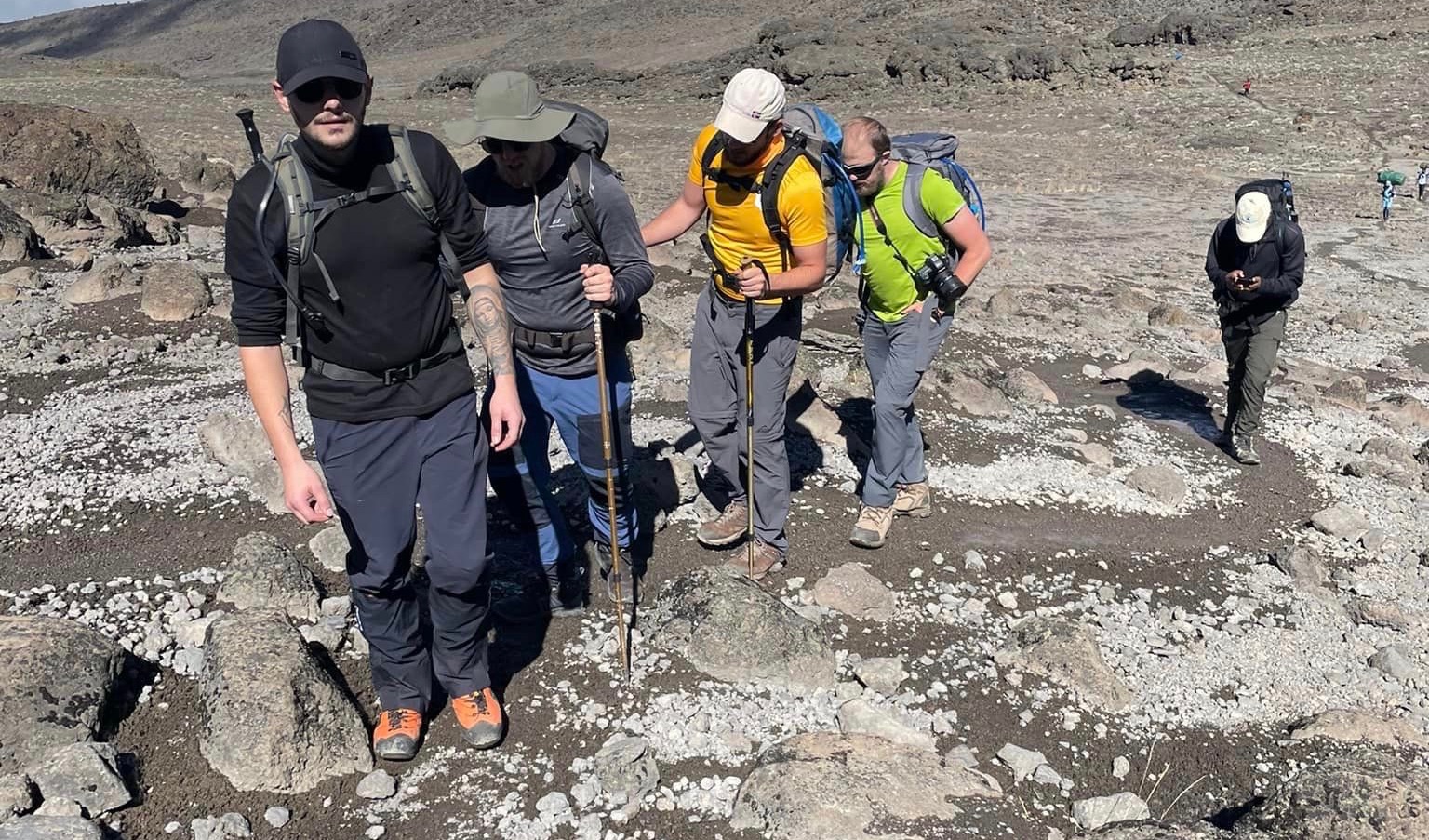
Kilimanjaro’s Lemosho, Rongai and Marangu Routes Compared
Climbing Mount Kilimanjaro is one of the most memorable mountain adventures in Africa. Rising to 5,895 metres above sea level, the mountain attracts trekkers from around the world who want to reach Uhuru Peak, the highest point in Africa. Although every established climbing route leads towards the same summit, the experience can be very different depending on the trail selected.
Lemosho, Rongai and Marangu are three popular options, each offering a distinct approach to the mountain. Lemosho is known for its beautiful western landscapes, gradual ascent and strong acclimatisation opportunities. Rongai approaches from the northern side near the Kenyan border, providing a quieter experience and generally drier conditions. Marangu is the traditional route, famous for its mountain huts and relatively direct trail.
Choosing between these routes requires more than comparing distance or the number of days spent climbing. Accommodation, scenery, trail conditions, crowd levels, altitude adjustment and personal preferences all influence the experience. A route that looks shorter or more comfortable on paper may not necessarily provide the best conditions for reaching the summit.
Understanding the differences between Lemosho, Rongai and Marangu helps travellers select an itinerary that matches their available time, physical preparation and expectations. The most important consideration should be allowing enough time for the body to adjust to altitude, rather than choosing the shortest available climb.
Understanding the three Kilimanjaro routes
Mount Kilimanjaro is located in northern Tanzania, close to the Kenyan border. Its climbing routes pass through several ecological zones, beginning in cultivated foothills and montane rainforest before reaching moorland, alpine desert and the high-altitude summit zone.
The mountain’s different approaches create varied experiences. Lemosho begins on the western side, Rongai starts in the north, and Marangu approaches from the southeast. These routes also differ in their overnight accommodation and descent arrangements.
Lemosho and Rongai use mountain camps where climbers sleep in tents. Marangu is the only one of these three routes that provides dormitory-style mountain huts. This makes it particularly attractive to people who prefer not to sleep in tents, although shared accommodation means less privacy.
All three routes require a licensed guiding arrangement, and climbers are accompanied by mountain crews. The guides monitor progress, help manage the pace and watch for signs of altitude-related illness. Reaching the summit is not guaranteed on any route, and climbers must be prepared to follow safety advice even when it means turning back.
Lemosho route: Scenic western approach with excellent acclimatisation
The Lemosho Route is widely regarded as one of the most scenic and well-balanced ways to climb Mount Kilimanjaro. It approaches the mountain from the west, beginning in a forested area before opening into expansive landscapes around the Shira Plateau.
One of its main advantages is the gradual ascent profile offered by longer itineraries. Climbers have more time to adjust to increasing altitude, which can improve their ability to cope with the physical demands of the mountain. The route also provides opportunities for the widely used acclimatisation principle of climbing higher during the day and sleeping at a lower elevation.
The climb commonly takes seven or eight days, although some itineraries offer additional time. The longer versions are particularly useful for travellers who want a more gradual experience and additional opportunities to adjust to altitude.
The early stages pass through montane rainforest, where the trail is surrounded by trees, vegetation and the sounds of forest birds. The environment gradually changes as climbers gain height. The forest gives way to open moorland and the dramatic landscapes of the Shira Plateau.
The Shira Plateau is one of the route’s most memorable features. This broad high-altitude area offers expansive views of Kilimanjaro’s volcanic landscape and surrounding mountain scenery. On clear days, the changing views provide excellent opportunities for photography.
As the route continues, it joins the southern circuit and passes important landmarks such as Lava Tower and Barranco Camp, depending on the selected itinerary. The Lava Tower area is an important part of the acclimatisation profile on many Lemosho climbs. Climbers ascend to a higher elevation during the day before descending to sleep at a lower camp.
Barranco Camp sits beneath the impressive Barranco Wall, a prominent rocky feature that climbers encounter on the following day’s journey. Although the wall looks intimidating from below, it is a non-technical scrambling section that most trekkers can manage with careful guidance and a steady pace.
The route then continues through the southern mountain landscape towards Karanga and Barafu camps, where climbers prepare for the final ascent.
Lemosho eventually reaches Uhuru Peak through Stella Point on the crater rim. After celebrating at the summit, climbers descend according to the operator’s planned route, commonly using the Mweka descent trail.
Lemosho is particularly suitable for first-time Kilimanjaro climbers who have enough time for a longer itinerary. It also appeals to photographers, nature enthusiasts and trekkers who want to experience several of the mountain’s ecological zones.
Its main disadvantages are the longer duration and generally higher cost compared with shorter itineraries. The western approach also requires additional transport arrangements to reach the starting point. However, many climbers consider the scenery and acclimatisation opportunities worthwhile.
Rongai route: A quieter northern approach
The Rongai Route approaches Mount Kilimanjaro from the north, close to the border between Tanzania and Kenya. It is the only established main route that begins on this side of the mountain, giving climbers a different perspective from the more frequently used southern and western approaches.
Rongai is known for its relatively quiet early stages, gentle gradients and drier conditions compared with some routes on the southern side. This can make it particularly attractive during wetter periods, although rainfall and weather conditions can still vary.
The climb generally takes six or seven days, with longer itineraries available through some operators. A seven-day programme is preferable for many climbers because it provides additional time for acclimatisation.
The journey begins through forest and agricultural landscapes before entering areas of moorland and open mountain terrain. Wildlife sightings are possible in the lower forest sections, although the main focus of the trek is the changing scenery and gradual ascent.
As climbers gain altitude, the landscape becomes increasingly open. The northern side of Kilimanjaro has a drier appearance, with wide views across the surrounding plains. The route also provides impressive views of Mawenzi, one of the mountain’s major volcanic peaks.
Rongai offers a sense of remoteness that some trekkers find particularly appealing. The early stages usually experience fewer climbers than the more popular southern routes, allowing visitors to enjoy a quieter mountain environment.
The route commonly passes through camps such as Simba Camp, Second Cave and Kikelewa, depending on the itinerary. Some programmes continue towards Mawenzi Tarn, a scenic campsite situated beneath the rugged slopes of Mawenzi Peak.
From the northern side, the route eventually joins the broader mountain circuit and approaches the summit through the Kibo area. The final ascent usually begins at night, with climbers making their way towards Gilman’s Point before continuing along the crater rim to Uhuru Peak.
The descent commonly follows the Marangu trail, giving climbers a different return route from the one used during the ascent.
Rongai is suitable for travellers who prefer quieter trails, open landscapes and a less crowded approach to the mountain. It is also worth considering for visitors travelling during periods when the southern side receives more rainfall.
However, the route has fewer opportunities for the traditional climb-high, sleep-low pattern on some shorter itineraries. Summit night is also demanding, and the northern approach does not remove the challenges associated with altitude. Choosing a longer itinerary remains important.
Marangu route: The traditional Kilimanjaro climb
The Marangu Route is the oldest and one of the best-known climbing routes on Mount Kilimanjaro. It approaches from the southeast, beginning at Marangu Gate on the lower slopes of the mountain.
Often called the Coca-Cola Route, Marangu is particularly recognised for its mountain huts. Unlike Lemosho and Rongai, where climbers sleep in tents, Marangu provides shared dormitory accommodation at designated overnight stops.
This arrangement makes the route attractive to trekkers who prefer sleeping indoors. The huts offer basic shelter, sleeping spaces and communal facilities. However, accommodation is shared, and climbers should not expect private hotel-style rooms.
Marangu is commonly completed in five or six days, although a longer programme may be available. The six-day option includes an additional acclimatisation day at Horombo Hut and is generally a better choice than the shorter five-day itinerary.
The climb begins in montane rainforest, where the trail passes through dense vegetation and areas that may be wet or muddy. The route then enters the moorland zone, with giant groundsels and other high-altitude vegetation becoming increasingly visible.
Mandara Hut is the first overnight stop. From there, climbers continue towards Horombo Hut, which sits in an open landscape with views of Mawenzi and Kibo peaks.
Horombo is an important point for acclimatisation. On the six-day itinerary, climbers spend an additional day here before continuing towards Kibo Hut. This extra time allows the body to adjust to the increasing elevation.
The route continues through alpine desert towards Kibo Hut, the final overnight stop before the summit attempt. Climbers usually begin the final ascent around midnight, making their way towards Gilman’s Point on the crater rim.
From Gilman’s Point, the trail continues towards Uhuru Peak. The final section is physically demanding because of the altitude, cold temperatures and accumulated fatigue. After reaching the summit, climbers descend to Kibo Hut before continuing towards Horombo Hut and eventually returning to Marangu Gate.
One advantage of Marangu is its straightforward trail arrangement. The route uses the same general path for ascent and descent, making navigation and camp arrangements relatively simple.
However, following the same trail in both directions means less variety in scenery. Marangu can also become busy, particularly during popular climbing periods. Its shorter standard itineraries provide less time for acclimatisation than longer Lemosho programmes.
Marangu is best suited to climbers who strongly prefer hut accommodation and want a more direct route. It can be a reasonable option when planned over six days or longer, but the five-day version is generally less favourable for altitude adjustment.
Lemosho vs Rongai vs Marangu: Main differences
Although all three routes reach Uhuru Peak, their characteristics vary considerably. Lemosho focuses on a gradual western approach with extensive scenery, Rongai provides a quieter northern ascent, and Marangu offers the convenience of mountain huts.
Starting location: Lemosho begins on the western side of Kilimanjaro, Rongai approaches from the north near the Kenyan border, and Marangu starts from the southeast.
Typical duration: Lemosho generally takes seven to eight days, Rongai commonly takes six to seven days, and Marangu is usually completed in five or six days. Longer itineraries may be available for all three.
Accommodation: Lemosho and Rongai use tents at mountain camps. Marangu provides shared dormitory-style huts.
Scenery: Lemosho offers rainforest, the Shira Plateau, alpine desert and dramatic southern mountain landscapes. Rongai features northern forest, open moorland and views towards Mawenzi. Marangu passes through rainforest, moorland and alpine desert along a more direct trail.
Crowds: Lemosho is generally quieter during its early stages before joining busier sections of the mountain. Rongai often has fewer climbers during the initial approach. Marangu is a well-established and popular route, so its huts and trail can be busy.
Acclimatisation: Longer Lemosho itineraries provide strong acclimatisation opportunities. Rongai can offer a gradual ascent, particularly on a seven-day programme. Marangu’s shorter itineraries provide less time for altitude adjustment, although the six-day version improves the profile.
Descent: Lemosho commonly descends through the Mweka route. Rongai usually descends through the Marangu side. Marangu uses the same general trail for both ascent and descent.
Overall character: Lemosho is scenic and gradual, Rongai is quieter and more remote, while Marangu is traditional and hut-based.
Which route has the best acclimatisation?
Acclimatisation is one of the most important factors when choosing a Kilimanjaro route. The mountain’s summit is nearly 5,900 metres above sea level, where oxygen availability is significantly lower than at the starting elevations.
The body needs time to adjust to these conditions. Climbing too quickly increases the risk of altitude-related illness, which can affect even physically fit and experienced trekkers.
Lemosho is particularly strong in this area when completed over seven or eight days. Its longer approach allows a gradual increase in elevation, and many itineraries include a climb-high, sleep-low section around Lava Tower and Barranco.
Rongai also provides useful acclimatisation opportunities, especially when the climb is extended to seven days. However, the precise altitude profile depends on the selected itinerary and overnight camps.
Marangu is more challenging from an acclimatisation perspective when completed in five days. The six-day programme is a better option because it includes an additional day at Horombo Hut. Climbers should still understand that an extra day does not remove the risks of altitude sickness.
No route guarantees a successful summit. Travellers should choose a programme that allows enough time, maintain a slow walking pace, stay hydrated and communicate any symptoms to their guides. Severe altitude-related symptoms require immediate medical attention and may mean descending to a lower elevation.
Which route is best for first-time climbers?
First-time climbers can successfully use Lemosho, Rongai or Marangu, provided they select an appropriate itinerary and prepare properly. Previous mountaineering experience is not essential, but good physical conditioning and a realistic understanding of altitude are important.
Lemosho is an excellent option for many first-time climbers because its longer itineraries provide a gradual approach and varied scenery. The additional days also allow more time to adjust to the mountain environment.
Rongai is suitable for beginners who prefer quieter trails and a steady northern approach. A seven-day itinerary offers a more comfortable opportunity for acclimatisation than the shortest versions.
Marangu can appeal to beginners who prefer sleeping in huts rather than tents. However, choosing the six-day programme is advisable over the five-day version. The shorter itinerary may appear convenient, but reducing time on the mountain can make altitude adjustment more difficult.
First-time climbers should not choose a route solely because it is described as easy. Kilimanjaro is a high-altitude mountain, and even the gentler trails involve long walking days, cold conditions and a demanding summit attempt.
Which route is best for scenery and photography?
Lemosho is an excellent choice for travellers who want a wide variety of landscapes. Its western approach passes through forest, open plateau, moorland and dramatic volcanic terrain. The Shira Plateau is particularly attractive for landscape photography, while the later stages provide views of the mountain’s southern features.
Rongai offers a different photographic experience. Its northern location provides open views, drier landscapes and impressive perspectives of Mawenzi Peak. The route can be appealing to photographers who prefer quieter trails and wide mountain scenery.
Marangu provides beautiful forest scenery during the lower stages and distinctive high-altitude landscapes further up the mountain. However, because the route follows the same general trail for ascent and descent, there is less variation in the overall journey.
Photography on Kilimanjaro requires preparation. Cold temperatures can affect batteries, while dust and moisture may damage equipment if it is not properly protected. A lightweight camera, spare batteries and a protective bag are useful for trekkers who want to capture the journey without carrying excessive weight.
Which route is best during the rainy seasons?
Kilimanjaro experiences two main rainy periods, although conditions can vary from year to year. The long rains generally occur around March to May, while the shorter rains usually affect parts of November and December.
Rongai is often considered a useful option during wetter periods because its northern approach is generally drier than the southern and western slopes. This does not mean that the route is free from rain, and trekkers should still bring waterproof clothing and suitable footwear.
Lemosho is also a good choice during the main climbing seasons, particularly when the longer itineraries are available. Its early forest sections can become wet, but the route provides excellent scenery and a gradual climb.
Marangu’s rainforest sections can be muddy during rainy periods. The huts provide sheltered accommodation, which may appeal to some travellers, but the trail itself can still be affected by wet conditions.
For most visitors, the drier months from June to October and the period around January and February are popular climbing seasons. The best choice depends on the specific weather outlook, personal schedule and advice from experienced local operators.
Physical preparation for all three routes
Climbing Kilimanjaro requires endurance rather than technical mountaineering skills. The main routes discussed here do not normally require ropes or specialist climbing techniques, although some sections involve uneven ground, steep gradients and scrambling.
Preparation should begin several months before the climb. Regular walking, hiking, cycling and other cardiovascular activities help develop endurance. Longer training walks are particularly useful because they prepare the legs and feet for spending several hours on the trail.
Strength exercises for the legs, hips and core can also help improve stability on uneven terrain. Trekkers should gradually increase training distance and elevation rather than attempting difficult hikes without preparation.
Walking with a loaded daypack can help prepare for the daily routine on the mountain. However, porters normally carry the main luggage, while climbers carry essential personal items such as water, snacks, extra clothing and rain protection.
Proper footwear is essential. Hiking boots should be comfortable, supportive and well broken in before departure. Wearing new boots for the first time on Kilimanjaro can lead to blisters and discomfort.
Training should also include practice with the clothing system planned for the climb. Temperatures change considerably between the rainforest and summit zones, so climbers need layers that can be added or removed as conditions change.
What to pack for Lemosho, Rongai and Marangu
The equipment required for these routes is broadly similar, although accommodation arrangements influence some packing choices. Lemosho and Rongai require suitable clothing and personal equipment for sleeping in mountain tents, while Marangu provides hut accommodation.
A suitable packing list includes warm base layers, hiking trousers, fleece or insulated jackets, waterproof outer clothing, gloves, a warm hat, hiking socks and comfortable trekking boots. Summit night requires particularly warm clothing because temperatures can fall below freezing.
A sleeping bag suitable for high-altitude conditions is important on Lemosho and Rongai. Climbers should confirm with their operator whether sleeping mats and other camping equipment are supplied. For Marangu, sleeping arrangements are provided in huts, but a suitable sleeping bag is still normally required.
Other useful items include a headlamp, sunglasses, sunscreen, water bottles or a hydration system, personal medication, toiletries and a small first-aid kit. Trekking poles can reduce pressure on the knees, especially during the descent.
The operator should provide a detailed equipment list before departure. Some companies offer equipment rental, which can help travellers avoid purchasing expensive items for a single climb.
Cost differences between the routes
The cost of climbing Kilimanjaro depends on several factors, including the number of days, group size, accommodation arrangements, operator standards and equipment provided.
Lemosho can be more expensive than Marangu because it usually involves a longer itinerary and additional days of guiding, food, park-related charges and crew support. Its western starting point also requires transport arrangements.
Rongai prices vary according to the itinerary and operator. The northern approach may involve additional transfers, while longer programmes increase the overall cost through extra days on the mountain.
Marangu is sometimes marketed as a more affordable option because its shorter itineraries can reduce the total number of days required. However, hut accommodation and park-related charges remain part of the overall cost. Choosing the shortest itinerary simply to reduce the price is not always a sensible decision.
When comparing quotations, travellers should examine what is included rather than looking only at the advertised price. Important details include park fees, camping or hut charges, guiding services, porters, meals, drinking water arrangements, transfers, accommodation before and after the climb, rescue arrangements and equipment rental.
A responsible operator should also explain how the mountain crew is treated and paid. The quality of guiding, safety procedures and crew welfare should be considered alongside the financial cost.
How to choose between Lemosho, Rongai and Marangu
The best route depends on what matters most to the individual climber.
Lemosho is a strong choice for travellers who have enough time and want a scenic, gradual climb. It is particularly suitable for first-time visitors who prioritise acclimatisation and a varied mountain experience. An eight-day itinerary is worth considering for those who want additional time on the mountain.
Rongai is ideal for climbers who prefer a quieter approach and want to experience the northern side of Kilimanjaro. Its drier conditions and open scenery make it attractive, especially during wetter periods. A seven-day programme is a sensible choice for many trekkers.
Marangu is suitable for people who prefer hut accommodation and a more direct route. It is also a traditional option with established mountain infrastructure. However, the six-day itinerary is generally preferable to the five-day version because it allows more time for acclimatisation.
For travellers who are undecided, the choice should begin with the available time and the preferred accommodation style. Those with enough days for a longer climb may find Lemosho the most balanced option. Those who value solitude and northern scenery may prefer Rongai. Travellers who strongly prefer sleeping in huts may find Marangu more comfortable.
Frequently asked questions about Lemosho, Rongai and Marangu
Can beginners climb Kilimanjaro using Lemosho, Rongai or Marangu?
Yes. Beginners can use all three routes if they are physically prepared and choose an itinerary with sufficient acclimatisation time. Lemosho and the longer Rongai programmes are particularly attractive for first-time climbers. Marangu is also possible, but the six-day option is preferable to the shorter version.
Which route is the easiest?
Marangu is often described as the easiest underfoot because of its relatively gradual trail and hut accommodation. However, its shorter itineraries can make acclimatisation more difficult. Rongai also has a relatively gentle approach, while Lemosho is longer but offers a more gradual overall climbing profile.
Which route has mountain huts?
Marangu is the only one of these three routes with established mountain huts for overnight accommodation. Lemosho and Rongai use tents at designated campsites.
Is Lemosho better than Rongai?
Lemosho generally offers more varied scenery and excellent acclimatisation opportunities on longer itineraries. Rongai is quieter during its early stages and provides a different perspective from the northern side. The better option depends on the climber’s priorities and available time.
Does Marangu have a lower summit success rate?
Short Marangu itineraries generally provide less time for acclimatisation than longer routes. The six-day version is preferable to the five-day climb, but summit outcomes depend on several factors, including altitude response, health, preparation, weather and guiding decisions. Published success rates vary between operators and should not be treated as guaranteed results.
Can you see wildlife while climbing Kilimanjaro?
Wildlife is most likely to be encountered in the lower forest sections, where birds and some mammals inhabit the vegetation. Sightings are not guaranteed, and wildlife becomes less common as the route enters the higher alpine zones.
Do all three routes reach Uhuru Peak?
Yes. Lemosho, Rongai and Marangu all lead to Uhuru Peak at 5,895 metres. They approach the summit from different directions, but climbers share the same goal of reaching the highest point in Africa.
Choosing the right Kilimanjaro experience
Lemosho, Rongai and Marangu each provide a distinctive way to climb Mount Kilimanjaro. Lemosho combines varied scenery with a gradual western approach, Rongai offers a quieter northern experience, and Marangu provides traditional hut accommodation along a well-established trail.
The most suitable route is not necessarily the shortest or least expensive. It is the one that gives climbers enough time to adjust to altitude, provides the type of mountain experience they want and matches their physical preparation.
For many travellers, Lemosho is the strongest all-round option because of its scenery and longer acclimatisation profile. Rongai is an appealing alternative for those seeking quieter trails and a drier northern approach. Marangu remains a good choice for people who prefer huts, provided they select an itinerary that allows adequate time on the mountain.
Whichever route you choose, reaching Uhuru Peak requires patience, preparation and respect for the altitude. With a suitable itinerary, experienced guides and responsible mountain support, the climb can become one of the most rewarding adventures in Tanzania.

No comment