
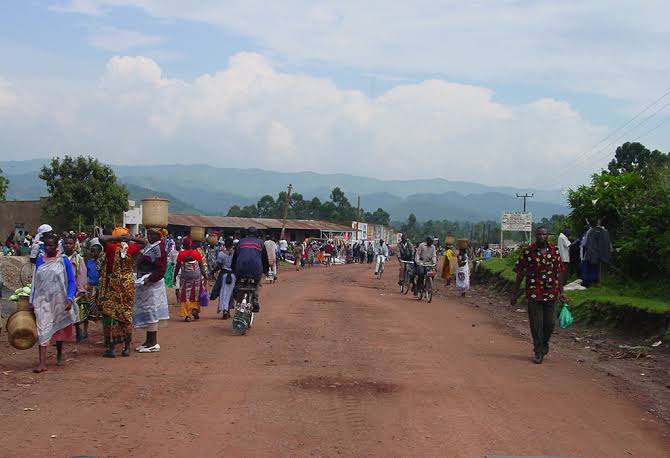
Kisoro Town Walks: Markets, Volcano Views and Twa Communities
Kisoro town walks offer travellers an enjoyable opportunity to experience everyday life in southwestern Uganda. Surrounded by the Virunga Mountains, fertile farmland and beautiful highland scenery, Kisoro is an excellent destination for visitors interested in local markets, cultural experiences and countryside walking.
Although many travellers visit Kisoro before gorilla trekking in Bwindi Impenetrable National Park or Mgahinga Gorilla National Park, the town has attractions worth exploring independently.
You can walk through busy markets, observe local trading activities, enjoy views of Mount Muhabura and learn about the history of the Batwa communities who have lived in the wider region for generations.
This guide explains the best walking experiences around Kisoro, what to expect at local markets, where to enjoy volcano views and how to arrange respectful community visits.
Understanding Kisoro Town in Southwestern Uganda
Kisoro is located in Uganda’s southwestern corner, close to the borders with Rwanda and the Democratic Republic of Congo.
The town serves as an important commercial centre for surrounding farming communities.
Residents grow crops such as Irish potatoes, beans, sorghum and bananas.
Small businesses, markets and transport services support daily economic activities.
Kisoro also serves travellers visiting Mgahinga Gorilla National Park and the southern sectors of Bwindi.
Its elevated location creates relatively cool temperatures, particularly during mornings and evenings.
The surrounding volcanic landscape makes Kisoro different from many other Ugandan towns.
Best Kisoro Town Walks for Visitors
Walking is an excellent way to become familiar with Kisoro.
You can explore selected town streets independently during daylight, although a local guide can provide additional cultural explanations.
1. Kisoro Central Market Walk
Kisoro Central Market is one of the town’s most interesting places to visit.
Traders sell fresh vegetables, fruits, grains, household products and other everyday goods.
The market provides an opportunity to understand how agricultural produce moves between surrounding villages and the town.
You may see sacks of Irish potatoes, beans, bananas and seasonal vegetables.
Some traders also sell clothing and household supplies.
The market can become particularly busy during established trading days.
Mondays and Thursdays are commonly associated with larger market activities, although schedules should be confirmed locally.
What to Observe at Kisoro Market
| Market section | Common products | Visitor interest |
|---|---|---|
| Fresh produce | Potatoes, vegetables, bananas | Local agriculture |
| Grain stalls | Beans, maize, sorghum | Traditional food |
| Clothing stalls | New and second-hand clothing | Everyday trading |
| Household goods | Utensils and supplies | Community commerce |
| Small food vendors | Cooked meals and snacks | Local food culture |
Ask permission before photographing traders.
Avoid blocking customers or interfering with business activities.
2. Kisoro Town Centre Walk
A town centre walk allows you to observe Kisoro’s daily activities.
You can explore shops, small restaurants, transport areas and commercial streets.
Local businesses provide services to residents and visitors travelling towards the national parks.
A guide may explain how cross-border trade influences the town’s economy.
You can also stop at a local restaurant to try Ugandan food.
Allow approximately one to two hours for a relaxed walk with occasional stops.
3. Countryside Walks Near Kisoro
The countryside outside Kisoro contains terraced farmland, small settlements and beautiful mountain scenery.
Guided walking routes may pass potato gardens, banana plantations and rural homes.
The terrain can be hilly.
Some footpaths become slippery after rainfall.
Choose a route that matches your fitness and wear comfortable footwear.
Always respect private property and cultivated land.
Volcano Views Around Kisoro
One of Kisoro’s most attractive features is its location near the Virunga Mountains.
Three prominent volcanoes associated with Mgahinga Gorilla National Park dominate the surrounding landscape.
Mount Muhabura
Mount Muhabura, also commonly written Muhavura, rises to approximately 4,127 metres above sea level.
Its distinctive shape makes it an important landmark.
On clear days, you can enjoy views of the mountain from suitable open areas around Kisoro.
Mount Gahinga
Mount Gahinga is another volcanic mountain in the Virunga range.
The mountain is known for its bamboo vegetation and volcanic landscape.
Although climbing requires a separate authorised excursion, visitors can admire its slopes from suitable viewpoints.
Mount Sabyinyo
Mount Sabyinyo has a distinctive rugged summit.
Its name is commonly associated with the appearance of old teeth.
The mountain lies near the borders of Uganda, Rwanda and the Democratic Republic of Congo.
Comparing the Virunga Volcanoes
| Volcano | Approximate elevation | Main attraction |
|---|---|---|
| Mount Muhabura | 4,127 metres | Prominent volcanic peak |
| Mount Gahinga | 3,474 metres | Bamboo vegetation and crater scenery |
| Mount Sabyinyo | 3,669 metres | Rugged summit and border landscape |
Morning conditions often provide better visibility, although clouds can cover the mountains at any time.
Understanding the Batwa Communities Around Kisoro
The Batwa, sometimes referred to as Twa, are Indigenous people with longstanding cultural connections to the forests of southwestern Uganda and neighbouring regions.
Historically, many Batwa communities depended on forest resources for food, shelter and traditional activities.
The establishment of protected areas changed their access to ancestral forest lands.
These changes created serious social and economic challenges for many families.
Today, Batwa communities maintain cultural knowledge while participating in different forms of employment, education and community development.
Visitors interested in Batwa history should choose respectful, community-led experiences.
Avoid treating residents as exhibits or assuming every Batwa person follows the same lifestyle.
Visiting Batwa Communities Responsibly
Cultural experiences are available in the wider Kisoro region.
Some are organised through community groups and local tourism operators.
Visitors may learn about traditional forest knowledge, music, storytelling and historical livelihoods.
However, activities should be arranged with community consent.
Ask how tourism income is shared and whether local residents manage the programme.
Responsible Community Visiting Rules
| Recommended behaviour | Reason |
|---|---|
| Book community-led experiences | Supports local participation |
| Ask before taking photographs | Respects personal privacy |
| Follow your host’s instructions | Avoids cultural misunderstandings |
| Pay agreed fees fairly | Supports community income |
| Avoid entering homes without permission | Respects private spaces |
| Listen without making assumptions | Encourages respectful learning |
If you want to purchase crafts, buy directly from participating makers where possible.
The Batwa Trail in Mgahinga Gorilla National Park
The Batwa Trail is a recognised cultural experience in Mgahinga Gorilla National Park.
It is separate from an ordinary Kisoro town walk.
The activity introduces visitors to aspects of Batwa cultural heritage through guided interpretation.
Participants may learn about historical forest skills, traditional plants and important cultural locations.
The experience is arranged through authorised tourism channels.
Because it takes place within a protected area, visitors must follow park regulations.
Confirm current fees, duration and availability before booking.
Walking Towards Lake Mutanda
Lake Mutanda is one of the most beautiful destinations near Kisoro.
Located north of the town, the lake offers views of surrounding hills and the Virunga Mountains.
Visitors can arrange walking experiences in the surrounding countryside.
However, Lake Mutanda is outside the central town area.
Walking the entire distance may require several hours, depending on your starting point.
For a shorter experience, travel by vehicle to a suitable lakeside location before beginning your walk.
The lake is also known for canoeing and birdwatching.
Comparing Kisoro Walking Experiences
| Walking experience | Suggested duration | Difficulty |
|---|---|---|
| Kisoro Central Market | 45–90 minutes | Easy |
| Town centre walk | 1–2 hours | Easy |
| Nearby countryside walk | 2–3 hours | Moderate |
| Volcano viewpoint walk | 1–3 hours | Depends on location |
| Batwa community visit | 2–4 hours | Easy to moderate |
| Lake Mutanda countryside | Half day | Moderate |
These estimates depend on the chosen route and activities.
Best Time for Walking Around Kisoro
Kisoro experiences relatively cool highland conditions.
However, rainfall can affect walking activities throughout the year.
Relatively drier periods commonly occur during parts of December to February and June to August.
The wetter months may bring muddy paths and reduced mountain visibility.
Early mornings are particularly suitable for photography and countryside walks.
Market visits can be more interesting when trading activity is busy.
Recommended Walking Times
| Time | Best activity |
|---|---|
| 7:00–9:00 am | Volcano photography |
| 9:00–11:00 am | Market exploration |
| 11:00 am–1:00 pm | Town centre activities |
| 2:00–4:00 pm | Guided cultural visits |
| 4:00–5:30 pm | Short countryside walks |
Avoid unfamiliar isolated routes after dark.
What to Wear for Kisoro Town Walks
Comfortable clothing is important because Kisoro has changing weather conditions.
Wear suitable walking shoes with good grip.
Carry a light jacket for cooler mornings.
A raincoat may be useful during wet weather.
Bring drinking water, particularly when planning longer walks.
Recommended Items
| Item | Purpose |
|---|---|
| Comfortable shoes | Walking on uneven paths |
| Light jacket | Cool temperatures |
| Raincoat | Rain protection |
| Drinking water | Hydration |
| Small backpack | Personal belongings |
| Camera | Photography |
| Sunscreen | Sun protection |
| Small cash notes | Local purchases |
Carry only the money and valuables you need.
Local Food to Try During Your Walk
Kisoro’s restaurants and market food stalls provide opportunities to try everyday Ugandan meals.
You may find dishes prepared with beans, Irish potatoes, bananas and other locally grown ingredients.
Tea is also widely available.
Choose food vendors who prepare meals hygienically.
If you have dietary requirements, explain them before ordering.
A short food stop can make your walking experience more relaxed.
Combining Kisoro Walks With Gorilla Trekking
Kisoro is a useful base for visiting Mgahinga Gorilla National Park and parts of southern Bwindi.
Travellers often spend a night in the area before or after gorilla trekking.
A short town walk can fit comfortably into an arrival afternoon.
However, avoid planning strenuous activities immediately before a demanding gorilla trek.
You may also consider golden monkey tracking or a separate volcano hiking experience.
These activities require appropriate permits and arrangements.
Sample Half-Day Kisoro Walking Itinerary
| Time | Activity |
|---|---|
| 8:00 am | Breakfast and meet your guide |
| 8:30 am | Explore Kisoro Central Market |
| 9:30 am | Walk through town streets |
| 10:30 am | Stop for volcano views |
| 11:00 am | Visit local shops or food vendors |
| 12:00 pm | Return to your accommodation |
A Batwa community experience can be arranged separately when sufficient time is available.
Kisoro town walks provide an enjoyable introduction to southwestern Uganda’s culture, agriculture and volcanic landscapes.
You can explore busy markets, observe daily trading activities and enjoy beautiful views of the Virunga Mountains.
Respectfully arranged Batwa community visits offer opportunities to learn about Indigenous cultural heritage and contemporary community life.
Whether you are visiting Kisoro before gorilla trekking or spending several days exploring the region, walking allows you to experience local surroundings at a comfortable pace.
With suitable planning and respect for residents, Kisoro can become a rewarding part of your Uganda holiday.


No comment