
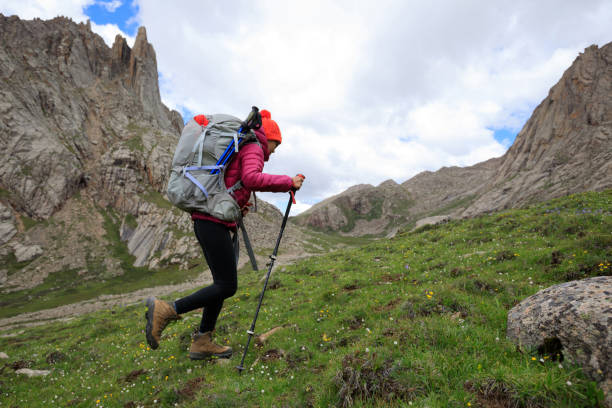
Pole-Pole Trekking: Pacing Techniques for High Altitude Walking
Pole-pole trekking is one of the most important techniques for walking comfortably at high altitude. The Swahili expression pole pole means slowly, slowly, and you will hear it frequently from mountain guides in Tanzania, particularly during climbs on Mount Kilimanjaro.
At high elevations, walking becomes more demanding because the amount of oxygen available with each breath decreases. Even experienced hikers may become tired more quickly than expected. Walking too fast can increase fatigue, make breathing uncomfortable and reduce your ability to complete demanding sections.
A slow, controlled pace helps you manage your energy and maintain comfortable movement. However, pacing alone cannot prevent altitude sickness. Your itinerary must also provide enough time for acclimatisation.
This guide explains practical pacing techniques, breathing methods, rest breaks, altitude planning and safety precautions for high-altitude walking in East Africa.
What Does Pole-Pole Trekking Mean?
Pole pole is a common Swahili expression encouraging someone to move slowly.
On mountain trails, guides use it to remind hikers to avoid unnecessary rushing.
The technique involves walking at a controlled speed, taking manageable steps and maintaining a pace you can sustain for several hours.
You may notice that experienced mountain guides move more slowly than visitors expect.
They understand that walking speed should reflect the terrain, elevation and physical condition of the group.
A successful trekking pace allows you to continue without repeatedly becoming exhausted.
Why Walking Becomes Difficult at High Altitude
As elevation increases, atmospheric pressure decreases.
This means each breath provides less oxygen than it would at sea level.
Your body responds by increasing breathing and heart rates.
You may become breathless while completing activities that normally feel easy.
Walking uphill, carrying a backpack and negotiating uneven terrain can become more tiring.
High altitude can also affect sleep and appetite.
These changes explain why hikers need to adjust their walking pace as they climb.
How Altitude Affects Walking
| Elevation | Common experience | Recommended approach |
|---|---|---|
| Below 1,500 metres | Normal walking conditions for many travellers | Comfortable natural pace |
| 1,500–2,500 metres | Some visitors notice increased effort | Adjust speed when necessary |
| 2,500–3,500 metres | Greater altitude illness risk | Slow walking and gradual acclimatisation |
| 3,500–4,500 metres | Breathing may become more demanding | Short steps and careful monitoring |
| Above 4,500 metres | Considerable physical demands | Conservative pacing and close guide supervision |
Individual responses vary considerably.
Fitness does not guarantee protection against altitude sickness.
The Importance of Pole-Pole Trekking on Kilimanjaro
Mount Kilimanjaro rises to approximately 5,895 metres above sea level.
Its trekking routes pass through several vegetation and climate zones.
During a climb, hikers gradually move through forest, moorland, alpine desert and high mountain terrain.
The increasing elevation makes pacing particularly important.
Some visitors begin walking too quickly because the lower trails feel relatively easy.
However, maintaining that speed becomes difficult as altitude increases.
Guides encourage slow movement so hikers can conserve energy throughout the day.
The same approach is useful on other high-altitude routes, including sections of the Rwenzori Mountains.
How to Find Your Ideal Walking Pace
Your ideal pace should allow you to walk steadily without excessive breathlessness.
A useful technique is the conversation test.
If you can speak in short sentences while walking, your pace may be manageable.
If you struggle to speak because you are breathing heavily, slow down.
However, this test does not identify altitude illness or replace medical assessment.
The correct pace also depends on the steepness of the trail.
You may need to walk considerably slower on rocky climbs than on gentle ground.
Avoid comparing yourself with faster hikers.
Use Short, Controlled Steps
Taking long steps uphill requires greater muscular effort.
Shorter steps can make steep climbing more comfortable.
Keep your movements controlled.
Place each foot securely before transferring your weight.
Avoid jumping between rocks or taking unnecessarily large strides.
On steep terrain, shorten your steps further.
This technique can reduce muscle fatigue and help maintain balance.
Walking Techniques Compared
| Technique | Main advantage | Suitable terrain |
|---|---|---|
| Short steps | Reduces effort per movement | Steep climbs |
| Steady rhythm | Helps manage energy | Long uphill trails |
| Controlled descent | Improves stability | Rocky downhill sections |
| Walking poles | Provides additional support | Uneven terrain |
| Frequent pace adjustments | Matches changing conditions | Mixed mountain trails |
Practise Comfortable Breathing
Breathing naturally becomes faster at high altitude.
Trying to force an uncomfortable breathing pattern may make walking more difficult.
Instead, focus on maintaining a comfortable rhythm.
Slow your steps when breathing becomes excessively demanding.
Avoid holding your breath during steep movements.
Some hikers find that matching their steps with their breathing helps maintain consistency.
For example, you might breathe in over two steps and breathe out over the following two.
However, this is an optional rhythm rather than a strict rule.
Adjust your breathing according to personal comfort.
Take Regular Rest Breaks
Rest breaks help reduce fatigue during long trekking days.
However, stopping too frequently for extended periods can make it difficult to maintain a comfortable rhythm.
Short, planned breaks often work well.
For example, your guide may recommend walking for 30–45 minutes before stopping briefly.
This is only a practical example.
The appropriate schedule depends on altitude, weather, terrain and individual fitness.
During breaks, drink water, adjust clothing and check your condition.
If you feel unusually unwell, tell your guide immediately.
Understand the Difference Between Pacing and Acclimatisation
Walking slowly and acclimatising are related but different.
Pacing controls how much effort you use while moving.
Acclimatisation allows your body time to adjust to reduced oxygen availability.
You cannot compensate for an excessively rapid ascent simply by walking slowly.
Your sleeping altitude and overall itinerary remain important.
Once above approximately 3,000 metres, established guidance generally recommends increasing sleeping altitude by no more than about 500 metres per day.
Additional acclimatisation days are recommended as sleeping altitude increases.
These are general planning guidelines, and your medical history may require a more cautious approach.
Choosing a Suitable Kilimanjaro Itinerary
Different Kilimanjaro routes involve different walking schedules and acclimatisation opportunities.
Some programmes provide more time on the mountain than others.
Longer itineraries may allow a more gradual ascent.
However, the number of days alone does not guarantee safety.
You should examine the elevation gained between overnight camps.
Route Planning Considerations
| Planning factor | What to examine |
|---|---|
| Trek duration | Number of walking and acclimatisation days |
| Sleeping altitude | Elevation gained between camps |
| Daily walking hours | Physical demands of each stage |
| Terrain | Steepness and surface conditions |
| Rest opportunities | Time available for recovery |
| Emergency arrangements | Descent and evacuation procedures |
Ask your operator to explain the altitude profile before booking.
Pole-Pole Trekking During Summit Night
Summit night is often the most physically demanding part of a Kilimanjaro climb.
Hikers may begin walking during the night to reach the upper mountain around sunrise.
Temperatures can be extremely cold.
The terrain may include loose volcanic material and steep sections.
At this elevation, even small movements can feel tiring.
Guides normally maintain a very slow pace.
Follow their instructions closely.
Avoid attempting to overtake other hikers unnecessarily.
If you become unwell, inform your guide immediately rather than trying to continue silently.
Reaching the summit should never take priority over your health.
Recognising Altitude Sickness Symptoms
Altitude illness can affect anyone, including physically fit travellers.
Common symptoms of acute mountain sickness include headache, nausea, dizziness and unusual fatigue.
Symptoms may develop several hours after reaching a higher elevation.
Never ignore them.
Warning Signs and Responses
| Symptom | Recommended action |
|---|---|
| Headache with nausea or dizziness | Stop ascending and inform your guide |
| Unusual fatigue | Rest and assess for altitude illness |
| Persistent vomiting | Seek medical assessment and arrange descent |
| Difficulty walking straight | Emergency descent and medical assistance |
| Confusion | Immediate emergency response |
| Breathlessness while resting | Urgent medical attention and descent |
Do not continue to a higher sleeping altitude while experiencing symptoms of altitude illness.
Severe symptoms require prompt descent and emergency medical care. Oxygen and other treatment may be necessary.
Hydration and Nutrition During High-Altitude Trekking
Long walking days increase your need for fluids and energy.
Carry sufficient drinking water and use regular opportunities to drink.
However, excessive water consumption can also be dangerous.
Drink according to your needs and the guidance provided by your trekking team.
Eat regular meals whenever possible.
Carbohydrate-rich foods such as rice, potatoes, porridge and pasta can provide useful energy.
Carry familiar snacks for longer walking sections.
If you develop persistent nausea or lose your appetite alongside other symptoms, report this to your guide.
Managing Your Backpack Weight
Carrying unnecessary equipment makes trekking more tiring.
A lighter daypack allows you to move more comfortably.
Pack only items needed during the day’s walk.
These commonly include water, warm clothing, waterproof protection, snacks and personal medication.
Your trekking operator may arrange porters for larger equipment.
Recommended Daypack Items
| Item | Purpose |
|---|---|
| Drinking water | Hydration |
| Rain jacket | Weather protection |
| Warm layers | Temperature changes |
| Snacks | Additional energy |
| Personal medication | Individual health needs |
| Sunscreen | Sun protection |
| Gloves | Cold weather protection |
| Headlamp | Low-light conditions |
Avoid attaching loose equipment that may interfere with your balance.
Using Trekking Poles Correctly
Trekking poles can improve stability on uneven trails.
They are particularly useful during descents.
Adjust the pole length according to the terrain.
Shorter settings may feel more comfortable uphill.
Longer settings can provide additional support when descending.
However, poles should support your natural movement.
Avoid placing excessive weight on them or relying on them to compensate for exhaustion.
Training Before a High-Altitude Trek
Physical preparation improves your ability to manage long walking days.
Begin training several months before departure.
Include regular walks, hill climbing and moderate endurance exercise.
Gradually increase the duration of your training sessions.
Practise walking with the backpack you intend to carry.
You should also test your hiking boots before travelling.
Good physical fitness improves walking performance, but it does not eliminate altitude illness risk.
If you have heart, lung or other relevant medical conditions, consult a qualified clinician familiar with altitude travel.
How Guides Help Manage Your Trekking Pace
Experienced mountain guides monitor the group’s walking speed and general condition.
They may adjust the pace according to terrain, weather and altitude.
Guides also help identify signs of fatigue and altitude illness.
Be honest when answering questions about your health.
Do not hide headaches or breathing difficulties because you are worried about delaying the group.
A responsible guide should prioritise safety and arrange descent when necessary.
Common Pacing Mistakes to Avoid
Several habits can make high-altitude walking more difficult.
Starting too quickly is one of the most common mistakes.
Another is trying to match the speed of stronger hikers.
Some visitors also skip rest breaks because they want to reach camp early.
Others ignore unusual symptoms and continue climbing.
Avoid these mistakes by following a comfortable pace, respecting your itinerary and communicating openly with your guide.
Pole-pole trekking is a practical approach to managing physical effort during high-altitude walking.
By taking shorter steps, maintaining a comfortable rhythm and allowing regular breaks, you can reduce unnecessary fatigue.
However, walking slowly does not replace proper acclimatisation or medical precautions.
Choose a suitable itinerary, monitor your symptoms and follow your guide’s instructions.
Whether you are climbing Kilimanjaro or exploring another East African mountain, a controlled pace can make your trekking experience more comfortable and manageable.

No comment