Kilimanjaro Marathon in Moshi: Race Weekend Planning
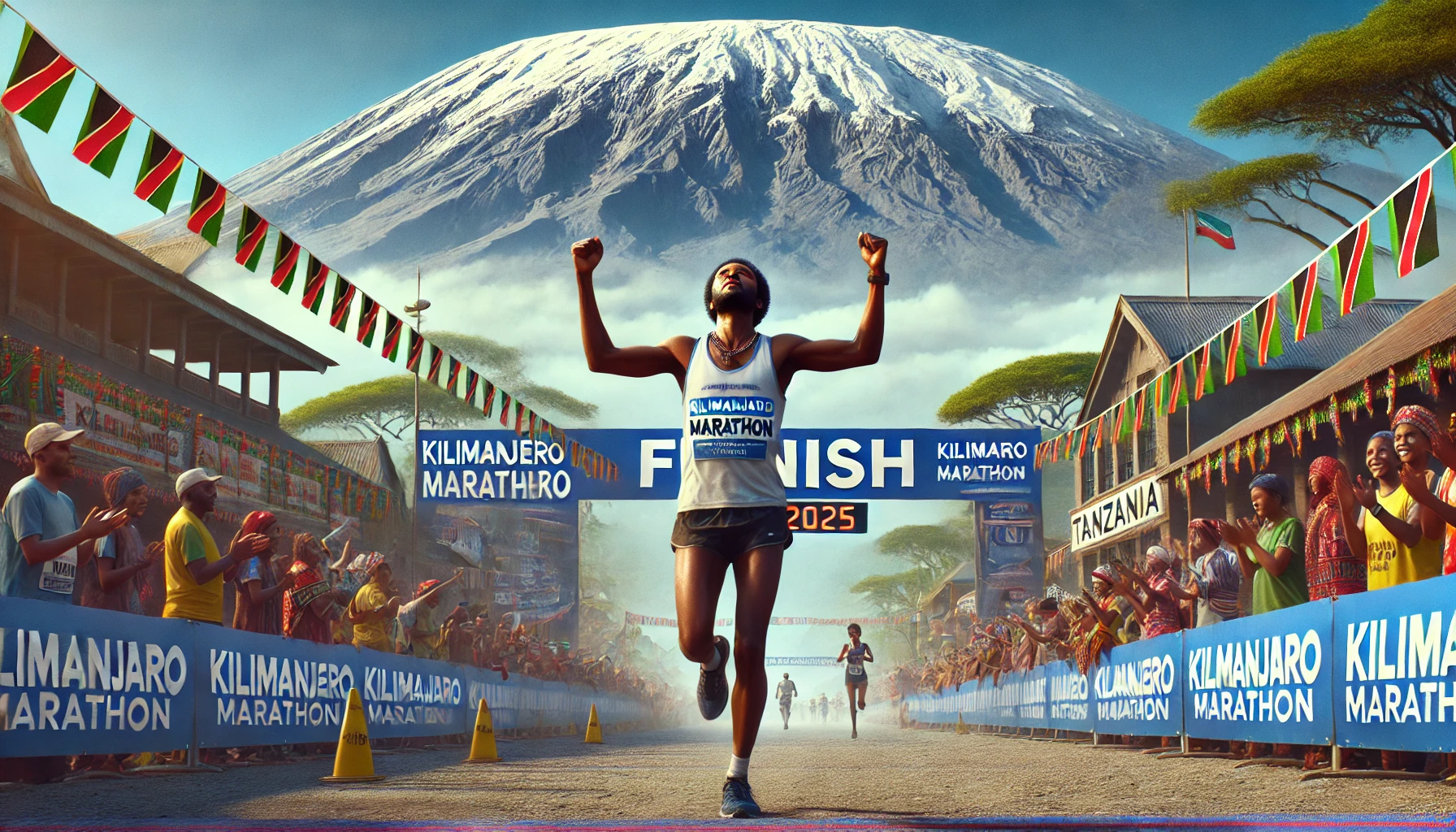
The Kilimanjaro Marathon in Moshi is one of Tanzania’s best-known running events, attracting local athletes, international runners and visitors who want to experience northern Tanzania. Held in the town of Moshi, near the slopes of Mount Kilimanjaro, the event combines organised road races with a lively atmosphere, local hospitality and opportunities to explore the surrounding region.
Whether you are preparing for the full marathon, entering the half marathon or joining the shorter fun run, careful planning can make your race weekend more comfortable. You need to consider registration, accommodation, transport, training, meals and recovery time.
Moshi is also a convenient starting point for visiting coffee farms, nearby waterfalls and Mount Kilimanjaro National Park.
This guide explains how to plan your Kilimanjaro Marathon weekend, including race categories, travel arrangements, accommodation choices, race-day preparation and activities to enjoy after finishing.
Understanding the Kilimanjaro Marathon
The Kilimanjaro Marathon takes place in Moshi, a town in Tanzania’s Kilimanjaro Region.
The event attracts professional runners, recreational athletes and people participating for personal fitness goals.
The main race categories traditionally include a full marathon, half marathon and shorter fun run.
The routes use roads around Moshi and its surrounding areas.
Although Mount Kilimanjaro forms an important part of the event’s setting, the marathon does not involve climbing the mountain.
Participants run on established road courses that include some elevation changes.
The atmosphere is particularly enjoyable because residents gather along sections of the routes to support runners.
Kilimanjaro Marathon 2027 Date and Race Categories
The announced date for the 2027 Kilimanjaro Marathon is Sunday, 7 February 2027.
The event was previously listed for March, so travellers should use the updated date when planning their visit.
Confirm all final arrangements with the official organiser before purchasing non-refundable travel services.
Race Categories
| Race category | Distance | Suitable participants |
|---|---|---|
| Full marathon | 42.2 km | Experienced long-distance runners |
| Half marathon | 21.1 km | Regular runners with endurance training |
| Fun run | 5 km | Recreational runners and eligible beginners |
Age restrictions, entry requirements and participation conditions depend on the organiser’s rules.
Choose a distance that matches your current fitness and training experience.
How to Register for the Kilimanjaro Marathon
Registration should be completed through the event’s authorised registration process.
Before registering, check the available race categories and entry fees.
You should also confirm payment methods and identification requirements.
International participants may need to provide passport details during registration.
After completing payment, keep your confirmation information accessible.
It is sensible to save a copy on your phone and carry another copy when collecting your race materials.
Register early whenever possible because popular categories may attract substantial numbers of participants.
Registration Checklist
| Requirement | What to prepare |
|---|---|
| Identification | Passport or accepted identification |
| Race selection | Confirm your preferred distance |
| Registration confirmation | Save your entry details |
| Payment | Use an accepted payment method |
| Race instructions | Review the latest organiser information |
| Emergency contact | Provide accurate contact details |
| Medical information | Disclose relevant details where required |
Getting to Moshi for Race Weekend
Moshi is located in northern Tanzania, within easy travelling distance of Kilimanjaro International Airport.
International visitors commonly arrive through Kilimanjaro International Airport before continuing by road.
The airport is approximately 40 kilometres from central Moshi.
A transfer generally takes around 45–60 minutes, depending on traffic and your accommodation location.
Visitors travelling from Arusha can reach Moshi by road.
The journey commonly takes approximately 1.5–2 hours.
Travel Options Compared
| Starting point | Transport | Approximate travelling time |
|---|---|---|
| Kilimanjaro International Airport | Private transfer or taxi | 45–60 minutes |
| Arusha | Private vehicle | 1.5–2 hours |
| Dar es Salaam | Domestic flight and road transfer | Depends on flight schedule |
| Nairobi | Road or flight connection | Depends on border and transport arrangements |
Allow extra time for international arrivals, baggage collection and unexpected delays.
When Should You Arrive in Moshi?
Arriving at least two days before the marathon is a sensible choice.
For example, if your race takes place on Sunday, consider arriving by Friday.
This gives you time to settle into your accommodation, collect your race materials and understand the event location.
You can also check the weather and become familiar with nearby roads.
Avoid arriving late on Saturday if you are travelling internationally.
Flight delays or transport problems could interfere with race preparation.
Suggested Arrival Schedule
| Day | Recommended activity |
|---|---|
| Friday | Arrive in Moshi and check into accommodation |
| Saturday | Collect race materials and prepare equipment |
| Sunday | Participate in the marathon |
| Monday | Rest and enjoy light sightseeing |
| Tuesday | Continue your Tanzania holiday or depart |
Choosing Accommodation in Moshi
Accommodation location can significantly affect your race weekend.
A hotel close to the official start and finish areas may reduce travelling difficulties.
However, the exact race arrangements can change between editions.
Confirm the official venue before choosing accommodation.
Moshi offers budget guesthouses, mid-range hotels and more comfortable properties.
If you are travelling with family members, choose accommodation with enough space for everyone.
Accommodation Options
| Accommodation type | Advantages | Suitable visitors |
|---|---|---|
| Budget guesthouse | Lower cost | Solo runners |
| Mid-range hotel | Private rooms and regular services | Couples and small groups |
| Comfortable hotel | Additional facilities | Families and international visitors |
| Apartment accommodation | Kitchen and extra space | Groups of friends |
| Accommodation outside town | Quieter surroundings | Visitors arranging private transport |
Ask whether breakfast can be served early on race morning.
You should also check hot water availability, transport arrangements and cancellation conditions.
Understanding the Marathon Route
The Kilimanjaro Marathon takes place on roads around Moshi.
Some sections involve gradual climbs and descents.
This means runners should prepare for more than a completely flat course.
The town sits at a moderate elevation above sea level.
Although this is much lower than Mount Kilimanjaro’s summit, travellers arriving from low-altitude destinations may notice differences during strenuous exercise.
Review the official course map before race day.
Pay attention to turning points, hydration stations, road closures and elevation changes.
Do not rely on older route maps because organisers may adjust the course.
Training for the Kilimanjaro Marathon
Preparation should begin well before travelling to Tanzania.
The training programme depends on your selected distance.
A full marathon requires considerably more endurance preparation than a 5 km fun run.
Experienced runners may begin a structured marathon training programme approximately 12–20 weeks before the event.
Beginners may need a longer preparation period.
Increase your training gradually and allow sufficient recovery.
Training Priorities
| Training activity | Purpose |
|---|---|
| Easy running | Builds general endurance |
| Long runs | Prepares the body for race distance |
| Hill training | Helps manage elevation changes |
| Strength exercises | Supports running stability |
| Recovery days | Reduces excessive training fatigue |
| Hydration practice | Develops a familiar drinking routine |
Avoid introducing unfamiliar shoes, supplements or training methods immediately before the race.
Preparing for Moshi’s Weather
Moshi can experience warm daytime conditions.
Temperatures vary according to weather patterns, cloud cover and rainfall.
Early morning conditions are often cooler than midday.
However, runners should prepare for increasing temperatures as the day progresses.
Choose lightweight running clothing.
A cap and suitable sunscreen can provide additional sun protection.
You should also practise your hydration strategy during training.
Do not assume that drinking as much water as possible is the safest approach.
Drink according to your needs and follow recognised endurance-running guidance.
Race Kit Collection and Final Preparation
Race organisers normally provide instructions about collecting bib numbers and other materials.
Check the official collection location and opening times before travelling.
Take your registration confirmation and required identification.
After collecting your race materials, inspect everything carefully.
Confirm that your bib number matches your registration.
If timing equipment is supplied, follow the organiser’s instructions for attaching it.
Prepare your clothing, shoes and equipment the evening before the race.
Avoid leaving important decisions until early Sunday morning.
What to Eat Before Race Day
Food preparation is an important part of a comfortable running experience.
Choose familiar meals that your stomach tolerates well.
Carbohydrate-rich foods such as rice, potatoes, pasta and bread can support your pre-race nutrition plan.
However, avoid overeating or experimenting with unfamiliar foods.
If you have dietary requirements, inform your accommodation provider in advance.
Suggested Race Weekend Meals
| Time | Food ideas |
|---|---|
| Friday dinner | Rice or potatoes with vegetables and protein |
| Saturday breakfast | Porridge, bread or other familiar foods |
| Saturday lunch | Rice, pasta or another balanced meal |
| Saturday dinner | Familiar carbohydrate-rich meal |
| Race morning | Your usual tested pre-run breakfast |
| After finishing | Fluids and a meal containing carbohydrates and protein |
Your individual nutritional needs depend on race distance, training and personal tolerance.
Race Morning Planning
Wake up early enough to prepare without rushing.
Allow time for breakfast, dressing and transport.
Check that you have your race bib, running shoes and essential personal items.
Leave your accommodation with enough time to reach the event venue before any road closures affect access.
Follow instructions from marshals and security personnel.
During the race, start at a pace appropriate for your fitness.
Avoid running much faster than your planned pace because of the excitement at the starting line.
Use official hydration stations according to your needs.
If you experience chest pain, severe dizziness or unusual breathing difficulty, stop and seek medical assistance.
Supporting Friends and Family
The Kilimanjaro Marathon can be an enjoyable event for spectators.
Friends and relatives may watch runners at permitted locations along the course.
However, spectators should avoid obstructing participants or crossing closed roads.
Agree on a meeting point before the event.
Mobile networks may become busy when large numbers of people gather.
If travelling with children, keep them supervised throughout the race.
Recovery After the Kilimanjaro Marathon
After finishing, allow your body time to recover.
Walk slowly for a short period if you feel comfortable.
Replace fluids and eat a suitable meal.
Change out of wet clothing and rest.
Muscle soreness may develop during the following day.
Avoid scheduling demanding physical activities immediately after a full marathon.
If you experience severe pain, persistent weakness or other concerning symptoms, seek medical advice.
Things to Do Around Moshi After the Race
Moshi offers several activities for visitors extending their stay.
Visit Local Coffee Farms
The slopes surrounding Mount Kilimanjaro support coffee-growing communities.
Guided visits can introduce travellers to coffee cultivation, harvesting and preparation.
Explore Materuni Waterfall
Materuni is a popular excursion from Moshi.
Visitors can enjoy countryside scenery and learn about local Chagga communities.
The waterfall walk includes uneven paths, so allow sufficient recovery after your race.
Visit Mount Kilimanjaro National Park
Travellers interested in mountain scenery can arrange suitable excursions near Kilimanjaro.
A guided day hike towards Mandara Hut is one possibility, although it requires physical effort.
Schedule strenuous hiking only after recovering adequately.
Budgeting for Kilimanjaro Marathon Weekend
Your total budget will depend on travel distance, accommodation standards and race category.
The table below identifies the main expenses.
| Expense | Budget consideration |
|---|---|
| Race registration | Depends on category and participant classification |
| Accommodation | Number of nights and hotel standard |
| Airport transfer | Shared or private transport |
| Meals | Hotel dining and local restaurants |
| Local transport | Race venue transfers and sightseeing |
| Travel insurance | Suitable medical and sporting coverage |
| Sightseeing | Optional tours after the event |
Request current prices before booking.
Avoid relying on registration fees or accommodation rates from previous editions.
The Kilimanjaro Marathon in Moshi offers runners an opportunity to participate in an established East African sporting event while experiencing northern Tanzania.
Successful race weekend planning begins with early registration, suitable accommodation and realistic travel arrangements.
Arrive before race weekend becomes busy, prepare your equipment and familiarise yourself with the official course.
After finishing, allow time to recover before exploring Moshi’s coffee farms, waterfalls and mountain scenery.
With thoughtful preparation, the Kilimanjaro Marathon can become an enjoyable part of your Tanzania travel experience.

No comment