

Foodie tours in East Africa: markets, farms and street eats
East Africa offers a rich culinary experience shaped by local agriculture, traditional cooking methods, regional trade, and centuries of cultural exchange. From busy street food stalls in Kampala and Nairobi to spice farms in Zanzibar and coffee-growing communities in Rwanda, the region provides countless opportunities for travellers to discover its food culture. Foodie tours introduce visitors to the ingredients, people, and traditions behind everyday meals, offering a different way to understand the region beyond its wildlife parks, beaches, and mountains.
Uganda, Kenya, Tanzania, and Rwanda each have distinctive food traditions. Travellers can taste roasted meat at roadside grills, sample fresh tropical fruit at local markets, learn how bananas are prepared for traditional dishes, visit coffee farms, and explore the spices that give coastal cuisine its characteristic flavour. These experiences connect food with farming, family life, community celebrations, and local business.
A foodie tour can be a short city excursion, a guided market visit, a cooking class, or a full-day journey through farms and rural communities. Some travellers prefer tasting several small dishes in a single afternoon, while others enjoy spending time with farmers, cooks, and food producers to learn how ingredients move from the field to the table.
For visitors exploring East Africa, culinary experiences can also complement a safari or beach holiday. A traveller visiting Uganda for gorilla trekking can explore Kampala’s food scene before travelling to the national parks. Someone visiting Kenya for a wildlife safari can sample coastal dishes in Mombasa, while visitors to Tanzania can combine a northern circuit safari with a spice tour in Zanzibar. In Rwanda, coffee experiences and traditional cooking sessions provide another way to discover the country’s culture.
Why choose a foodie tour in East Africa?
Foodie tours allow travellers to experience local life through familiar activities such as shopping, cooking, eating, and sharing meals. Instead of viewing a destination only through its major attractions, visitors discover how people choose ingredients, prepare traditional dishes, and adapt recipes to changing lifestyles.
One of the main benefits is the opportunity to taste foods that may not appear on standard restaurant menus. Local markets and neighbourhood eateries often serve regional specialities that reflect the agricultural products available in the surrounding area. A guide can explain the ingredients, preparation methods, and cultural significance of each dish.
Food tours can also support local economies. Buying fruit from market vendors, eating at locally owned restaurants, and visiting small-scale producers can help direct spending towards the people who grow, prepare, and sell food. Farm visits may provide further insight into agricultural livelihoods and the challenges faced by local producers.
These experiences suit different types of travellers. Couples may enjoy a relaxed evening tasting tour, families can explore fruit markets and cooking classes, and solo travellers can join small-group excursions to meet other visitors. Travellers with a strong interest in agriculture may prefer farm visits, while those who enjoy trying unfamiliar dishes may find street food tours particularly rewarding.
Food safety and dietary requirements should be considered when choosing an experience. Travellers with allergies, dietary restrictions, or sensitive stomachs should explain their needs before booking. A reputable guide can help identify suitable dishes and select food vendors who follow appropriate hygiene practices.
Foodie tours in Uganda
Uganda’s food culture reflects its agricultural diversity, with bananas, cassava, sweet potatoes, maize, beans, groundnuts, vegetables, and tropical fruits forming important parts of everyday meals. Different regions have their own specialities, and food traditions vary among communities.
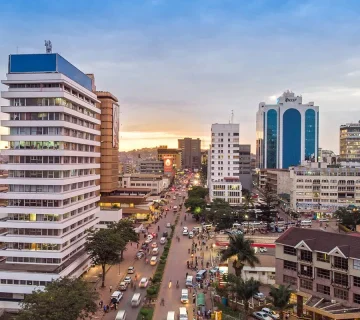
Kampala is a convenient starting point for culinary exploration. The city has traditional restaurants, roadside grills, produce markets, bakeries, and small eateries serving dishes from across the country. Visitors can explore local food markets, sample popular snacks, and learn how ingredients are used in Ugandan cooking.
A guided tour can combine market shopping with food tasting and a visit to a local restaurant. Travellers may learn how vendors select ripe produce, how traditional staples are prepared, and why particular foods are popular for breakfast, lunch, or dinner.
Visiting local food markets in Kampala
Kampala’s markets offer an introduction to Uganda’s agricultural products and everyday food culture. Visitors can encounter piles of bananas, tomatoes, onions, leafy vegetables, beans, groundnuts, cassava, sweet potatoes, pineapples, mangoes, and other seasonal produce.
Markets are more than places to buy ingredients. They bring together farmers, wholesalers, retailers, cooks, and households, creating a lively environment where food moves from rural production areas into the city. A guided walk can explain how vendors organise their products, identify seasonal ingredients, and serve different customers.
Travellers can also discover the variety of bananas used in Uganda. Some varieties are eaten fresh, while cooking bananas are central to dishes such as matooke. A guide may explain how the bananas are peeled, wrapped, steamed, and served with sauces made from groundnuts, beans, meat, or vegetables.
Visitors should ask permission before photographing vendors or their products at close range. Markets can be crowded, so keep personal belongings secure and follow the guide’s advice when moving through busy areas.
Tasting matooke, luwombo and other Ugandan dishes
Matooke is one of Uganda’s best-known traditional foods. It is prepared from cooking bananas that are peeled, wrapped, and steamed until soft. The bananas are often mashed and served with groundnut sauce, beans, beef, chicken, fish, or other accompaniments.
Luwombo is another important dish, traditionally associated with Buganda. Ingredients such as meat, chicken, groundnuts, or mushrooms are cooked in banana leaves, creating a distinctive flavour and aroma. The preparation method requires care because the leaves help contain the ingredients and retain moisture during cooking.
A foodie tour may also introduce visitors to posho, a firm maize meal commonly served with beans, meat, vegetables, or sauce. Other dishes worth exploring include cassava, roasted sweet potatoes, chapati, and rolex.
A rolex is a popular Ugandan street food made by rolling an omelette, often mixed with tomatoes and onions, inside a chapati. It is widely available from street vendors and small food businesses. Watching a vendor prepare one can be an enjoyable part of a culinary tour, particularly when visitors want to understand how a simple combination of ingredients became a widely recognised local favourite.
Street food and roadside grills
Street food is an important part of everyday dining in Uganda. Depending on the location, visitors may find roasted maize, roasted plantain, samosas, chapati, mandazi, grilled meat, and seasonal fruit sold along roadsides and near markets.
Roadside grills, often called muchomo spots, serve grilled meat such as beef, goat, and chicken. The meat is commonly accompanied by vegetables, chips, plantain, or other side dishes. Some places are simple outdoor stalls, while others operate as established restaurants with seating and drinks.
A guided street food tour helps travellers identify popular vendors and understand local eating customs. Guides can also explain how different cuts of meat are prepared and which sauces or accompaniments are commonly served with particular dishes.
When selecting street food, look for vendors who cook food thoroughly and serve it hot. Choose busy stalls where ingredients are handled carefully and food turnover is high. Avoid food that has been sitting uncovered for long periods, particularly in hot weather.
Coffee and farm experiences in Uganda
Uganda is an important coffee-producing country, with both Arabica and Robusta varieties grown in different regions. Coffee production supports many farming households and connects rural communities with international markets.
Travellers can arrange farm visits to learn about coffee cultivation, harvesting, processing, drying, roasting, and brewing. Depending on the location and season, visitors may see coffee cherries on the plants, observe how ripe cherries are selected, and learn how farmers prepare the beans for sale.
A coffee experience can also introduce visitors to the differences between Arabica and Robusta. Arabica is often associated with more delicate flavour profiles and is commonly grown in higher-altitude areas, while Robusta is known for its stronger character and suitability for different growing conditions.
Some experiences include tasting sessions where visitors compare coffees prepared using different methods. These visits are particularly rewarding for travellers who want to understand how climate, soil, altitude, and processing influence the final cup.
Foodie tours in Kenya
Kenya’s culinary traditions reflect its diverse communities, agricultural regions, and coastal trading history. Common foods include maize meal, beans, potatoes, vegetables, meat, fish, rice, and a wide range of tropical fruits. Coastal cuisine has strong Swahili influences, while inland regions have their own distinctive dishes and preparation methods.
Nairobi offers an accessible introduction to Kenyan food. Visitors can explore traditional restaurants, street food stalls, markets, bakeries, and modern eateries serving both local and international dishes. Coastal destinations such as Mombasa and Lamu provide opportunities to discover Swahili cuisine, including coconut-based curries, spiced rice, seafood, and locally prepared snacks.
Exploring Nairobi’s markets and street food
Nairobi’s food markets offer a glimpse into the country’s agricultural supply chains. Visitors can encounter fresh vegetables, fruit, grains, spices, meat, and other ingredients used in Kenyan cooking. A guided market visit can explain how produce arrives from farming regions and how traders supply households, restaurants, and small food businesses.
Street food tours may introduce visitors to dishes such as nyama choma, samosas, mandazi, roasted maize, and chapati. Nyama choma, meaning roasted meat in Swahili, is a popular social food often served with vegetables and accompaniments such as ugali.
Chapati is widely enjoyed across Kenya and can be served with beans, meat, vegetables, or tea. Mandazi, a lightly sweetened fried dough snack, is commonly eaten at breakfast or during the day. These foods provide an easy introduction to the country’s everyday eating habits.
Travellers should remember that Nairobi is a large city with a varied food scene. A tour focused on traditional Kenyan dishes will differ from one exploring contemporary restaurants or international cuisine, so it is useful to clarify your interests when booking.
Nyama choma and Kenyan food culture
Nyama choma is closely associated with social gatherings in Kenya. Friends and families often meet at grills and restaurants to share roasted meat, conversation, and side dishes. The experience is as much about social interaction as it is about the food.
Goat and beef are common choices, although availability varies by restaurant. The meat may be served with kachumbari, a fresh salad commonly made with tomatoes and onions, as well as ugali or other accompaniments.
A guided food tour can introduce visitors to the preparation process, the different cuts available, and the customs surrounding shared meals. Some restaurants prepare meat to order, so travellers should allow enough time for cooking rather than expecting an immediate meal.
Visitors who do not eat meat can still explore Kenya’s culinary culture through vegetable dishes, beans, lentils, chapati, fresh fruit, and coastal seafood where suitable. It is important to explain dietary preferences clearly because recipes and cooking methods differ between establishments.
Swahili cuisine in Mombasa and along the coast
Kenya’s coast has a distinctive culinary tradition influenced by local African food culture and centuries of Indian Ocean trade. Swahili cuisine commonly combines rice, coconut, spices, fish, meat, vegetables, and tropical fruits.
Mombasa is a particularly interesting destination for food lovers. Visitors can sample pilau, biryani, coconut-based curries, grilled seafood, samosas, and other dishes that reflect the region’s diverse influences. Pilau is a spiced rice dish often prepared with meat or other ingredients, while biryani generally involves a more layered preparation of rice and seasoned ingredients.
Coastal markets also offer fresh fish, prawns, crabs, and other seafood, depending on the season and location. Street vendors may sell cassava crisps, fried snacks, sweet treats, and fresh juice.
A guided food walk through Mombasa can combine tasting with a discussion of the city’s trading history. Spices, rice, and cooking techniques travelled through commercial networks that connected East Africa with South Asia, Arabia, and other parts of the Indian Ocean. The region’s food culture reflects these exchanges while retaining its own local identity.
Farm visits and tea experiences in Kenya
Kenya is known for tea and coffee production, as well as horticulture, dairy farming, and other agricultural activities. Farm visits can help travellers understand how crops are cultivated, harvested, processed, and transported to markets.
Tea experiences may be available in selected growing regions, where visitors can learn about tea bushes, leaf picking, processing, and grading. Depending on the farm, a visit may include a walk through the fields and an opportunity to taste the finished product.
Coffee farms provide a different perspective on agriculture. Visitors may learn about the annual growing cycle, harvesting methods, bean processing, and the challenges farmers face when responding to weather patterns and changing market prices.
Not every farm accepts casual visitors, so arrangements should be confirmed in advance. Some experiences are educational visits, while others focus on tasting or accommodation. Clarifying the programme helps travellers choose an experience that matches their interests.
Foodie tours in Tanzania
Tanzania offers a diverse culinary landscape shaped by inland agriculture, pastoral traditions, coastal trade, and the cultural influences of the Indian Ocean. Local meals commonly feature maize, rice, cassava, bananas, beans, vegetables, meat, and fish.
Dar es Salaam provides opportunities to explore urban food markets and street food, while Arusha is a useful stop for travellers visiting northern Tanzania’s national parks. Zanzibar offers a distinctive combination of Swahili cooking, tropical produce, seafood, and spices.
Food tours can be combined with wildlife safaris, Kilimanjaro climbing, or beach holidays. Travellers may begin with a culinary experience in Dar es Salaam, explore local dishes during a northern circuit safari, or finish a trip with a spice tour in Zanzibar.
Street food in Dar es Salaam
Dar es Salaam has a lively food scene, with markets, roadside stalls, small restaurants, and vendors selling snacks throughout the day. Travellers may encounter grilled meat, roasted maize, chapati, mandazi, fried cassava, samosas, and fresh tropical fruit.
One popular food is mishkaki, skewered meat that is seasoned and grilled. It is commonly served with sauces, vegetables, or other accompaniments. Chipsi mayai, an omelette made with chips, is another familiar street food in Tanzania.
A guided food tour can help visitors identify popular neighbourhood vendors and understand how local people eat during different parts of the day. Some tours focus on snacks and quick meals, while others include several sit-down tastings.
As in other East African cities, hygiene standards vary between vendors. Choose places where food is prepared thoroughly and served hot, and be cautious with uncooked ingredients if their washing and storage conditions are uncertain.
Zanzibar spice farms and culinary traditions
Zanzibar is one of East Africa’s best-known destinations for spice-related experiences. Its history of spice cultivation and Indian Ocean trade has influenced the island’s food culture, particularly through the use of cloves, cinnamon, cardamom, black pepper, ginger, and other aromatic ingredients.
A spice farm tour usually introduces visitors to the plants and trees that produce familiar cooking ingredients. Depending on the farm and season, guides may demonstrate how spices grow, explain when they are harvested, and describe how they are dried or processed.
Visitors may be invited to smell fresh leaves, taste selected fruits, or learn how spices are used in local dishes. Some tours include a traditional meal prepared with ingredients grown or sourced locally.
Spice tours are educational as well as culinary. They reveal the relationship between agriculture, trade, and everyday cooking, showing how products grown in one location became important in regional and international markets.
Travellers should confirm what is included in the tour price and whether transport, lunch, and tastings are provided. It is also worth checking whether the experience takes place on a working farm, at a demonstration garden, or at a combination of locations.
Traditional food in Zanzibar
Zanzibar’s cuisine combines Swahili traditions with influences from African, Arab, Indian, and other Indian Ocean communities. Rice, coconut, seafood, spices, cassava, and tropical fruits feature prominently in many local dishes.
Visitors can sample pilau, biryani, coconut fish curry, urojo, and a range of fried snacks. Urojo, often called Zanzibar mix, is a popular street food that may combine a tangy soup with potatoes, fritters, and other toppings. Recipes vary between vendors.
Zanzibar pizza is another well-known local street food. Despite its name, it differs from Italian pizza and is generally prepared on a hot surface using a thin dough filled with ingredients such as minced meat, vegetables, egg, cheese, or sweet fillings.
A food walk in Stone Town can combine tastings with an exploration of historic streets and markets. Visitors may learn how different communities influenced the island’s cuisine and how traditional recipes continue to adapt to modern tastes.
Local food and farming around Arusha
Arusha is an important base for travellers visiting Serengeti National Park, Ngorongoro Conservation Area, and other northern Tanzania destinations. The surrounding region also offers opportunities to explore agricultural production and traditional food.
Depending on the location, visitors may encounter farms producing coffee, vegetables, bananas, and other crops. Community visits can introduce travellers to local farming methods, food preparation, and the relationship between agriculture and household livelihoods.
A culinary excursion around Arusha may include a traditional meal, a farm walk, or a demonstration of how local ingredients are prepared. Some experiences also include coffee tasting or visits to small producers.
These tours are particularly useful for travellers who want to understand the communities and agricultural landscapes beyond the safari circuit. Visits should be arranged respectfully, with clear agreement about activities, photography, costs, and whether a meal is included.
Foodie tours in Rwanda
Rwanda’s food culture is closely connected to agriculture, with bananas, beans, potatoes, cassava, sweet potatoes, maize, vegetables, and dairy products featuring in many traditional meals. The country’s hilly landscape supports a range of farming activities, while coffee and tea are important commercial crops.
Kigali offers a convenient starting point for culinary exploration. Visitors can explore markets, traditional restaurants, cafés, and food businesses serving Rwandan dishes alongside international cuisine. Outside the capital, farm visits and community-based experiences can introduce travellers to rural food production.
Food tours can complement gorilla trekking in Volcanoes National Park, chimpanzee trekking in Nyungwe Forest National Park, and wildlife viewing in Akagera National Park. A cooking class or coffee experience in Kigali can provide a useful cultural introduction before travelling into the countryside.
Exploring Kigali’s food markets
Kigali’s food markets offer opportunities to discover the produce that supports Rwandan cooking. Visitors may find bananas, potatoes, beans, avocados, tomatoes, leafy vegetables, passion fruit, and other seasonal ingredients.
A guided market visit can explain how ingredients are selected, sold, and used in everyday meals. Travellers can learn about the importance of beans and other staple foods and discover how seasonal availability influences what people cook.
Markets also provide a chance to interact with vendors and learn about small-scale trading. Visitors should ask permission before taking photographs and should avoid blocking busy stalls while listening to explanations.
For those interested in cooking, a market visit can be combined with a class where selected ingredients are used to prepare a traditional meal. This creates a direct connection between shopping, food preparation, and eating.
Traditional Rwandan dishes
Rwandan cuisine includes a variety of filling dishes made from locally available ingredients. Beans are widely consumed, while potatoes, cassava, sweet potatoes, plantains, and vegetables provide important sources of energy and nutrients.
Isombe is a well-known dish prepared from cassava leaves, often cooked with groundnuts and other ingredients. Its texture and flavour depend on the recipe and preparation method. Visitors may also encounter dishes featuring plantains, beans, vegetables, and grilled or stewed meat.
Brochettes are popular in Rwanda and are commonly made with meat or other ingredients threaded onto skewers and grilled. They may be served with chips, vegetables, or other side dishes. A local guide can explain the variations found at different restaurants and neighbourhood food stalls.
Traditional dishes are often simple in appearance but require time and care to prepare. Trying them in a local restaurant or during a cooking session can help travellers understand the role of staple foods in daily life.
Coffee tours and tea-growing regions in Rwanda
Rwanda is known for its high-quality Arabica coffee, which is grown in suitable highland areas. Coffee production supports farming communities and connects the country to international specialty coffee markets.
A coffee tour may include a visit to a farm or processing facility, where visitors can learn about harvesting, washing, drying, sorting, and roasting. Depending on the season, they may observe coffee cherries being picked or processed.
Tasting sessions can introduce visitors to the differences between coffees from various growing areas. Factors such as altitude, soil, climate, and processing methods influence flavour, making coffee an interesting subject for travellers who enjoy learning about food production.
Tea is another important agricultural product in Rwanda. In some regions, visitors can learn about tea cultivation and processing, although access to working plantations depends on the operator and the arrangements available. These experiences can be particularly appealing to travellers combining cultural activities with nature-based travel.
Farm-to-table experiences across East Africa
Farm-to-table experiences connect visitors with the people who grow, harvest, and prepare food. Rather than focusing only on the finished meal, these tours explain the production process and the relationship between agriculture and local diets.
Depending on the destination, a visit may include a walk through a vegetable garden, an introduction to crop cultivation, a demonstration of harvesting techniques, or a meal prepared using locally sourced ingredients. Some farms specialise in coffee or tea, while others grow bananas, fruit, vegetables, grains, or herbs.
These experiences can also introduce visitors to the challenges facing farmers. Rainfall patterns, soil conditions, pests, transport costs, and market prices can affect both production and household income. A knowledgeable host can explain how local producers respond to these conditions.
Not all farms operate as tourism businesses, so visits should be arranged in advance. Travellers should respect working areas, avoid handling crops without permission, and follow instructions around equipment, animals, and food preparation.
A good farm tour should provide meaningful interaction rather than a brief photo stop. Look for experiences that allow time for questions, demonstrations, and a clear explanation of how the farm operates.
Cooking classes and traditional food preparation
Cooking classes are an excellent option for travellers who want to take part in the culinary experience rather than simply taste finished dishes. They provide opportunities to learn about ingredients, preparation methods, cooking equipment, and the cultural importance of particular recipes.
A class may begin with a visit to a local market to purchase vegetables, spices, fruit, or other ingredients. Participants then return to a kitchen or cooking area, where a host demonstrates the preparation process and explains how different ingredients are combined.
In Uganda, a class might focus on matooke, groundnut sauce, or a popular local snack. In Kenya, participants may learn to prepare chapati, ugali, or a coastal rice dish. In Tanzania, the focus might be pilau or a Zanzibar-inspired meal, while Rwandan cooking sessions may introduce beans, cassava leaves, plantains, or other traditional foods.
The exact menu depends on the host, season, and availability of ingredients. Travellers should confirm whether the class is hands-on, how long it lasts, and whether the meal is included in the price.
Cooking classes are also useful for travellers with dietary preferences. Inform the host about allergies, vegetarian requirements, religious dietary restrictions, or other needs before booking. This allows the instructor to select suitable ingredients and explain any possible cross-contamination risks.
How to choose the right foodie tour
The best foodie tour depends on your interests, available time, budget, and comfort level with unfamiliar foods. Travellers who enjoy busy urban environments may prefer market walks and street food tastings, while those seeking a slower experience may enjoy farm visits, coffee tours, or cooking classes.
If you are interested in traditional dishes, choose a tour that focuses on local cuisine rather than a general restaurant-hopping experience. Ask whether the guide will explain the history and ingredients of each dish and whether the tour includes opportunities to speak with cooks, vendors, or producers.
Travellers interested in agriculture should look for visits to working farms, coffee-processing facilities, tea plantations, or spice gardens. Confirm the location and activities before booking because some experiences involve only demonstrations rather than direct participation.
Families should consider the length of the tour, walking distances, access to toilets, and whether children can participate safely. A shorter market walk followed by a cooking session may be more suitable than a full day of travel between farms.
For travellers with limited time, a two- or three-hour food walk can provide a useful introduction to a city. Those with more time may prefer a full-day experience combining a market, farm, cooking class, and shared meal.
Food safety and dietary considerations
Food safety is an important part of planning culinary experiences in East Africa. Travellers can enjoy local cuisine while taking reasonable precautions about food preparation, water, and storage.
Choose vendors who handle food carefully, keep preparation surfaces clean, and cook meat thoroughly. Hot food served soon after preparation is generally a safer choice than food that has been sitting uncovered for long periods. Be cautious with raw salads, unpeeled fruit, and uncooked ingredients if you are uncertain about how they were washed.
Drink bottled or properly treated water where the local water supply is not considered safe for visitors. Use sealed drinks or freshly prepared beverages from reliable establishments, and ask about the water used in ice if you are unsure.
Travellers with allergies should communicate them clearly to guides, cooks, and restaurant staff. Ingredients such as groundnuts, dairy products, eggs, seafood, and wheat may appear in unexpected dishes or sauces. If an allergy is severe, carry any necessary medication and avoid food when the ingredients or preparation methods cannot be confirmed.
Vegetarian and vegan travellers can find suitable dishes across the region, including beans, lentils, vegetables, potatoes, cassava, rice, and fruit. However, some dishes may include meat stock, butter, milk, or other animal products. Explaining dietary requirements in advance helps hosts identify appropriate options.
Responsible food tourism in East Africa
Responsible food tourism supports local producers and respects the communities whose food traditions visitors come to experience. Whenever possible, choose tours that work directly with farmers, market vendors, local cooks, and small businesses.
Pay fair prices for food and services. A market visit may involve bargaining in some settings, but it should not become an attempt to obtain the lowest possible price at the expense of a small producer. The cost of a meal or product often reflects labour, ingredients, transport, and other operating expenses.
Avoid wasting food during tasting tours. Some experiences offer many small portions, and it is reasonable to ask about portion sizes before ordering. If a dish is unfamiliar, begin with a small serving and request more if you enjoy it.
Respect local customs when visiting homes, farms, and community kitchens. Ask before photographing people or entering private areas, follow food-handling instructions, and avoid treating working communities as attractions for entertainment alone.
Choose farm experiences that operate responsibly and explain how visitors’ payments support the host. Where possible, ask whether local staff are involved, whether ingredients are sourced from nearby producers, and how the business contributes to the community.
Practical tips for planning a foodie tour
Book specialised tours in advance, particularly coffee-processing visits, spice farm experiences, and private cooking classes. Some activities depend on the harvest season, and not every farm or workshop accepts visitors throughout the year.
Check what the tour price includes. Market walks may include tastings but not full meals, while cooking classes may provide ingredients, equipment, and a shared lunch or dinner. Farm visits may require separate transport or an additional entrance fee.
Wear comfortable shoes for markets and farms. Some locations have uneven paths, muddy ground during rainy periods, or limited shade. Carry drinking water, sun protection, and a light rain jacket when appropriate.
Bring enough local currency for small purchases if you want to buy fruit, spices, snacks, or handmade food products along the way. Ask your guide whether mobile money or card payments are accepted, since payment options vary between businesses.
Consider how the tour fits into your wider itinerary. If you are travelling to a national park after the experience, avoid scheduling a long food tour immediately before an early departure. In cities such as Kampala, Nairobi, Dar es Salaam, and Kigali, allow extra time for traffic.
If you intend to take food products home, check the destination country’s import rules. Fresh fruit, seeds, meat, dairy products, and certain agricultural products may be restricted. Sealed, commercially packaged products are often easier to transport, but the applicable regulations should always be confirmed.
Combining foodie tours with an East African holiday
Foodie tours can be included in almost any East African itinerary. Travellers visiting Uganda for gorilla trekking can explore Kampala’s markets and traditional restaurants before travelling to Bwindi Impenetrable National Park. Those visiting Kenya for a wildlife safari can enjoy Nairobi’s food scene or explore Swahili cuisine along the coast.
In Tanzania, a safari through Serengeti National Park or Ngorongoro Conservation Area can be combined with coffee experiences around the northern highlands or a spice tour in Zanzibar. Visitors travelling to Rwanda for gorilla trekking can explore Kigali’s markets, traditional dishes, and coffee culture before heading to Volcanoes National Park.
A multi-country holiday can offer an even broader culinary experience. Travellers moving through Uganda, Kenya, Tanzania, and Rwanda can compare different uses of bananas, maize, rice, beans, spices, and locally grown produce. They can also discover how trade, migration, geography, and cultural exchange have shaped regional food traditions.
The most rewarding itineraries balance tasting with learning. A market walk can explain where ingredients come from, a farm visit can reveal how they are produced, and a cooking class can demonstrate how they become part of a traditional meal.
East Africa’s food culture offers a direct connection to its people, landscapes, and history. Whether you are sampling a freshly prepared rolex in Uganda, sharing nyama choma in Kenya, discovering spices in Zanzibar, or tasting Rwandan coffee, each experience reveals something about the region’s everyday life. By choosing responsible tours and supporting local producers, travellers can enjoy authentic culinary experiences while contributing to the communities that make East African food traditions so distinctive.



No comment