
Religion in East Africa: Churches, Mosques and Sunday Etiquette
Religion in East Africa plays an important role in everyday life, influencing community gatherings, family celebrations, public holidays and local traditions. Across Uganda, Kenya, Tanzania and Rwanda, travellers encounter Christian churches, Islamic mosques and communities practising other faiths and traditional beliefs. Understanding local religious customs helps you visit places of worship respectfully and plan your activities around important religious occasions.
For travellers exploring East Africa, churches and mosques are visible in cities, villages and coastal towns. Sunday church services, Friday Muslim prayers and major religious festivals can influence transport, business hours and community activities.
Learning a few basic customs can make your journey more comfortable and culturally informed.
Understanding Religion in East Africa
Christianity and Islam are the two largest religious traditions across much of East Africa.
However, religious practices differ between countries, regions and communities.
Christian denominations include Roman Catholic, Anglican, Orthodox, Pentecostal and various Protestant churches.
Muslim communities are particularly prominent along the Swahili coast, including Zanzibar and parts of coastal Kenya.
Indigenous African religious traditions also remain part of the region’s cultural history.
Religious Traditions Across East Africa
| Country | Major religious traditions | Places travellers may visit |
|---|---|---|
| Uganda | Christianity, Islam and traditional beliefs | Cathedrals, churches, mosques and pilgrimage sites |
| Kenya | Christianity, Islam and other faiths | Churches, mosques and coastal heritage sites |
| Tanzania | Christianity and Islam, alongside other beliefs | Churches, mosques and historic religious buildings |
| Rwanda | Predominantly Christianity, with Muslim and other communities | Churches, cathedrals and religious memorial sites |
Religious affiliation does not determine every individual’s behaviour. Travellers should avoid making assumptions based on location, clothing or appearance.
Christianity in East Africa
Christianity has a long history in the region, influenced by missionary activity, colonial history and local religious movements.
Today, churches serve religious, educational and community purposes.
Many congregations organise worship services, youth activities, charitable programmes and celebrations.
Catholic and Anglican Churches
Catholic and Anglican churches are particularly prominent in Uganda, Kenya and Rwanda.
Services may include prayers, scripture readings, hymns and sermons.
Some churches use English, while others conduct worship in local languages.
Visitors may notice differences in music, clothing and service structure.
Pentecostal and Evangelical Churches
Pentecostal and Evangelical congregations are widespread in many East African cities and towns.
Services may include lively singing, clapping, dancing and extended periods of prayer.
Some congregations use musical instruments and sound systems.
Visitors should understand that worship styles vary considerably between churches.
Islam in East Africa
Islam has been present along the East African coast for many centuries.
Trade across the Indian Ocean helped establish Muslim communities in coastal towns.
Today, Islam remains an important part of cultural life in Zanzibar, coastal Kenya and numerous inland communities.
Mosques and Daily Prayer
Muslims traditionally observe five daily prayers.
Visitors may hear the call to prayer from mosque loudspeakers at different times of day.
Prayer schedules change according to the sun’s position.
Friday congregational prayers are particularly important.
Travellers should avoid interrupting worshippers during prayer.
Islam Along the Swahili Coast
Zanzibar and coastal towns such as Mombasa and Lamu have strong Islamic cultural influences.
Mosques, traditional architecture and local customs reflect centuries of religious and commercial history.
Modest clothing is particularly important when exploring residential neighbourhoods and religious areas.
Visiting Churches in East Africa
Many churches welcome respectful visitors, although some areas may be restricted.
If you wish to attend a service, ask whether visitors are permitted and whether there are special arrangements.
What to Wear to Church
Smart, modest clothing is generally suitable.
Men commonly wear trousers and shirts, while women may choose dresses, skirts or trousers with modest tops.
Dress expectations vary by denomination and congregation.
Some churches encourage women to cover their heads during worship, while others have no such requirement.
When uncertain, ask your local guide or host.
Behaviour During a Service
Arrive before the service begins.
Keep your phone silent and avoid walking around unnecessarily.
If you do not understand a prayer or hymn, remain quiet and observe respectfully.
Some churches invite visitors to introduce themselves.
You can politely decline if you prefer not to speak publicly.
Holy Communion
Some Christian denominations restrict participation in Holy Communion to eligible members of their faith.
Do not assume that visitors may participate.
Ask the church representative if you are uncertain.
Visiting Mosques in East Africa
Mosque visits require particular attention to dress, footwear and prayer times.
Some mosques welcome non-Muslim visitors outside prayer periods, while others restrict access.
Always obtain permission before entering.
Mosque Dress Codes
Visitors should wear modest clothing covering shoulders and knees.
Women may be asked to cover their hair.
In some mosques, additional covering is required.
Carry a lightweight scarf if you expect to visit Islamic religious sites.
Removing Shoes
Worshippers remove their shoes before entering mosque prayer areas.
Visitors should follow the instructions provided at the entrance.
Keep footwear in the designated location.
Respecting Prayer
Avoid entering restricted areas during congregational prayers.
Do not walk in front of people who are praying.
Photography may be prohibited or require permission.
Follow the guidance of mosque staff rather than relying on general assumptions.
Comparing Church and Mosque Etiquette
| Situation | Christian church | Islamic mosque |
|---|---|---|
| Clothing | Modest, respectful dress | Modest dress; head covering may be required |
| Footwear | Usually remains on | Removed before prayer areas |
| Photography | Ask permission | Ask permission; restrictions may be stricter |
| Main weekly gathering | Usually Sunday | Friday congregational prayer |
| Visitor participation | Depends on denomination | Depends on mosque rules |
| Religious ceremonies | Observe respectfully | Observe respectfully |
| Restricted areas | Possible | Common around prayer spaces |
These are general guidelines. Individual places of worship may follow different rules.
Sunday Etiquette in East Africa
Sunday is an important day for many Christian communities.
In Uganda, Kenya, Tanzania and Rwanda, churches often hold morning worship services.
Some congregations also have afternoon or evening services.
What Happens on Sunday Morning?
You may hear church bells, choir rehearsals or music from nearby buildings.
People often dress formally when attending worship.
Families may travel together to church before visiting relatives or returning home.
In some towns, roads near large churches become busy during service times.
Should Travellers Attend Church?
Visitors can attend many church services, provided the congregation welcomes guests.
If you wish to experience local worship, ask your guide to identify a suitable church.
Do not treat the service as a performance.
Participate only when comfortable and appropriate.
Taking Photographs During Worship
Photography rules differ between congregations.
Ask permission before taking pictures or recording videos.
Avoid photographing people during prayers without consent.
If photography is permitted, remain discreet and avoid obstructing worship.
Planning Travel Around Sunday Services
Sunday activities can affect local transport and business arrangements.
Some businesses operate shorter hours, while others remain open normally.
Tourist attractions and safari activities may continue as scheduled.
Sunday Travel Considerations
| Activity | What travellers should consider |
|---|---|
| City transfers | Traffic near large churches may increase |
| Shopping | Some small businesses may open later or close |
| Restaurants | Many remain open, depending on location |
| Safari game drives | Usually continue according to itinerary |
| Cultural visits | Community schedules may change |
| Religious sightseeing | Access may be restricted during worship |
| Local transport | Availability varies by town and route |
Confirm arrangements rather than assuming that Sunday is a complete rest day everywhere.
Friday Prayer Etiquette
Friday is an important day of congregational worship for Muslims.
Mosques may become particularly busy around midday prayers.
If visiting a predominantly Muslim neighbourhood, allow for possible changes in shop schedules.
Some businesses temporarily close while owners or staff attend prayers.
In other areas, normal commercial activities continue.
Ask before scheduling a mosque visit during Friday worship.
Ramadan and Religious Festivals
Ramadan is the Islamic month of fasting.
During this period, many Muslims avoid eating and drinking between dawn and sunset.
Travellers are generally not expected to fast, but respectful behaviour is appreciated.
Visiting Zanzibar During Ramadan
In Zanzibar, local customs are particularly important during Ramadan.
Dress modestly when walking through Stone Town and residential areas.
Avoid eating or drinking conspicuously near people who are fasting.
Some restaurants may change their daytime opening arrangements.
Hotels and tourist establishments may operate differently depending on their location.
Christian Religious Holidays
Christmas and Easter are widely observed by Christian communities across East Africa.
Churches may hold special services and celebrations.
Travel demand can increase around major holidays.
Book transport and accommodation early when travelling during busy holiday periods.
Important Religious Sites Travellers Can Visit
East Africa contains numerous historic and culturally important religious buildings.
Uganda
Namugongo is known for its association with the Uganda Martyrs and attracts pilgrims, particularly around Uganda Martyrs Day on 3 June.
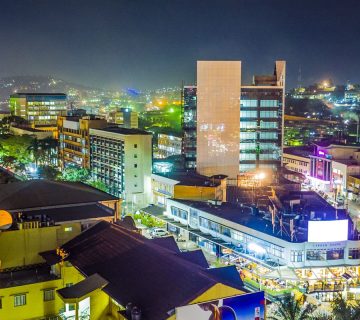
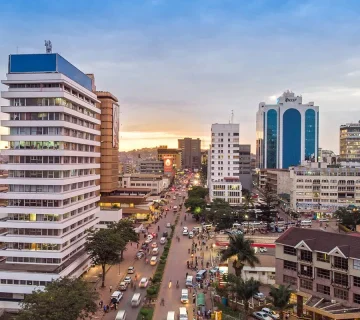
Kampala also contains prominent religious landmarks, including Rubaga Cathedral, Namirembe Cathedral and the Uganda National Mosque.
Kenya
Nairobi and Mombasa contain important churches and mosques.
The historic coastal towns of Mombasa and Lamu reflect the longstanding influence of Islam along the Indian Ocean.
Tanzania
Dar es Salaam has churches and mosques representing its religious diversity.
Stone Town in Zanzibar contains historic mosques and other religious buildings.
Rwanda
Kigali contains Catholic, Protestant and other Christian churches, alongside mosques.
Some church sites are also connected with remembrance of the 1994 genocide against the Tutsi.
Visitors should approach memorial locations with particular sensitivity.
Traditional Beliefs and Cultural Practices
Before the spread of Christianity and Islam, East African communities maintained diverse spiritual traditions.
Some involved ancestral remembrance, sacred places and ceremonies connected with community life.
Certain traditional practices continue today, sometimes alongside Christianity or Islam.
Travellers should avoid treating traditional beliefs as entertainment.
If visiting a cultural site with spiritual significance, follow the guidance of community representatives.
Practical Religious Etiquette for Travellers
Respectful behaviour is usually straightforward.
Greet religious leaders and community members politely.
Wear modest clothing at places of worship.
Ask permission before entering restricted areas.
Keep your phone silent during services.
Avoid interrupting prayers or ceremonies.
Request consent before photographing people.
Respect rules regarding food, footwear and head coverings.
Never pressure someone to explain their personal beliefs.
You do not need to share another person’s faith to behave respectfully.
Combining Religious Heritage With a Safari
Religious landmarks can be included in cultural city tours before or after wildlife safaris.
For example, travellers staying in Kampala may visit a cathedral or mosque before continuing to Uganda’s national parks.
Visitors in Nairobi can include religious architecture during a guided city excursion.
In Zanzibar, exploring Stone Town provides opportunities to learn about Islam, coastal history and Swahili culture.
Allow enough time for each visit and avoid scheduling sightseeing during important religious ceremonies without prior arrangements.
Religion in East Africa is closely connected with community life, history and cultural traditions.
Churches, mosques and religious celebrations are important features of everyday life throughout Uganda, Kenya, Tanzania and Rwanda.
Understanding Sunday church etiquette, Friday Muslim prayers and appropriate behaviour at places of worship can help you travel respectfully.
Whether you are visiting historic cathedrals, exploring Zanzibar’s mosques or attending a local service, thoughtful preparation allows you to appreciate East Africa’s religious diversity while respecting the people and communities you encounter.
No comment