
Rail And Safari Combinations In East Africa
combining rail travel with a wildlife safari offers a different way to explore east africa. instead of relying entirely on a safari vehicle or taking flights between every destination, travellers can use passenger trains for selected journeys and continue by road to national parks, wildlife conservancies, lakes, or coastal resorts. the result can be a more varied holiday that includes railway travel, changing landscapes, local towns, and time in the african wilderness.
kenya currently offers some of the most practical ways to combine passenger rail travel with a safari. the madaraka express connects nairobi with mombasa, making it useful for travellers planning a wildlife and beach holiday. from suitable points along this corridor, visitors can arrange road transfers to destinations such as tsavo national parks and other wildlife areas. kenya also has selected passenger services towards nanyuki, although these should be checked against current operating arrangements before building an itinerary around them.
tanzania offers a different railway experience, with passenger services that can connect travellers to parts of the country’s interior. however, the usefulness of each line depends on its current timetable and the distance between the railway station and the intended safari destination. uganda and rwanda require a different approach because they do not currently offer the same kind of practical, established passenger rail network for connecting major safari destinations.
a successful rail and safari holiday therefore needs more planning than simply purchasing a train ticket and choosing a national park. travellers must consider train schedules, transfers, accommodation, park activities, luggage, and the time needed to reach remote wildlife areas. when these elements fit together, rail travel can add variety to an east african trip without replacing the game drives that make a safari special.
What Is A Rail And Safari Combination?
a rail and safari combination is a holiday that uses passenger trains for at least one part of the journey and safari vehicles or other ground transport for wildlife activities. the train may connect two cities, provide access to a coastal destination, or reduce the amount of driving required between parts of an itinerary.
this does not necessarily mean that the train travels through a national park or provides dedicated wildlife viewing. in east africa, most rail and safari holidays combine ordinary passenger rail services with separate excursions into wildlife areas. a traveller might take a train from nairobi to mombasa, transfer to a safari vehicle for a stay in tsavo, and continue to the coast for several days beside the indian ocean.
the distinction is important because a rail journey and a safari serve different purposes. the train provides transport and the opportunity to enjoy the scenery along the railway corridor. the safari vehicle gives visitors access to designated park tracks and wildlife viewing areas, usually with a professional guide.
some trips are designed around comfort and convenience, using modern trains and well-equipped lodges. others focus on the journey itself, including slower rail travel, overnight trains, and longer road transfers. the right combination depends on the available time, the preferred level of comfort, and whether wildlife viewing or the railway experience is the main attraction.
Why Combine Rail Travel With A Safari?
rail travel can add variety to an itinerary that would otherwise involve repeated road journeys. it allows travellers to experience a different form of transport while enjoying landscapes from the train window. depending on the route, these views may include agricultural areas, settlements, open countryside, hills, and stretches of semi-arid terrain.
for travellers who dislike spending every day in a vehicle, a train journey can provide a welcome change. passengers can settle into their seats, read, enjoy refreshments where available, and watch the countryside pass without having to concentrate on the road. modern services such as kenya’s madaraka express also provide a comfortable way to travel between major transport hubs.
rail can also work well for a beach extension. a safari in the interior can be followed by a train journey towards the coast, allowing travellers to finish the holiday with time by the ocean. this is especially useful for couples and families who want to combine wildlife viewing with relaxation.
another advantage is the opportunity to experience more than one side of a destination. a safari introduces visitors to national parks, conservation areas, and wildlife habitats, while railway travel can reveal the everyday landscapes and settlements connecting those places.
however, rail is not always the fastest or most direct option. a train station may be far from the lodge or park entrance, and a separate road transfer may add several hours to the journey. rail travel is most useful when the railway route aligns naturally with the itinerary.
Kenya: The Most Practical Rail And Safari Combination
kenya is one of the strongest choices for travellers who want to combine passenger trains with a traditional wildlife safari. its standard gauge railway, known as the madaraka express, links nairobi and mombasa, providing an established connection between the capital and the coast.
the railway is not a dedicated safari train, but it can form part of a wider wildlife holiday. travellers can arrange a safari before boarding the train, use road transfers to reach wildlife areas along the corridor, or finish a coastal stay with a train journey back to nairobi.
the most suitable arrangement depends on the number of days available and the order in which the destinations are visited. a well-planned itinerary should avoid unnecessary backtracking and allow enough time for both wildlife viewing and rail travel.
The Madaraka Express Between Nairobi And Mombasa
the madaraka express is the most straightforward starting point for a rail and safari holiday in kenya. the passenger service connects nairobi with mombasa, giving travellers a practical alternative to driving the full distance between the two cities.
the journey takes several hours, so it should be treated as a substantial travel segment rather than a brief excursion. passengers need to arrive at the station with enough time for security and boarding procedures. train times, ticket availability, class options, and travel requirements should be confirmed through kenya railways before departure.
the service is particularly useful for travellers who want to combine a safari in southern kenya with a beach stay. a typical itinerary could begin in nairobi, continue by road to a wildlife destination, and later use the train to reach the coast. another option is to start with a few days on the coast and travel by rail to nairobi before departing internationally.
the train does not replace the safari transfer. travellers still need a suitable vehicle to reach national parks, lodges, and coastal accommodation that are not directly served by the railway. the operator should coordinate the station transfer with the train arrival time, especially when travelling with luggage or children.
Tsavo East And Tsavo West: Wildlife Along The Railway Corridor
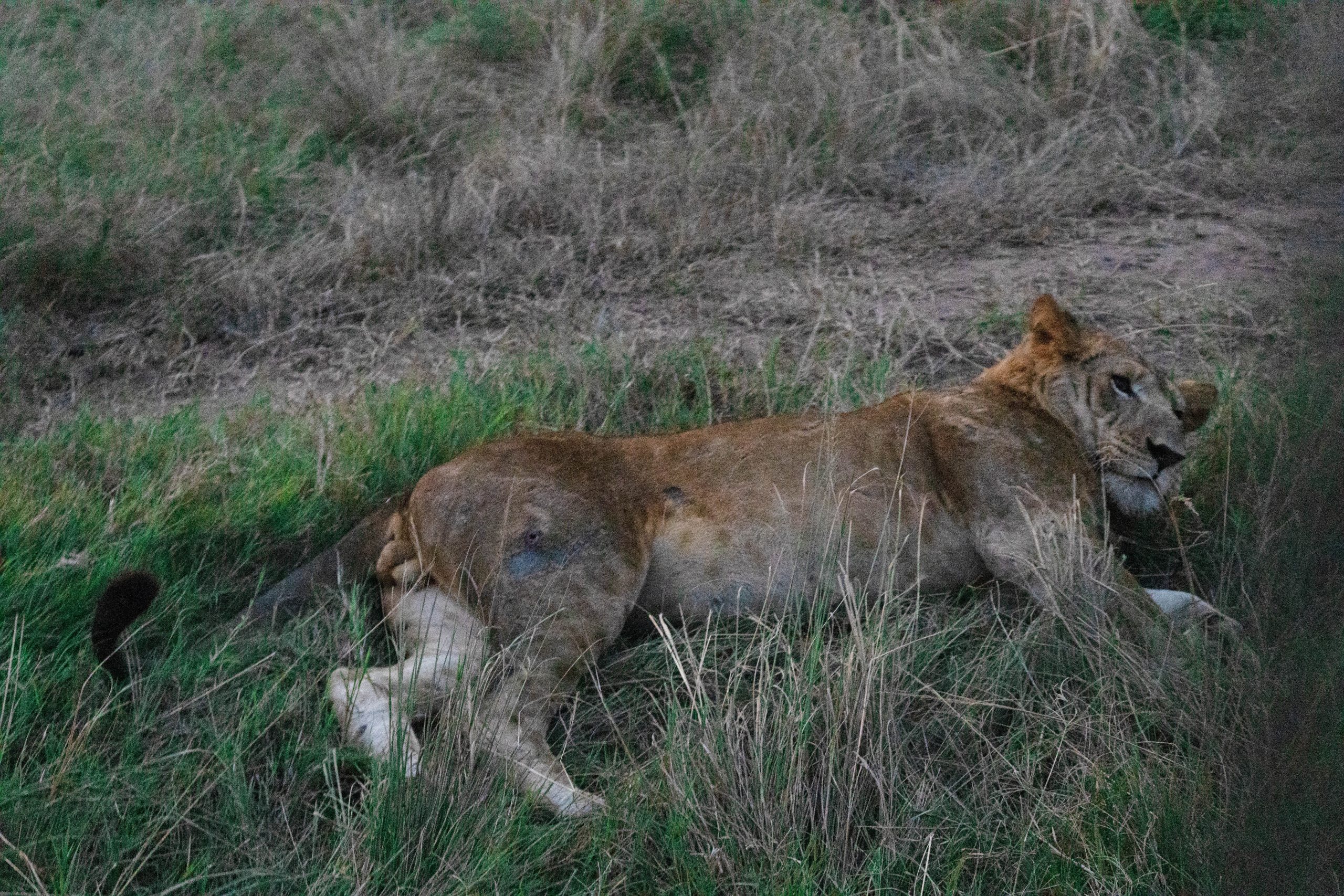
tsavo east and tsavo west are among the most logical wildlife destinations to consider when planning a rail-based holiday in kenya. both parks are located in the broader region between nairobi and mombasa, although the railway does not provide a substitute for dedicated game drives inside the parks.
tsavo east is known for expansive landscapes, red earth, and large elephant herds. visitors may also encounter lions, giraffes, zebras, buffaloes, and many other species. the park’s wide terrain can create a sense of space, especially for travellers who enjoy long game drives and relatively open scenery.
tsavo west offers a different landscape, with more varied terrain, volcanic features, hills, and areas of thicker vegetation. wildlife viewing can be rewarding, but animals may be harder to spot in some habitats than in more open areas. the park also contains notable natural attractions, including mzima springs.
a rail and safari itinerary can include one of these parks or, with sufficient time, both. the choice should depend on the traveller’s interests, the lodge location, and the length of the trip. trying to visit both parks during a very short holiday may result in excessive transfers and insufficient time for wildlife viewing.
travellers should not assume that a passing train guarantees close wildlife sightings. the railway follows a transport corridor, and animal visibility depends on the location, vegetation, time of day, and individual wildlife movements. the main purpose of visiting tsavo remains guided exploration inside the park.
Amboseli National Park And The Railway Connection
amboseli national park is another possible addition to a kenya rail and safari holiday. the park is famous for its elephant herds and, when weather conditions permit, views of mount kilimanjaro across the border in tanzania.
amboseli is not directly connected to nairobi or mombasa by the madaraka express in a way that removes the need for a road transfer. travellers must arrange ground transport between the railway network and the park. this can make the itinerary more complicated than a simple train journey to the coast.
for some visitors, the best arrangement is to visit amboseli from nairobi by road, spend two or three nights in the area, and then travel by road or a suitable connecting service towards the railway. others may find it easier to complete the safari first and use the train for the journey to mombasa.
amboseli is worth including when elephant viewing and mountain scenery are high priorities. however, travellers should consider the total driving time and the position of the railway stations before deciding whether the train genuinely improves the itinerary.
A Sample Seven-Day Kenya Rail And Safari Holiday
a seven-day itinerary can combine a wildlife experience with a train journey and time on the coast. the exact sequence should be adjusted according to train availability, lodge location, and international flight times.
Day One: Arrive In Nairobi
arrive in nairobi and transfer to a hotel for the night. allow time to rest after the international journey and prepare for the safari. travellers arriving late in the day should avoid planning a long road transfer immediately after landing.
Day Two: Travel To Tsavo Or Another Suitable Wildlife Area
depart by road with a safari guide and travel towards the selected wildlife destination. the choice of park should reflect the length of the trip and the preferred type of wildlife experience. after reaching the lodge, enjoy the surroundings and, if time permits, take an afternoon game drive.
Day Three: Wildlife Viewing In The Park
spend the day on guided game drives. the timing can be arranged around wildlife activity and local conditions. return to the lodge for meals and relaxation, leaving enough time to enjoy the accommodation rather than spending the entire day on the move.
Day Four: Continue The Safari Or Transfer Towards The Railway
depending on the chosen park, spend another day exploring or transfer towards a suitable railway connection. a second night in the same lodge can create a more relaxed experience, while an additional destination may be worthwhile if the journey remains manageable.
the transfer should be planned carefully. travellers need to know how long it takes to reach the station, which train they will board, and whether the schedule leaves enough time for check-in.
Day Five: Take The Madaraka Express To Mombasa
board the train for the journey towards mombasa. enjoy the changing scenery from the carriage and use the time to relax after several days of wildlife activities. on arrival, transfer to the hotel or coastal accommodation.
Day Six: Enjoy The Kenyan Coast
spend the day at the coast. depending on the location, activities may include swimming, beach walks, a guided cultural visit, or a boat excursion in suitable conditions. keep the schedule flexible so that the coastal portion provides a genuine contrast to the active safari days.
Day Seven: Departure Or An Additional Coastal Stay
travel to the appropriate airport or extend the beach stay if the schedule allows. travellers departing from mombasa should confirm the transfer time and flight arrangements. those returning to nairobi by train need to account for the rail schedule and any onward flight connection.
this itinerary is an example rather than a fixed package. the most suitable route depends on current train schedules, accommodation availability, and the distance between the selected park and railway station.


No comment